









Quick take: Anisocoria in dogs means the pupils are different sizes. It can be harmless or signal a serious problem like nerve damage or eye disease. If you notice a sudden change, especially with pain, vision loss, or discharge, call your vet right away. Early diagnosis and treatment improve the outlook.
It’s late at night, and you’re scrolling through pet forums because your 7‑year‑old Boxer seems to be squinting more than usual. When you gently lift his eyelid, one pupil looks noticeably larger than the other, and the iris looks a bit hazy. Your heart races as you wonder: is this something I can fix at home, or does my dog need emergency care?
We get it—seeing a change in your dog’s eyes can feel like a red‑flag emergency. The good news is that anisocoria isn’t always a crisis, but it does deserve prompt attention to rule out serious underlying causes. In this article we’ll explain exactly what anisocoria is, why it happens, what you might see, how vets figure out the cause, and what treatment options exist. We’ll also cover costs, diet tips, and prevention so you can feel confident about the next steps.
By the end of this guide you’ll know when to call the vet, what questions to ask, and how to support your dog’s recovery at home. Let’s dive in.
What is anisocoria in dogs?
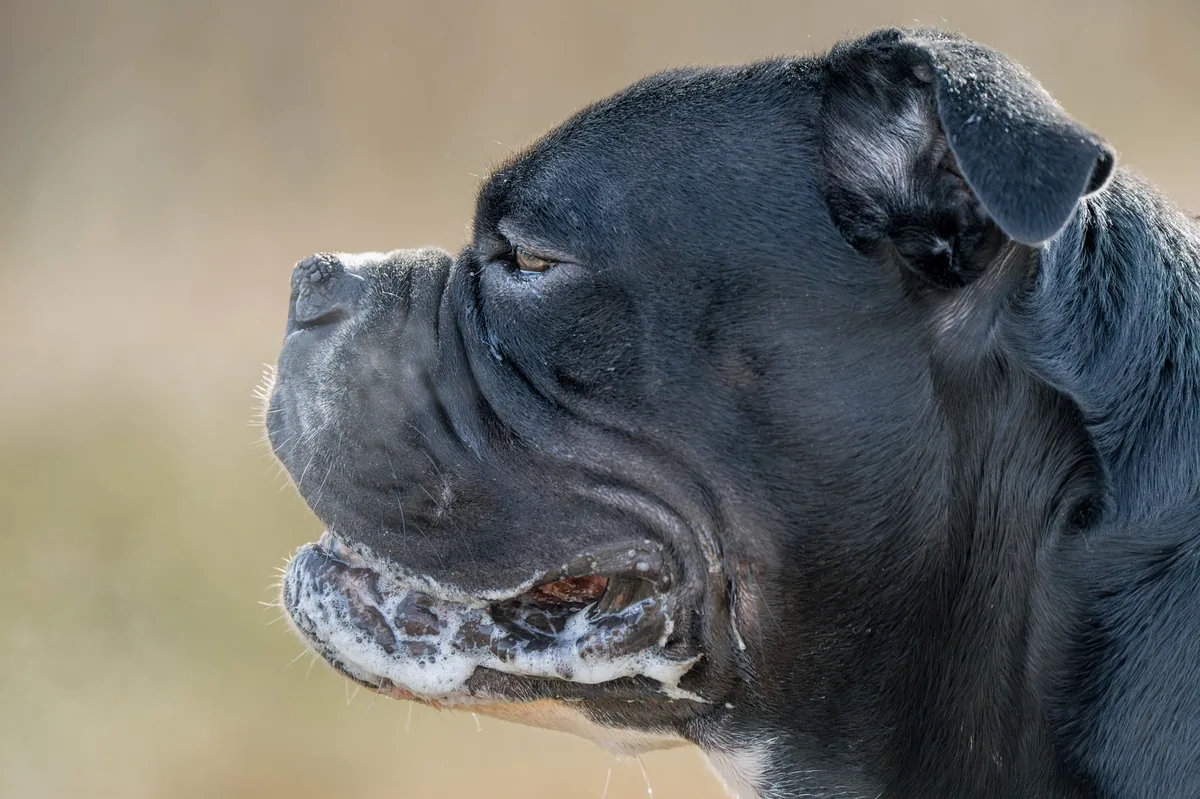
Anisocoria (pronounced an‑i‑so‑kor‑EE‑uh) simply means “unequal pupils.” In a healthy eye, both pupils open and close together in response to light. When one pupil stays larger or smaller than the other, the condition is called anisocoria. A small amount of natural variation can exist—just like people may have slightly different eye sizes—but a noticeable or sudden difference is abnormal.
In dogs, anisocoria is not a disease itself; it’s a sign that something else is affecting the nerves, muscles, or structures that control pupil size. Depending on the cause, it can be benign (e.g., a harmless medication effect) or a warning sign of a serious neurological or ocular issue.
How common is it? Exact prevalence is hard to pin down because many cases go unnoticed or are reported only when owners see a dramatic change. Veterinary ophthalmology surveys suggest that anisocoria appears in roughly 2–5 % of dogs examined for eye problems, with higher rates in breeds prone to certain eye diseases (like the Boston Terrier or Pug).
What causes anisocoria in dogs?
Underlying causes fall into three broad categories: neurological, ocular, and systemic. Below is a quick reference to the most frequent culprits.
| Category | Common Causes |
|---|---|
| Neurological | Horner’s syndrome, brain trauma, intracranial tumors, optic nerve lesions, brainstem disease |
| Ocular | Uveitis, glaucoma, corneal ulcer, retinal detachment, intra‑ocular tumors, trauma to the eye |
| Systemic / Medication | Topical or systemic drugs (e.g., atropine, phenylephrine), endocrine disorders (e.g., diabetes), infectious diseases (e.g., tick‑borne rickettsial infections) |
Neurological causes affect the nerves that tell the iris muscles to contract. Horner’s syndrome—a classic “one pupil smaller, drooping eyelid, and a sunken eye” picture—is the most common neurological source of anisocoria. However, more worrisome conditions like a brain tumor or severe head injury can also produce unequal pupils, especially if the larger pupil is unresponsive to light.
Ocular causes involve the eye itself. Inflammation of the uvea (the middle layer of the eye) can cause the pupil to stay dilated. Glaucoma, where pressure builds up inside the eye, may also keep a pupil enlarged. Direct trauma—such as a paw or a branch hitting the eye—can damage the iris muscles, leading to permanent anisocoria.
Systemic or medication‑related causes are often reversible. Certain eye drops contain drugs that intentionally dilate one pupil for diagnostic purposes; if the effect lingers longer than expected, owners may mistake it for a problem. Some systemic drugs, like atropine used for heart rate control, can also affect pupil size.
Breed predisposition matters. Small breeds with shallow eye sockets (e.g., Pugs, French Bulldogs, and Boston Terriers) are more likely to develop eye inflammation that can lead to anisocoria. Larger breeds can still be affected, especially if they experience head trauma or have a neurological disease.
Signs and symptoms
Owners may notice anisocoria when a dog’s eye looks “off” in a photograph, during a quick glance, or when the dog reacts oddly to bright light. Below is a progression of signs from mild to severe.
| Severity | Typical Signs |
|---|---|
| Mild | One pupil slightly larger; no pain; normal vision; occasional light sensitivity |
| Moderate | Noticeable size difference; eye redness; occasional tearing; reduced response to light in the affected eye |
| Severe | Marked size disparity; eye pain; cloudy or hazy cornea; vision loss; drooping eyelid (ptosis) or sunken eye; discharge |
Other accompanying signs that often point to a specific cause include:
- Horner’s syndrome: smaller pupil, drooping eyelid, and a slightly recessed eyeball.
- Uveitis: red eye, squinting, and possibly a cloudy iris.
- Glaucoma: bulging eye, intense pain, and reluctance to keep the eye open.
- Head injury: stumbling, disorientation, or changes in behavior beyond eye changes.
When to call your vet
Call your vet today (non‑emergency) if:
- The pupil size difference is new and not linked to a recent eye medication.
- Your dog shows mild discomfort, occasional squinting, or slight redness.
- You notice any changes in vision (e.g., bumping into objects).
Go to an emergency veterinary hospital right now if you see any of these red flags:
- Sudden, severe pain (dog whines, yelps, or paws at the eye).
- Rapidly worsening swelling, cloudiness, or a bulging eye.
- Associated neurological signs—head tilt, loss of coordination, or seizures.
- Bleeding, persistent discharge, or a pupil that does not react at all to light.
This information is for educational purposes only and is not a substitute for professional veterinary care. If you’re ever in doubt, err on the side of caution and contact a vet.
How vets diagnose anisocoria
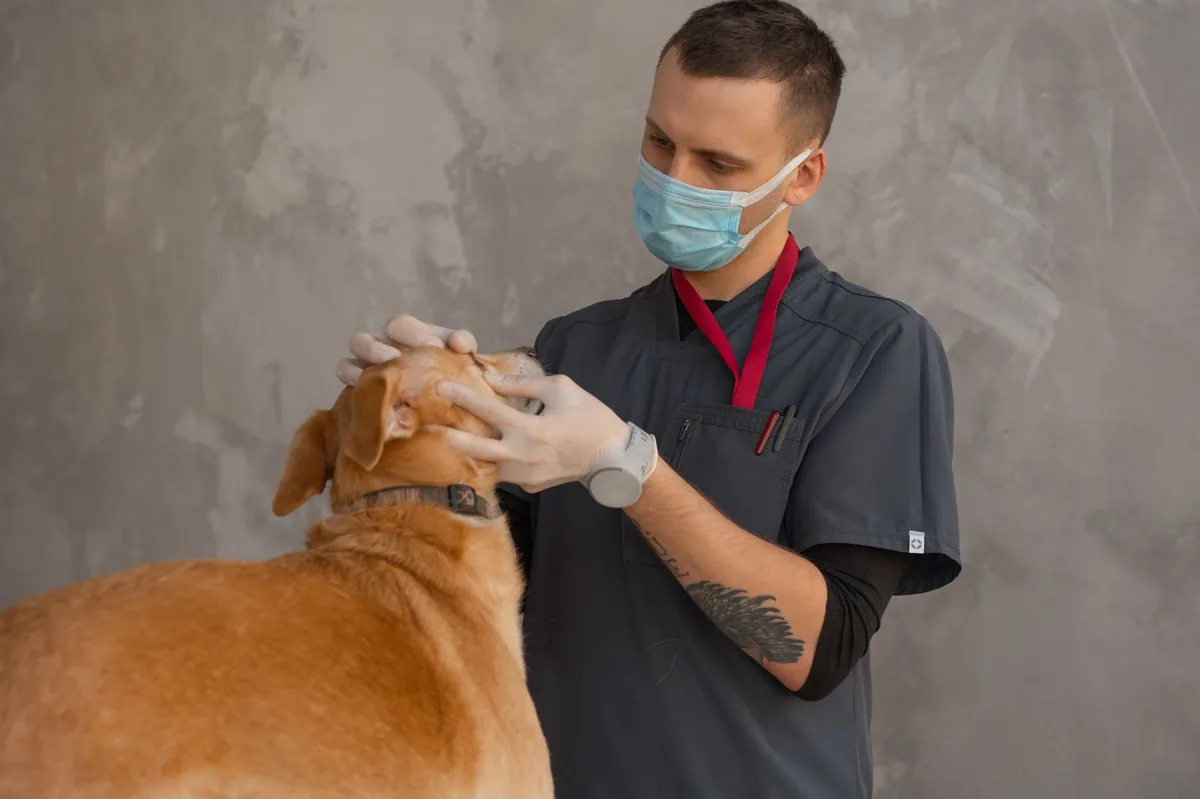
Diagnosing the root cause of anisocoria involves a stepwise work‑up. Vets start with a detailed history (onset, recent medications, possible trauma) and a thorough physical exam. The eye exam is the cornerstone.
- Direct ophthalmoscopy: Allows the vet to look at the pupil’s reaction to light and assess the iris, cornea, and retina.
- Schirmer tear test: Checks tear production; low tears can accompany certain eye diseases.
- Tonometry: Measures intra‑ocular pressure to rule out glaucoma.
- Fluorescein stain: Highlights corneal ulcers or scratches.
- Neurological exam: Evaluates cranial nerves, gait, and reflexes to spot Horner’s syndrome or brain injury.
If the initial exam points to a deeper problem, additional diagnostics may be ordered:
- Blood work: CBC and chemistry panels can reveal systemic infections or metabolic disorders.
- Imaging: MRI or CT scans are the gold standard for detecting brain tumors, strokes, or skull fractures.
- Ultrasound of the eye: Helps assess internal eye structures, especially if a tumor is suspected.
- PCR testing: For tick‑borne diseases like Ehrlichia or Rocky Mountain spotted fever, which can involve the eye.
All these tests give the vet a clearer picture of why the pupils differ, guiding targeted treatment.
Treatment options
Medical treatment
Once the cause is identified, treatment is tailored to that specific condition. Common medical approaches include:
- Anti‑inflammatory drugs: Non‑steroidal anti‑inflammatories (e.g., carprofen, meloxicam) reduce ocular inflammation. Ask your vet about this option.
- Immunosuppressants: For immune‑mediated uveitis, drugs like prednisone or cyclosporine are used to calm the immune response. Ask your vet about this option.
- Antibiotics or antiparasitics: If an infection is present (e.g., bacterial keratitis or tick‑borne disease), appropriate systemic or topical agents are prescribed. Ask your vet about this option.
- Pupil‑constricting drops: Medications such as pilocarpine may be used to shrink a dilated pupil, especially when the cause is localized to the eye.
Supplements and supportive care
While supplements cannot replace proper medical treatment, certain nutrients can aid recovery when the underlying issue involves inflammation or oxidative stress:
- Omega‑3 fatty acids (EPA/DHA): Found in fish oil, they support overall eye health and may lessen inflammation.
- Vitamin C and Vitamin E: Antioxidants that help protect ocular tissues from free‑radical damage, especially after trauma.
- Probiotics: Good gut health can improve systemic immune function, indirectly benefiting ocular healing.
Introduce any supplement only after discussing it with your vet, as some can interact with prescribed medications.
Procedures or surgery
When structural damage is the culprit, surgery may be necessary. Typical procedures include:
- Lens extraction: For cataract‑related anisocoria, removing the cloudy lens can restore normal pupil function.
- Iridectomy or iris repair: Surgical correction of traumatic iris tears.
- Glaucoma drainage implants: To lower intra‑ocular pressure when glaucoma is the cause.
Recovery from eye surgery varies but generally involves a few weeks of restricted activity, topical medications, and close follow‑up. Costs can range from a few hundred to several thousand dollars depending on the complexity and geographic location.
Diet and nutrition
Nutrition plays a subtle yet important role in eye health. While no single diet will cure anisocoria, feeding a balanced diet that supports overall ocular and neurological function can aid recovery and reduce the risk of secondary issues.
Key principles for a diet that supports eye health:
- High‑quality protein: Provides the amino acids needed for tissue repair. Look for named meat sources (chicken, turkey, salmon) as the first ingredient.
- Omega‑3 fatty acids: EPA and DHA from fish oil or algae help reduce inflammation in the eye and support retinal health.
- Antioxidants: Vitamins C, E, and beta‑carotene protect retinal cells from oxidative stress. Ingredients like blueberries, sweet potatoes, and spinach are natural sources.
- Controlled sodium: Excess sodium can increase intra‑ocular pressure in dogs prone to glaucoma. Choose diets with moderate sodium levels.
- Balanced minerals: Adequate calcium, magnesium, and zinc support the structural integrity of ocular tissues.
Some dogs with specific eye diseases benefit from therapeutic formulas (e.g., “ocular health” or “renal” diets) that are formulated to meet the AAHA nutritional standards for eye support. These are not breed‑specific but are designed to provide optimal levels of the nutrients listed above. Always discuss prescription diet options with your vet before switching.
Foods to favor
- Fresh, lean meats (chicken, turkey, rabbit) – great sources of high‑quality protein.
- Fish (salmon, sardines) – rich in omega‑3s.
- Vegetables like carrots, kale, and pumpkin – provide beta‑carotene and fiber.
- Blueberries or cranberries – antioxidants that support retinal health.
Foods to limit or avoid
- High‑salt treats (e.g., jerky, processed chews) – can exacerbate glaucoma risk.
- Excessive dairy – some dogs are lactose intolerant, leading to GI upset that can affect overall health.
- Very high‑fat snacks – may contribute to obesity, which is a risk factor for systemic diseases that can affect the eyes.
When transitioning to a new diet, do it gradually over 7–10 days to avoid gastrointestinal upset. Mix a small amount of the new food with the current diet, increasing the proportion each day.
Below is a quick reference table you can keep on your fridge:
| Do feed | Limit | Avoid |
|---|---|---|
| Lean meats, fish, eggs, low‑salt kibble, fresh veggies, antioxidant‑rich fruit | Cooked bones, high‑fat treats, occasional cheese | Salty jerky, processed snacks, raw fish with bones |
For senior dogs or those with eye‑related conditions, feeding smaller, more frequent meals can help maintain steady energy levels and reduce the risk of systemic spikes that might affect ocular pressure.
Cost and prognosis
Financial considerations are an important part of any veterinary decision. Below are typical cost ranges for diagnosing and treating anisocoria, based on U.S. and U.K. averages. Prices vary by region, clinic type, and complexity of the case.
| Service | U.S. (USD) | U.K. (GBP) |
|---|---|---|
| Initial ophthalmology exam | $120–$250 | £90–£180 |
| Tonometry & fluorescein stain | $30–$60 | £25–£50 |
| Blood work (CBC + chemistry) | $80–$150 | £60–£120 |
| MRI/CT scan (if needed) | $800–$2,000 | £600–£1,500 |
| Topical medication (course) | $20–$80 | £15–£60 |
| Surgical intervention (e.g., iridectomy) | $1,500–$3,500 | £1,200–£3,000 |
Prognosis depends heavily on the underlying cause. Dogs with simple drug‑induced anisocoria often return to normal within days after the medication clears. Those with Horner’s syndrome have a good chance of stable long‑term management if the root cause (e.g., a nerve injury) is addressed. Serious neurological conditions like brain tumors carry a guarded prognosis and may require palliative care.
Prevention and home care
While some causes (like head trauma) are unavoidable, many everyday practices can reduce the risk of anisocoria developing or worsening:
- Protect eyes during play: Use soft toys, avoid rough “tug‑of‑war” games that could lead to accidental eye injuries.
- Regular vet check‑ups: Annual eye exams, especially for breeds prone to ocular disease, catch early inflammation before it leads to pupil changes.
- Tick control: Prevent tick‑borne infections (e.g., Ehrlichia) with veterinarian‑recommended preventives appropriate for your region (e.g., Bravecto, NexGard).
- Medication awareness: Keep a list of all drugs (including eye drops) your dog receives. If a new medication is started, monitor the eyes for any changes.
- Balanced diet: Feed a nutritionally complete diet rich in omega‑3s and antioxidants to support overall eye health.
- Monitor for subtle changes: Take quick photos of your dog’s eyes weekly; a sudden shift in pupil size is easier to spot when you have a visual baseline.
Follow‑up appointments are crucial. After the initial diagnosis, most vets recommend re‑checking the eyes within 1–2 weeks, then every few months until the condition stabilizes.
From our vet team: Anisocoria can feel alarming, but it’s often a clue rather than a diagnosis itself. Keeping a calm eye on the situation, noting any accompanying signs, and seeking prompt veterinary care are the best steps you can take. Early intervention not only clarifies the cause but also maximizes the chance of a full recovery.
Myth vs. fact
Myth: Anisocoria always means a brain tumor.
Fact: While a brain tumor can cause unequal pupils, many more common and treatable causes exist, such as eye inflammation or medication effects.
Myth: If my dog’s pupils look different, I can fix it with home remedies.
Fact: Home care (like keeping the eye clean) is supportive, but the underlying cause must be diagnosed by a vet to guide proper treatment.
Myth: Only older dogs get anisocoria.
Fact: Puppies can develop anisocoria, especially after trauma or congenital eye abnormalities. Early detection is just as important in young dogs.
Ask the PuppaDogs community
Have a question this article didn’t fully answer? Want to compare notes with other dog owners who’ve been through this? Our community forum is moderated by experienced owners and vets — and answers tend to come fast. Ask in the PuppaDogs community →
Key takeaways
- Anisocoria means the pupils are different sizes; it’s a sign, not a disease.
Frequently asked questions
What does anisocoria look like in a dog’s eye?
The most direct sign is one pupil that stays larger (or smaller) than the other, often visible as a noticeable size difference when the dog looks straight ahead or in bright light.
What are the most common causes of anisocoria in dogs?
Typical causes include Horner’s syndrome, uveitis, eye trauma, glaucoma, and certain medications that dilate the pupil. Systemic infections like tick‑borne diseases can also affect pupil size.
When should I take my dog to the vet for anisocoria?
Contact your vet today if the pupil change is new, accompanied by mild discomfort, or if your dog shows any vision changes. Go to an emergency clinic immediately if there’s severe pain, a bulging eye, or neurological signs such as head tilt or seizures.
Can anisocoria be a sign of a brain injury in dogs?
Yes. Unequal pupils that do not respond to light can indicate pressure on the brain or cranial nerves after head trauma. This scenario is an emergency and requires immediate veterinary evaluation.
How is anisocoria diagnosed by a veterinarian?
Vets perform a comprehensive eye exam, including direct ophthalmoscopy, tonometry, and fluorescein staining. They may also run blood tests and advanced imaging (MRI or CT) if a neurological cause is suspected.
What treatment options are available for anisocoria in dogs?
Treatment depends on the cause: anti‑inflammatory or immunosuppressive drugs for uveitis, pupil‑constricting eye drops, antibiotics for infections, and surgery for structural eye damage. Supportive care such as omega‑3 supplements may aid healing.
References
- American Animal Hospital Association (AAHA) – Ophthalmology Guidelines, 2022.
- American College of Veterinary Ophthalmology (ACVO) – Clinical Approach to Anisocoria, 2021.
- Merck Veterinary Manual – Anisocoria in Dogs, 2023 edition.
- World Small Animal Veterinary Association (WSAVA) – Eye Disease Consensus Statement, 2020.
- American Veterinary Medical Association (AVMA) – Tick‑borne Disease Management, 2022.
- Cornell University College of Veterinary Medicine – Ocular Health Resources, 2023.
- UC Davis School of Veterinary Medicine – Neurological Examination of the Canine Patient, 2021.
- AAFP (American Academy of Family Physicians) – Guidelines on Use of Atropine in Veterinary Practice, 2022.


