











Quick take: Nasal passage narrowing in dogs is a condition where the airway inside the nose becomes partially blocked, often causing noisy or labored breathing. It can stem from birth defects, trauma, inflammation, or tumors, and treatment ranges from medication to surgery. Prompt veterinary evaluation is key, especially if your dog shows severe breathing difficulty.
It’s 11 p.m., and you’re standing in the kitchen watching your senior French Bulldog, Milo, struggle to draw a full breath before he finally settles into his favorite rug. His nostrils flare, his snorts echo off the cabinets, and a faint wheeze follows each exhale. You’ve Googled “why won’t my dog breathe right” and the top result mentions “nasal passage narrowing.” Your heart races—could this be serious?
We understand that watching your dog have trouble breathing is terrifying. The good news is that nasal passage narrowing is often manageable, especially when caught early. In this article we’ll explain exactly what it is, why it happens, how you can spot it, what diagnostics and treatments your vet may recommend, the likely costs, and how to keep your dog comfortable at home.
Read on for a step‑by‑step guide, from the first sniff of a problem to post‑surgery care, and discover practical tips that can make a real difference for your pup.
What is nasal passage narrowing in dogs?
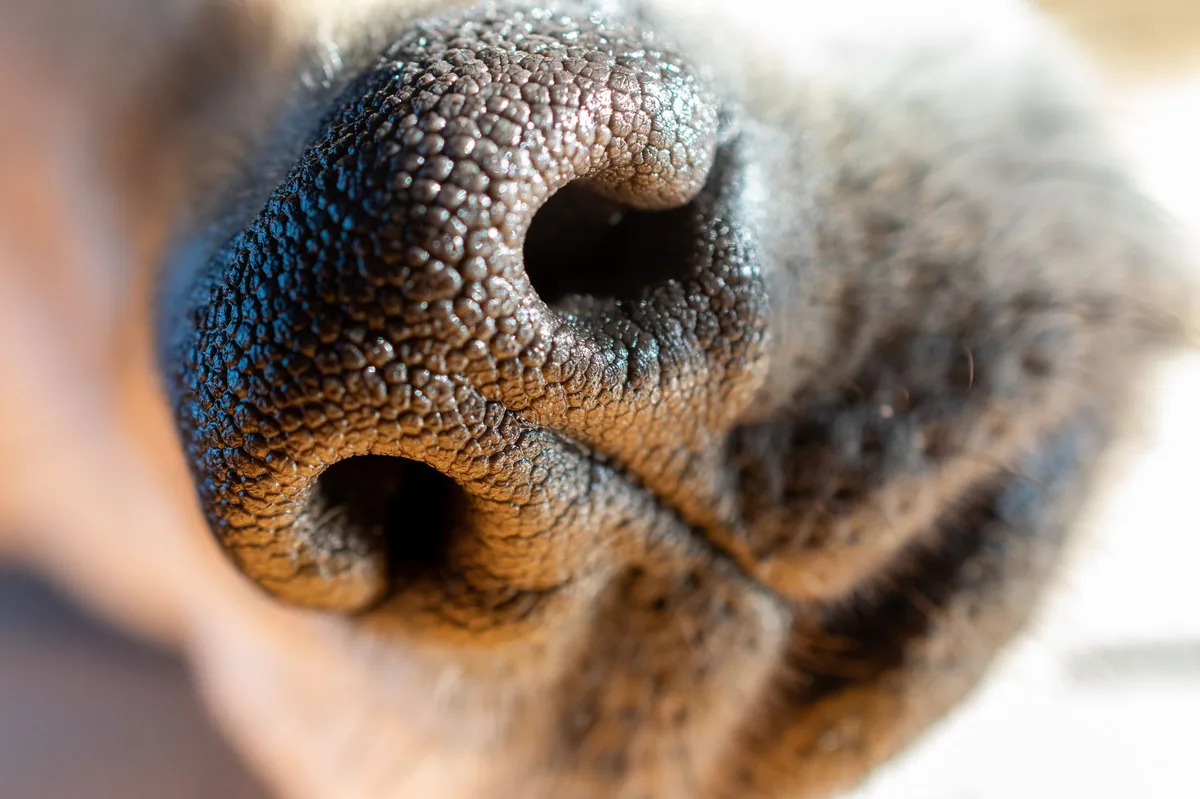
Nasal passage narrowing, also called nasal stenosis, refers to a reduction in the diameter of the nasal airway inside the nose. The airway is lined with delicate tissue and cartilage that keeps it open for smooth airflow. When that space shrinks, air must pass through a tighter tunnel, which creates turbulence, resistance, and the characteristic noisy breathing.
While any dog can develop this issue, it’s most common in brachycephalic (short‑muzzled) breeds such as French Bulldogs, Pugs, and Boston Terriers, as well as in dogs that have suffered facial trauma or have nasal tumors. According to the American College of Veterinary Surgeons (ACVS), nasal stenosis accounts for roughly 5 % of all canine upper respiratory complaints seen in referral hospitals.
What causes nasal passage narrowing in dogs?
- Congenital abnormalities: Some puppies are born with a narrowed nasal septum or underdeveloped cartilage, especially in brachycephalic breeds.
- Trauma: Accidents, such as being hit by a car or a dog‑fight injury, can fracture the nasal bones or cause scar tissue that constricts the airway.
- Chronic inflammation: Recurrent infections, allergic rhinitis, or long‑standing nasal mites can lead to thickening of the mucosal lining.
- Neoplasia: Benign or malignant tumors (e.g., nasal adenocarcinoma, lymphoma) may grow inside the nasal cavity and physically block airflow.
- Brachycephalic anatomy: Breeds with short muzzles naturally have a smaller airway, and the extra soft tissue can collapse or narrow over time.
Signs and symptoms
Because the nose is the primary airway for dogs, even a modest narrowing can be noticeable. Below is a quick guide to what you might see, from mild to severe.
| Severity | Typical signs |
|---|---|
| Mild | Occasional snorting, mild nasal flare, slight reluctance to run in hot weather. |
| Moderate | Frequent snorts, audible wheeze, reduced stamina, occasional coughing after exercise. |
| Severe | Labored breathing at rest, open‑mouth panting, cyanotic gums, inability to eat or drink without distress. |
Other clues that the problem isn’t simply a cold include persistent nasal discharge (especially if it’s bloody or pus‑filled), frequent nose‑bleeds, or a noticeable change in the shape of the nose. If your dog seems to struggle more when the air is warm or humid, that can also point to a narrowed airway.
When to call your vet
Call your vet today if you notice any of the moderate signs above—frequent snorting, wheezing, or a change in activity level.
Go to an emergency veterinary hospital right now if your dog shows severe signs: open‑mouth breathing at rest, blue‑tinged gums or tongue, collapse, or inability to eat or drink.
These guidelines are not a substitute for professional care. If you’re ever unsure, err on the side of calling your vet.
From our vet team: “Nasal passage narrowing can sound scary, but many dogs respond well to medication or a simple surgical correction. Early detection gives the best chance for a smooth recovery.”
How vets diagnose nasal passage narrowing
Diagnosing a narrowed nasal airway involves a combination of history, physical exam, and imaging.
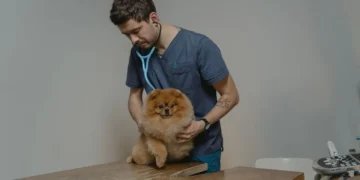
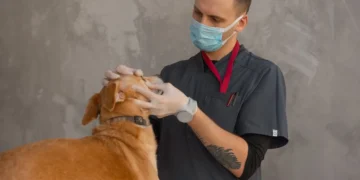
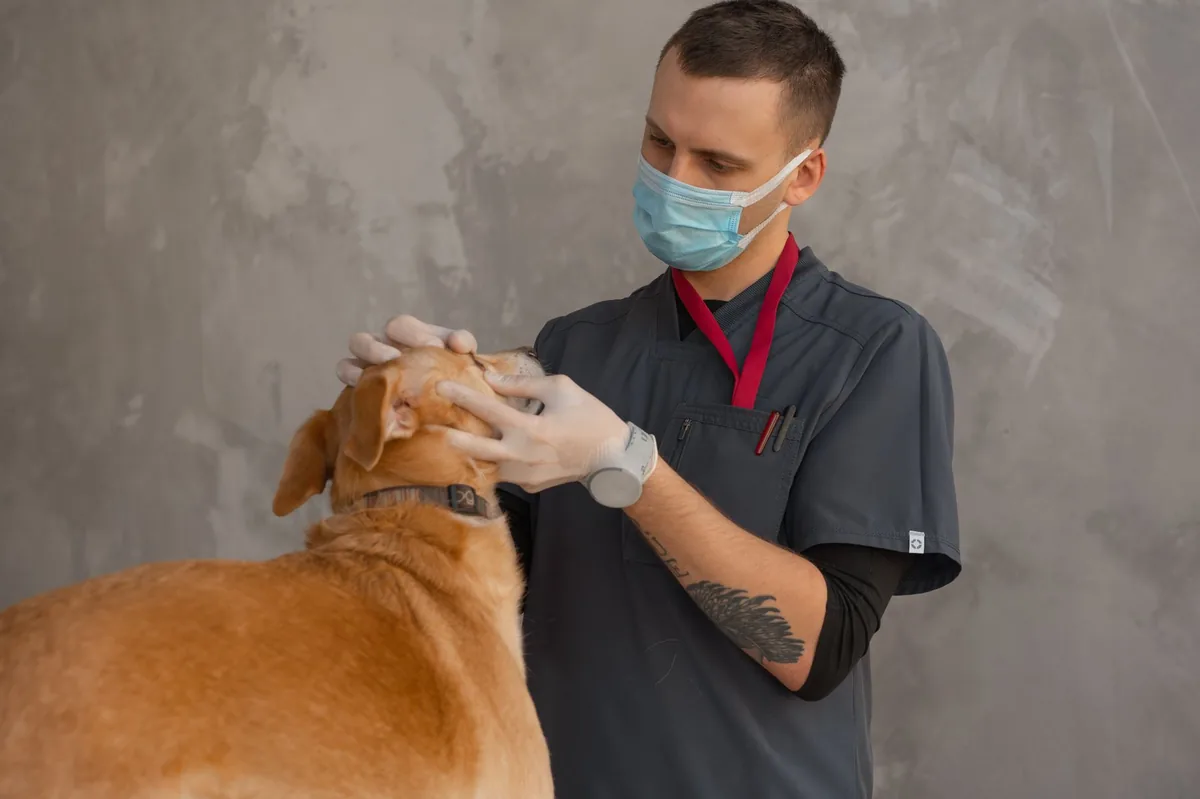
- Physical exam: The vet will look for flared nostrils, listen for wheezes, and may gently palpate the nasal bridge.
- Radiographs (X‑rays): Provide a quick view of bone structure and can reveal fractures or masses.
- Computed tomography (CT) scan: Offers detailed cross‑sectional images, helping to pinpoint the exact location and degree of narrowing. The American Veterinary Medical Association (AVMA) recommends CT for suspected tumors.
- Endoscopy: A thin camera is inserted into the nostril, allowing direct visualization of the mucosa and any obstructive tissue.
- Laboratory tests: Blood work and nasal swabs can rule out infection or systemic disease that might contribute to inflammation.
Treatment options
Medical treatment
For inflammation or mild congenital narrowing, doctors often start with medication.
- Anti‑inflammatory drugs: Steroids such as prednisone can reduce swelling of the nasal lining.
- Antibiotics: If a bacterial infection is present, drugs like amoxicillin‑clavulanate are commonly used.
- Allergy management: Antihistamines (e.g., cetirizine) or immunotherapy may help if allergies are driving chronic inflammation.
- Bronchodilators: In rare cases, a vet may prescribe a short‑acting bronchodilator (e.g., albuterol) to ease airflow.
These medications are usually given for a few weeks to months, and your vet will adjust the plan based on response. Ask your vet about each option and whether it’s appropriate for your dog’s specific condition.
Supplements and supportive care
While supplements cannot reverse a structural narrowing, they can support overall airway health.
- Omega‑3 fatty acids (EPA/DHA): Found in fish oil, they have anti‑inflammatory properties that may lessen mucosal swelling.
- Probiotics: Maintaining gut health can indirectly reduce systemic inflammation, which sometimes contributes to nasal irritation.
- Humidifier use: Keeping indoor air moist helps keep nasal passages from drying out, especially in colder climates.
Always discuss supplement choices with your vet to avoid interactions with prescribed drugs.
Procedures or surgery
When medication isn’t enough, surgical correction is often the most effective solution.
- Nasal septoplasty: The surgeon reshapes or removes a portion of the nasal septum to widen the airway. This is common for congenital or scar‑related narrowing.
- Turbinates reduction: The bony structures inside the nose (turbinates) can be trimmed to increase space.
- Tumor removal: If a mass is causing the blockage, excision or laser ablation may be performed.
Recovery typically involves 10–14 days of restricted activity, pain medication, and close monitoring for infection. Most dogs experience a noticeable improvement in breathing within weeks.
Diet and nutrition
Nutrition plays a supportive role in recovery and long‑term airway health. While no single diet can “cure” a narrowed nasal passage, certain feeding strategies can reduce inflammation, support tissue healing, and keep your dog at a healthy weight—important because excess weight can exacerbate breathing difficulty.
| Food category | What to feed | What to limit/avoid |
|---|---|---|
| High‑quality protein | Cooked chicken, turkey, or lean beef; commercial foods meeting AAFCO protein standards. | Low‑protein “light” formulas that may lack essential amino acids for tissue repair. |
| Anti‑inflammatory fats | Fish oil supplement (EPA/DHA), salmon‑rich kibble. | Excessive saturated fats from fatty cuts of meat. |
| Balanced carbohydrates | Complex carbs like sweet potato or oatmeal; low‑glycemic kibble. | Highly processed grains that can trigger food sensitivities. |
| Hydration | Fresh water at all times; wet food can add moisture. | Dry food only, especially in dry indoor environments. |
| Prescription options | Therapeutic “anti‑inflammatory” diets (e.g., Hill’s Prescription Diet i/d) if recommended by your vet. | Any diet lacking the essential nutrients identified by your vet. |
Here are practical feeding tips:
- Small, frequent meals: Offering 3–4 smaller meals a day can prevent your dog from becoming overly fatigued during a single large meal, which can momentarily increase breathing effort.
- Warmed food: Slightly warming wet food can enhance aroma, encouraging a reluctant eater to finish meals without excessive effort.
- Gradual diet transition: If you’re switching to a new therapeutic food, do it over 7–10 days to avoid gastrointestinal upset.
- Avoid allergens: If your vet suspects food‑related inflammation, a limited‑ingredient trial (e.g., novel protein) may be advised.
For senior dogs or breeds prone to brachycephalic airway syndrome, maintaining an optimal body condition score (BCS 4‑5/9) is especially important. Overweight dogs have more tissue around the neck and throat, which can worsen airway narrowing.
Cost and prognosis
Financial planning helps you make informed decisions. Below are typical cost ranges, but actual fees vary by region, clinic, and complexity of care.
| Service | US estimate | UK estimate |
|---|---|---|
| Initial exam & basic labs | $80–$150 | £60–£120 |
| Radiographs | $150–$300 | £100–£250 |
| CT scan | $800–$1,500 | £600–£1,200 |
| Endoscopy | $300–$600 | £250–£500 |
| Medical therapy (3 months) | $200–$500 | £150–£400 |
| Surgical correction (septoplasty, turbinate reduction) | $2,500–$5,000 | £2,000–£4,500 |
| Post‑op meds & follow‑up | $150–$300 | £100–£250 |
Prognosis depends on cause and treatment type. Dogs with simple inflammatory narrowing often improve dramatically with medication, achieving normal breathing within weeks. Surgical cases have a success rate of 80‑90 % for restoring airway patency, according to the American College of Veterinary Surgeons (ACVS). Early intervention and diligent post‑op care are the biggest predictors of a positive outcome.
Prevention and home care
While you can’t change a dog’s congenital anatomy, you can reduce the risk of secondary narrowing.
- Weight management: Keep your dog at a healthy weight to lessen extra tissue around the airway.
- Avoid nasal trauma: Use a muzzle when your dog is in high‑risk environments (e.g., dog parks with aggressive dogs).
- Control allergies: Regularly bathe your dog and keep the home environment free of dust mites and pollen.
- Routine veterinary check‑ups: Annual exams allow early detection of chronic rhinitis or early‑stage tumors.
- Humidify indoor air: A cool‑mist humidifier can keep nasal passages moist, especially in dry winter months.
For brachycephalic breeds, consider a breed‑specific health guide that outlines exercise limits and breathing‑friendly environments.
Key takeaways
- Nasal passage narrowing is a reduction of the airway inside the nose, often caused by congenital factors, trauma, inflammation, or tumors.
- Early signs include snorting, wheezing, and reduced stamina; severe signs require immediate veterinary attention.
- Diagnosis combines physical exam, X‑rays, CT scans, and endoscopy to pinpoint the location and cause.
- Treatment ranges from anti‑inflammatory meds and supplements to surgical correction, with a high success rate for most dogs.
- Maintain a healthy weight, control allergies, and keep indoor air humid to help prevent worsening of the condition.
- Costs vary widely, but expect $2,500–$5,000 for surgical correction in the United States, plus follow‑up care.
Myth vs. fact
Myth: All brachycephalic dogs will inevitably develop severe nasal collapse.
Fact: While brachycephalic breeds have a higher risk, many live comfortable lives with proper weight control and early veterinary care.
Myth: Surgery is the only way to fix a narrowed nasal passage.
Fact: Medication, allergy management, and lifestyle changes can improve many cases, especially when the narrowing is due to inflammation rather than structural blockage.
Myth: A dog with a narrowed nose can’t exercise.
Fact: Controlled, low‑intensity exercise is beneficial and helps maintain lung capacity; just avoid overheating and watch for breathing difficulty.
Frequently asked questions
What are the common signs of nasal passage narrowing in dogs?
Typical signs include frequent snorting, audible wheezing, flared nostrils, reduced stamina, and occasional coughing after activity. Severe cases may show open‑mouth breathing at rest and blue‑tinged gums.
Can nasal passage narrowing be reversed without surgery?
Yes, many cases caused by inflammation or allergies can improve with anti‑inflammatory medications, antihistamines, and environmental management. However, structural narrowing often requires surgical correction for lasting relief.
How is nasal passage narrowing diagnosed by a vet?
Vets start with a physical exam, then use imaging (X‑ray, CT) and possibly endoscopy to visualize the airway. Blood work and nasal swabs help rule out infection or systemic disease.
Which dog breeds are most at risk for nasal passage narrowing?
Brachycephalic breeds such as French Bulldogs, Pugs, Boston Terriers, and English Bulldogs have the highest risk, but any breed can develop narrowing from trauma or tumors.
What is the typical recovery time after nasal surgery?
Most dogs recover fully within 10–14 days of restricted activity, with noticeable breathing improvement by the end of the first week. Full healing of the surgical site may take up to 6 weeks.
Will my dog’s breathing improve after treatment?
When the underlying cause is addressed—whether with medication or surgery—most dogs experience a marked reduction in wheezing and an easier time breathing, especially in cooler weather.
Ask the PuppaDogs community
Have a question this article didn’t fully answer? Want to compare notes with other dog owners who’ve been through this? Our community forum is moderated by experienced owners and vets — and answers tend to come fast. Ask in the PuppaDogs community →
References
- American College of Veterinary Surgeons (ACVS). “Nasal Stenosis in Dogs,” 2022.
- American Veterinary Medical Association (AVMA). “Guidelines for Advanced Imaging in Small Animals,” 2021.
- Merck Veterinary Manual. “Nasal Disease in Dogs,” chapter on nasal obstruction.
- American Animal Hospital Association (AAHA). “Brachycephalic Airway Syndrome Management,” 2023.
- World Small Animal Veterinary Association (WSAVA). “Allergy and Respiratory Disease in Companion Animals,” 2022.
- Veterinary Partner. “Canine Nasal Tumors: Diagnosis and Treatment,” 2023.
- University of California, Davis Veterinary Medicine. “Post‑operative Care for Nasal Surgery,” 2021.


