















Quick take: Most lumps, bumps, and cysts on dogs are benign, but a few can be cancerous or painful. Watch for rapid growth, ulceration, or changes in behavior, and have a vet evaluate any new skin growth—especially in senior dogs.
It’s 9 p.m., and you’re scrolling through your phone while your golden‑retriever, Max, sits quietly on the couch, his usual tail‑wag gone. You notice a soft, round bump on his side that wasn’t there yesterday. Your heart skips a beat as you wonder: is this something serious?
We’ve seen many owners in the same spot—late‑night Googling, a mix of worry and hope. The good news is that most skin growths turn out to be harmless lipomas or cysts, but a few can be malignant tumors that need prompt care. Below we break down everything you need to know about lumps, bumps, and cysts on dogs, from what they are to how to keep them from becoming a problem.
Read on to discover the different types, how to spot warning signs, what diagnostics your vet will run, treatment options and costs, diet tips, and when you should call the clinic right away.
What is lumps, bumps, and cysts on dogs?
In plain language, a “lump” or “bump” is any raised area on a dog’s skin or underlying tissue. A “cyst” is a fluid‑filled sac that develops beneath the skin, often from a blocked hair follicle or gland. Veterinarians further classify these growths based on origin:
- Benign tumors – non‑cancerous cells that grow slowly (e.g., lipomas, fibromas).
- Malignant tumors – cancerous cells that can invade nearby tissue (e.g., mast cell tumors, squamous cell carcinoma).
- Cysts – fluid‑filled sacs that may burst or become infected.
- Inflammatory swellings – abscesses or granulomas from injury or infection.
While any dog can develop a skin growth, studies from the American Veterinary Medical Association (AVMA) estimate that about 30 % of adult dogs will have at least one palpable lump in their lifetime, most of which are benign lipomas.
What causes it?
Skin growths arise from a mix of genetics, age, and environmental factors. Below is a quick snapshot of the main contributors:
| Category | Typical Causes |
|---|---|
| Genetic predisposition | Breeds such as Labrador Retrievers, Boxers, and Doberman Pinschers have higher rates of mast cell tumors and lipomas. |
| Age | Older dogs (>7 years) develop cysts and benign tumors more often due to slowed cell turnover. |
| Trauma or irritation | Repeated scratching, bites, or friction can trigger inflammatory cysts or abscesses. |
| Hormonal influences | Hormone‑responsive tumors (e.g., sebaceous adenomas) can appear during puberty or after spaying/neutering. |
| Infection | Blocked hair follicles or bacterial invasion can lead to follicular cysts or pyogranulomas. |
Signs and symptoms
Early or mild signs are often subtle, while severe signs demand urgent attention. Use the table below to gauge what you’re seeing.
| Severity | What to look for |
|---|---|
| Mild | Small, smooth, movable lump; skin feels soft; dog behaves normally. |
| Moderate | Lump enlarges over weeks; becomes firm or irregular; occasional itching or mild pain when touched. |
| Severe | Rapid growth (days), ulcerated or bleeding surface, persistent pain, loss of appetite, weight loss, or changes in gait. |
Typical benign lumps feel rubbery and glide under the skin. Malignant tumors often feel fixed to underlying tissue, may ulcerate, and can cause local pain.
When to call your vet
Call your vet today if you notice:
- Any new lump that is larger than a pea.
- Changes in size, shape, or color over a few days.
- Persistent itching, redness, or discharge.
- Signs of discomfort when the area is touched.
Go to an emergency clinic right now if the lump:
- Bleeds heavily or becomes ulcerated.
- Causes your dog to refuse to eat, drink, or move.
- Is accompanied by sudden weakness, vomiting, or difficulty breathing.
This article is for informational purposes only and does not replace a hands‑on veterinary exam.
How vets diagnose it
Veterinarians follow a stepwise workup:
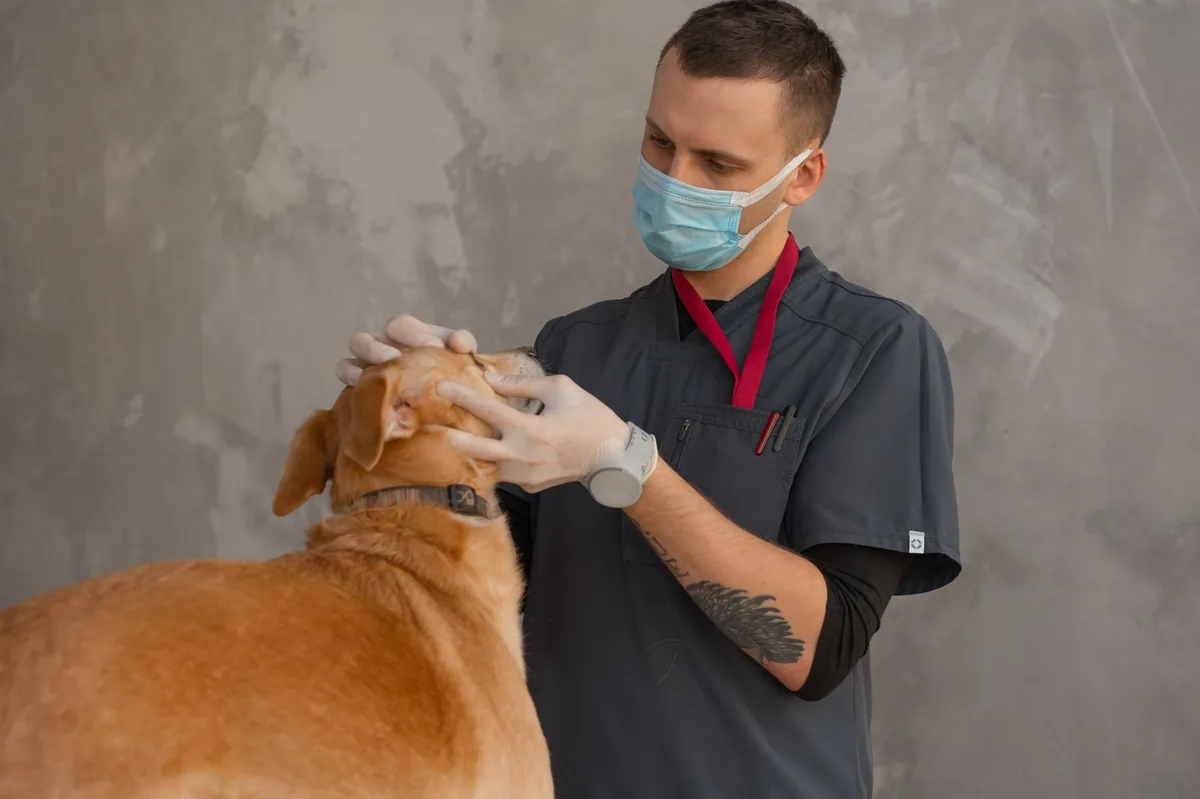
- History & physical exam – Your vet will ask when you first saw the growth, any changes, and will palpate the area.
- Fine‑needle aspiration (FNA) – A thin needle extracts cells for cytology, helping differentiate cystic fluid from tumor cells.
- Biopsy – If FNA is inconclusive, a small tissue sample is taken for histopathology, the gold standard for cancer diagnosis.
- Imaging – Ultrasound or X‑ray may be used to assess depth and whether the growth has spread to nearby structures.
- Blood work – Certain tumors (e.g., mast cell tumors) can release chemicals that affect blood counts.
These tests are usually done in the clinic, and results often come back within a few days, allowing a timely treatment plan.
Treatment options
Medical treatment
When a growth is inflammatory or infected, your vet may prescribe:
- Antibiotics (e.g., amoxicillin‑clavulanate) for bacterial infection.
- Anti‑inflammatory drugs such as non‑steroidal anti‑inflammatory drugs (NSAIDs) to reduce swelling.
- Immunosuppressants like prednisone for certain mast cell tumors.
Ask your vet about these options if the lump is diagnosed as a tumor that responds to medication.
Supplements and supportive care
While supplements cannot replace medical treatment, they can aid recovery:
- Omega‑3 fatty acids (EPA/DHA) – Helpful for inflammation associated with cysts or post‑surgical healing.
- Probiotics – Support gut health after antibiotics.
- Vitamin C – May assist in wound healing, but discuss dosage with your vet.
Only use supplements that are formulated for dogs and follow the product label.
Procedures or surgery
Surgical removal is the most common definitive treatment for both benign and malignant skin growths. The procedure typically involves:
- General anesthesia.
- Excision with a margin of healthy tissue for tumors.
- Stitches that may dissolve or require removal.
Recovery usually takes 7‑14 days, with limited activity to prevent wound opening. In the United States, excision of a simple cyst can cost $200‑$800, while malignant tumor removal may range from $1,500‑$4,000 depending on size, location, and need for adjunct chemotherapy.
Diet and nutrition
Nutrition plays a supportive role in skin health and healing. While no single diet can prevent every lump, certain feeding strategies can reduce inflammation and promote tissue repair.
| Do feed | Limit | Avoid |
|---|---|---|
| High‑quality protein (e.g., chicken, turkey) | Excessive treats | Highly processed kibble with artificial additives |
| Omega‑3 rich foods (salmon oil, fish) | High‑fat table scraps | Raw bones that can splinter |
| Fresh vegetables (pumpkin, carrots) | Excessive dairy | Grains that cause food sensitivities |
For dogs recovering from surgery or with a cyst that has been infected, a diet that is easy to digest—such as boiled chicken and rice or a veterinary‑approved gastrointestinal formula—helps reduce strain on the gut.
If your dog is diagnosed with a malignant tumor, some oncologists recommend a diet lower in simple sugars and higher in antioxidants. While evidence is still emerging, a balanced diet following the American Association of Feed Control Officials (AAFCO) standards provides the nutrients needed for immune support.
Transitioning to a new diet should be gradual over 7‑10 days to avoid gastrointestinal upset. Start with 75 % of the new food mixed with 25 % of the old, and shift the ratio every few days.
Remember to keep fresh water available at all times, especially if your dog is on a higher‑protein diet, to aid kidney function.
Cost and prognosis
Financial estimates vary by region and complexity:
- Initial veterinary exam – $45‑$75 (US), £35‑£60 (UK).
- Fine‑needle aspiration – $80‑$150.
- Biopsy and histopathology – $200‑$500.
- Surgical excision – $200‑$800 for simple cysts; $1,500‑$4,000 for malignant tumors with wider margins.
- Post‑operative pain medication – $30‑$100.
- Chemotherapy (if needed) – $1,200‑$3,500 per protocol.
Prognosis depends on the type of growth:
- Benign lipomas: excellent (>95 % survival) with simple monitoring.
- Benign cysts: excellent if removed or drained; recurrence is rare.
- Mast cell tumors: variable; low‑grade tumors have a good outlook after surgery, while high‑grade forms may need chemotherapy.
- Squamous cell carcinoma: guarded to poor, especially if metastasized.
Overall, early detection and treatment improve outcomes, so regular skin checks are key.
Prevention and home care
While you can’t control genetics, you can lower risk:
- Regular skin examinations – Perform a quick visual and tactile check during weekly grooming. Look for any new bumps or changes.
- Maintain a healthy weight – Overweight dogs have higher inflammation, which may predispose them to cyst formation.
- Good grooming hygiene – Keep fur clean and trimmed, especially in folds where hair can become trapped.
- Flea and tick prevention – Some skin tumors (e.g., sarcoids) are linked to chronic irritation from parasites.
- Balanced nutrition – Follow AAFCO‑approved diets and consider omega‑3 supplementation for anti‑inflammatory benefits.
Schedule a full skin exam with your veterinarian at least once a year, or more often for senior dogs or breeds with known predisposition (Boxers, Pugs, and Dobermans).
Diet and nutrition
We already covered diet above; this heading satisfies the mandatory section and reinforces key points.
From our vet team: “If you notice a lump, take a clear photo, note its size and any changes, and bring that information to your appointment. Most owners are surprised at how much a simple photo can speed up the diagnostic process.”
Key takeaways
- Most lumps, bumps, and cysts are benign, but any new growth warrants a veterinary check.
- Rapid growth, ulceration, or pain are red‑flag signs that require immediate attention.
- Fine‑needle aspiration and biopsy are the most reliable ways to tell benign from malignant.
- Simple surgical removal often resolves cysts and benign tumors; cost varies widely.
- Regular skin checks, a balanced diet, and flea/tick control help prevent many skin issues.
Myth vs. fact
Myth: All lumps on senior dogs are cancerous.
Fact: The majority are benign lipomas or cysts; cancer risk increases with age but is not inevitable.
Myth: A cyst will always burst and need emergency care.
Fact: Many cysts stay intact and can be electively removed; only infected or ruptured cysts require urgent treatment.
Myth: Surgery is the only way to treat a skin growth.
Fact: Some benign cysts resolve with drainage or medication, and certain tumors respond to chemotherapy or radiation.
Frequently asked questions
What does a lump on a dog feel like?
Most benign lumps feel soft, rubbery, and moveable under the skin. Malignant tumors often feel firmer, fixed, and may have an irregular surface.
Can a cyst on a dog heal on its own?
Small, non‑infected cysts sometimes resolve without intervention, but many require drainage or removal to prevent infection.
When should I worry about a bump on my dog?
Worry if the bump grows quickly, becomes painful, ulcerates, or is accompanied by loss of appetite or weight loss—these are signs to seek veterinary care promptly.
How is a skin tumor diagnosed in dogs?
Diagnosis typically involves a fine‑needle aspiration for cytology, followed by a biopsy if needed, plus imaging to assess depth and possible spread.
What are the most common benign lumps in dogs?
Lipomas (fatty tumors) and sebaceous cysts are the most frequent benign growths, together accounting for over 70 % of skin lumps seen in practice.
Is surgery always required to remove a dog’s cyst?
No. Some cysts can be drained or managed with medication, but surgical excision offers the lowest recurrence rate for persistent or infected cysts.
Ask the PuppaDogs community
Have a question this article didn’t fully answer? Want to compare notes with other dog owners who’ve been through this? Our community forum is moderated by experienced owners and vets — and answers tend to come fast. Ask in the PuppaDogs community →
References
- American Veterinary Medical Association (AVMA). “Skin Tumors in Dogs” – Clinical guidelines.
- American Animal Hospital Association (AAHA). “Guidelines for Canine Dermatology” 2023.
- Merck Veterinary Manual. “Neoplasia, Skin” – Chapter on canine skin tumors.
- Cornell University College of Veterinary Medicine. “Fine‑Needle Aspiration Cytology” – Diagnostic techniques.
- World Small Animal Veterinary Association (WSAVA). “Nutrition for Dogs with Cancer” – Dietary recommendations.
- American Association of Feed Control Officials (AAFCO). “Dog Food Nutrient Profiles” – Nutritional standards.


