















Quick take: Mumps in dogs is a rare viral infection that primarily inflames the salivary glands. It can cause fever, loss of appetite, and facial swelling, but most cases respond to supportive care. Prompt veterinary evaluation is essential, especially if your dog shows rapid breathing or severe dehydration.
It’s 11 p.m., and you’ve just noticed your usually‑bouncy border collie, Max, is lying on the couch with his head tucked between his forepaws. His cheeks look a little puffy, and when you gently press his gums they feel paler than usual. Your heart races as you Google “puffy cheeks in dogs” and the first result mentions “mumps.” You wonder, “Can dogs actually get mumps? Is this something I can handle at home, or do I need to rush to the emergency clinic?”
We get it—those late‑night moments are filled with worry, uncertainty, and a flood of questions. The bottom line is that mumps in dogs is an uncommon viral disease, treatable in most cases with proper veterinary support, but it can become serious if left unchecked. Below we break down everything you need to know: what mumps is, why it happens, how to spot it, when to call the vet, how it’s diagnosed, treatment options, nutrition tips for recovery, cost considerations, and practical ways to keep your dog safe.
Read on for a step‑by‑step guide that answers the most common follow‑up questions—like whether mumps can spread to people, how it differs from parvovirus, and what diet will help your dog bounce back.
What is mumps in dogs?
Mumps in dogs is a viral infection caused by a paramyxovirus that targets the salivary glands—especially the parotid gland located near the jaw. The virus is related to, but distinct from, the human mumps virus (a member of the Rubulavirus genus). In dogs, the disease is sometimes called “canine parotitis” or “canine mumps.” It is considered rare; most veterinary texts list it as an occasional finding rather than a common condition.
The infection leads to inflammation (swelling) of the affected glands, fever, and a range of systemic signs. While the disease can affect dogs of any age, puppies and immunocompromised adults tend to show more pronounced signs. Overall, the condition is not a top‑tier emergency like parvovirus, but it can progress to dehydration or secondary bacterial infections if not managed promptly.
What causes it?
The virus spreads primarily through close contact with infected dogs, contaminated saliva, or respiratory secretions. Because the virus is fragile outside the host, it does not survive long on surfaces, but shared water bowls, toys, or grooming tools can act as short‑term vectors.
- Direct transmission: Nose‑to‑nose or mouth‑to‑mouth contact with an infected dog.
- Environmental exposure: Shared water bowls, food dishes, or bedding that have recent saliva contact.
- Stress or immunosuppression: Recent travel, vaccination stress, or underlying illness can lower resistance, making infection more likely.
- Breed predisposition (limited data): A few case reports note German Shepherds and Basset Hounds as occasional victims, though the sample size is too small for firm conclusions.
Signs and symptoms
Dog owners usually notice changes in facial appearance first, followed by systemic signs. Below is a quick guide that moves from mild to severe.
| Severity | Typical signs |
|---|---|
| Mild | Localized swelling of the cheek or jaw, mild fever (101–102 °F), reduced appetite. |
| Moderate | Swelling of both cheeks, noticeable drooling, lethargy, occasional vomiting, mild ocular discharge. |
| Severe | Marked facial edema, high fever (>103 °F), dehydration, difficulty breathing, secondary bacterial infection (pus‑filled swellings). |
Other symptoms may include:
- Dry or cracked gums.
- Soft, “puffy” appearance around the eyes.
- Occasional coughing or sneezing if the respiratory tract is involved.
- Behavioral changes such as reluctance to play or go for walks.
When to call your vet
Call your vet today if you notice:
- Facial swelling that does not improve within 12 hours.
- Loss of appetite lasting more than a day.
- Fever (you can feel a warm nose or use a rectal thermometer).
- Lethargy or weakness that interferes with normal activities.
Go to an emergency animal hospital right now if you see any of these red‑flag signs:
- Rapid breathing or difficulty swallowing.
- Severe dehydration (dry gums, skin tenting).
- Bleeding from the swollen glands or pus discharge.
- Sudden collapse or seizures.
These guidelines are for information only and do not replace hands‑on veterinary care.
How vets diagnose it
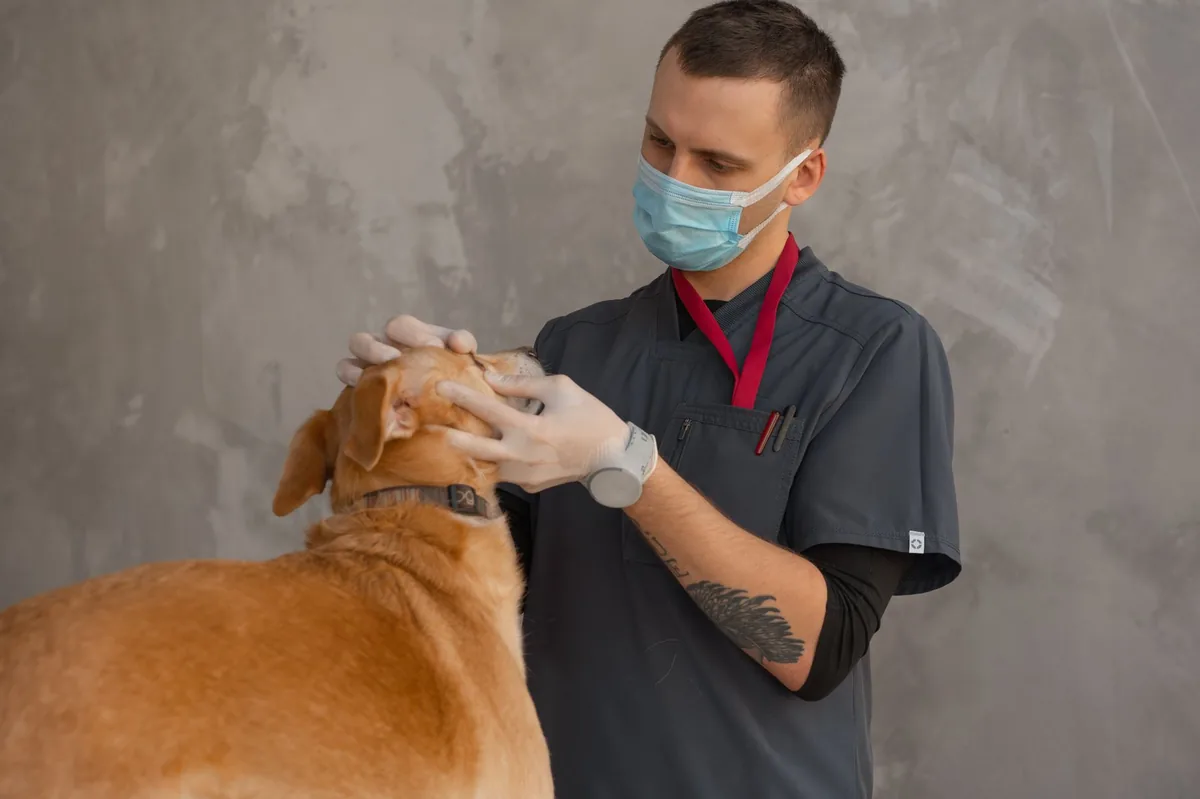
Diagnosis starts with a thorough history and physical exam. Your vet will palpate the swollen glands, listen to the lungs, and check temperature and hydration status.
Key diagnostic tools include:
- Blood work: A complete blood count (CBC) often shows a mild leukocytosis (elevated white blood cells) and sometimes a slight increase in inflammatory markers.
- Serology: Blood tests that detect antibodies against the canine parotitis virus can confirm recent exposure.
- Polymerase chain reaction (PCR): Swabs from the salivary glands or nasal secretions are sent to a lab to detect viral RNA. PCR is the most specific test.
- Imaging: In severe cases, an ultrasound of the parotid gland helps assess fluid accumulation and rule out abscesses.
Because the virus is rare, many vets will first rule out more common conditions (like dental disease, allergic reactions, or parvovirus) before confirming mumps.
Treatment options
Medical treatment
There is no specific antiviral approved for canine mumps, so treatment focuses on supportive care and preventing secondary infections.
- Fluid therapy: Intravenous (IV) or subcutaneous fluids restore hydration and help flush toxins.
- Anti‑inflammatories: Non‑steroidal anti‑inflammatory drugs (NSAIDs) such as carprofen or meloxicam reduce fever and swelling. Your vet will choose the appropriate drug based on your dog’s health.
- Antibiotics (if bacterial overgrowth is suspected): Broad‑spectrum agents like amoxicillin‑clavulanate are commonly used to treat secondary bacterial infections.
- Analgesics: If pain is significant, short courses of tramadol or gabapentin may be prescribed.
Ask your vet about these options; the exact regimen depends on weight, severity, and any concurrent illnesses.
Supplements and supportive care
While supplements cannot cure the virus, they can aid recovery:
- Omega‑3 fatty acids (EPA/DHA): Reduce inflammation and support immune function. A high‑quality fish‑oil capsule (e.g., 75 mg EPA per 10 lb body weight) is typical.
- Probiotics: Strains like Bifidobacterium animalis help maintain gut health, especially when antibiotics are used.
- Vitamin C: In moderate doses (500 mg per day for a 30‑lb dog) may boost antioxidant defenses, but discuss with your vet first.
These supplements are optional and should be introduced after your vet approves them.
Procedures or surgery
Most cases resolve with medical management, but severe swelling can lead to abscess formation. In such instances, your vet may need to:
- Perform a fine‑needle aspiration to drain fluid.
- Incise and drain a large abscess under sedation.
Recovery from a drainage procedure usually takes 1–2 weeks, with a follow‑up check‑up to ensure the infection has cleared. Costs for a drainage surgery range from $500–$1,200 in the U.S., depending on anesthesia and facility fees.
Diet and nutrition
Nutrition plays a key role in supporting the immune system and speeding up recovery. While there is no “mumps‑specific” prescription diet, you can follow these guidelines to give your dog the best chance of bouncing back.
| Category | Recommendations |
|---|---|
| Do feed | Highly digestible protein sources (boiled chicken, turkey, or low‑fat cottage cheese); cooked vegetables like carrots and pumpkin; soft kibble or moistened dry food to ease chewing. |
| Limit | Fatty foods, spicy seasonings, and raw bones that can stress the gastrointestinal tract during illness. |
| Avoid | Highly processed treats, dairy (if lactose intolerant), and foods high in sodium. |
Key points to remember:
- Small, frequent meals: Offer 4–6 small meals a day instead of one large portion. This reduces the workload on the digestive system and encourages steady intake.
- Hydration: Add a splash of low‑sodium broth or water to kibble to increase fluid intake. Ice chips can also encourage drinking if your dog is reluctant to gulp.
- Warm, aromatic foods: Gently warmed chicken broth or a small amount of plain oatmeal can stimulate appetite without upsetting the stomach.
- Prescription therapeutic diets (optional): If your dog has an underlying liver or kidney issue, a veterinarian‑recommended renal or hepatic diet may be beneficial. These diets are formulated for easy digestion and balanced electrolytes.
Transition any new food gradually—mix 25 % new with 75 % old food for the first 24 hours, then increase the new portion over the next 48 hours. This helps avoid gastrointestinal upset.
Cost and prognosis
Financial considerations vary by region, clinic type, and disease severity. Below are typical cost ranges (U.S. dollars) based on 2024 data from the AAHA and veterinary practice surveys:
| Service | Typical cost (US) | Typical cost (UK) |
|---|---|---|
| Initial exam & basic bloodwork | $150–$250 | £80–£130 |
| PCR test for canine parotitis virus | $120–$200 | £70–£115 |
| IV fluid therapy (24 hr) | $80–$150 | £45–£85 |
| Antibiotics (7‑day course) | $30–$70 | £20–£45 |
| Abscess drainage (if needed) | $500–$1,200 | £300–£700 |
Overall prognosis is good for most dogs when treatment begins early. Approximately 85‑90 % of affected dogs recover fully within 2–3 weeks. Puppies or dogs with pre‑existing immune compromise may take longer—up to 4–6 weeks—and carry a slightly higher risk of complications such as secondary bacterial infections.
Prevention and home care
Because there is no licensed vaccine for canine mumps, prevention relies on good hygiene and minimizing exposure to infected animals.
- Separate sick dogs: Keep any dog showing facial swelling or fever away from the rest of the household until a vet confirms the diagnosis.
- Clean shared items: Wash food and water bowls, toys, and bedding with hot, soapy water daily during an outbreak.
- Limit dog‑to‑dog contact: During outbreaks in dog parks or boarding facilities, avoid close nose‑to‑nose play until the situation is cleared.
- Vaccination schedule adherence: While there is no mumps vaccine, staying current on core vaccines (distemper, parvovirus, adenovirus) helps keep the immune system robust.
- Routine wellness exams: Regular check‑ups give vets a chance to spot early signs of viral infections and assess overall health.
For owners who travel with their dogs, bring a portable water bowl and avoid letting your pet drink from communal sources without supervision.
From our vet team: “If your dog shows any facial swelling, don’t wait for the swelling to disappear on its own. A quick vet visit can rule out dental emergencies, confirm mumps, and set you on the right treatment path before a secondary infection takes hold.”
Key takeaways
- Mumps in dogs is a rare viral infection that inflames the salivary glands and can cause fever, facial swelling, and lethargy.
- Early signs include puffy cheeks, reduced appetite, and a mild fever; seek veterinary care promptly.
- Diagnosis relies on physical exam, blood work, and PCR testing; there is no specific antiviral, so treatment is supportive.
- Most dogs recover fully with fluid therapy, anti‑inflammatories, and, if needed, antibiotics—usually within 2–3 weeks.
- Good hygiene, separating sick dogs, and staying up‑to‑date on core vaccines are the best ways to prevent spread.
- Cost varies, but a typical work‑up plus supportive care ranges from $380–$700 in the U.S.; emergency drainage can increase the bill.
Myth vs. fact
Myth: Dogs can catch the same mumps virus that infects humans.
Fact: The human mumps virus does not infect dogs; canine mumps is caused by a different paramyxovirus that is species‑specific.
Myth: There is a commercial vaccine for mumps in dogs.
Fact: No vaccine is approved for canine mumps; prevention focuses on hygiene and early veterinary intervention.
Myth: A swollen face always means dental disease.
Fact: While dental issues are common, facial swelling can also indicate viral parotitis (mumps) or allergic reactions—veterinary evaluation is needed for accurate diagnosis.
Frequently asked questions
Can dogs get mumps?
Yes, dogs can develop a mumps‑like disease caused by a canine paramyxovirus, though it is rare compared with other viral infections.
Is mumps contagious to humans from dogs?
No. The canine virus does not infect people; human mumps is species‑specific and cannot be transmitted by dogs.
How is mumps diagnosed in dogs?
Veterinarians use a combination of physical exam, blood work, and PCR testing of salivary or nasal swabs to confirm the virus.
Is there a vaccine for mumps in dogs?
Currently, no licensed vaccine exists for canine mumps. Prevention relies on hygiene, isolation of sick animals, and maintaining overall health through core vaccinations.
What is the recovery time for a dog with mumps?
Most dogs improve within 2–3 weeks with supportive care; severe cases or secondary infections may extend recovery to 4–6 weeks.
Can mumps be fatal for dogs?
Fatalities are uncommon but can occur if complications like severe dehydration, secondary bacterial infection, or airway obstruction develop without timely treatment.
Ask the PuppaDogs community
Have a question this article didn’t fully answer? Want to compare notes with other dog owners who’ve been through this? Our community forum is moderated by experienced owners and vets — and answers tend to come fast. Ask in the PuppaDogs community →
References
- American Animal Hospital Association (AAHA) 2023 Guidelines for Infectious Disease Management.
- Merck Veterinary Manual, “Parotitis (Canine Mumps)” chapter, 2022 edition.
- American Veterinary Medical Association (AVMA) – Canine Viral Diseases Overview, 2023.
- World Small Animal Veterinary Association (WSAVA) – Recommendations on Viral Infections in Dogs, 2022.
- University of California, Davis Veterinary Medicine – Canine Paramyxovirus Research, 2021.
- American College of Veterinary Internal Medicine (ACVIM) – Consensus Statement on Supportive Care for Viral Illnesses, 2024.


