














Quick take: Hyperparathyroidism caused by kidney failure is a common complication in senior dogs. It arises when damaged kidneys can’t excrete enough phosphorus, prompting the parathyroid glands to overproduce hormone. Early signs include increased thirst, urination, and weakened bones. Prompt veterinary care, supportive diet, and careful monitoring can help your dog live comfortably.
It’s 9 p.m., and your 11‑year‑old mixed‑breed Labrador isn’t greeting you at the door like she usually does. She sighs as she pads over to her bed, her gums look a shade paler than usual, and she’s drinking from her water bowl more often than you’ve ever seen. Your mind races through a list of possibilities—maybe a dental issue, maybe something more systemic. One of the most common systemic culprits in older dogs is chronic kidney disease (CKD), and an often‑overlooked side effect of CKD is secondary hyperparathyroidism.
We’re here to walk you through what hyperparathyroidism due to kidney failure actually means, how you’ll know it’s happening, and what you can do—both now and long‑term—to keep your companion comfortable. In this guide we’ll cover the biology, the warning signs, diagnostic steps, treatment options, diet tweaks, cost expectations, and ways to prevent or slow progression.
Our vet team draws on AAHA guidelines, the Merck Veterinary Manual, and the latest peer‑reviewed publications to give you reliable, practical information. If anything feels urgent, the “When to call your vet” section below will tell you exactly what to do next.

What is hyperparathyroidism due to kidney failure in dogs?
Hyperparathyroidism is a condition in which the parathyroid glands—four tiny glands behind the thyroid—produce too much parathyroid hormone (PTH). PTH regulates calcium and phosphorus balance. When kidneys fail, they can’t excrete phosphorus efficiently, leading to high blood phosphorus and low calcium. The parathyroid glands respond by releasing more PTH, a response called secondary (or renal) hyperparathyroidism.
In dogs, secondary hyperparathyroidism is most often seen in chronic kidney disease (CKD) stages 2–4. Studies from the American College of Veterinary Internal Medicine (ACVIM) estimate that up to 30 % of dogs with advanced CKD develop measurable elevations in PTH.
What causes it?
Kidney failure creates a cascade of metabolic changes that trigger the parathyroid glands. The main drivers are:
- Decreased phosphorus excretion: Failing kidneys let phosphorus build up, pulling calcium out of the blood.
- Reduced activation of vitamin D: Kidneys convert vitamin D to its active form (calcitriol). Less active vitamin D means less calcium absorption from the gut.
- Acid‑base disturbances: Metabolic acidosis can stimulate PTH release directly.
Risk factors include age (most cases appear after 8 years), breed predisposition (e.g., Miniature Schnauzers, Cocker Spaniels), and any condition that impairs kidney function such as glomerulonephritis, urinary tract obstruction, or long‑term exposure to nephrotoxic drugs.
Signs and symptoms
Because the hormone imbalance affects bone, muscle, and kidney function, the clinical picture can be mixed. Early signs are often subtle.
| Severity | Typical signs |
|---|---|
| Mild | Increased thirst (polydipsia), increased urination (polyuria), slight loss of appetite, mild lethargy. |
| Moderate | Noticeable weight loss, reduced activity, pale gums, mild muscle tremors, occasional vomiting. |
| Severe | Bone pain or fractures, severe muscle weakness, seizures, marked skeletal deformities, severe anemia. |
Owners often report that their dog seems “off” before any lab work confirms the diagnosis. Paying attention to changes in water intake, bathroom habits, and energy levels can help you catch the problem early.

When to call your vet
Call your vet today if you notice:
- Increased drinking and urination that lasts more than 24 hours.
- Loss of appetite, mild weight loss, or a noticeable drop in activity.
- Pale or pink gums, especially if combined with lethargy.
Go to an emergency clinic right now if you see any of these:
- Sudden inability to stand or severe weakness.
- Visible bone pain, limping, or a fracture.
- Seizures, collapse, or uncontrolled vomiting.
These signs may indicate a life‑threatening calcium imbalance or acute kidney decompensation. This article is for general information only and does not replace a hands‑on veterinary exam.
How vets diagnose it
Diagnosing secondary hyperparathyroidism involves confirming kidney disease and measuring the hormonal imbalance.
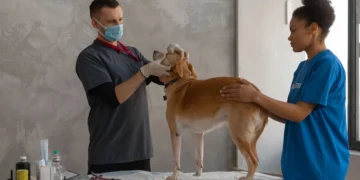
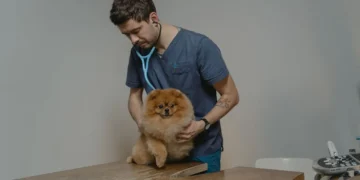
- History & physical exam: Your vet will ask about water intake, urination, appetite, and any bone pain. A thorough exam checks gum color, muscle tone, and joint tenderness.
- Bloodwork: A complete blood count (CBC) looks for anemia; a chemistry panel measures creatinine, blood urea nitrogen (BUN), phosphorus, calcium, and PTH. Elevated phosphorus with low to normal calcium and a high PTH level clinches the diagnosis.
- Urinalysis: Checks for protein loss, specific gravity, and possible urinary tract infection.
- Imaging: Radiographs (X‑rays) can reveal bone demineralization or fractures. Ultrasound may assess kidney size and architecture.
The AAHA kidney disease staging guidelines help veterinarians categorize the severity (IRIS stages 1‑4) and tailor treatment accordingly.
Treatment options
Medical treatment
Medical management aims to control phosphorus, support calcium balance, and protect the kidneys.
- Phosphate binders: Drugs like aluminum hydroxide or calcium carbonate bind dietary phosphorus in the gut. Ask your vet about this option.
- Vitamin D analogues: Calciferol (calcitriol) helps increase calcium absorption. Your vet will dose based on weight and blood levels.
- Immunosuppressants (rarely): In cases where the parathyroid gland itself becomes hyperplastic, a vet may consider drugs such as cinacalcet, but this is less common in dogs.
- Supportive therapies: Antacids for gastrointestinal upset and iron supplements if anemia is present.
Supplements and supportive care
Evidence‑based supplements can complement medical therapy:
- Omega‑3 fatty acids (EPA/DHA): Reduce inflammation in the kidneys and support overall cardiovascular health.
- Potassium citrate: May help correct metabolic acidosis, a contributor to PTH release.
- Probiotics: Helpful for maintaining gut health, especially when phosphorus binders may alter intestinal flora.
Always discuss any supplement with your vet; not all dogs tolerate every product, and some can interfere with phosphate binders.
Procedures or surgery
In severe, refractory cases, surgical removal of one or more parathyroid glands (parathyroidectomy) can be considered, though it’s uncommon in dogs because medical management usually suffices. Recovery involves a short hospital stay (1‑2 days) and careful monitoring of calcium levels. Estimated cost in the United States ranges from $2,500 to $4,500, depending on facility and postoperative care.
Diet and nutrition
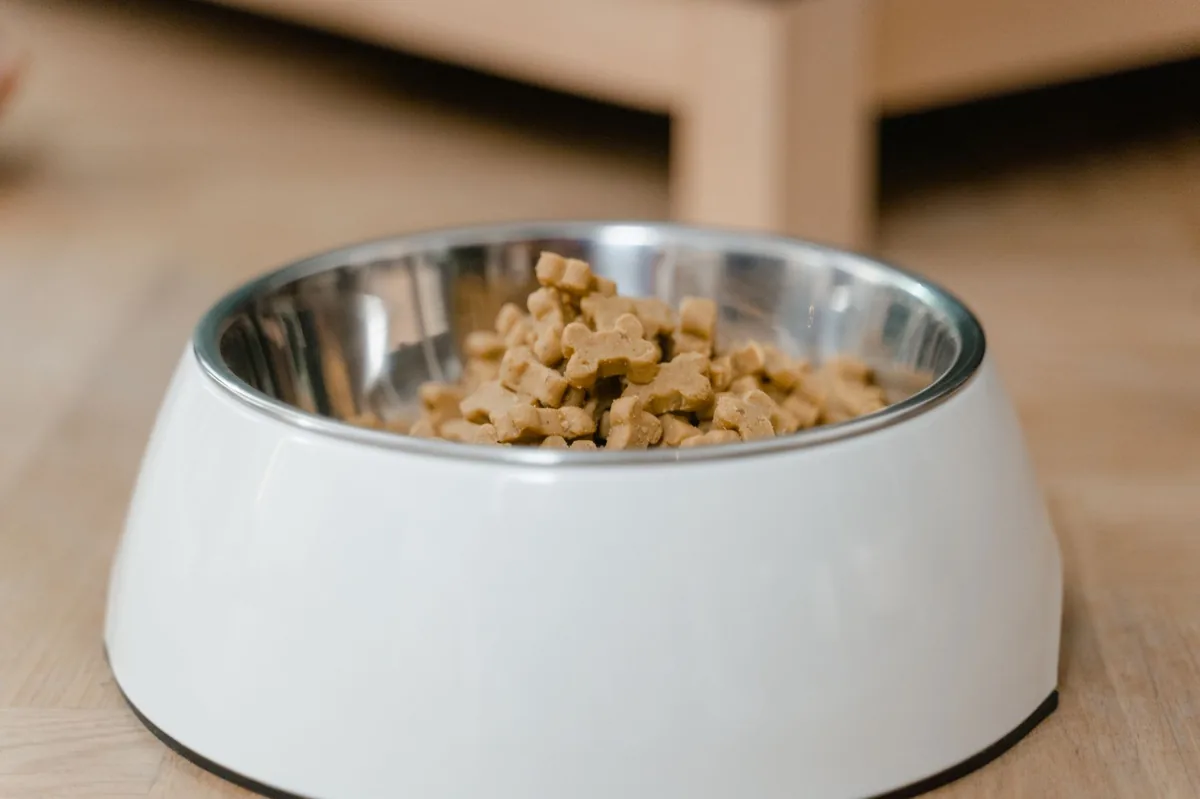
Diet is the cornerstone of managing secondary hyperparathyroidism. The goal is to reduce phosphorus intake while providing high‑quality, highly digestible protein to support kidney function and overall health.
What to feed:
- Therapeutic renal diets: Commercially available renal formulas (e.g., Hill’s k/d, Royal Canin Renal) contain phosphorus levels typically <0.3 % dry matter and added omega‑3s. They are formulated to be palatable for dogs who may have reduced appetite.
- Home‑cooked low‑phosphorus meals: Boiled chicken breast, white rice, and pumpkin provide digestible protein and carbs with minimal phosphorus. Always work with a veterinary nutritionist to balance calcium, potassium, and vitamin D.
- High‑quality wet foods: Some wet foods have lower phosphorus than dry kibble; check the guaranteed analysis for <0.4 % phosphorus.
What to limit or avoid:
| Do feed | Limit | Avoid |
|---|---|---|
| Low‑phosphorus renal diet | Bone‑based treats (e.g., raw meaty bones) | High‑phosphorus foods (e.g., organ meats, dairy, fish with bones) |
| Cooked lean meats without skin | Commercial treats with added phosphorus | Processed snacks high in salt and phosphorus additives |
| Fresh vegetables (pumpkin, carrots) | Excessive calcium supplements | Raw food diets unless carefully formulated |
When transitioning to a renal diet, do it gradually over 5‑7 days to avoid gastrointestinal upset. Start with 25 % new food mixed with the old, increase by 25 % each day. Offer the new diet at the same feeding times you usually do; many dogs prefer a warm meal, so microwaving slightly can improve acceptance.
Hydration is vital. Encourage water intake by providing fresh water in multiple locations, adding low‑sodium broth to meals, or offering wet food. Some owners find a pet water fountain helpful.
Because phosphorus restriction can affect calcium balance, your vet may recommend a calcium supplement or vitamin D analogues, especially if the diet is very low in calcium. Never add supplements on your own.
Regular re‑checks (every 4‑6 weeks) allow the vet to adjust the diet based on bloodwork trends. If your dog tolerates the renal diet well, many owners report improved energy and appetite within a month.
Cost and prognosis
Financial considerations vary by region and severity:
- Initial diagnostic workup: Blood panel, urinalysis, and X‑rays typically cost $200‑$400 (US) or £150‑£250 (UK).
- Medical management: Phosphate binders ($30‑$80 per month), vitamin D analogues ($20‑$60 per month), and routine re‑checks ($100‑$150 per visit).
- Therapeutic diet: Prescription renal kibble runs $2‑$3 per day, roughly $60‑$90 per month.
- Surgery (parathyroidectomy): $2,500‑$4,500 in the US; £1,800‑£3,200 in the UK, including anesthesia and postoperative care.
Prognosis depends on CKD stage and how well phosphorus and calcium are controlled. Dogs with early‑stage CKD (IRIS stage 2) and well‑managed hyperparathyroidism often enjoy a good quality of life for several years. In later stages, the disease may progress despite treatment, leading to bone pain and reduced lifespan. The AAHA notes that with diligent care, many dogs maintain a comfortable, active life for 12‑24 months after diagnosis.
Prevention and home care
While you can’t stop kidney aging, you can reduce the risk of severe hyperparathyroidism:
- Regular veterinary screenings: Blood chemistry every 6‑12 months for dogs over 7 years catches early kidney changes.
- Maintain hydration: Fresh water, wet food, and low‑salt treats keep kidneys flushing toxins.
- Balanced diet: Choose foods with appropriate phosphorus levels; avoid excessive treats and table scraps.
- Limit nephrotoxic drugs: Use NSAIDs only under veterinary guidance, and avoid long‑term use of certain antibiotics that can harm kidneys.
- Monitor weight: Obesity strains kidneys; aim for a body condition score of 4‑5/9.
For owners of dogs already diagnosed with CKD, home monitoring includes checking water intake, noting any changes in urination frequency, and watching for signs of bone pain (reluctance to jump, stiffness). Keep a log of these observations and share it at each vet visit.
From our vet team: “Secondary hyperparathyroidism is a manageable complication when caught early. The most powerful tool you have is consistent monitoring and a kidney‑friendly diet. If you notice your dog drinking more or becoming less active, reach out right away—early intervention can preserve both bone health and overall comfort.”
Key takeaways
- Secondary hyperparathyroidism is a common result of chronic kidney disease in senior dogs.
- Early signs include increased thirst, urination, and subtle lethargy; bone pain may appear later.
- Prompt veterinary evaluation—bloodwork, urinalysis, and imaging—is essential for diagnosis.
- Medical management focuses on phosphate binders, vitamin D analogues, and kidney‑supportive diets.
- Low‑phosphorus therapeutic diets and proper hydration are the most effective long‑term strategies.
- Regular re‑checks and monitoring can extend quality of life and help control disease progression.
Myth vs. fact
Myth: “If my dog’s kidneys are failing, there’s nothing we can do.”
Fact: While kidney disease is irreversible, secondary hyperparathyroidism can be controlled with diet, medication, and regular monitoring, greatly improving comfort and lifespan.
Myth: “All kidney diets taste terrible, so my dog will stop eating.”
Fact: Many therapeutic renal foods are formulated for palatability; warming the kibble or mixing with a small amount of low‑phosphorus wet food often encourages eating.
Myth: “Phosphate binders are only for humans.”
Fact: Veterinary‑grade phosphate binders are standard of care for dogs with CKD and are safe when used as directed by a vet.
Frequently asked questions
How much does managing secondary hyperparathyroidism cost?
Initial diagnostics cost $200‑$400 (US) or £150‑£250 (UK). Ongoing medication and diet typically run $80‑$150 per month, while surgical options can exceed $4,000.
Is hyperparathyroidism contagious?
No. It is a metabolic response to kidney dysfunction, not an infectious disease.
Can my dog live a normal life with this condition?
Yes, especially if caught early. With proper diet, medication, and regular vet check‑ups, many dogs enjoy an active, comfortable life for months to years.
What should I feed my dog during a flare?
Stick to a low‑phosphorus renal diet, offer warm wet food to stimulate appetite, and ensure constant access to fresh water. Avoid high‑phosphorus treats and organ meats.
How often should I have blood work done?
Every 4‑6 weeks after diagnosis, then every 3‑6 months once the condition stabilizes, or sooner if you notice new symptoms.
Will my dog need surgery?
Surgery (parathyroidectomy) is rare and reserved for dogs that don’t respond to medical therapy. Most dogs are managed medically.
Ask the PuppaDogs community
Have a question this article didn’t fully answer? Want to compare notes with other dog owners who’ve been through this? Our community forum is moderated by experienced owners and vets — and answers tend to come fast. Ask in the PuppaDogs community →
References
- American Animal Hospital Association (AAHA). 2023 Kidney Disease Guidelines for Dogs.
- American College of Veterinary Internal Medicine (ACVIM). Consensus Statement on Chronic Kidney Disease in Dogs, 2022.
- Merck Veterinary Manual. “Renal Failure and Secondary Hyperparathyroidism” chapter.
- World Small Animal Veterinary Association (WSAVA). Nutrition Recommendations for Renal Diets, 2021.
- Veterinary Partner, “Phosphate Binders in Small Animals,” accessed 2024.
- University of California, Davis Veterinary Medicine. “Management of Chronic Kidney Disease in Dogs,” 2023.


