















Quick take: Hypercalcemic agent poisoning occurs when a dog ingests too much calcium or calcium‑boosting substances, leading to dangerously high blood calcium levels. Early signs include lethargy, excessive thirst, and weak gums; urgent veterinary care is required to prevent kidney damage or death. Treatment involves fluid therapy, medications to lower calcium, and supportive care, with costs ranging from a few hundred to several thousand dollars depending on severity.
It’s 11 p.m., and your 7‑year‑old mixed‑breed Labrador‑retriever‑terrier, Milo, isn’t greeting you at the door. Instead, he lies on the hallway rug, his gums a pale pink and his tongue dry. You notice he’s been drinking more water than usual and has been panting lightly despite the cool night. A quick search on your phone brings up “hypercalcemic agent poisoning in dogs.” Your heart races. You wonder: is this an emergency? What should you do right now?
We’ve seen many owners describe a similar scene—sudden lethargy, increased thirst, and a change in gum color after a dog gets into a calcium supplement bottle or a high‑calcium treat. While hypercalcemia can stem from internal diseases, accidental ingestion of calcium‑rich agents is a common, treatable cause. Below, we break down exactly what hypercalcemic agent poisoning is, how to spot it, what your vet will do, and how you can prevent it from happening again.
What is hypercalcemic agent poisoning?
Hypercalcemic agent poisoning is the result of a dog ingesting an excessive amount of calcium or calcium‑enhancing substances, causing the blood calcium level (hypercalcemia) to rise sharply. Calcium is essential for bone health, muscle contraction, and nerve function, but when its concentration becomes too high, it interferes with heart rhythm, kidney function, and can lead to life‑threatening complications.
In dogs, hypercalcemia is relatively uncommon compared to other toxicities, but accidental ingestion of calcium supplements, certain antacids, or foods high in calcium (like bone meal or dairy products) accounts for a notable portion of cases, especially in puppies and curious adult dogs.
What causes it?
Hypercalcemic agent poisoning can result from several sources:
- Calcium supplements: Over‑the‑counter calcium carbonate or calcium citrate tablets intended for humans or livestock.
- Vitamin D‑rich products: Vitamin D3 (cholecalciferol) oil, rodenticide, or high‑dose vitamin D supplements, which increase calcium absorption.
- Antacids: Products containing calcium carbonate (e.g., Tums, Rolaids).
- Bone meal or powdered bone: Used as a dietary supplement for dogs or as a gardening product.
- Dairy foods: Large amounts of cheese, milk, or yogurt, especially in dogs with pre‑existing kidney issues.
- Prescription calcium‑containing medications: Certain veterinary drugs (e.g., calcium gluconate) administered incorrectly.
While most dogs tolerate normal dietary calcium, accidental ingestion of concentrated sources can push serum calcium into the dangerous range within hours.
Signs and symptoms
Symptoms develop rapidly—often within 2–12 hours after ingestion—depending on the amount and form of calcium consumed. Early, mild signs can be subtle, while severe cases progress quickly to life‑threatening emergencies.
| Stage | Typical Signs |
|---|---|
| Early / Mild | Lethargy, mild weakness, increased thirst (polydipsia), increased urination (polyuria), slight loss of appetite. |
| Moderate | Pale or bluish gums, vomiting, constipation, muscle twitching, rapid breathing, mild dehydration. |
| Severe / Critical | Severe weakness or collapse, cardiac arrhythmias, seizures, kidney failure, coma, death. |
Key red‑flag signs that suggest a serious emergency include:
- Very pale or gray‑blue gums.
- Sudden collapse or inability to stand.
- Rapid, irregular heartbeat or seizures.
- Persistent vomiting or inability to keep water down.
- Marked dehydration despite increased water intake.
These signs often overlap with other conditions, which is why a prompt veterinary evaluation is essential.
When to call your vet
Call your vet today if you notice:
- Lethargy, excessive thirst, or increased urination.
- Vomiting, reduced appetite, or mild gum discoloration.
- Any suspicion that your dog may have accessed calcium tablets, antacids, or bone meal.
Go to an emergency veterinary hospital right now if you see any of the following:
- Severe weakness, collapse, or inability to stand.
- Pale, gray, or bluish gums.
- Rapid or irregular heartbeat, seizures, or severe vomiting.
- Signs of kidney failure such as little to no urine output.
These symptoms can deteriorate within minutes. Prompt treatment dramatically improves the chance of a full recovery.
This article provides general information and is not a substitute for professional veterinary care.
How vets diagnose it
When you bring your dog in, the veterinary team will follow a systematic work‑up:
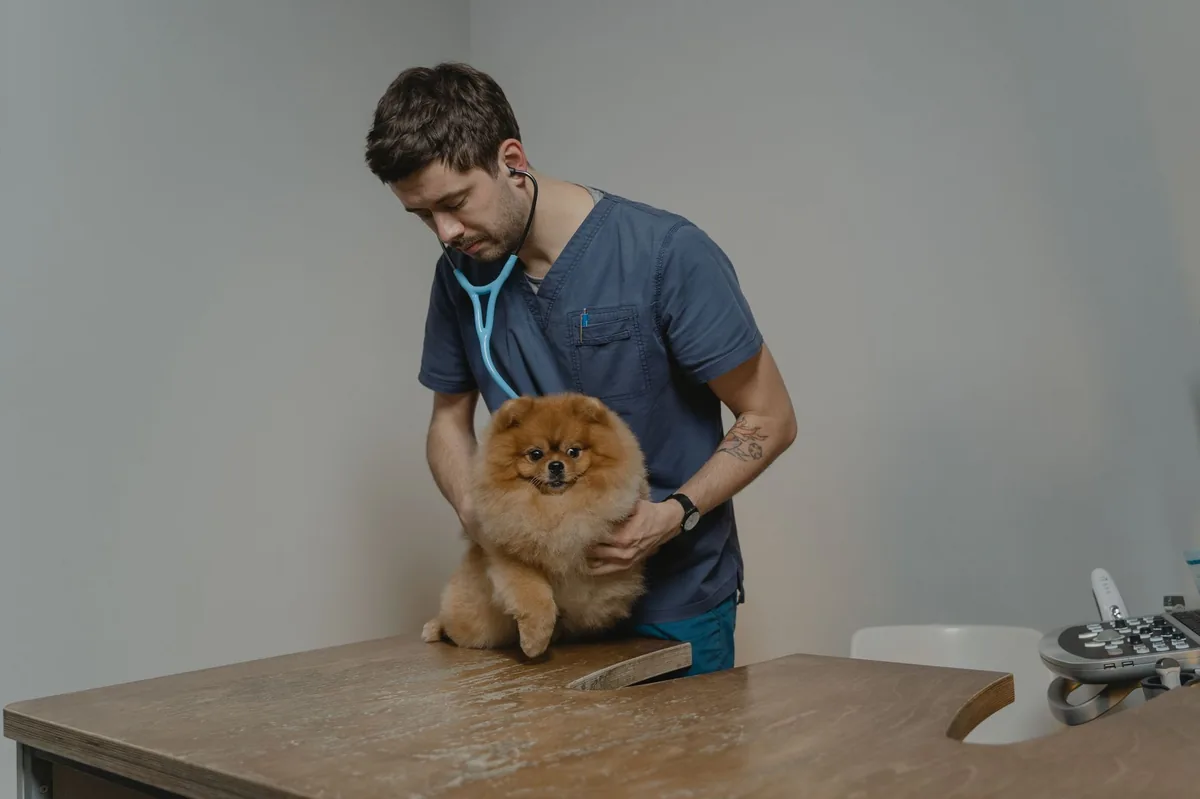
- History and physical exam: The vet will ask about recent exposures (supplements, foods, medications) and perform a full exam, checking gums, heart rhythm, and hydration.
- Blood chemistry panel: This includes a serum calcium measurement, ionized calcium, phosphorus, kidney values (creatinine, BUN), and electrolytes. Elevated total calcium >12 mg/dL (or ionized calcium >1.5 mmol/L) is diagnostic when correlated with exposure.
- Urinalysis: To assess kidney function and look for calcium crystals.
- Imaging: Radiographs may reveal soft‑tissue calcifications in kidneys, bladder, or blood vessels, which support a hypercalcemia diagnosis.
- Differential diagnosis: The vet will rule out primary hyperparathyroidism, certain cancers (e.g., lymphoma), and vitamin D toxicosis. A low parathyroid hormone (PTH) level helps differentiate poisoning (often low) from primary hyperparathyroidism (high PTH).
In severe cases, the veterinarian may also perform an electrocardiogram (ECG) to monitor heart rhythm and assess the need for immediate anti‑arrhythmic therapy.
Treatment options
Medical treatment
Rapid intervention focuses on lowering serum calcium and protecting the kidneys. Commonly used drug classes include:
- Intravenous (IV) crystalloid fluids: Large‑volume saline or lactated Ringer’s solution to promote calcium excretion.
- Loop diuretics (e.g., furosemide): Increase calcium loss via urine; used after adequate hydration.
- Bisphosphonates (e.g., pamidronate): Inhibit bone resorption and lower calcium; often administered in hospital.
- Calcitonin: A hormone that rapidly reduces calcium levels; given subcutaneously or IV.
- Glucocorticoids (e.g., prednisolone): Reduce intestinal calcium absorption and inflammation.
Ask your vet about these options; the exact protocol depends on your dog’s size, calcium level, and overall health.
Supplements and supportive care
While the primary goal is to remove excess calcium, supportive supplements can aid recovery:
- Omega‑3 fatty acids (EPA/DHA): Help reduce inflammation if kidney injury is present.
- Probiotics: Support gut health during periods of vomiting or reduced appetite.
- Kidney‑supportive supplements: Products containing antioxidants such as vitamin E or SAMe may be recommended, but only under veterinary guidance.
These are adjuncts; they do not replace the need for fluid therapy and medications.
Procedures or surgery
In rare, severe cases where calcium remains critically high despite medical therapy, veterinarians may consider:
- Hemodialysis: A specialized procedure that directly removes calcium from the blood; usually performed at a referral center.
- Plasmapheresis: An alternative to dialysis in some clinics.
Both procedures are intensive, require anesthesia, and can cost several thousand dollars. They are reserved for life‑threatening hypercalcemia that does not respond to standard treatment.
Diet and nutrition
After the acute phase, dietary management helps maintain normal calcium levels and supports kidney health. The focus is on providing high‑quality, easily digestible protein while limiting calcium and phosphorus excess.
| Food category | Do feed | Limit / Avoid |
|---|---|---|
| Commercial therapeutic diets | Renal‑support or low‑calcium formulas (e.g., prescription kidney diet) | High‑calcium kibble unless prescribed |
| Home‑cooked meals | Lean meats (chicken, turkey) without bone, cooked rice or sweet potato | Bone broth, bone meal, dairy products, cheese, yogurt |
| Treats | Low‑calcium treats made for senior dogs | Cheese sticks, calcium‑enriched biscuits, raw bones |
| Supplements | Only those prescribed by your vet (e.g., omega‑3 oils) | Over‑the‑counter calcium or vitamin D supplements unless advised |
When transitioning to a new diet, do it gradually over 5–7 days to avoid gastrointestinal upset. Start with 25 % of the new food mixed with 75 % of the current diet, increasing the new portion each day.
Hydration is critical. Offer fresh water at all times and consider adding a small amount of low‑sodium broth (without added calcium) to encourage drinking, especially if your dog is reluctant.
For puppies, keep all calcium supplements and antacids out of reach. Even a single tablet can cause toxicity in a small breed.
If your dog has an underlying kidney condition, your vet may recommend a prescription renal diet that limits both calcium and phosphorus, helps control blood pressure, and provides antioxidants to protect kidney tissue.
Cost and prognosis
Financial estimates vary widely based on severity, geographic location, and whether advanced procedures are needed.
- Initial emergency visit: $150–$300 for exam and basic labs (blood work, urinalysis).
- Hospitalization and IV fluids: $200–$600 per day.
- Medications: $50–$200 for bisphosphonates, calcitonin, or diuretics.
- Advanced procedures (dialysis): $2,000–$5,000 per session.
- Follow‑up care: $100–$250 for rechecks, repeat bloodwork, and dietary counseling.
Overall, most dogs that receive prompt treatment have a good prognosis. Survival rates exceed 80 % when calcium is lowered within the first 24 hours and kidney function remains intact. Dogs with severe kidney injury or cardiac arrhythmias may have a guarded outlook, and long‑term monitoring is essential.
Prevention and home care
Preventing accidental hypercalcemic agent ingestion is largely about securing potential sources and educating everyone in the household.
- Store supplements and medications out of reach: Use child‑proof cabinets for calcium tablets, vitamin D drops, and antacids.
- Keep bone meal and raw bones away from pets: These are high in calcium and can be tempting for curious chewers.
- Read labels: Many over‑the‑counter products list calcium carbonate as an ingredient. If you use them at home, keep them sealed.
- Supervise treats: Offer only dog‑specific treats and avoid sharing dairy or cheese without checking your dog’s tolerance.
- Educate family members: Make sure children and guests know that human supplements are not safe for dogs.
Regular veterinary wellness exams (once or twice a year) allow early detection of metabolic imbalances. If your dog has a history of kidney disease or is on a calcium‑restricted diet, discuss routine blood calcium monitoring with your vet.

Vet’s note
From our vet team: “If you suspect your dog has ingested a calcium supplement, bring the product (or a photo) with you to the clinic. Knowing the exact formulation helps us choose the most effective calcium‑lowering drugs and estimate the likely severity. Early fluid therapy is often the single most important step, so don’t hesitate to call your vet or an emergency hospital.”
Key takeaways
- Hypercalcemic agent poisoning is caused by accidental ingestion of calcium‑rich supplements, antacids, bone meal, or high‑calcium foods.
- Early signs include lethargy, excessive thirst, and pale gums; severe signs can progress to cardiac arrhythmias and kidney failure.
- Prompt veterinary care—IV fluids, diuretics, and calcium‑lowering drugs—greatly improves survival odds.
- Keep all calcium supplements, vitamin D products, and bone meals securely stored to prevent accidental exposure.
- After recovery, feed a low‑calcium, kidney‑supportive diet and maintain regular veterinary check‑ups.
Myth vs. fact
Myth: Dogs can safely eat calcium supplements meant for humans.
Fact: Human calcium tablets often contain doses many times higher than a dog’s safe limit and can quickly cause toxic hypercalcemia.
Myth: Only puppies are at risk for calcium toxicity.
Fact: Any dog, regardless of age, can develop hypercalcemia if it ingests a sufficient amount of calcium‑containing material.
Myth: Once calcium levels are high, they cannot be lowered.
Fact: Veterinary fluids, diuretics, bisphosphonates, and calcitonin effectively reduce serum calcium when administered promptly.
Frequently asked questions
How quickly does hypercalcemic agent poisoning affect a dog?
Signs can appear within 2–12 hours after ingestion, depending on the amount and form of calcium consumed.
Can over‑the‑counter calcium supplements cause hypercalcemia in dogs?
Yes. A single adult calcium carbonate tablet can deliver enough calcium to raise blood levels dangerously high, especially in small or young dogs.
Is hypercalcemic agent poisoning life‑threatening for dogs?
It can be. If left untreated, severe hypercalcemia may cause kidney failure, cardiac arrhythmias, or death, but prompt treatment usually results in a good prognosis.
What diagnostic tests confirm hypercalcemic poisoning in dogs?
Veterinarians rely on blood chemistry (total and ionized calcium), urinalysis, imaging for soft‑tissue calcifications, and measurement of parathyroid hormone to differentiate poisoning from other causes.
How much does emergency treatment for hypercalcemic poisoning cost?
Initial emergency care typically ranges from $350 to $1,000, with additional costs for hospitalization, IV fluids, medications, and possible advanced procedures like dialysis.
What foods should be avoided for dogs with hypercalcemia?
Avoid dairy products, cheese, bone meal, calcium‑enriched treats, and any human supplements containing calcium or vitamin D unless specifically prescribed by your vet.
Ask the PuppaDogs community
Have a question this article didn’t fully answer? Want to compare notes with other dog owners who’ve been through this? Our community forum is moderated by experienced owners and vets — and answers tend to come fast. Ask in the PuppaDogs community →
References
- American Animal Hospital Association (AAHA) 2023 Guidelines for Emergency and Critical Care.
- American Veterinary Medical Association (AVMA) “Calcium Toxicity in Dogs” fact sheet.
- Merck Veterinary Manual, “Hypercalcemia” chapter.
- World Small Animal Veterinary Association (WSAVA) “Veterinary Consensus on Calcium Disorders.”
- Veterinary Clinics of North America: Small Animal Practice, 2022 – “Management of Hypercalcemia in Dogs.”
- University of California, Davis School of Veterinary Medicine – “Calcium Supplement Toxicity in Dogs.”
- American College of Veterinary Internal Medicine (ACVIM) Consensus Statement on Renal Diets, 2021.
- National Institutes of Health (NIH) – “Vitamin D Toxicity.” (For cross‑reference on vitamin D related hypercalcemia.)


