












Quick take: Hyperkeratosis in dogs is a skin condition where the outer layer of skin becomes thickened, often on the foot pads or nose. It’s usually not life‑threatening, but it can cause discomfort and may signal an underlying issue. Treatment focuses on soothing the skin, addressing any root causes, and preventing recurrence.
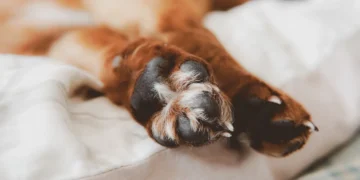
It’s 9 p.m., and you just noticed your Golden Retriever’s front paw looking dry, cracked, and a little raised—like a tiny callus. You pause the TV, pull a flashlight from the drawer, and see the pads are noticeably thicker than they were a week ago. The worry spikes: “Is this something serious? Do I need to call the vet right now?” You’re not alone; many owners first spot hyperkeratosis when a beloved dog’s paws or nose start to look rough.
Hyperkeratosis is a common, though often misunderstood, skin change in dogs. While it can be a standalone issue, it frequently points to genetics, environmental factors, or an underlying health problem. In this article we’ll explain what hyperkeratosis is, why it happens, how to recognize it, when to seek urgent care, how vets diagnose it, and what treatment, diet, and prevention steps you can take. We’ll also cover cost expectations, breed predispositions, and answer the most‑asked questions.
Our goal is to give you clear, actionable information so you can feel confident managing your dog’s skin health—whether that means a simple home remedy or a visit to the clinic. Read more about common skin issues here.
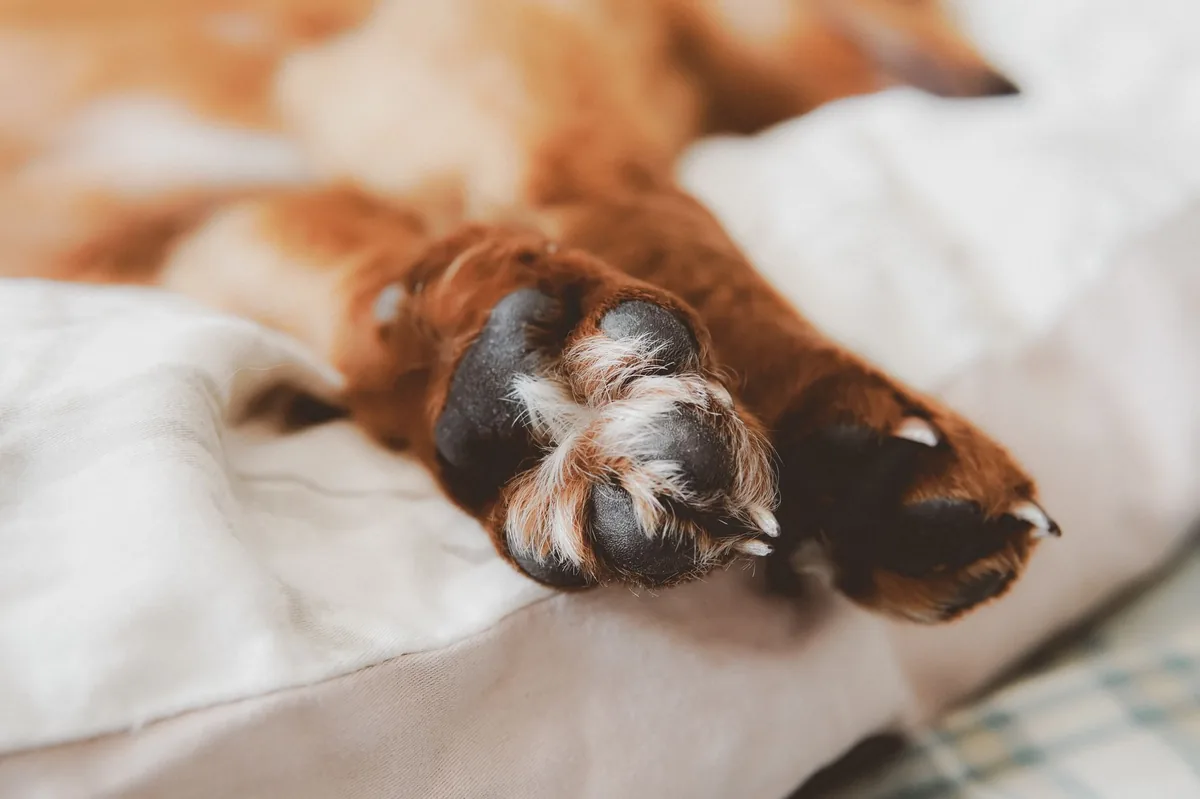
What is hyperkeratosis in dogs?
Hyperkeratosis (pronounced “high‑per‑ker‑oh‑SIS”) is the medical term for an overproduction of keratin, the protein that makes up the outermost layer of skin, hair, and nails. In dogs, this excess keratin shows up as a thick, rough, sometimes scaly plaque on areas such as the foot pads, nose, lips, or ear margins. The condition can be focal (affecting just one spot) or more widespread.
It’s fairly common—studies from the American College of Veterinary Dermatology (ACVD) estimate that up to 10 % of dogs seen for skin complaints have some form of hyperkeratosis. Most cases are mild and manageable, but severe thickening can crack, bleed, or become painful, especially on the paws where the dog bears weight.
What causes hyperkeratosis?
Hyperkeratosis is rarely caused by a single factor. The most frequent contributors fall into three broad categories:
| Category | Typical Triggers |
|---|---|
| Genetic predisposition | Breeds such as Greyhounds, Doberman Pinschers, and Boxers often develop hereditary hyperkeratosis. |
| Environmental & mechanical irritation | Rough terrain, frequent walking on hot pavement, or exposure to chemicals (e.g., de‑icing salts) can damage the pad skin, prompting a thickening response. |
| Underlying medical conditions | Hormonal imbalances (hypothyroidism, Cushing’s disease), nutritional deficiencies, chronic allergies, or autoimmune skin diseases can stimulate excess keratin production. |
In many puppies, the condition is simply a developmental phase that resolves as the skin matures. In senior dogs, reduced skin elasticity and slower cell turnover can make hyperkeratosis more persistent.
Signs and symptoms
Owners usually notice hyperkeratosis when the skin looks visibly different from normal. Early and mild signs include:
- Dry, rough texture on foot pads, nose, or lips.
- Light gray or yellowish discoloration.
- Small raised plaques or callus‑like areas.
As the condition progresses, you may see moderate to severe changes:
| Severity | What you might see |
|---|---|
| Mild | Dry patches, slight thickening, no pain. |
| Moderate | Noticeable plaques, occasional cracking, mild discomfort when walking. |
| Severe | Thick, hard pads that crack or bleed, limping, obvious pain, secondary infections. |
Other symptoms can include a change in gait, reluctance to run or climb stairs, and occasional licking or chewing at the affected area. If the hyperkeratosis is on the nose, you might see a cracked or flaky muzzle that can become raw.
When to call your vet
Call your vet today if you notice any of the following:
- Thickened skin that is dry but not yet cracking.
- Redness or mild swelling around the affected area.
- Any change in your dog’s gait or reluctance to walk.
Go to an emergency veterinary hospital right now if you see:
- Deep cracks that are bleeding or oozing.
- Sudden, severe limping or refusal to bear weight on a paw.
- Signs of infection such as pus, foul odor, or swelling that feels hot to the touch.
These red‑flag signs can indicate secondary infection or acute pain that needs prompt treatment. Remember, this article is for information only; it does not replace a hands‑on veterinary exam.
How vets diagnose hyperkeratosis
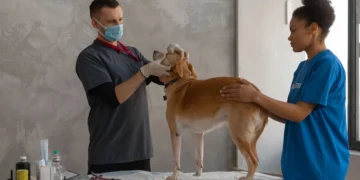
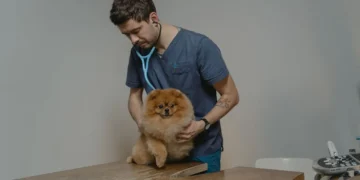
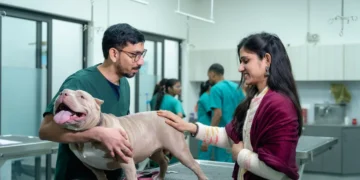
Diagnosing hyperkeratosis starts with a thorough history and physical exam. Your vet will ask about:
- Onset and progression of the skin changes.
- Recent changes in diet, environment, or activity level.
- Any known allergies, hormonal disorders, or medications.
Typical diagnostic steps include:
- Skin scrapings – to rule out mites or fungal infections that can mimic thickened skin.
- Biopsy – a small sample of the affected skin is examined under a microscope. This helps differentiate hyperkeratosis from other disorders like ichthyosis or pemphigus.
- Blood work – a CBC and chemistry panel can uncover hormonal issues (e.g., hypothyroidism) or systemic disease.
- Allergy testing – if an underlying allergy is suspected, intradermal skin testing or serum IgE panels may be recommended.
The American Veterinary Medical Association (AVMA) notes that a definitive diagnosis often requires a combination of visual assessment and laboratory testing, especially when the cause is not obvious.
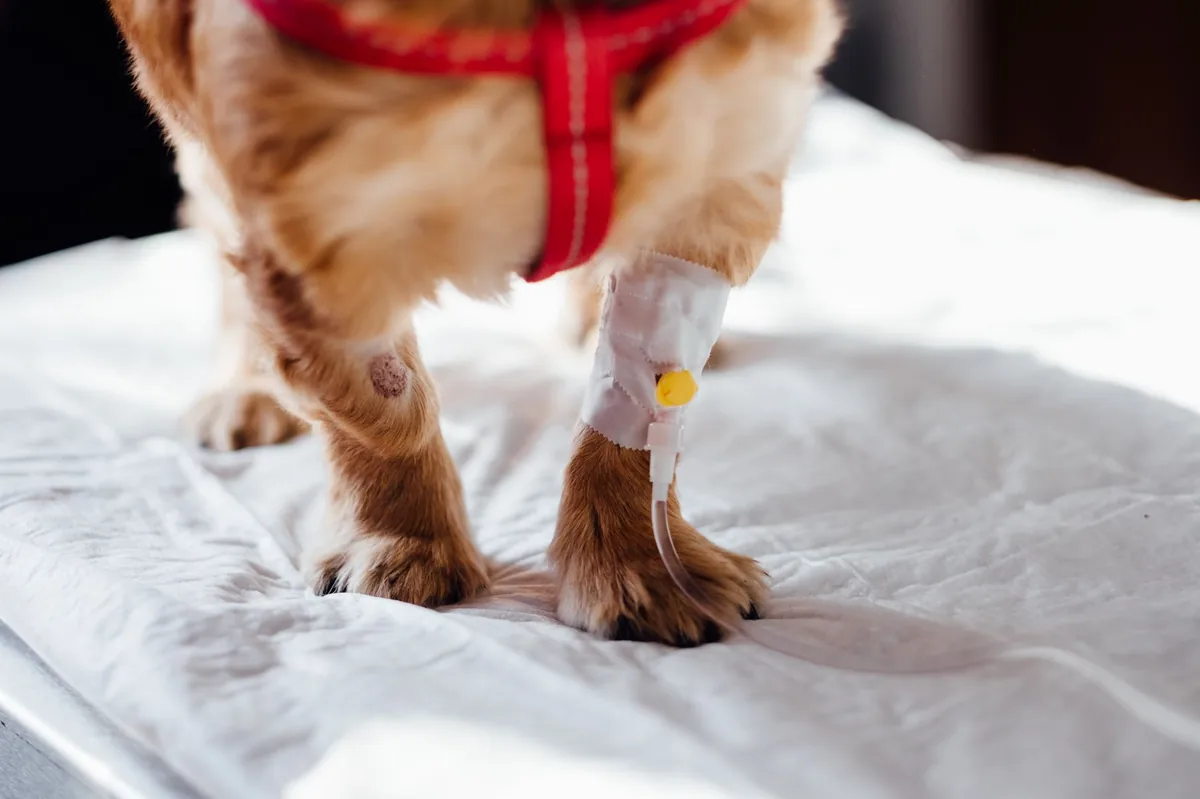
Treatment options
Medical treatment
When hyperkeratosis is linked to an underlying disease, treating that condition is the cornerstone of therapy. Common medical approaches include:
- Topical keratolytics – ointments containing salicylic acid or urea can soften excess keratin. Ask your vet about these options.
- Anti‑inflammatory meds – non‑steroidal anti‑inflammatory drugs (NSAIDs) such as carprofen or meloxicam may reduce discomfort. Your vet will dose based on weight and severity.
- Hormone therapy – if hypothyroidism is identified, levothyroxine supplementation is standard. For Cushing’s disease, appropriate endocrine drugs are used.
- Antibiotics or antifungals – prescribed if secondary bacterial or fungal infection develops.
All prescription medications should be discussed with your vet; never start or stop a drug without professional guidance.
Supplements and supportive care
Evidence‑based supplements can aid skin health and reduce inflammation:
- Omega‑3 fatty acids (EPA/DHA) – found in fish‑oil supplements, these can improve skin barrier function and lessen dryness. Look for products with ≥ 500 mg EPA per dose.
- Biotin – a B‑vitamin that supports keratin formation; a daily dose of 0.5 mg per kilogram of body weight is typical, but ask your vet for the right amount.
- Probiotics – a healthy gut can influence skin health. A canine‑specific probiotic with Lactobacillus and Bifidobacterium strains may be beneficial.
Supplements are adjuncts, not replacements for medical therapy. They work best when paired with proper skin care and any needed prescription treatment.
Procedures or surgery
In rare, severe cases where the pad becomes excessively thick and painful, a veterinarian may perform a pad debridement—a minor surgical removal of the hardened keratin. This is usually done under sedation, followed by a short recovery period of 1‑2 weeks. Costs for a debridement procedure in the United States range from $300 to $800, while in the United Kingdom the typical fee is £250‑£600.
Diet and nutrition
Nutrition plays a supportive role in managing hyperkeratosis. While no single “cure” diet exists, certain feeding strategies can improve skin elasticity and reduce excessive keratin buildup.
- High‑quality protein – Dogs need digestible animal protein to maintain healthy skin. Look for foods where meat is the first ingredient and that meet AAFCO standards.
- Balanced fatty acids – Omega‑3 and omega‑6 fatty acids help keep the skin supple. Commercial diets labeled “with added fish oil” or “rich in omega‑3” are good choices.
- Limited copper – Excess copper can exacerbate some skin disorders. If your dog is on a therapeutic diet for a liver condition, ensure copper levels are appropriate.
- Hydration – Adequate water intake supports overall skin health. Fresh water should be available at all times.
Foods to limit or avoid include:
| Do feed | Limit | Avoid |
|---|---|---|
| Cooked lean meats (chicken, turkey) | Raw bones (risk of splintering) | Highly processed snacks with artificial preservatives |
| Fish oil supplement (per vet guidance) | Excessive dairy (can cause GI upset) | High‑salt treats (can dry skin) |
| Fresh vegetables (carrots, green beans) | Large amounts of grain (if dog has sensitivities) | Cooked fatty foods (e.g., bacon) |
Transitioning to a new diet should be done gradually over 7‑10 days to avoid gastrointestinal upset. Start with 25 % new food mixed with 75 % current diet, and increase the new food proportion each few days.
If your dog has an underlying hormonal disorder, your vet may recommend a therapeutic diet such as a “renal‑support” or “hypothyroidism‑support” formula. These are formulated to meet specific nutrient profiles without overloading the skin with irritating ingredients.
For senior dogs, a diet richer in joint‑support nutrients (glucosamine, chondroitin) can also help, as reduced mobility sometimes leads to increased pad wear and hyperkeratosis.
Cost and prognosis
Financial considerations vary by region and severity. Below is a rough estimate of typical expenses:
| Service | US (estimate) | UK (estimate) |
|---|---|---|
| Initial veterinary exam | $50‑$100 | £40‑£80 |
| Skin scrape & basic lab work | $80‑$150 | £60‑£120 |
| Biopsy (if needed) | $200‑$400 | £150‑£300 |
| Topical keratolytic prescription | $30‑$70 | £25‑£60 |
| Omega‑3 supplement (monthly) | $15‑$30 | £12‑£25 |
| Pad debridement surgery (rare) | $300‑$800 | £250‑£600 |
Overall, most dogs with mild to moderate hyperkeratosis respond well to topical care and environmental management, leading to a good prognosis. When an underlying disease is present, the outlook depends on that condition’s treatability. For example, hypothyroidism‑related hyperkeratosis often resolves within weeks of hormone therapy.
Owners who catch the condition early and follow a consistent skin‑care routine typically see improvement within 4‑6 weeks. Severe cases may require longer treatment and periodic re‑evaluation.
Prevention and home care
Preventing hyperkeratosis is about minimizing irritation and supporting skin health:
- Regular paw inspections – After walks, especially on hot pavement or icy roads, check pads for cracks or debris.
- Moisturize when needed – Use a vet‑approved paw balm or a thin layer of coconut oil on dry pads.
- Protective footwear – For dogs that walk on abrasive surfaces, consider dog booties or paw waxes.
- Maintain a healthy weight – Overweight dogs place extra pressure on their pads, increasing wear.
- Annual wellness exams – Routine blood work can detect hormonal imbalances early, allowing prompt treatment.
For senior dogs, a gentle, non‑slipping surface in the home (e.g., rubber mat) reduces pad strain. Routine grooming, including nail trimming, also prevents uneven pressure that can trigger hyperkeratosis.
Vet’s note
From our vet team: “Hyperkeratosis often looks alarming, but with the right combination of topical care, diet, and addressing any hidden health issues, most dogs bounce back nicely. Keep a close eye on your dog’s gait and pad condition, and don’t hesitate to call us if cracks appear or the dog seems uncomfortable. Early intervention makes the biggest difference.”
Key takeaways
- Hyperkeratosis is a thickening of the skin’s outer layer, most often seen on foot pads or the nose.
- Common triggers include genetics, environmental irritation, and hormonal or allergic disorders.
- Early signs are dry, rough patches; severe cases can crack, bleed, and cause pain.
- Topical keratolytics, omega‑3 supplements, and treating any underlying disease are the main treatment pillars.
- Regular paw checks, moisturization, and protective footwear help prevent recurrence.
- Typical treatment costs range from $80 to $800 in the US, depending on diagnostics and severity.
Myth vs. fact
Myth: Hyperkeratosis is always a sign of a serious disease.
Fact: While it can indicate an underlying problem, many cases are simply a response to mechanical irritation and are treatable with basic skin care.
Myth: You can cure hyperkeratosis with over‑the‑counter creams alone.
Fact: OTC products may soothe mild cases, but veterinary‑prescribed keratolytics and addressing root causes are often needed for lasting improvement.
Myth: Only senior dogs get hyperkeratosis.
Fact: Puppies can develop temporary hyperkeratosis as their skin matures, and some adult breeds have a genetic predisposition regardless of age.
Frequently asked questions
What are the signs of hyperkeratosis in dogs?
The most common signs are dry, thickened skin on the pads, nose, or lips, often with a grayish or yellowish hue. As it progresses, cracks, bleeding, or pain while walking may appear.
Can hyperkeratosis be cured in dogs?
While “cure” is a strong word, most dogs improve dramatically with proper treatment and management. The condition can be controlled, and skin often returns to normal once the underlying cause is addressed.
Is hyperkeratosis painful for dogs?
Early hyperkeratosis usually isn’t painful, but cracked or ulcerated pads can cause significant discomfort. If your dog limps or avoids walking, it’s a sign that pain may be present.
What causes hyperkeratosis in a dog’s paws?
Paw hyperkeratosis often results from repeated friction on rough surfaces, exposure to chemicals, or underlying hormonal issues like hypothyroidism. Breed genetics also play a role.
How much does treatment for hyperkeratosis cost?
Typical costs in the United States range from $80 for a basic exam and topical medication to $800 for advanced diagnostics or surgical debridement. In the United Kingdom, estimates run from £80 to £600.
Are certain dog breeds more prone to hyperkeratosis?
Yes. Greyhounds, Doberman Pinschers, Boxers, and certain German Shepherd lines have a higher genetic predisposition. However, any breed can develop hyperkeratosis if environmental factors are present.
Ask the PuppaDogs community
Have a question this article didn’t fully answer? Want to compare notes with other dog owners who’ve been through this? Our community forum is moderated by experienced owners and vets — and answers tend to come fast. Ask in the PuppaDogs community →
References
- American College of Veterinary Dermatology (ACVD). “Skin Conditions in Dogs.” 2023.
- American Animal Hospital Association (AAHA). “Guidelines for Canine Dermatology.” 2022.
- Merck Veterinary Manual. “Hyperkeratosis” entry. 2024 edition.
- American Veterinary Medical Association (AVMA). “Diagnostic Approach to Canine Skin Disorders.” 2023.
- Cornell University College of Veterinary Medicine. “Canine Skin Health.” 2022.
- World Small Animal Veterinary Association (WSAVA). “Nutritional Recommendations for Skin Health.” 2023.
- UK Veterinary Association. “Cost of Veterinary Services.” 2023.
- American Association of Feed Control Officials (AAFCO). “Dog Food Nutrient Profiles.” 2022.
- National Institutes of Health (NIH). “Omega‑3 Fatty Acids and Skin Health.” 2021.
- Veterinary Dermatology Textbook, 3rd Edition. Elsevier, 2022.


