
















Quick take: H3N2 canine influenza is a contagious respiratory virus that can cause fever, cough, and lethargy. Most dogs recover with prompt veterinary care, but seniors and puppies may need extra support. Early detection, proper diagnostics, and supportive treatment are key to a smooth recovery.
It’s 9 p.m. and you notice your three‑year‑old mixed‑breed Labrador, Bella, dragging her paws across the kitchen floor, ears flat, and her usual enthusiastic tail wag gone. When you lift her muzzle, her gums look a shade paler than usual and she lets out a soft, hacking cough. Your heart races, and you start scrolling through “dog cough” articles on your phone, hoping the answer isn’t something you can’t fix at home.
We’ve seen many owners describe that exact moment: a sudden drop in energy, a dry cough, and the unsettling feeling that your dog’s health has taken a turn. The good news is that, with H3N2 flu, timely veterinary evaluation and supportive care can often prevent complications. In this guide we’ll walk through what H3N2 flu is, how to spot it early, what your vet will do to confirm it, and the most effective ways to treat and prevent it—all while keeping an eye on cost and recovery.

What is H3N2 flu in dogs?
H3N2 canine influenza is an influenza A virus that originally jumped from birds to dogs. The “H3” and “N2” refer to the specific proteins on the virus surface that allow it to attach to and enter cells. In dogs, the virus targets the respiratory tract, causing inflammation much like the flu in humans. While H3N8 (the “North American” strain) is more common in the United States, H3N2 has been reported in the Midwest, the South, and parts of Asia, often spreading quickly in multi‑dog environments such as shelters or kennels.
According to the American Animal Hospital Association (AAHA), outbreaks of H3N2 flu affect anywhere from a few dozen to several hundred dogs per year, depending on regional exposure and vaccination rates. The virus is highly contagious but typically causes mild to moderate illness in healthy adult dogs; puppies, senior dogs, and dogs with underlying health issues are at higher risk for severe pneumonia.
What causes it?
- Bird‑to‑dog transmission: Wild waterfowl or domesticated poultry can shed the virus in their droppings, which dogs may inhale or ingest.
- Dog‑to‑dog spread: Direct contact (nose‑to‑nose, shared water bowls) and aerosolized droplets from coughing are the primary ways the virus moves between dogs.
- Risk factors: High‑density housing (shelters, boarding facilities), recent travel to areas with known outbreaks, and lack of vaccination increase susceptibility.
- Breed considerations: No single breed is immune, but brachycephalic (short‑nosed) breeds may experience more severe airway irritation.
Signs and symptoms
Symptoms can appear 2–5 days after exposure. Early signs are often subtle, while severe disease progresses quickly. Below is a quick reference to help you gauge what you’re seeing.
| Stage | Typical signs |
|---|---|
| Mild | Low‑grade fever (101–103 °F), mild cough, slight nasal discharge, reduced playfulness. |
| Moderate | Persistent cough, watery eyes, loss of appetite, lethargy, mild difficulty breathing. |
| Severe | High fever (>104 °F), rapid shallow breathing, bluish gums, vomiting, diarrhea, collapse. |
Key early clues include a dry “hack” cough, a slight runny nose, and a noticeable drop in enthusiasm for walks or meals. If your dog develops rapid breathing, pale or blue‑tinged gums, or stops eating altogether, the situation has moved into the severe category and warrants immediate emergency care.
When to call your vet
Call your vet today if you notice any of the following:
- Persistent cough lasting more than 24 hours.
- Fever (you can feel warmth on the ears or paws).
- Loss of appetite lasting over 12 hours.
- Lethargy or reluctance to move.
Go to an emergency veterinary hospital right now if you see any red‑flag signs:
- Rapid or labored breathing, especially if the chest looks tense.
- Blue or very pale gums.
- Vomiting or diarrhea combined with weakness.
- Collapse or seizures.
These guidelines are meant to help you act quickly; they are not a substitute for professional veterinary care. If you’re ever unsure, err on the side of contacting your vet.
How vets diagnose it
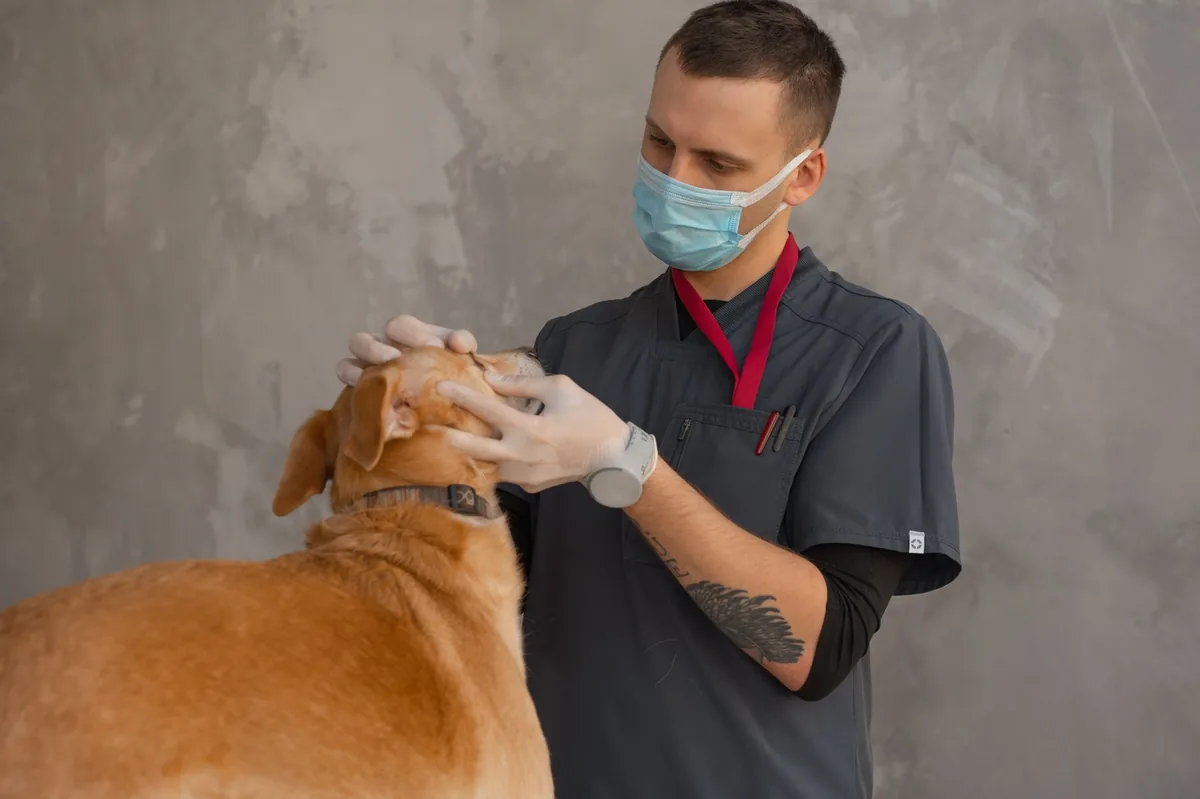
Diagnosis starts with a thorough history—ask yourself when you first noticed symptoms and whether your dog has been around other dogs or birds recently. The veterinarian will then perform a physical exam, listening for lung sounds and checking temperature.
Key diagnostic tools include:
- Polymerase chain reaction (PCR) test: A swab from the nose or throat is analyzed for viral RNA. PCR is the gold standard because it’s highly sensitive and can differentiate H3N2 from other strains.
- Viral culture: Less common, but can be used in research labs to grow the virus from a sample.
- Chest radiographs (X‑rays): Reveal pneumonia or fluid accumulation, helping assess severity.
- Complete blood count (CBC): May show a mild leukopenia (low white‑blood cell count) or elevated neutrophils if a secondary bacterial infection is present.
These tests together give a clear picture of whether the flu is the primary problem or if bacterial complications are developing.
Treatment options
Medical treatment
Antiviral therapy is not routinely required for mild cases, but oseltamivir (Tamiflu) is sometimes prescribed for high‑risk dogs (puppies, seniors, or those with compromised immunity). Your vet will decide the dosage based on weight and severity—always ask your vet about this option.
Because bacterial pneumonia can follow viral flu, many vets prescribe a broad‑spectrum antibiotic such as amoxicillin‑clavulanate or doxycycline to prevent or treat secondary infections. Anti‑inflammatory drugs (NSAIDs like carprofen) help reduce fever and discomfort, but they should only be given under veterinary guidance.
Cough suppressants are rarely needed unless the cough is dry and non‑productive; a vet may recommend a low‑dose hydrocodone‑based medication for comfort.
Supplements and supportive care
While supplements can’t cure the virus, they can aid recovery:
- Omega‑3 fatty acids (EPA/DHA): Reduce inflammation in the lungs and support overall immune health.
- Probiotics: Help maintain gut flora, especially when antibiotics are used.
- Vitamin C or NAC (N‑acetylcysteine): Antioxidant support may assist with respiratory health, though evidence is modest.
Always discuss supplement choices with your vet to avoid interactions with prescribed medications.
Procedures or surgery
Most cases resolve with medical management, but severe pneumonia may require hospitalization for oxygen therapy, nebulization, or even mechanical ventilation. In rare cases where fluid builds up in the chest (pleural effusion), a thoracocentesis (needle drainage) may be performed. Hospital stays typically range from 1–5 days, depending on the dog’s response.

Diet and nutrition
Nutrition plays a pivotal role during flu recovery. Your dog’s digestive system may be sensitive, so offering highly digestible, nutrient‑dense meals can prevent weight loss and support immunity. Below are practical feeding guidelines you can apply tonight.
- Choose easily digestible protein: Boiled chicken breast, turkey, or lean beef (no skin or fat) provides the building blocks for tissue repair.
- Include a carbohydrate source: White rice or cooked sweet potato supplies gentle energy without overloading the stomach.
- Add moisture: Warm broth (low‑sodium chicken or beef) encourages hydration and makes food more aromatic, which can stimulate a poor appetite.
- Incorporate omega‑3s: A teaspoon of fish oil per 20 lb of body weight can help calm lung inflammation.
- Avoid irritants: Skip spicy, fatty, or heavily seasoned foods, and steer clear of raw bones until the cough resolves.
Many owners wonder whether to switch to a prescription “respiratory” diet. While some commercial therapeutic diets (e.g., “high‑calorie, low‑fat” formulas) can be beneficial, they are not a requirement for every case. If your dog is a picky eater, a temporary home‑made blend—protein, rice, and a splash of broth—often works well.
Transitioning back to regular kibble should be gradual. Start by mixing a small amount of the regular food into the soft diet, increasing the proportion over 3–5 days as your dog’s appetite improves. Monitor stool consistency; a sudden change to loose stools may indicate the need for a probiotic supplement.
| What to feed | Limit | Avoid |
|---|---|---|
| Boiled chicken, turkey, lean beef | Small amounts of cottage cheese | Fatty meats, bacon, processed snacks |
| White rice, sweet potato, pumpkin puree | Low‑sodium broth (max 2 cups/day) | Spicy or heavily seasoned foods |
| Fish oil or omega‑3 supplement (as directed) | Plain yogurt (if tolerated) | Raw bones, raw diets until cough resolves |
Keep fresh water available at all times, and consider offering water with a splash of low‑sodium broth if your dog seems reluctant to drink. Hydration helps thin mucus and supports the immune system.
Cost and prognosis
Financial considerations are part of any pet health decision. Typical costs for H3N2 flu in the United States range from $200–$500 for an uncomplicated outpatient visit (exam, PCR test, and basic meds). If antibiotics, antiviral therapy, and follow‑up labs are added, the bill can climb to $800–$1,200. Hospitalization for severe pneumonia often costs $1,500–$3,500, depending on length of stay and intensive care needs.
In the United Kingdom, outpatient care usually falls between £150–£300, with hospital stays ranging from £800–£2,000. These figures are estimates; exact prices vary by clinic and region.
Prognosis is generally good for healthy adult dogs: most recover fully within 2–3 weeks. Puppies and senior dogs have a higher risk of complications, with mortality rates reported up to 10 % in severe cases (AAHA 2022 Canine Influenza Summary). Early treatment and diligent supportive care dramatically improve outcomes.
Prevention and home care
Vaccination is the cornerstone of flu prevention. The USDA‑approved H3N2 vaccine (often combined with H3N8 in a “dual‑strain” shot) is recommended for dogs at higher risk—those that board, attend daycare, or live in multi‑dog households. Talk to your vet about timing; the initial series requires two doses 2–4 weeks apart, followed by an annual booster.
Beyond vaccines, simple hygiene practices curb spread:
- Isolate sick dogs: Keep an infected dog separate from other pets for at least 10 days after symptoms subside.
- Disinfect shared surfaces: Use a diluted bleach solution (1 part bleach to 32 parts water) on food bowls, toys, and bedding.
- Hand hygiene: Wash hands before and after handling each dog, especially after a cough or sneeze.
- Limit exposure: Avoid dog parks and crowded dog events during known outbreaks.
For multi‑dog homes, rotate daily outdoor walks so that healthy dogs aren’t exposed to a sick sibling’s environment until the entire household has cleared the virus. Regular veterinary wellness exams (every 6–12 months) also help catch early respiratory issues before they become severe.
From our vet team: “If you catch the flu early, most dogs bounce back quickly with rest, fluids, and a few days of medication. The biggest mistake owners make is waiting too long to call the vet—by the time the cough becomes harsh, the lungs may already be inflamed. A prompt PCR test and a short course of antibiotics can make the difference between a quick recovery and a prolonged hospital stay.”
Key takeaways
- H3N2 flu spreads easily; early signs are fever, cough, and lethargy.
- Contact your vet promptly if symptoms persist or worsen; seek emergency care for rapid breathing or pale gums.
- Diagnosis relies on PCR testing and chest X‑rays; treatment includes antivirals, antibiotics, and supportive care.
- Feed soft, digestible foods with added moisture and omega‑3s to aid recovery.
- Vaccination, isolation, and thorough cleaning are the most effective ways to prevent future outbreaks.
Myth vs. fact
Myth: Over‑the‑counter human cold medicines are safe for dogs.
Fact: Many human cold remedies contain ingredients toxic to dogs (e.g., acetaminophen, decongestants). Always ask your vet before giving any medication.
Myth: If my dog looks fine after a day of coughing, the flu is gone.
Fact: H3N2 can linger in the respiratory tract for weeks; a full course of veterinary‑prescribed treatment is needed to clear the virus.
Frequently asked questions
How do I know if my dog has H3N2 flu?
Look for a combination of fever, dry cough, nasal discharge, and reduced appetite, especially after exposure to other dogs or birds. A definitive diagnosis requires a PCR test performed by your veterinarian.
What is the mortality rate of H3N2 influenza in dogs?
Most healthy adult dogs recover fully, with a mortality rate under 5 %. Puppies, senior dogs, and those with compromised immune systems face higher risks, with reported mortality up to 10 % in severe pneumonia cases (AAHA 2022).
Are there vaccines available for H3N2 flu in dogs?
Yes. A USDA‑approved vaccine covering H3N2 (often combined with H3N8) is available and recommended for dogs that frequently socialize, board, or live in multi‑dog households. Discuss the schedule with your vet.
Can I give my dog over‑the‑counter cold medicine for H3N2?
No. Human cold medicines often contain substances toxic to dogs. Always consult your veterinarian before giving any medication, even if it’s “just a cough suppressant.”
How contagious is H3N2 flu between dogs?
The virus spreads easily through respiratory droplets and direct contact. In a shelter or boarding setting, an infected dog can infect 70–90 % of nearby dogs within days if proper hygiene isn’t practiced.
What follow‑up care is needed after a dog recovers from H3N2?
Schedule a re‑check 7–10 days after treatment ends to confirm the virus has cleared and to assess lung health. Continue supportive nutrition, monitor for any lingering cough, and keep vaccinations up to date.
Ask the PuppaDogs community
Have a question this article didn’t fully answer? Want to compare notes with other dog owners who’ve been through this? Our community forum is moderated by experienced owners and vets — and answers tend to come fast. Ask in the PuppaDogs community →
References
- AAHA. 2022 Canine Influenza Guidelines.
- American Veterinary Medical Association (AVMA). Canine Influenza Virus Overview.
- Merck Veterinary Manual. Influenza in Dogs.
- World Small Animal Veterinary Association (WSAVA). Vaccination Recommendations for Dogs.
- Cornell University College of Veterinary Medicine. H3N2 Influenza Diagnostic Protocols.
- UC Davis School of Veterinary Medicine. Supportive Care for Respiratory Infections in Dogs.
- Plumb’s Veterinary Drug Handbook. Antiviral and Antibiotic Use in Canine Patients.
- American College of Veterinary Internal Medicine (ACVIM). Respiratory Disease in Companion Animals.


