













Quick take: Histiocytoma is a harmless, fast‑growing skin bump that shows up most often in puppies and young dogs. It usually disappears on its own within a few weeks, but a vet can confirm it and, if needed, remove it surgically. Cost is modest and prognosis is excellent.
It’s 9 p.m., you’re scrolling through your phone, and the tiny, shiny lump on your 4‑month‑old Beagle’s chin looks a little bigger than yesterday. You’ve never seen anything like it before, and a quick search returns a flood of scary words like “cancer” and “malignant.” Your heart races, but you remember the last time you read about a similar bump that simply fell off on its own. You wonder: is this something to worry about, or can you just watch and wait?
Many owners describe that exact moment – a new, rapidly growing bump that seems to appear out of nowhere. In most cases the bump is a histiocytoma, a common, benign skin tumor of young dogs. While it can look alarming, the good news is that histiocytomas are usually harmless and resolve without treatment. In this article we’ll explain exactly what a histiocytoma is, how to tell it apart from more serious skin tumors, when you should call the vet, what treatment options exist, how much they cost, and how to care for your pup during recovery.
What is histiocytoma in dogs?
A histiocytoma is a benign (non‑cancerous) tumor that arises from a type of immune cell called a histiocyte, which lives in the skin’s outer layer. These cells normally help fight infection, but in a histiocytoma they grow into a small, round bump. Histiocytomas are the most common skin tumor in puppies and young dogs, especially between 6 months and 2 years of age.
What causes histiocytoma in dogs?
The exact trigger that makes histiocytes turn into a tumor isn’t fully understood, but several factors appear to increase the odds.
- Age: Puppies and young adults have the highest incidence.
- Breed predisposition: Boxers, Boston Terriers, Beagles, and Labrador Retrievers are reported more often.
- Genetics: Certain families seem to inherit a tendency toward skin tumors.
- Immune stimulation: Minor skin injuries or infections can sometimes precede a histiocytoma.
Signs and symptoms
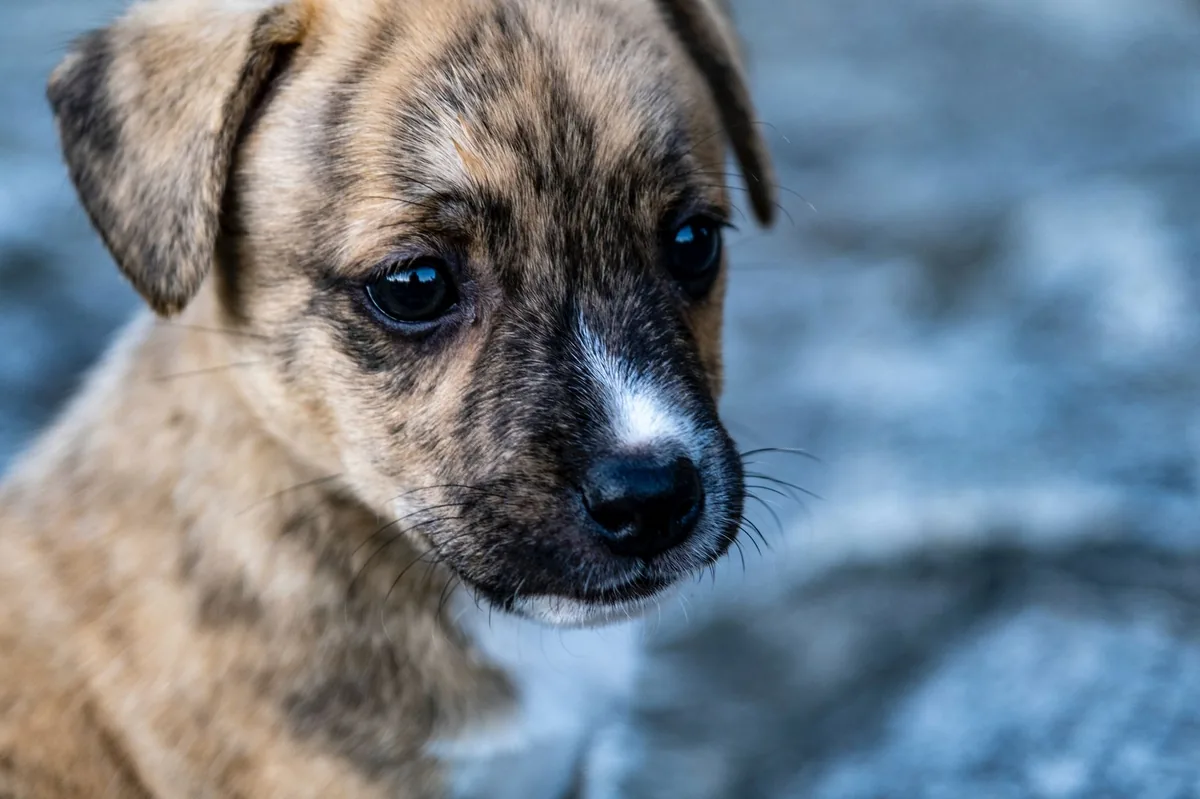
Histiocytomas typically appear as smooth, dome‑shaped bumps that are pink, red, or flesh‑colored. They grow quickly—often doubling in size within a few days—but stop expanding after reaching 1–2 cm. Most common locations are the head, ears, neck, and paws.
| Stage | Typical signs |
|---|---|
| Mild | Small (≤5 mm), smooth, non‑painful bump; no ulceration. |
| Moderate | Rapid growth to 1 cm, bright pink/red color, may be slightly raised. |
| Severe | Stagnant size >2 cm, ulcerated or crusted surface, occasional itching. |
When to call your vet
Most histiocytomas are harmless, but there are red‑flag signs that warrant a prompt veterinary visit.
- Call your vet today: bump is larger than 2 cm, painful to touch, or has started to ulcerate.
- Go to an emergency clinic now: sudden bleeding, rapid swelling, or signs of infection (pus, foul odor).
Remember, this article is for information only and does not replace a hands‑on exam. If you’re ever unsure, give your vet a call.
How vets diagnose it
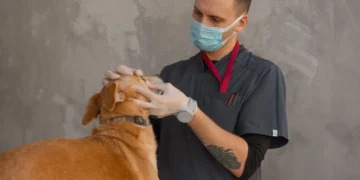
Veterinarians rely on a combination of visual inspection and simple diagnostic tests to confirm a histiocytoma.
- Physical exam: The vet assesses size, shape, and growth pattern.
- Fine‑needle aspiration (FNA): A thin needle extracts cells for microscopic review; histiocytes have a characteristic appearance.
- Biopsy: If the FNA is inconclusive, a small piece of tissue is removed for a definitive diagnosis.
These tests are quick, low‑cost, and usually performed in‑clinic. For more on diagnostic steps, see our Dog Questions Answered guide.
Treatment options
Because histiocytomas are benign, many veterinarians recommend a “watch‑and‑wait” approach, especially if the bump is small and not causing problems.
Medical treatment
When owners want to speed up resolution or the tumor is in a problematic spot, doctors may use medications:
- Corticosteroids: Drugs like prednisone can shrink inflammation and may hasten regression. Ask your vet about this option.
- Topical immunomodulators: Agents such as imiquimod have been used off‑label; discuss suitability with your vet.
Supplements and supportive care
While supplements won’t cure a histiocytoma, they can aid skin health and immune function during the healing phase:
- Omega‑3 fatty acids (EPA/DHA): Found in fish oil, they reduce skin inflammation and support overall skin integrity.
- Probiotics: Maintaining gut health can help the immune system respond appropriately; a daily canine‑specific probiotic is a safe addition.
Always ask your vet before adding any supplement to ensure it doesn’t interact with other medications.
Procedures or surgery
If the bump is large, ulcerated, or located where it could cause irritation (e.g., on a paw pad), removal is straightforward:
- Surgical excision: The tumor is cut out under local or general anesthesia. Healing usually takes 7–10 days.
- Cryotherapy: Freezing the bump with liquid nitrogen can destroy the cells; often used for smaller lesions.
- Laser ablation: A precise laser removes the growth with minimal bleeding.
Most procedures cost between $150–$400 in the U.S. and £120–£300 in the U.K., depending on the method and geographic location. Recovery is typically uncomplicated, and the scar often fades over time.
Diet and nutrition
Nutrition won’t change a histiocytoma’s course, but feeding a balanced diet supports overall skin health and immune function, which can help the bump regress more comfortably.
Focus on high‑quality protein, essential fatty acids, and antioxidants. These nutrients keep the skin resilient, reduce inflammation, and give your pup the energy needed for rapid healing.
| Food category | Do feed | Limit | Avoid |
|---|---|---|---|
| High‑quality kibble | Complete, AAFCO‑approved diets with real meat | Low‑fat treats | Grain‑free novelty foods with excessive fillers |
| Fresh foods | Cooked lean chicken, turkey, or fish (no bones) | Raw eggs (risk of salmonella) | Onion, garlic, grapes, or raisins (toxic) |
| Supplements | Fish oil (EPA/DHA) 1 000 mg per 20 lb body weight | Excessive vitamin A | Human multivitamins |
If your dog is on a therapeutic diet—such as a prescription skin‑support formula recommended for allergies—continue it unless your vet advises otherwise. Transition to a new food gradually over 5–7 days to avoid gastrointestinal upset.
Hydration is also key. Fresh water should always be available, and if your pup is reluctant to drink, try adding a splash of low‑sodium broth to encourage intake.
During the healing phase, keep the feeding area clean and free of debris that could irritate the bump. If the lesion is on a paw, consider a soft, low‑residue diet to reduce the need for vigorous activity that might traumatize the area.
Cost and prognosis
The outlook for a histiocytoma is excellent; more than 95 % of cases resolve without lasting effects. Even when surgery is required, most dogs return to normal activity within two weeks.
| Service | US cost (estimate) | UK cost (estimate) |
|---|---|---|
| Initial vet exam & FNA | $80–$120 | £60–£100 |
| Surgical excision | $150–$400 | £120–£300 |
| Cryotherapy | $120–$250 | £100–£220 |
| Post‑op meds & follow‑up | $30–$80 | £25–£70 |
Most owners find the total expense well below $500 in the United States. Insurance plans that cover “skin tumor removal” may reimburse a portion of the cost. Recovery is swift, and recurrence is rare—about 5 % of dogs develop a new histiocytoma after the first one is removed.
Prevention and home care
Because the exact cause is unknown, there’s no guaranteed way to prevent a histiocytoma, but good skin health reduces risk:
- Keep your dog’s coat clean and free of irritants; regular grooming helps spot new bumps early.
- Promptly treat minor skin injuries or infections; a healthy immune response may lower tumor development.
- Schedule routine wellness exams, especially for breeds with higher predisposition.
- Monitor any existing bumps for changes in size, color, or texture; early veterinary assessment can differentiate benign from malignant growths.
If a histiocytoma is being watched, gently clean the area with a mild antiseptic solution once a day and avoid picking at it. Your vet may recommend a protective collar if the bump is in a location the dog can easily bite.
From our vet team: Histiocytomas are one of those “scary‑looking but harmless” conditions that can cause a lot of anxiety. The key is early identification and a quick check‑up. Most of the time we’ll reassure you that the bump will shrink on its own, but we’re always ready to remove it safely if it becomes troublesome. Ask about a simple FNA—it’s painless, cheap, and gives you peace of mind.
Key takeaways
- Histiocytomas are benign skin tumors that appear most often in puppies and young dogs.
- They grow quickly but usually stop at 1–2 cm and often disappear within weeks without treatment.
- Veterinary confirmation (via FNA or biopsy) is the safest way to rule out cancerous tumors.
- Watchful waiting is the standard approach; surgery or cryotherapy is reserved for large, ulcerated, or irritating bumps.
- Typical removal costs range from $150–$400 in the U.S., and prognosis after treatment is excellent.
- Maintain good skin health with a balanced diet, regular grooming, and prompt care of minor injuries.
Myth vs. fact
Myth: All skin bumps in dogs are cancerous.
Fact: Most skin bumps in puppies are benign histiocytomas that resolve on their own.
Myth: You should always have a bump surgically removed.
Fact: Many histiocytomas disappear without intervention; surgery is only needed for problematic lesions.
Myth: A histiocytoma can turn into a malignant tumor.
Fact: Histiocytomas are not precancerous; they do not transform into malignant cancers.
Frequently asked questions
What does a histiocytoma look like in dogs?
It appears as a smooth, dome‑shaped bump that is pink, red, or flesh‑colored, usually 0.5–2 cm in diameter and grows rapidly over a few days.
How fast do histiocytomas grow in puppies?
They can double in size within 48–72 hours, reaching their final size (often 1–2 cm) in about one to two weeks before stabilizing.
Are histiocytomas cancerous in dogs?
No. Histiocytomas are benign tumors that do not invade surrounding tissue or spread to other parts of the body.
Can a histiocytoma turn into a malignant tumor?
There is no evidence that a histiocytoma transforms into a cancerous lesion; however, a vet will always rule out other tumor types with a simple test.
When should I see a vet for a histiocytoma?
Schedule an appointment as soon as you notice a new, rapidly growing bump, especially if it exceeds 2 cm, becomes painful, or starts to ulcerate.
Is surgery always needed for histiocytoma in dogs?
Not usually. Many owners opt for watchful waiting; surgery is reserved for large, ulcerated, or irritating bumps, or when a definitive diagnosis is required.
Ask the PuppaDogs community
Have a question this article didn’t fully answer? Want to compare notes with other dog owners who’ve been through this? Our community forum is moderated by experienced owners and vets — and answers tend to come fast. Ask in the PuppaDogs community →
References
- American College of Veterinary Internal Medicine (ACVIM) – Canine Skin Tumor Guidelines, 2022.
- Merck Veterinary Manual – Histiocytoma entry, 2023 edition.
- American Animal Hospital Association (AAHA) – Veterinary Standards for Small Animal Practice, 2021.
- World Small Animal Veterinary Association (WSAVA) – Consensus Statement on Skin Tumors, 2020.
- Veterinary Cancer Society – Benign Skin Tumors Overview, accessed 2024.
- UC Davis School of Veterinary Medicine – Histiocytoma Clinical Case Studies, 2022.


