














Quick take: A hole in the trachea (tracheal fistula) is a rare opening in the windpipe that lets air leak out of the airway. It can cause coughing, trouble breathing, and a distinctive “gurgling” sound. Prompt veterinary evaluation is essential, because severe leaks may need surgery or a stent, while mild cases can sometimes be managed with medication and careful care.
It’s 11 p.m., the house is quiet, and your normally chatty French Bulldog, Milo, isn’t wagging his tail when you call his name. Instead, he lets out a dry, hacking cough that sounds a bit like a wheeze. You notice a faint “whooshing” when he inhales, and his neck feels a little cooler than usual. Your heart starts racing, and you wonder: could this be a hole in his trachea?
First, breathe. A tracheal fistula is uncommon, but it does happen—especially in small or toy breeds that are prone to airway problems. In the next few minutes we’ll walk you through what a tracheal hole is, why it forms, what signs to watch for, how vets confirm the diagnosis, and what treatment paths (medical, surgical, or palliative) look like. We’ll also cover costs, diet, recovery, and prevention so you can feel equipped to make the best decisions for Milo—or any dog facing this challenge.
By the end of this article you’ll know exactly when to call your vet, what to expect at the clinic, how to support your dog at home, and where to find reliable cost estimates and community support.

What is a hole in the trachea in dogs?
A hole in the trachea—also called a tracheal fistula—is an abnormal opening that creates a direct passage between the airway and the surrounding tissues. Normal tracheal walls are made of cartilage rings that keep the airway open and prevent air from escaping. When a fistula forms, air can leak out during breathing, leading to noisy respiration, coughing, and sometimes difficulty getting enough oxygen.
Tracheal fistulas are rare, accounting for less than 1 % of all respiratory problems seen in veterinary practice. They can be congenital (present at birth) or acquired later in life due to trauma, chronic coughing, or infection. While most dogs with a fistula are small breeds—like Chihuahuas, Pomeranians, and Yorkshire Terriers—any dog can develop one under the right circumstances.
What causes a hole in the trachea in dogs?
The underlying mechanisms fall into three main categories: traumatic injury, chronic pressure from coughing, and developmental defects.
| Cause | Typical scenario | Risk factors |
|---|---|---|
| Trauma | Penetrating wound (e.g., a bite, a sharp object) | Outdoor dogs, aggressive play, car accidents |
| Chronic cough | Long‑standing tracheal collapse or bronchitis leading to cartilage erosion | Toy breeds, older dogs, exposure to smoke or irritants |
| Congenital defect | Developmental weakness in the tracheal wall present at birth | Breeds with known airway genetics, such as Poodles, Boston Terriers |
Other contributors include severe infections (e.g., bacterial pneumonia) that erode cartilage, and iatrogenic injury from intubation or aggressive airway procedures.
Signs and symptoms
Because a tracheal fistula shares many signs with tracheal collapse, it helps to look for patterns that suggest an actual hole.
| Severity | Typical signs |
|---|---|
| Mild | Occasional dry cough, faint “whooshing” on inhalation, normal activity between episodes |
| Moderate | Frequent hacking cough, audible air leak (gurgling) during breathing, reduced stamina, mild cyanosis of gums |
| Severe | Labored breathing, persistent wheeze, marked cyanosis, difficulty eating or drinking, collapse |
Key red‑flag signs include:
- Sudden onset of a harsh, high‑pitched cough that doesn’t improve with cough suppressants.
- Audible “hissing” or “whooshing” especially when the dog inhales.
- Visible air bubbles or fluid leaking from the neck or mouth.
- Rapid breathing (tachypnea) or difficulty getting a full breath.
- Blue‑tinged gums or tongue (cyanosis), indicating low oxygen.
When to call your vet
Call your regular vet today if you notice any of the mild‑to‑moderate signs above—persistent cough, noisy breathing, or reduced activity. These symptoms warrant a professional exam within 24 hours.
Go to an emergency veterinary hospital right now if your dog shows severe signs: labored breathing, cyanosis, inability to eat or drink, or sudden collapse. Airway emergencies can deteriorate quickly.
Remember, this article is for information only and does not replace a hands‑on veterinary exam.
How vets diagnose a hole in the trachea
Diagnosing a tracheal fistula involves a stepwise approach:
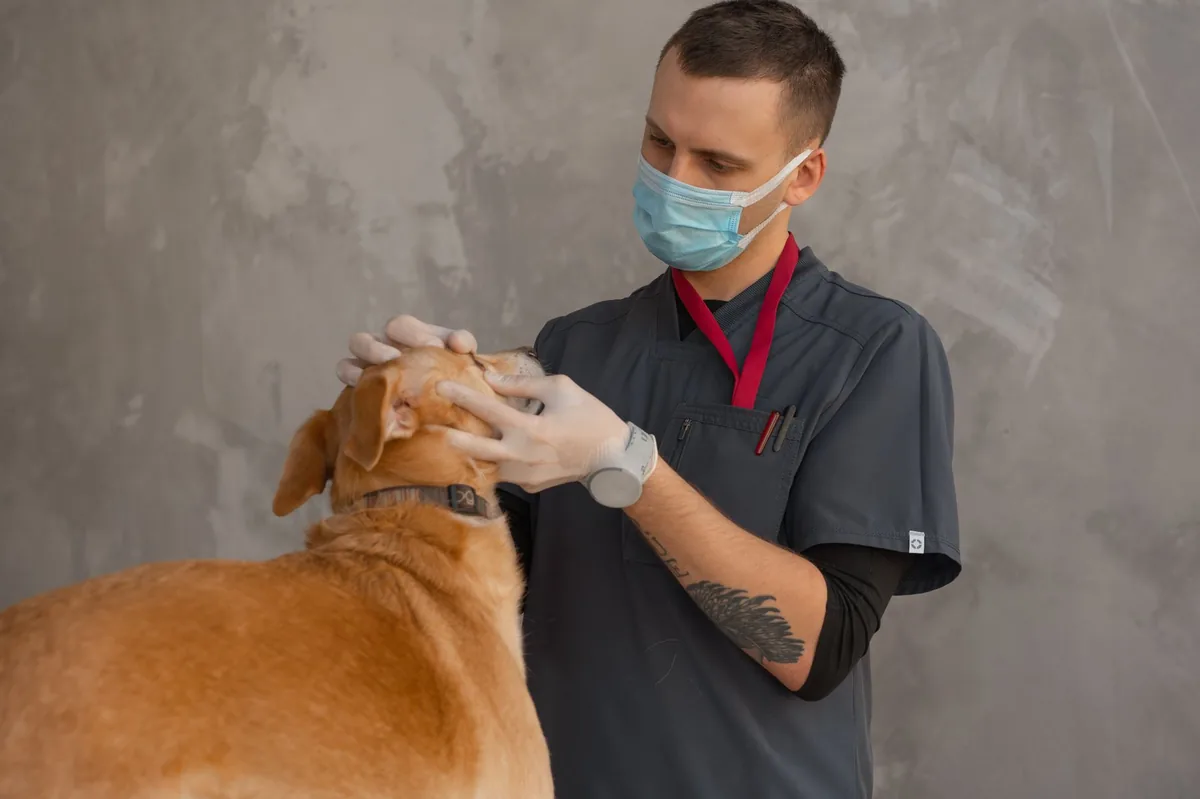
- History and physical exam: Your vet will ask about cough duration, triggers, and any recent trauma. They’ll listen with a stethoscope for abnormal sounds and may feel the neck for subcutaneous air.
- Radiographs (X‑rays): Lateral and ventrodorsal views can reveal air bubbles or a discontinuity in the tracheal wall.
- Fluoroscopy or contrast studies: A small amount of contrast dye is swallowed or injected; the dye leaks out at the fistula site, making the hole visible on live X‑ray.
- Endoscopy: A flexible camera is passed through the mouth into the trachea. This is the gold‑standard for visualizing a fistula and measuring its size.
- CT scan (computed tomography): Provides a three‑dimensional view, especially helpful for complex or deep fistulas.
Most veterinarians follow AAHA (American Animal Hospital Association) guidelines for airway imaging, tailoring the workup to the dog’s size and stability.
Treatment options
Medical treatment
When the fistula is small (< 5 mm) and the dog is otherwise stable, medical management may buy time:
- Cough suppressants: Dextromethorphan or butorphanol can reduce cough irritation.
- Anti‑inflammatories: Prednisone or a short course of a steroid can lessen airway inflammation.
- Bronchodilators: Theophylline or terbutaline may help keep airway passages open.
- Antibiotics: If a secondary bacterial infection is present, your vet may prescribe amoxicillin‑clavulanate or another broad‑spectrum agent.
These drugs are only a bridge; they don’t close the hole. Always ask your vet about the best medication regimen for your dog’s specific situation.
Supplements and supportive care
While supplements can’t seal a fistula, they support overall respiratory health and recovery after surgery:
- Omega‑3 fatty acids (EPA/DHA): Found in fish‑oil capsules, they reduce airway inflammation.
- Vitamin C: Antioxidant that may aid tissue healing; a typical dose is 10–20 mg/kg daily, but discuss with your vet.
- Probiotics: If your dog is on antibiotics, a probiotic (e.g., Enterococcus faecium) helps maintain gut flora.
These supplements should be introduced after discussing with your veterinarian, especially if your dog has other health issues.
Procedures or surgery
For most dogs with a clinically significant fistula, surgical repair offers the best chance of a durable fix. Options include:
- Primary closure: The surgeon sutures the hole directly, often using a graft of autologous tissue (e.g., fascia) to reinforce the repair.
- Tracheal stenting: A self‑expanding metallic or silicone stent is placed to bridge the defect and keep the airway open. Stents are common when the trachea is severely collapsed or when surgery carries high risk.
- Partial tracheal resection: In very large defects, a segment of the trachea may be removed and the ends sewn together.
All procedures are performed under general anesthesia, and postoperative care includes pain management, antibiotics, and strict activity restriction.
Diet and nutrition
Nutrition plays a pivotal role in healing and maintaining airway health. While no single “tracheal diet” exists, certain feeding strategies can reduce coughing and support tissue repair.
| Do feed | Limit | Avoid |
|---|---|---|
| Highly digestible protein (e.g., boiled chicken, turkey, or a veterinary‑formulated soft diet) | High‑fat treats | Hard, crunchy kibble that can irritate the throat |
| Omega‑3 enriched foods or fish‑oil supplement | Excessive sodium (can increase fluid retention) | Spicy or heavily seasoned foods |
| Moist, warm meals (helps reduce irritation) | Raw bones that may splinter | Any food that causes gagging or choking |
Key feeding tips:
- Small, frequent meals: Four to six meals a day reduce the workload on the airway compared with one large meal.
- Warmed food: Heating kibble or canned food to body temperature (≈ 38 °C) makes swallowing easier and less irritating.
- Hydration: Fresh water should always be available; adding a splash of low‑sodium broth can encourage fluid intake.
- Prescription therapeutic diets: If your dog has concurrent conditions (e.g., chronic bronchitis), a veterinarian‑approved “respiratory support” diet may be recommended. These diets are formulated with highly digestible protein, controlled fat, and added antioxidants.
Transition to any new diet gradually over 5–7 days, mixing increasing amounts of the new food with the old. This helps prevent gastrointestinal upset during the recovery period.
Cost and prognosis
Financial considerations vary by region, clinic, and the complexity of the case. Below are typical ranges based on data from AAHA‑accredited hospitals and the PuppaDogs cost calculator:
| Service | US estimate | UK estimate |
|---|---|---|
| Initial exam & basic imaging (X‑ray) | $150–$300 | £120–£250 |
| Endoscopy with biopsy | $600–$1,200 | £500–£1,000 |
| Tracheal stent placement | $2,500–$4,500 | £2,000–£4,000 |
| Primary surgical repair | $3,000–$6,000 | £2,500–£5,500 |
| Post‑op hospitalization (24‑48 h) | $400–$800 | £300–£650 |
Prognosis depends on fistula size, underlying cause, and the dog’s overall health. Small, surgically repaired fistulas in otherwise healthy dogs have a > 80 % chance of full recovery. Larger defects, especially in senior dogs with chronic tracheal collapse, may require lifelong stenting and have a more guarded outlook. Your vet will discuss realistic expectations and quality‑of‑life considerations before any intervention.
Prevention and home care
While you can’t change a congenital defect, many risk factors are modifiable:
- Avoid smoke and strong odors: Second‑hand smoke, scented candles, and cleaning chemicals irritate the airway.
- Control coughing triggers: Allergy testing, weight management, and limiting exposure to cold, dry air can reduce chronic cough.
- Use a harness, not a collar: Collars exert pressure on the trachea during pulling; a well‑fitted harness distributes force across the chest.
- Regular veterinary check‑ups: Early detection of tracheal collapse or cough allows for medical management before a fistula develops.
- Safe play environments: Avoid rough play that could lead to neck injuries, especially with other dogs.
If your dog has already undergone repair, follow these home‑care steps:
- Keep activity low‑impact for 6–8 weeks (short leash walks, no jumping).
- Monitor the incision site for swelling, discharge, or increased coughing.
- Administer any prescribed meds exactly as directed.
- Maintain a humidified environment (e.g., a cool‑mist humidifier) to keep airways moist.
- Schedule re‑checks as advised—usually at 2 weeks, 6 weeks, and then quarterly.
Vet’s note
From our vet team: A tracheal fistula is a serious airway problem, but it’s also treatable. Early recognition—especially of a new, harsh cough or a “whooshing” sound—lets us intervene before oxygen deprivation becomes an issue. If surgery is recommended, we’ll discuss the exact technique, expected recovery, and financial estimate so you can make an informed choice. Never wait for the cough to worsen; a quick vet visit can make the difference between a simple repair and a life‑threatening emergency.
Key takeaways
- A hole in the trachea (tracheal fistula) creates an air leak that can cause coughing, noisy breathing, and, in severe cases, life‑threatening oxygen loss.
- Common causes include trauma, chronic coughing from tracheal collapse, and rare congenital defects—small breeds are most at risk.
- Call your regular vet today for any persistent cough or noisy breathing; go to an emergency clinic immediately if your dog shows labored breathing or cyanosis.
- Diagnosis relies on X‑rays, contrast studies, and especially endoscopy; these tests let us see the exact size and location of the fistula.
- Treatment ranges from medication and supplements for tiny defects to surgical repair or stenting for larger holes; costs can vary from a few hundred to several thousand dollars.
- Post‑op care includes a soft, warm diet, limited activity, and close monitoring; preventing airway irritants and using a harness can reduce future problems.
Myth vs. fact
Myth: A tracheal hole always requires immediate surgery.
Fact: Small fistulas may be managed medically for a period, but most will eventually need a surgical or stent repair to prevent progressive airway compromise.
Myth: All coughing means a tracheal hole.
Fact: Coughing is common in many respiratory conditions; a tracheal fistula is diagnosed by specific imaging and endoscopic findings, not by cough alone.
Myth: Once a dog has a tracheal hole, it can’t live a normal life.
Fact: With appropriate treatment and lifestyle adjustments, many dogs return to comfortable, active lives and enjoy years of good health.
Frequently asked questions
What are the signs that my dog has a hole in its trachea?
Typical signs include a harsh, dry cough, a distinct “whooshing” or “hissing” noise during inhalation, labored breathing, and occasional cyanosis of the gums. Early signs may be subtle, so any new cough in a small breed warrants a vet check.
Can a hole in a dog’s trachea heal on its own?
Small fistulas sometimes close partially with strict medical management, but they rarely heal completely without intervention. Most veterinarians recommend a definitive repair (surgery or stent) to prevent ongoing air leakage.
What diagnostic tests are used to confirm a tracheal hole?
Veterinarians start with X‑rays, followed by contrast studies or fluoroscopy to spot air leaks. Endoscopy is the definitive test, allowing direct visualization and measurement of the fistula. A CT scan may be added for complex cases.
Is surgery the only option for treating a tracheal hole?
No. For very small defects, medical therapy (cough suppressants, anti‑inflammatories) may be sufficient initially. However, most clinically significant fistulas require surgical closure or placement of a tracheal stent to restore airway integrity.
How much does tracheal repair surgery cost for dogs?
In the United States, surgical repair typically ranges from $3,000 to $6,000, while stent placement may cost $2,500 to $4,500. In the United Kingdom, expect £2,500 to £5,500. Costs depend on the size of the fistula, anesthesia, hospital stay, and any postoperative care.
Which dog breeds are most at risk for tracheal problems?
Small and toy breeds—such as Chihuahuas, Pomeranians, Yorkshire Terriers, and Poodles—are predisposed to tracheal collapse and, consequently, to developing tracheal fistulas. Larger breeds can be affected by trauma or infection but are less commonly seen with this condition.
Ask the PuppaDogs community
Have a question this article didn’t fully answer? Want to compare notes with other dog owners who’ve been through this? Our community forum is moderated by experienced owners and vets — and answers tend to come fast. Ask in the PuppaDogs community →
References
- AAHA (American Animal Hospital Association). “Guidelines for Diagnosis and Management of Airway Diseases in Dogs,” 2023.
- Merck Veterinary Manual. “Tracheal Fistula” chapter, latest edition.
- American College of Veterinary Internal Medicine (ACVIM). “Tracheal Collapse and Related Disorders,” clinical practice guidelines, 2022.
- Veterinary Partner (Cornell University). “Airway Disorders in Small Breed Dogs,” 2021.
- AVMA (American Veterinary Medical Association). “Pain Management in Small Animals,” 2022.
- WSAVA (World Small Animal Veterinary Association). “Respiratory Health in Companion Animals,” 2023.
- UC Davis School of Veterinary Medicine. “Endoscopic Evaluation of Canine Tracheal Disorders,” 2020.
- PetMD. “Tracheal Stents: Indications and Outcomes,” 2022.
- AKC (American Kennel Club). “Breed Predispositions for Tracheal Collapse,” 2021.
- Plumb’s Veterinary Drug Handbook. “Common Medications for Airway Inflammation,” 9th edition, 2022.


