













Quick take: Hip dysplasia is a common, hereditary joint problem that can cause pain, limping, and reduced mobility in dogs. Early detection, weight control, and a combination of medical, nutritional, and possibly surgical options can keep most dogs comfortable and active for years.
It’s 8 p.m., and you notice your normally spry Golden Retriever hesitating before climbing the stairs. He sighs as he settles onto his favorite rug, and his once‑bright eyes look a little dull. The sudden change makes you pause your Netflix binge and start Googling “why won’t my dog climb stairs?” You’re not alone—many owners first spot hip dysplasia when the simple act of getting up becomes a struggle.
We understand that the term “hip dysplasia” can feel intimidating. In this all‑in‑one guide, we’ll break down what hip dysplasia really is, why it happens, how you can spot it early, and what you can do to keep your dog comfortable. From diet tweaks to surgical options, we’ll walk you through every step—so you can feel confident making the best choices for your furry companion.
Read on for a clear, step‑by‑step plan, and remember: while this article offers solid information, it’s not a substitute for a hands‑on exam. When in doubt, your vet is the best ally.
What is hip dysplasia in dogs?
Hip dysplasia (HD) is a developmental disorder where the ball‑and‑socket joint of the hip does not fit together properly. In a healthy hip, the round head of the femur (thigh bone) sits snugly in the shallow socket of the pelvis. With HD, the socket is too shallow or the ball is misshapen, causing joint laxity, abnormal wear, and eventually arthritis.
It’s one of the most common orthopedic conditions in medium‑ to large‑breed dogs. The American College of Veterinary Surgeons (ACVS) estimates that up to 20 % of purebred dogs are affected to some degree, though many remain subclinical (showing no signs) for years.
What causes hip dysplasia?
Hip dysplasia results from a mix of genetics, rapid growth, nutrition, and environment. Below are the main contributors:
- Genetics: Certain breeds (e.g., German Shepherd, Labrador Retriever, Golden Retriever, Rottweiler) carry genes that predispose puppies to HD. Breeding two carriers increases the risk.
- Growth rate: Large puppies that gain weight too quickly can stress developing joints. Excessive calories or high‑protein diets in the first year are linked to higher HD incidence.
- Nutrition: Diets high in calcium and calories without balanced minerals may interfere with normal bone formation.
- Exercise & environment: Repetitive high‑impact activities (like jumping from heights) during the growth phase can exacerbate joint laxity.
- Hormonal factors: Early spay/neuter (especially before 6 months) may affect growth plate closure, potentially increasing HD risk in some breeds.
Signs and symptoms
Hip dysplasia can range from invisible to severely debilitating. Early signs are often subtle, while advanced disease presents obvious mobility problems.
| Stage | Typical signs |
|---|---|
| Early / mild | Hesitation to jump, occasional “click” sound, slight limping after exercise, reduced enthusiasm for play. |
| Moderate | Persistent limp, difficulty rising from lying down, decreased range of motion, noticeable muscle loss in hindquarters. |
| Severe | Stiffness even at rest, inability to climb stairs, pain on palpation, visible joint swelling, reluctance to move. |
Many owners first notice a change in activity level—“my dog isn’t as eager to fetch the ball.” Others spot a distinct “click” when the hip joint moves. If your dog shows any of these signs, especially a new limp or pain, it’s time to investigate further.

When to call your vet
Call your vet today if you notice any of the following:
- Intermittent limp or “click” when your dog walks or climbs stairs.
- Reluctance to jump onto furniture or run after toys.
- Visible muscle loss in the hindquarters.
- Any pain response when you gently press the hip area.
Go to an emergency veterinary hospital right now if you see:
- Sudden inability to bear weight on a rear leg.
- Severe swelling, bruising, or an obvious deformity of the hip joint.
- Signs of acute trauma (e.g., after a fall or car accident) combined with hip pain.
These guidelines are for triage only. If you’re ever unsure, it’s safest to call your vet or an emergency clinic.
From our vet team: Early detection is the biggest advantage you have. A simple radiograph can confirm hip dysplasia before it progresses to arthritis, giving you more treatment options and a better quality of life for your dog.
How vets diagnose hip dysplasia
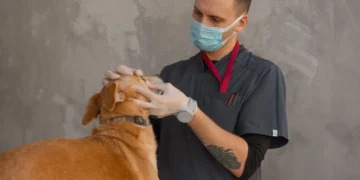
Diagnosis starts with a thorough history and physical exam. Your vet will watch how your dog moves, feel the hips for laxity, and may perform a “bunny hop” test to accentuate any instability.
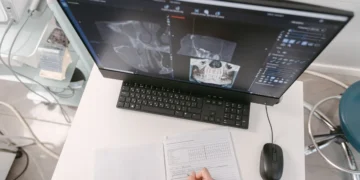
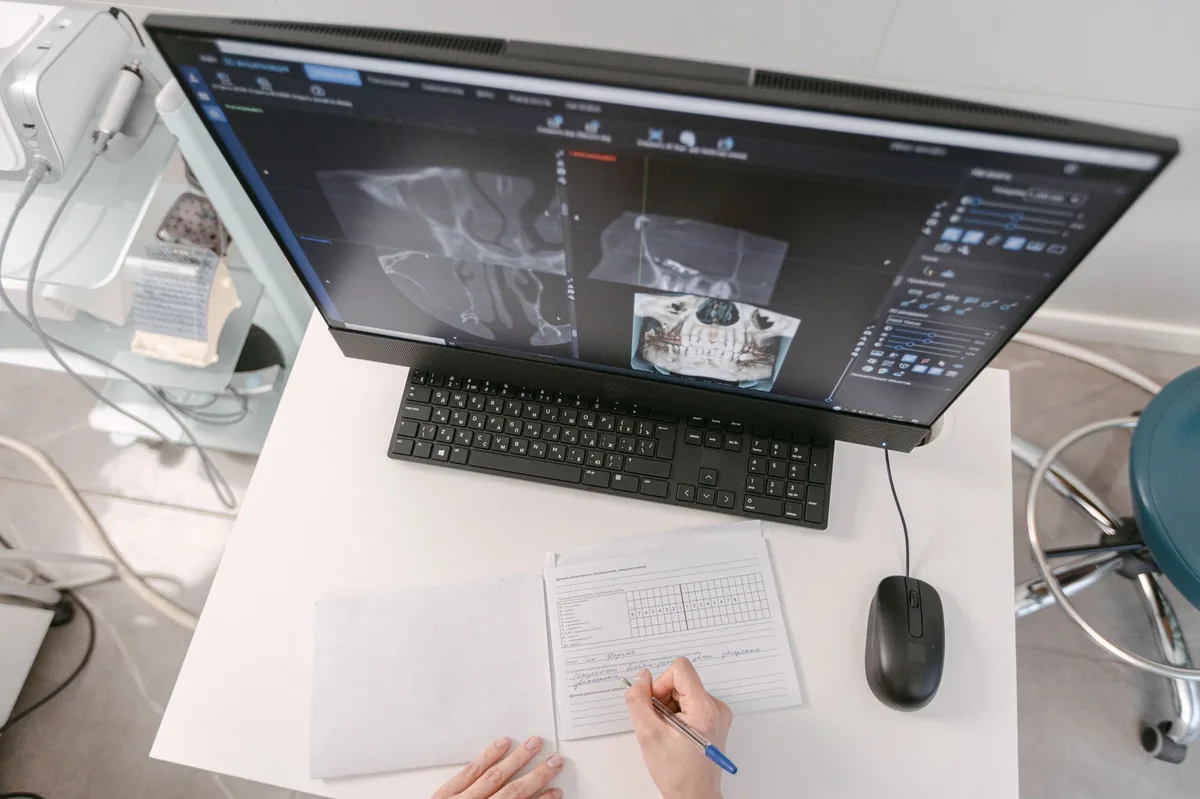
The gold‑standard test is radiography (X‑rays). Two common views—hip-extended and hip‑flexed—allow the veterinarian to assess joint congruity and grade the dysplasia using the Orthopedic Foundation for Animals (OFA) or the PennHIP score. In some cases, a CT scan or MRI may be recommended to evaluate advanced arthritis or plan surgery.
Blood work is usually performed before surgery to rule out underlying infections or organ issues that could complicate anesthesia.
Treatment options
Medical treatment
Most dogs benefit from a combination of pain relief and joint support:
- Non‑steroidal anti‑inflammatory drugs (NSAIDs) such as carprofen or meloxicam help reduce pain and swelling. Your vet will tailor the dose to your dog’s weight and health status.
- Steroids or disease‑modifying osteoarthritis drugs (DMOADs) like polysulfated glycosaminoglycans may slow cartilage breakdown.
- Physical therapy (hydrotherapy, controlled leash walks, passive range‑of‑motion exercises) improves muscle strength and joint stability.
- Weight management is critical; even a few pounds less can dramatically reduce joint stress.
Ask your vet about each of these options; they’ll recommend the best mix for your dog’s stage of disease.
Supplements and supportive care
Evidence‑based supplements can complement medical therapy:
- Glucosamine and chondroitin—often combined with MSM—support cartilage health and may modestly reduce pain.
- Omega‑3 fatty acids (EPA/DHA) from fish oil have anti‑inflammatory properties and can improve joint comfort.
- Green‑lipped mussel extract provides natural glucosamine and omega‑3s, and is well tolerated by most dogs.
- Joint‑supporting vitamins such as vitamin C and E act as antioxidants, protecting joint tissues.
Supplements are most effective when used alongside weight control and physical therapy. Always discuss dosage with your vet.
Procedures or surgery
When conservative measures no longer control pain, surgical options are considered:
- Total hip replacement (THR) replaces the joint with metal‑on‑polyethylene implants. THR offers the best long‑term function, especially for large breeds. Recovery typically takes 8–12 weeks of restricted activity.
- Femoral head ostectomy (FHO) removes the femoral head, allowing a “false joint” to form. It’s often used in smaller dogs or very young puppies. Recovery is usually 4–6 weeks.
- Triple pelvic osteotomy (TPO) reorients the pelvic socket and is an option for young dogs with moderate dysplasia.
In the United States, THR can cost between $5,000 and $9,000, while FHO typically ranges from $2,000 to $3,500. In the United Kingdom, expect roughly £3,500–£6,500 for THR and £1,500–£2,500 for FHO. Costs include pre‑operative labs, anesthesia, the implant or surgical supplies, and post‑op pain medication.
Diet and nutrition
Nutrition plays a pivotal role in managing hip dysplasia and slowing arthritis progression. The goal is to provide a balanced diet that supports joint health while maintaining an ideal body condition.
| Do feed | Limit | Avoid |
|---|---|---|
| High‑quality protein from lean meat, fish, or eggs (supports muscle mass). | Excess calories—especially from treats—if weight gain is a concern. | High‑calcium diets (e.g., unprocessed bone meals) in growing puppies. |
| Omega‑3 rich foods (salmon, sardines) or a vetted fish‑oil supplement. | Very high‑fat foods that contribute to obesity. | Excessive grain‑based fillers with low nutrient density. |
| Joint‑supporting supplements (glucosamine, chondroitin, green‑lipped mussel) as directed by your vet. | Large amounts of raw cartilage that can be hard to digest. | Highly processed “human‑style” foods with added sugars. |
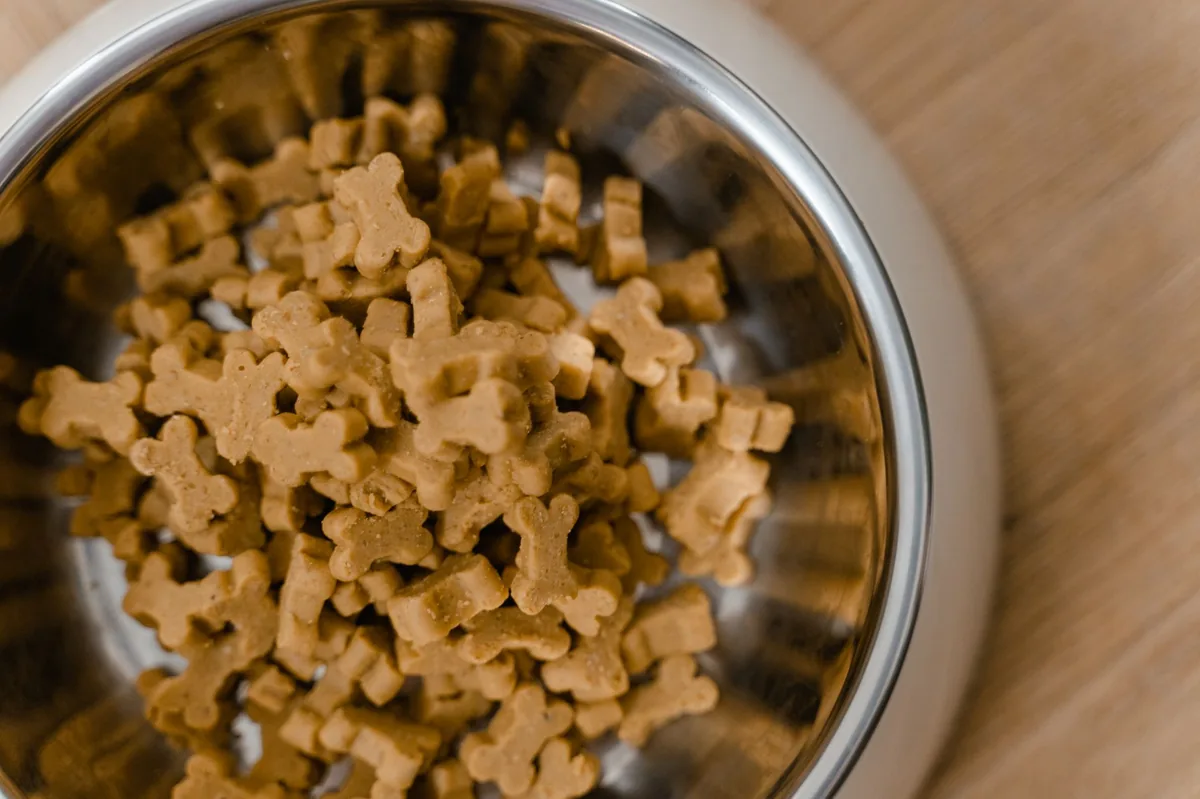
Prescription therapeutic diets—often labeled “joint health” or “arthritis support”—contain added omega‑3s, antioxidants, and controlled calcium. Brands such as Hill’s Prescription Diet j/d, Royal Canin Mobility Support, and Purina Pro Plan Veterinary Diets HA are formulated to reduce inflammation and support cartilage. You don’t need to pick a brand now; discuss options with your vet to match your dog’s specific needs and any sensitivities.
When transitioning to a new diet, do it gradually over 7–10 days: start with 25 % new food mixed with 75 % old, then increase the new food proportion every two days. This helps prevent gastrointestinal upset.
Feeding frequency can also matter. Splitting the daily portion into two meals can reduce post‑meal spikes in inflammation and help maintain steady energy levels.
Cost and prognosis
Financial considerations vary by treatment pathway and geographic region. Below are typical cost ranges (estimates, not guarantees):
| Service | United States (USD) | United Kingdom (GBP) |
|---|---|---|
| Initial veterinary exam & X‑rays | $200–$400 | £120–£250 |
| NSAID prescription (30 days) | $30–$80 | £25–£70 |
| Joint supplement (monthly) | $15–$40 | £12–£35 |
| Physical therapy (per session) | $70–$120 | £60–£110 |
| Femoral head ostectomy (FHO) | $2,000–$3,500 | £1,500–£2,500 |
| Total hip replacement (THR) | $5,000–$9,000 | £3,500–£6,500 |
Prognosis depends on disease stage and treatment choice. Dogs managed with weight control, NSAIDs, and joint supplements often enjoy a good quality of life for many years. Surgical candidates—especially those receiving THR—can return to near‑normal activity levels and have a low rate of long‑term complications.
Recovery timelines:
- Medical management: Improvement may be seen within 1–2 weeks of starting NSAIDs, with full benefit in 4–6 weeks.
- FHO: 4–6 weeks of restricted activity, followed by gradual return to normal exercise.
- THR: 8–12 weeks of strict confinement, then physiotherapy to rebuild strength.
Prevention and home care
While you can’t change a dog’s genetic makeup, you can influence many modifiable risk factors:
- Maintain an ideal weight. Use a body‑condition scoring chart (1–9) and adjust portions accordingly.
- Provide low‑impact exercise. Swimming, controlled leash walks, and gentle hill climbs strengthen muscles without overloading the joint.
- Choose appropriate chew toys. Avoid very hard toys that could cause jaw or dental trauma, which may indirectly affect gait.
- Schedule regular veterinary check‑ups. Annual exams with hip‑specific radiographs (especially for at‑risk breeds) allow early detection.
- Consider joint supplements early. Starting a glucosamine‑rich supplement at 12 months can help maintain cartilage health.
Our body‑condition calculator makes it easy to track your dog’s ideal weight, and the Dog Questions Answered hub has quick answers to common concerns about activity levels and diet.
From our vet team: The most powerful prevention tool is a stable, healthy weight. Even a modest reduction in body condition can dramatically ease hip joint stress and delay the need for surgery.
Key takeaways
- Hip dysplasia is a common, hereditary joint disorder that can cause pain and reduced mobility.
- Early signs include a subtle limp, “click” noises, and reluctance to jump or climb stairs.
- Weight control, joint‑supporting supplements, and low‑impact exercise are the cornerstones of long‑term management.
- Medical options (NSAIDs, DMOADs) and physical therapy can control pain; surgery (THR, FHO) is reserved for severe cases.
- Prescription joint‑support diets and omega‑3‑rich foods help reduce inflammation and protect cartilage.
- Prompt veterinary evaluation—especially if your dog shows sudden inability to bear weight—can prevent worsening and improve outcomes.
Myth vs. fact
Myth: “If my dog is a small breed, hip dysplasia isn’t a concern.”
Fact: While large breeds are at higher risk, small and medium breeds can still develop hip dysplasia, especially if they have a genetic predisposition or were over‑fed during growth.
Myth: “Hip dysplasia always requires surgery.”
Fact: Many dogs respond well to weight management, NSAIDs, supplements, and physical therapy, delaying or avoiding surgery altogether.
Myth: “All joint supplements are the same.”
Fact: Quality, bioavailability, and the specific combination of glucosamine, chondroitin, MSM, and omega‑3s matter; discuss the best option with your vet.
Frequently asked questions
Can hip dysplasia be diagnosed at home?
Directly diagnosing hip dysplasia requires radiographs, so a definitive diagnosis can’t be made at home. However, you can check for early signs—such as a “click” when moving the hind leg or a reluctance to climb stairs—and bring those observations to your vet.
Is hip dysplasia hereditary?
Yes. The condition has a strong genetic component, especially in breeds like German Shepherds, Labrador Retrievers, and Golden Retrievers. Responsible breeding practices, including OFA or PennHIP screening of parent dogs, help reduce the incidence.
How much does a total hip replacement usually cost?
In the United States, a total hip replacement typically ranges from $5,000 to $9,000, while in the United Kingdom it averages £3,500 to £6,500. Prices vary based on surgeon expertise, geographic location, and any additional pre‑ or post‑operative care.
Will my dog be able to run again after surgery?
Most dogs regain near‑normal activity after a total hip replacement, especially if they follow the prescribed rehabilitation plan. Full recovery usually takes 8–12 weeks, after which controlled exercise can be gradually increased.
Are there any risks associated with NSAIDs?
NSAIDs are generally safe when prescribed and monitored by a veterinarian. Potential side effects include gastrointestinal upset or kidney strain, so routine blood work is recommended for dogs on long‑term NSAID therapy.
How can I prevent hip dysplasia in my puppy?
Focus on a balanced diet with appropriate calcium levels, avoid over‑feeding, maintain a healthy weight, provide low‑impact exercise, and consider early joint supplements. If you’re planning to breed, ensure both parents have hip‑screening results.
Ask the PuppaDogs community
Have a question this article didn’t fully answer? Want to compare notes with other dog owners who’ve been through this? Our community forum is moderated by experienced owners and vets — and answers tend to come fast. Ask in the PuppaDogs community →
References
- American College of Veterinary Surgeons (ACVS). “Hip Dysplasia in Dogs.”
- American Kennel Club (AKC). “Breed Predispositions for Hip Dysplasia.”
- American Animal Hospital Association (AAHA). “Guidelines for the Management of Canine Osteoarthritis.” 2022.
- American Veterinary Medical Association (AVMA). “Weight Management in Dogs.”
- Merck Veterinary Manual. “Hip Dysplasia.”
- Orthopedic Foundation for Animals (OFA). “Hip Dysplasia Screening.”
- PennHIP. “PennHIP Scoring System.”
- World Small Animal Veterinary Association (WSAVA). “Nutrition and Joint Health.”
- Hill’s Prescription Diet. “Joint Health Nutrition.”
- Royal Canin. “Mobility Support Diet.”


