












Quick take: Gallbladder obstruction in dogs is a serious condition where bile can’t leave the gallbladder, often causing vomiting, pain, and jaundice. Prompt veterinary care—usually involving imaging and possibly surgery—is essential for a good outcome.
It’s 9 p.m., the house is quiet, and your 7‑year‑old mixed‑breed Labrador isn’t greeting you at the door. Instead, she lies on the floor, her eyes half‑closed, and you notice her gums look a pale yellow. A quick search for “yellow gums” brings up gallbladder obstruction, and a wave of worry hits you.
We know that feeling. The uncertainty of a potentially life‑threatening problem can feel overwhelming, especially when you’re alone with a sleepy pup. The good news is that with the right information and timely veterinary care, many dogs recover well.
In this guide we’ll explain what gallbladder obstruction is, why it happens, how to recognize it, what tests your vet will run, treatment options (medical and surgical), typical costs, diet tips for recovery, and ways to keep it from happening again.
What is gallbladder obstruction in dogs?
The gallbladder is a small, pear‑shaped organ tucked under the liver that stores bile—a digestive fluid produced by the liver. When a blockage prevents bile from flowing into the small intestine, it backs up, causing inflammation, pain, and potentially rupture. Gallbladder obstruction is relatively uncommon but can affect dogs of any age or breed.
According to the American College of Veterinary Internal Medicine (ACVIM), biliary obstruction accounts for roughly 1–2 % of all canine abdominal emergencies, but the true incidence may be higher because milder cases can be missed.
What causes it?
- Gallstones (cholelithiasis): Hard mineral deposits that block the cystic duct.
- Gallbladder mucocele: A thick, gelatinous buildup that can obstruct the duct.
- Neoplasia (tumors): Primary gallbladder tumors or metastatic cancers compressing the outflow tract.
- Trauma: Blunt force injuries that damage the gallbladder or neighboring structures.
- Inflammatory diseases: Chronic cholangitis or pancreatitis that cause swelling and blockage.
Signs and symptoms
Gallbladder obstruction often mimics other abdominal problems, but a few clues point specifically to a biliary issue:
| Severity | Typical signs |
|---|---|
| Early / Mild | Decreased appetite, occasional vomiting, lethargy, pale‑yellow gums. |
| Moderate | Frequent vomiting (often bile‑stained), abdominal pain on palpation, dark urine, yellow‑tinged eyes (jaundice). |
| Severe / Late | Severe abdominal distension, shock signs (weak pulse, rapid breathing), inability to stand, possible rupture leading to peritonitis. |
Because these signs overlap with pancreatitis, intestinal blockage, or liver disease, a veterinarian’s work‑up is crucial.
When to call your vet
Call your vet today if you notice any of the following:
- Repeated vomiting, especially if it’s yellow or contains bile.
- Loss of appetite lasting more than 12 hours.
- Pale or yellow gums, dark urine, or a change in stool color.
- Abdominal pain when you gently press the belly.
Go to an emergency veterinary hospital right now if your dog shows any sign of shock: trembling, rapid breathing, a weak or rapid pulse, collapse, or severe abdominal swelling.
This article is for informational purposes only and does not replace a hands‑on veterinary examination.
How vets diagnose it
Diagnosis begins with a thorough history and physical exam. Your vet will look for jaundice, abdominal pain, and signs of dehydration.
Blood work: A complete blood count (CBC) and serum chemistry panel reveal elevated liver enzymes (ALT, ALP), high bilirubin, and possibly low cholesterol—markers that point toward biliary blockage.
Imaging:
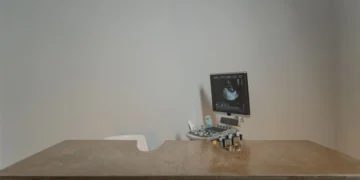
- Abdominal ultrasound: The gold standard for visualizing gallstones, mucocele, or duct dilation.
- Radiographs (X‑rays): Can show calcified stones or a distended gallbladder.
- CT scan: Occasionally used for complex cases or surgical planning.
These tests also help rule out other conditions like pancreatitis or intestinal obstruction.
Treatment options
Medical treatment
When the blockage is caused by inflammation or a small stone that may pass, veterinarians may try:
- Antibiotics: To prevent secondary bacterial infection (e.g., amoxicillin‑clavulanate).
- Antiemetics: Medications like maropitant to control vomiting.
- Pain control: Opioids or NSAIDs (e.g., carprofen) to relieve abdominal discomfort.
- Gallstone‑dissolving agents: Currently, no oral drug reliably dissolves canine gallstones; your vet may discuss experimental options, but “ask your vet about this option” is essential.
If the obstruction does not resolve, surgery becomes the next step.
Supplements and supportive care
Supportive nutrition can aid recovery:
- Omega‑3 fatty acids (EPA/DHA): Anti‑inflammatory benefits; consider a high‑quality fish oil supplement.
- Probiotics: Helpful if the dog has concurrent gastrointestinal upset.
- Vitamin C: May support liver function, but only under veterinary guidance.
These supplements are adjuncts—not replacements—for medical therapy.
Procedures or surgery
Most obstructive cases ultimately require a cholecystectomy (gallbladder removal) or a biliary drainage procedure. The surgery is performed under general anesthesia, and the gallbladder is removed if it’s diseased or ruptured.
Recovery typically involves 2–4 days of hospitalization for pain control, IV fluids, and monitoring. Complications can include infection, bile leakage, or pancreatitis, but with modern techniques the success rate is high (70–85 % survival for elective cases).
Diet and nutrition
After surgery or during medical management, diet plays a crucial role in reducing stress on the biliary system and supporting liver function. A low‑fat, highly digestible diet helps because fat stimulates bile production, and an overloaded system can worsen pain.
Here are practical feeding guidelines:
| Category | Recommendations |
|---|---|
| Do feed | Cooked white rice mixed with lean boiled chicken or turkey, low‑fat cottage cheese, pumpkin puree (for fiber), and a vetted prescription liver diet if advised. |
| Limit | Fatty treats, table scraps, high‑protein canned foods, and foods with added butter or oil. |
| Avoid | Raw diets high in fat, organ meats, and any food that triggers vomiting or diarrhea. |
When transitioning back to regular kibble, choose a formula labeled “low‑fat” or “digestible,” and increase the water content by adding warm water or low‑sodium broth. Feeding smaller, more frequent meals (3–4 times daily) can further reduce bile‐stimulating spikes.
Prescription therapeutic diets such as “hepatic” or “low‑fat” formulas (e.g., Hill’s Prescription Diet l/d) are designed to be easy on the liver and gallbladder. Your vet may recommend one based on blood work and overall health.
Hydration matters, too. Encourage fresh water at all times and consider adding a splash of low‑sodium broth to the bowl if your dog is reluctant to drink.
For the first week after surgery, many vets advise a bland diet of boiled chicken and rice, gradually reintroducing the regular low‑fat kibble over 5–7 days. Monitor stool consistency and appetite closely; any regression should prompt a call to the vet.
Cost and prognosis
Financial estimates vary by region and clinic, but typical ranges are:
- Diagnostic work‑up: Blood panel $150–$300 (US) / £80–£180 (UK).
- Imaging: Abdominal ultrasound $250–$500 (US) / £150–£300 (UK).
- Surgery (cholecystectomy): $3,000–$5,500 (US) / £2,000–£4,000 (UK), including anesthesia, hospital stay, and postoperative meds.
- Hospitalization (2–4 days): $500–$1,200 (US) / £300–£800 (UK).
Overall, the prognosis depends on the underlying cause and how quickly treatment begins. Dogs with a simple gallstone that is removed early have a good chance (80 %+) of returning to normal life. Those with a ruptured gallbladder or advanced mucocele face a more guarded outlook, but many still enjoy a good quality of life after recovery.
Prevention and home care
While not all blockages are preventable, you can lower the risk:
- Maintain a healthy weight: Obesity predisposes dogs to gallstones and mucocele formation.
- Feed a balanced, low‑fat diet: Especially for breeds known to develop biliary disease.
- Regular veterinary check‑ups: Annual blood panels can catch early liver enzyme changes.
- Limit exposure to toxins: Certain drugs and chemicals can irritate the liver and gallbladder.
- Breed‑specific vigilance: Shetland Sheepdogs, Cocker Spaniels, and Miniature Schnauzers have higher mucocele rates; discuss routine ultrasounds with your vet.
At home, keep an eye on your dog’s stool and urine color, appetite, and energy level. A quick “gum check” each morning—pressing a fingertip against the inside of the lower gum to see if it’s pink rather than yellow—can be a simple early warning.
From our vet team: “If your dog is diagnosed with a gallbladder obstruction, the most important thing is early, aggressive supportive care. Even if surgery is needed, dogs often bounce back quickly when we manage pain, hydration, and nutrition carefully.”
Key takeaways
- Gallbladder obstruction blocks bile flow, causing vomiting, jaundice, and abdominal pain—call your vet promptly.
- Common causes include gallstones, mucocele, tumors, and trauma; ultrasound is the best diagnostic tool.
- Treatment may be medical for mild cases, but surgery (gallbladder removal) is often required for definitive relief.
- Expect diagnostic costs of $400–$800 and surgical fees of $3,000–$5,500 in the U.S.; recovery usually takes 2–4 weeks.
- Feed a low‑fat, highly digestible diet and keep your dog at a healthy weight to reduce future risk.
- Watch for pale or yellow gums, repeated vomiting, and abdominal pain—these are red‑flag signs that need immediate veterinary attention.
Myth vs. fact
Myth: Gallbladder stones can be dissolved with over‑the‑counter supplements.
Fact: No oral medication reliably dissolves canine gallstones; surgery or endoscopic removal is the standard of care.
Myth: All gallbladder problems require full gallbladder removal.
Fact: Some blockages can be managed medically or with minimally invasive drainage; removal is reserved for severe or recurrent cases.
Myth: Gallbladder obstruction only affects senior dogs.
Fact: While older dogs are at higher risk, young dogs can develop stones or mucocele due to genetics or trauma.
Frequently asked questions
What does a gallbladder obstruction feel like for a dog?
Dogs can’t describe pain, but they often show lethargy, loss of appetite, and a “tucked” abdomen. You may feel a tender, firm area under the rib cage when you gently press the belly.
How quickly does a gallbladder blockage become an emergency?
If your dog shows signs of shock—weak pulse, rapid breathing, or collapses—you should seek emergency care immediately; otherwise, call your regular vet within the same day.
Can medication dissolve gallstones in dogs?
Currently, no approved oral medication reliably dissolves gallstones in dogs; surgical removal or endoscopic techniques are the standard treatments.
What imaging tests are used to confirm gallbladder obstruction?
Abdominal ultrasound is the most sensitive test, often followed by radiographs or CT scans if the ultrasound is inconclusive.
Will my dog need a full gallbladder removal surgery?
Many dogs with severe obstruction or a ruptured gallbladder will need a cholecystectomy, but some cases can be managed medically or with a biliary stent; your vet will discuss the best option based on imaging and clinical signs.
How can I lower the risk of gallbladder issues in my dog?
Maintain a healthy weight, feed a low‑fat, highly digestible diet, and schedule regular blood work and ultrasounds for breeds prone to mucocele (e.g., Cocker Spaniels, Shelties).
Ask the PuppaDogs community
Have a question this article didn’t fully answer? Want to compare notes with other dog owners who’ve been through this? Our community forum is moderated by experienced owners and vets — and answers tend to come fast. Ask in the PuppaDogs community →
References
- American College of Veterinary Internal Medicine (ACVIM) – Biliary Disease Guidelines, 2022.
- Merck Veterinary Manual, “Gallbladder Disease” chapter, 2023 edition.
- American Animal Hospital Association (AAHA) – Standards for Diagnostic Imaging, 2021.
- Veterinary Information Network (VIN) – Case studies on canine gallbladder mucocele, 2020.
- World Small Animal Veterinary Association (WSAVA) – Nutrition Recommendations for Liver & Biliary Health, 2022.
- University of California, Davis Veterinary Medicine – “Canine Cholelithiasis” article, accessed 2024.
- American Veterinary Medical Association (AVMA) – Pain Management in Small Animals, 2023.
- British Veterinary Association (BVA) – Cost of Veterinary Surgery Survey, 2022.


