












Quick take: Fusarium fungal toxicosis in dogs occurs when a dog ingests mycotoxins produced by Fusarium molds, usually from contaminated feed, hay, or water. Symptoms range from mild gastrointestinal upset to severe organ failure, so prompt veterinary evaluation is essential.
It’s 9 p.m., and you’ve just noticed your Border Collie, Max, lying unusually still on the couch. His gums look a little pale, and he’s refusing the dinner you prepared an hour ago. You glance at the bag of hay you keep in the garage and recall that it’s been a bit damp lately. The thought “maybe it’s the hay” flashes through your mind, and a quick search for “dog fungus” lands you on a page about Fusarium toxicosis. You’re not alone—many owners first encounter this condition after a sudden change in appetite or energy.
Fusarium toxicosis is rare but can be life‑threatening. The good news is that early detection and proper treatment dramatically improve outcomes. In this article we’ll explain what Fusarium fungus is, how dogs get exposed, what signs to watch for, how vets confirm the diagnosis, treatment options, costs, and practical steps you can take to keep your dog safe.
What is fungal toxicosis related to Fusarium fungus in dogs?
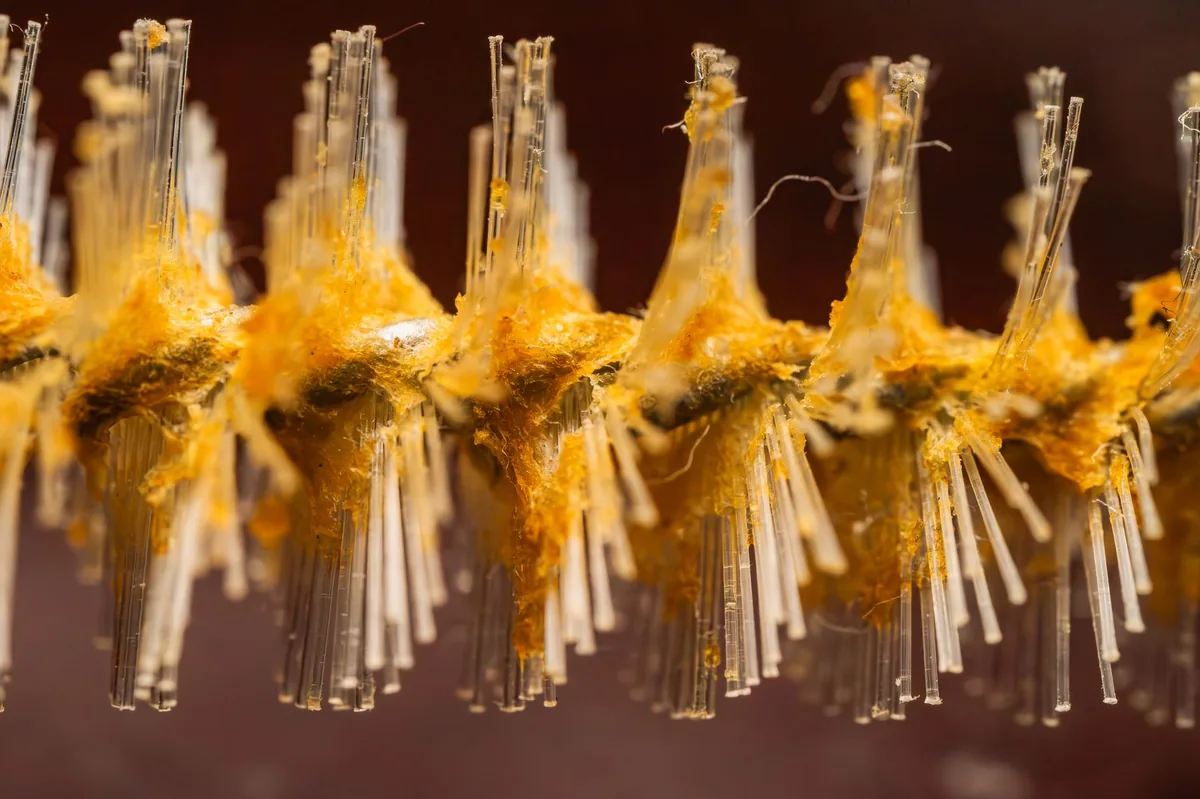
Fusarium is a group of mold species that thrive in warm, moist environments such as soil, decaying plant material, and stored grains. Certain Fusarium species produce mycotoxins—small chemical compounds that can damage cells. In dogs, the most concerning toxins are fumonisins, trichothecenes, and zearalenone, which affect the liver, kidneys, and gastrointestinal tract.
While Fusarium infection of the skin or respiratory system is uncommon, ingestion of contaminated feed or water is the primary route of toxicosis. The condition is considered “rare” in companion animals, but outbreaks have been reported in dogs that consume moldy hay, spoiled commercial dog food, or contaminated water sources, especially in rural or agricultural settings.
What causes it?
Exposure to Fusarium mycotoxins can happen in several ways. The most common risk factors are:
- Feeding moldy hay, straw, or grass that has been stored in damp conditions.
- Commercial dry or wet dog food that has become contaminated during manufacturing or storage.
- Drinking water that has been exposed to fungal growth, especially in outdoor bowls left uncovered.
- Ingestion of decaying organic material during outdoor adventures (e.g., “sniffing” in a compost pile).
Dogs with a history of “free‑range” feeding, farm‑yard environments, or those that are picky eaters and may scavenge are at higher risk. Certain breeds, such as German Shepherds and Labrador Retrievers, have been noted in case series to develop more severe organ involvement, likely due to size‑related dose exposure.
Signs and symptoms
Fusarium toxicosis can mimic many other illnesses, which is why a thorough history is critical. Early signs are often vague, while severe disease can involve multiple organ systems.
| Severity | Typical signs |
|---|---|
| Mild | Decreased appetite, occasional vomiting, soft stools, slight lethargy. |
| Moderate | Persistent vomiting or diarrhea, noticeable pale gums, jaundice (yellow skin), increased thirst, mild abdominal pain. |
| Severe | Rapidly worsening vomiting, bloody diarrhea, severe jaundice, bleeding tendencies, seizures, multi‑organ failure, collapse. |
Key differences from other fungal infections (like Aspergillus) include a stronger gastrointestinal component and more pronounced liver enzyme elevations on blood work. Respiratory signs are uncommon unless a secondary infection is present.
When to call your vet
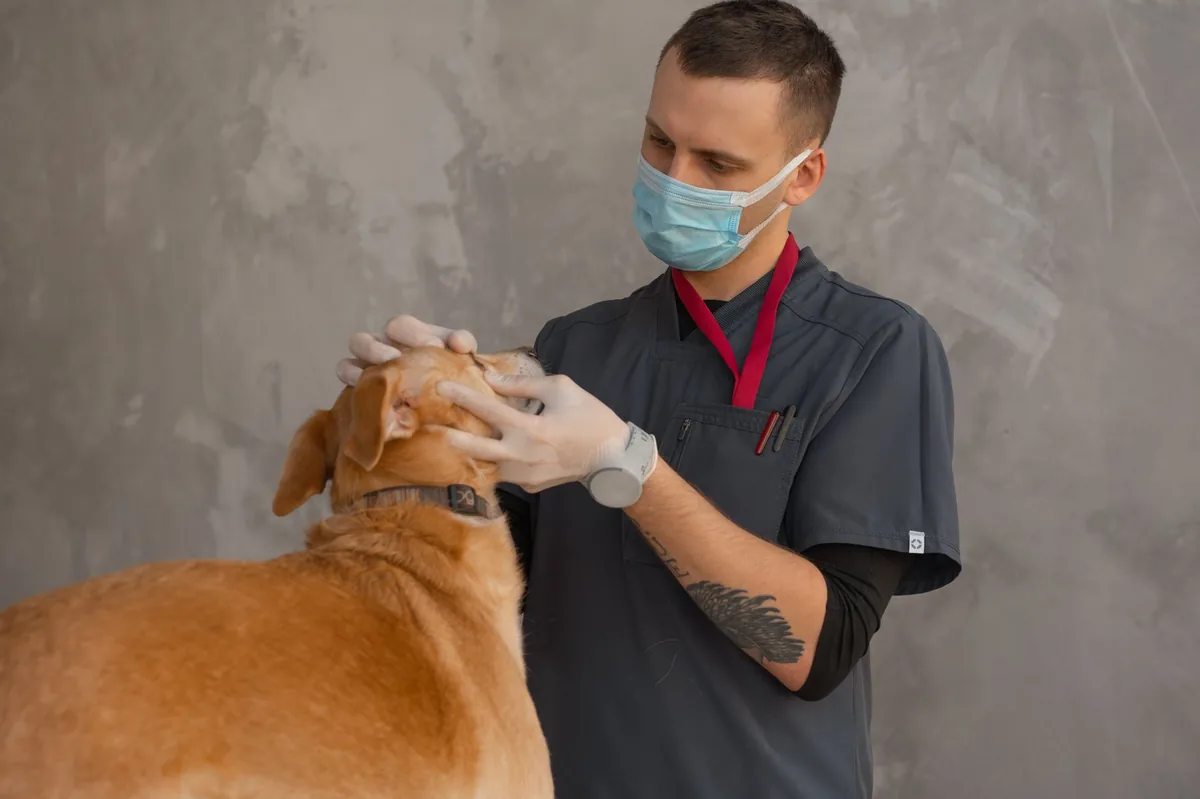
Call your vet today if you notice any of the following:
- Decreased appetite or mild vomiting lasting more than 12 hours.
- Pale or yellow gums, especially if accompanied by lethargy.
- Unusual thirst or urination changes.
Go to an emergency veterinary hospital right now if you see any of these red‑flag signs:
- Continuous vomiting or diarrhea with blood.
- Severe weakness, collapse, or seizures.
- Rapid breathing, panting, or signs of shock (cold extremities, rapid heartbeat).
These recommendations are for information only and do not replace a hands‑on veterinary exam. If in doubt, call your vet or an emergency clinic immediately.
How vets diagnose it
Diagnosing Fusarium toxicosis involves ruling out other causes and confirming exposure to mycotoxins. A typical work‑up includes:
- History and physical exam: The vet will ask about recent feed changes, outdoor activities, and any signs of moldy feed.
- Blood chemistry panel: Elevated liver enzymes (ALT, ALP), bilirubin, and kidney markers (BUN, creatinine) suggest organ involvement.
- Complete blood count (CBC): May reveal anemia or low platelet counts if a toxin is affecting bone marrow.
- Urinalysis: Looks for protein, hematuria, or mycotoxin metabolites.
- Fungal toxin assay: Specialized labs (e.g., Cornell Veterinary Diagnostic Laboratory) can measure fumonisin or trichothecene levels in blood or urine.
- Imaging: Abdominal ultrasound helps assess liver and kidney size and rule out other causes of organ dysfunction.
Because Fusarium toxins are not always detectable, the diagnosis often relies on a combination of clinical signs, laboratory abnormalities, and a history of exposure.
Treatment options
Medical treatment
Therapy focuses on eliminating the toxin, supporting affected organs, and preventing secondary infections. Commonly used drug classes include:
- Antifungal agents: Oral or IV fluconazole and itraconazole are the most frequently prescribed, as they inhibit fungal toxin production. Your vet will determine the appropriate drug based on severity.
- Supportive medications: Intravenous fluids to maintain hydration and flush toxins; hepatoprotectants such as silymarin (milk thistle) or N‑acetylcysteine to aid liver recovery; anti‑emetics like maropitant to control vomiting.
- Antibiotics: Broad‑spectrum antibiotics (e.g., amoxicillin‑clavulanate) may be added if a bacterial secondary infection is suspected.
Ask your vet about these options; dosages are tailored to your dog’s weight and disease severity.
Supplements and supportive care
Evidence‑based adjuncts can help mitigate inflammation and support recovery:
- Omega‑3 fatty acids (EPA/DHA) – reduce systemic inflammation and support kidney health.
- Probiotics – restore gut flora disrupted by vomiting or antibiotics.
- Vitamin E and selenium – antioxidant support for liver cells.
These supplements should be introduced after your vet confirms they are safe for your dog’s current condition.
Procedures or surgery
In most cases of Fusarium toxicosis, surgery is not required. If a dog develops severe gastrointestinal ulceration or a secondary abscess, surgical intervention may be necessary, but this is uncommon.
Diet and nutrition
Nutrition plays a central role in recovery from mycotoxin exposure. The goal is to provide highly digestible, low‑toxin foods that reduce metabolic stress on the liver and kidneys while meeting caloric needs.
**Foods to favor** include:
- Commercial therapeutic diets formulated for hepatic or renal support (e.g., “renal‑support” or “liver‑support” diets). These are low in protein quality, contain omega‑3 fatty acids, and have balanced electrolytes.
- Fresh, boiled chicken or turkey breast without skin—easy to digest and low in fat.
- Cooked white rice or sweet potato for gentle carbohydrate energy.
- Low‑fat cottage cheese or plain yogurt for a modest protein boost and probiotic benefit.
**Foods to limit or avoid**:
- High‑fat meats, especially those that are heavily marbled or fried.
- Raw or undercooked organ meats, which may contain residual toxins.
- Commercial dog foods with known mold risks (check for “no mold” guarantees) and any food that smells sour or off.
- Grains or legumes that are known to be prone to fungal contamination, such as corn or wheat, unless they are part of a certified toxin‑free diet.
**Feeding schedule**: Offer 4–6 small meals per day instead of one large meal while the gastrointestinal tract is healing. This reduces the workload on the liver and helps maintain steady blood glucose.
**Transition tips**: Introduce the new diet gradually over 3–5 days, mixing increasing amounts of the therapeutic food with the current diet. Monitor for any worsening of vomiting or diarrhea, and contact your vet if symptoms recur.
Below is a quick reference for dietary choices during recovery:
| Category | Do feed | Limit | Avoid |
|---|---|---|---|
| Protein | Boiled chicken, turkey, low‑fat cottage cheese | Lean ground beef (moderate) | Organ meats, raw fish |
| Carbohydrate | White rice, cooked sweet potato | Whole grain rice (small) | High‑fiber legumes |
| Fats | Omega‑3 oil (fish oil), small amount of olive oil | Butter, heavy animal fats | Fried foods |
| Supplements | Probiotic yogurt, vitamin E | None | Unregulated herbal remedies |
Even after the acute phase resolves, continue a liver‑supportive diet for several weeks to help the organ fully recover. Your vet may recommend periodic blood work to track liver enzymes and adjust the diet as needed.
Cost and prognosis
Because Fusarium toxicosis is uncommon, exact cost data are limited, but typical expenses include:
| Service | US estimate | UK estimate |
|---|---|---|
| Initial exam & basic blood work | $150‑$300 | £120‑£250 |
| Mycotoxin assay (specialized lab) | $200‑$500 | £180‑£450 |
| IV fluids & supportive meds (3‑5 days) | $400‑$900 | £350‑£800 |
| Antifungal medication (course) | $100‑$250 | £80‑£220 |
| Total typical range | $850‑$2,000 | £800‑£1,700 |
Prognosis depends on how quickly treatment begins and the severity of organ involvement. Dogs with mild to moderate signs that receive prompt care have a good chance (70‑90 %) of full recovery. Severe cases with multi‑organ failure carry a guarded prognosis, and mortality can reach 30‑50 % despite intensive therapy.
Prevention and home care
Preventing Fusarium exposure is largely about controlling the dog’s environment and feed quality:
- Store hay, straw, and dry foods in a cool, dry place; discard any that feels damp or smells musty.
- Rotate water bowls daily and rinse them with hot water to inhibit mold growth.
- Avoid feeding dogs directly from compost piles or areas where moldy vegetation accumulates.
- Inspect commercial dog food bags for any signs of swelling, moisture, or discoloration before purchase.
- Consider a regular “feed‑safe” check with your veterinarian, especially for dogs that spend a lot of time outdoors.
For dogs with a history of exposure, your vet may recommend periodic liver enzyme panels (every 6–12 months) to catch early changes. Maintaining a balanced diet and ensuring adequate hydration also support the liver’s detoxification pathways.
For more detailed guidance on managing your dog’s health, explore our Dog Questions Answered resource or use our calculators to estimate medication costs.
From our vet team: “If you suspect Fusarium exposure, bring a sample of the suspected feed or water to the clinic. Even a small piece can be sent for toxin analysis, and that information helps us choose the most targeted therapy.”
Key takeaways
- Fusarium toxicosis results from ingesting mycotoxins in moldy feed, water, or decaying organic material.
- Early signs are loss of appetite, mild vomiting, and pale gums; severe disease can cause organ failure.
- Prompt veterinary evaluation—including toxin assays and liver panels—is essential for accurate diagnosis.
- Treatment combines antifungal drugs (e.g., fluconazole), supportive IV fluids, and liver‑protective supplements.
- Recovery costs typically range from $850 to $2,000 in the US, with a good prognosis when treated early.
- Prevent exposure by keeping feed dry, rotating water bowls, and avoiding moldy environments.
Myth vs. fact
Myth: Fusarium infection is the same as Aspergillus infection.
Fact: While both are molds, Fusarium toxicosis primarily affects the gastrointestinal tract and liver through ingested toxins, whereas Aspergillus more often causes respiratory disease.
Myth: A dog can be vaccinated against Fusarium.
Fact: No vaccine exists for Fusarium toxins; prevention relies on proper feed storage and environmental hygiene.
Myth: Home remedies like garlic or herbal teas can cure Fusarium toxicosis.
Fact: Only veterinary‑prescribed antifungals and supportive care have proven efficacy; unproven home treatments may delay proper care.
Frequently asked questions
What does Fusarium toxicosis look like in a dog?
Typical signs start with loss of appetite, mild vomiting, and pale or yellow gums; as the toxin damages the liver, you may see jaundice, increased thirst, and in severe cases, bleeding or collapse.
How quickly can Fusarium fungus cause serious illness?
Symptoms can appear within hours to a few days after ingestion of a high‑dose contaminated feed, especially in younger or smaller dogs.
Which diagnostic tests confirm Fusarium infection?
Veterinarians use a combination of blood chemistry (elevated liver enzymes), a specialized mycotoxin assay from a reference lab, and imaging such as abdominal ultrasound to rule out other causes.
What medications are used to treat Fusarium toxicosis?
Standard therapy includes oral or IV antifungal agents like fluconazole or itraconazole, hepatoprotectants (e.g., silymarin), IV fluids, and anti‑emetics such as maropitant.
Can I prevent my dog from getting Fusarium fungus?
Yes—store all feed in a dry, cool area, discard any damp or moldy hay, keep water bowls clean and refreshed, and avoid letting dogs eat from compost or decaying vegetation.
Is Fusarium toxicosis contagious to other pets or humans?
The condition is not contagious; it results from ingestion of toxins, not an infectious organism, so other animals or people are not at risk unless they also consume the contaminated source.
Ask the PuppaDogs community
Have a question this article didn’t fully answer? Want to compare notes with other dog owners who’ve been through this? Our community forum is moderated by experienced owners and vets — and answers tend to come fast. Ask in the PuppaDogs community →
References
- American Animal Hospital Association (AAHA) Guidelines for Diagnosis and Management of Mycotoxin Exposure in Dogs, 2022.
- Merck Veterinary Manual, “Fusarium and Mycotoxins” chapter, 2023.
- American Veterinary Medical Association (AVMA) – Toxicology of Mycotoxins in Companion Animals, 2021.
- American College of Veterinary Internal Medicine (ACVIM) Consensus Statement on Hepatic Support Diets, 2020.
- Cornell University College of Veterinary Medicine, “Mycotoxin Testing in Veterinary Practice,” 2022.
- UC Davis School of Veterinary Medicine, “Fusarium Toxicosis in Dogs: Clinical Cases and Management,” 2021.
- World Small Animal Veterinary Association (WSAVA) – Recommendations for Safe Feed Storage, 2022.


