












Quick take: Fungal toxicosis from Aspergillus flavus, A. parasiticus, or Penicillium puberulum occurs when a dog ingests mycotoxins produced by these molds. Early signs include loss of appetite, vomiting, and lethargy; severe cases can lead to liver or kidney failure. Prompt veterinary care, antifungal medication, and supportive care give most dogs a good chance at recovery, though treatment can cost several hundred to a few thousand dollars.
It’s 11 p.m. and your two‑year‑old mixed‑breed terrier sits on the kitchen floor, eyes half‑closed, refusing the bowl you just set down. The kibble looks normal, but a faint musty odor hangs in the air. You remember the bag of “home‑grown” grain you left on the counter last week, and a quick Google search later you stumble on “fungal toxicosis in dogs.” Your heart races. Is this something you can fix at home, or do you need to rush to the emergency clinic?
We understand how unsettling a sudden, unexplained illness can feel. Fungal toxicosis related to Aspergillus flavus, A. parasiticus, and Penicillium puberulum is rare but serious, and the good news is that early detection and appropriate treatment dramatically improve outcomes. In this article we’ll explain what these molds are, how dogs get exposed, what to look for, how vets diagnose the problem, treatment options, costs, diet considerations, prevention tips, and the likely prognosis.
Read on to get a clear, step‑by‑step guide that you can use tonight and in the weeks ahead. We’ll also point you to trusted resources like the PuppaDogs expert directory and our cost estimator here.
What is fungal toxicosis related to Aspergillus flavus, A. parasiticus, and Penicillium puberulum?
Fungal toxicosis—sometimes called mycotoxicosis—is an illness caused by toxic compounds (mycotoxins) that certain molds produce. Aspergillus flavus and A. parasiticus are species of the Aspergillus genus that commonly grow on corn, peanuts, and other grains. Penicillium puberulum is a Penicillium species that thrives in damp environments and can contaminate stored feeds, hay, and even water. The toxins most often implicated are aflatoxins (produced by A. flavus and A. parasiticus) and ochratoxin A (produced by many Penicillium species, including P. puberulum).
These mycotoxins are invisible, heat‑stable, and can persist in food or water even after the mold itself is gone. When a dog ingests enough toxin, it can damage liver cells, kidneys, and, in severe cases, the gastrointestinal tract. According to the Merck Veterinary Manual, aflatoxin poisoning is one of the most common causes of acute hepatic failure in dogs.
What causes it?
Exposure routes differ by environment and feeding habits, but the underlying risk factors fall into three main categories:
| Category | Typical Sources | How Dogs Encounter Them |
|---|---|---|
| Contaminated feed | Grain‑based kibble, home‑cooked meals, raw meat diets with added grain | Eating moldy kibble or leftovers stored in a warm, humid pantry |
| Environmental exposure | Moist hay, straw bedding, moldy wooden toys, damp indoor surfaces | Chewing on or licking mold‑covered objects, drinking from contaminated water bowls |
| Water contamination | Stagnant pond water, poorly maintained water dishes | Drinking from outdoor sources or bowls that are not cleaned regularly |
Dogs that are fed raw or home‑prepared diets, live in humid climates, or have access to outdoor feed stores are at higher risk. Breeds with known susceptibility to liver disease—such as the Labrador Retriever, English Springer Spaniel, and German Shepherd—may also experience more severe effects, though any dog can be affected.
Signs and symptoms
Mycotoxin poisoning often begins with vague gastrointestinal signs and can progress quickly to organ failure. Below is a typical progression:
| Stage | Signs |
|---|---|
| Mild | Loss of appetite, occasional vomiting, soft stools, mild lethargy |
| Moderate | Persistent vomiting, diarrhea (may be bloody), noticeable jaundice (yellow gums), increased thirst, reduced urine output |
| Severe | Acute liver failure (marked jaundice, abdominal swelling), renal failure (vomiting, dehydration, confusion), seizures, coma |
Early clues often include a sudden change in energy level or a refusal to eat a favorite food. As the toxin accumulates, you may notice pale or yellow gums, a foul odor from the mouth, and an overall “off” appearance. If you see any of the severe signs—especially jaundice or rapid breathing—seek emergency care immediately.
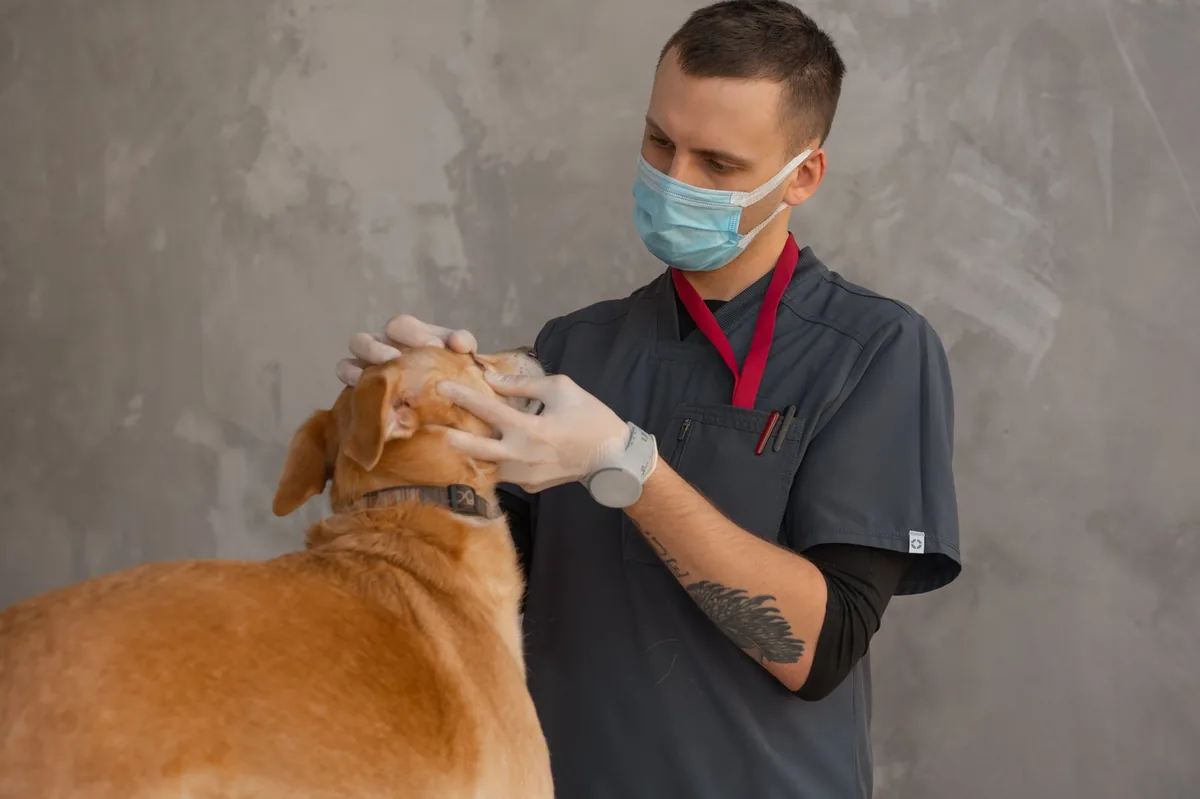
When to call your vet
Call your regular vet today if you notice any of the following:
- Loss of appetite lasting more than 12 hours
- Occasional vomiting or soft stools
- Increased thirst or urination without other obvious cause
- Lethargy that doesn’t improve with rest
Go to an emergency veterinary hospital right now if you see any of these red‑flag signs:
- Jaundice (yellow gums, eyes, or skin)
- Vomiting that is frequent, forceful, or contains blood
- Severe abdominal swelling or pain
- Seizures, collapse, or unresponsiveness
These suggestions are for information only and do not replace a hands‑on veterinary exam. If you’re ever unsure, err on the side of caution and call.
How vets diagnose it
Diagnosing fungal toxicosis involves a combination of history, physical exam, and targeted testing:
- History and exposure assessment: Your vet will ask about recent diet changes, storage conditions, and any visible mold on food or environment.
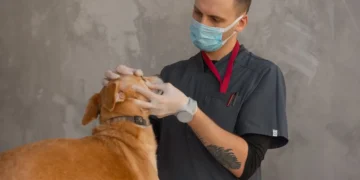
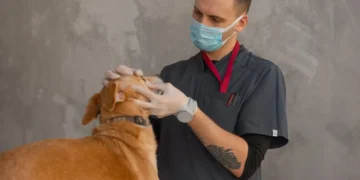
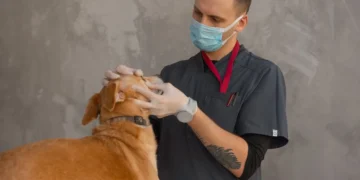
- Physical examination: Palpation of the abdomen, assessment of gum color, and checking for signs of dehydration.
- Blood work: A complete blood count (CBC) and serum chemistry panel reveal liver enzymes (ALT, AST), bilirubin, and kidney values (BUN, creatinine). Elevated ALT/AST with hyperbilirubinemia strongly suggests hepatic toxicosis.
- Mycotoxin assays: Specialized labs (e.g., Cornell’s Veterinary Diagnostic Laboratory) can measure aflatoxin or ochratoxin A levels in serum or urine. These tests are not routine but are valuable when exposure is suspected.
- Imaging: Abdominal ultrasound may show an enlarged liver, fluid accumulation, or kidney changes.
- Biopsy (rare): In chronic cases, a liver biopsy can confirm toxin‑induced cellular damage.
The AAHA guidelines recommend a full hepatic panel when any signs of liver disease appear, and the ACVIM consensus emphasizes early toxin testing when aflatoxin exposure is a concern.
Treatment options
Medical treatment
Antifungal drugs are the cornerstone of therapy. The most commonly used agents, according to the Merck Veterinary Manual, include:
- Fluconazole – a broad‑spectrum azole that penetrates liver tissue well.
- Itraconazole – another azole often chosen for its efficacy against Aspergillus species.
- Voriconazole – used in severe cases; requires careful monitoring.
- Amphotericin B – reserved for life‑threatening infections due to potential kidney toxicity.
Supportive medications may include anti‑emetics (e.g., maropitant), hepatoprotectants such as s‑adenosyl‑methionine (SAMe) or milk thistle, and intravenous fluids to maintain perfusion. Your vet will tailor dosages to your dog’s weight, age, and severity—always ask about the exact protocol.
Supplements and supportive care
Adjunctive supplements can help the liver recover:
- S‑adenosyl‑methionine (SAMe) – supports cellular antioxidant defenses; studies in dogs show reduced ALT levels when used alongside standard therapy.
- Milk thistle (silymarin) – a herbal hepatoprotectant with a good safety profile, often recommended for mild to moderate cases.
- Omega‑3 fatty acids (EPA/DHA) – reduce inflammation and may improve overall recovery, especially if the dog also has a concurrent skin condition.
These supplements are not a cure, but they can enhance the body’s ability to repair toxin‑induced damage. Always discuss with your vet before adding any over‑the‑counter product.
Procedures or surgery
In most cases of fungal toxicosis, surgery is not indicated because the problem is systemic, not localized. However, if a dog develops a secondary bacterial infection, abscess formation, or a gallbladder issue, surgical intervention may be required. Recovery from such procedures typically adds 1–2 weeks of hospitalization and costs an additional $1,200–$3,500 in the United States.

Diet and nutrition
Nutrition plays a pivotal role in recovery from mycotoxin‑induced liver or kidney injury. While there is no single “cure‑diet,” feeding a highly digestible, low‑protein, and antioxidant‑rich diet helps reduce metabolic stress.
Foods to favor:
- Commercial therapeutic liver diets (e.g., “Renal Support” or “Hepatic Care” formulations) that provide highly digestible protein and added antioxidants.
- Cooked, lean meats (chicken breast, turkey) without added seasonings, paired with white rice or pumpkin for easy digestion.
- Low‑fat cottage cheese or plain yogurt for probiotic support, provided your dog tolerates dairy.
Foods to limit or avoid:
- High‑fat treats, fried foods, or anything greasy that can exacerbate hepatic inflammation.
- Raw grains or home‑cooked meals that have not been stored properly—especially corn, peanuts, or wheat.
- Supplements containing high levels of vitamin A or iron, which can further burden the liver.
Many owners wonder whether a “raw” diet is safer. The truth is that raw diets can be more prone to mold contamination if not stored correctly. If you choose to feed raw, freeze‑dry the meat, keep it in airtight containers, and discard any portion that looks discolored or smells off.
Below is a quick reference for feeding decisions during recovery:
| Category | Do feed | Limit / Avoid |
|---|---|---|
| Protein | Lean cooked chicken, turkey, white fish | High‑fat meats, organ meats |
| Carbohydrate | White rice, sweet potato (cooked) | Raw grain, mold‑prone kibble |
| Small amounts of olive oil or fish oil (EPA/DHA) | Butter, cooking oil splashes | |
| Supplements | Veterinary‑approved SAMe, milk thistle | Unregulated herbal blends |
Transition to a new diet gradually over 3–5 days to avoid gastrointestinal upset. Offer smaller, more frequent meals (four times daily) rather than one large meal, and keep fresh water available at all times. If your dog is still vomiting, your vet may suggest a short course of a bland diet (boiled chicken and rice) via syringe.
For more detailed feeding calculators, try our daily calorie calculator to tailor portions to your dog’s current weight and activity level.
Cost and prognosis
Financial planning is part of responsible pet care. The cost of treating fungal toxicosis can vary widely based on severity, required diagnostics, and geographic location.
| Service | US estimate | UK estimate |
|---|---|---|
| Initial exam + blood panel | $150–$300 | £80–£150 |
| Mycotoxin assay (if ordered) | $200–$400 | £120–£250 |
| Antifungal medication (7‑10 days) | $250–$800 | £150–£450 |
| Hospitalization (IV fluids, monitoring) | $500–$2,000 per day | £300–£1,200 per day |
| Follow‑up labs & imaging | $100–$250 | £60–£130 |
Overall, mild cases that are caught early often cost $800–$1,500 total, while severe hepatic failure can exceed $5,000 in the United States. In the UK, comparable cases range from £800 to £4,000.
Prognosis depends on how quickly treatment begins and the extent of organ damage. Studies cited by the AVMA indicate that dogs treated within 24 hours of toxin ingestion have a survival rate of 70–85 %. Dogs with advanced liver failure may have a poorer outlook, but aggressive supportive care can still lead to meaningful quality of life.
Prevention and home care
Preventing fungal toxicosis is largely about controlling the environment and food storage:
- Store dry foods in airtight containers made of plastic or metal, and keep them in a cool, dry pantry.
- Rotate kibble every 4–6 weeks to avoid long‑term storage that encourages mold growth.
- Inspect feed daily for any off‑odors, discoloration, or visible mold spots. When in doubt, discard the batch.
- Maintain clean water bowls by washing them daily with hot, soapy water and refilling with fresh water.
- Control humidity in storage areas—use dehumidifiers or silica packets if you live in a damp climate.
- Limit outdoor foraging especially in areas with decaying vegetation or piles of hay.
Regular veterinary wellness exams (at least once a year) give your vet the chance to run baseline liver panels and catch subclinical issues early. The AAHA recommends a yearly hepatic panel for breeds predisposed to liver disease.
Vet’s note
From our vet team: “If you suspect mycotoxin exposure, the fastest thing you can do is bring a sample of the suspected food to the clinic. Even a small piece can be sent for toxin analysis, and that result guides treatment intensity. Most owners think ‘mold is harmless,’ but in dogs the hidden toxins can be life‑threatening. Early intervention, aggressive fluid therapy, and a liver‑supportive diet give the best chance for a full recovery.”
Key takeaways
- Fungal toxicosis from Aspergillus flavus, A. parasiticus, or Penicillium puberulum is caused by invisible mycotoxins that can damage the liver and kidneys.
- Early signs include loss of appetite, vomiting, and mild lethargy; jaundice or severe vomiting signal an emergency.
- Diagnosis relies on blood work, mycotoxin assays, and imaging—prompt testing improves outcomes.
- Antifungal drugs (fluconazole, itraconazole) plus hepatoprotective supplements are the mainstays of treatment.
- Feeding a low‑fat, highly digestible, antioxidant‑rich diet supports recovery; avoid mold‑contaminated grains.
- Prevent exposure by storing food properly, keeping water bowls clean, and limiting access to damp environments.
Myth vs. fact
Myth: “Moldy food is only a problem for humans.” Fact: Mycotoxins affect dogs at much lower doses than humans, and liver damage can occur rapidly.
Myth: “If my dog looks fine, the toxin isn’t harmful.” Fact: Early toxin exposure may be asymptomatic; blood tests are needed to detect subclinical liver injury.
Myth: “Natural remedies alone can cure fungal toxicosis.” Fact: While supplements can aid recovery, prescription antifungal medication and veterinary monitoring are essential.
Frequently asked questions
Can dogs get sick from Aspergillus flavus toxins?
Yes. Aflatoxins produced by Aspergillus flavus are hepatotoxic and can cause acute liver failure in dogs even at low exposure levels.
What signs should I look for if my dog ate moldy food?
Watch for loss of appetite, vomiting, soft stools, increased thirst, and especially yellowing of the gums or eyes, which indicates liver involvement.
How is fungal toxicosis diagnosed in a veterinary clinic?
Veterinarians combine a detailed exposure history with blood chemistry panels, CBC, and, when indicated, specialized mycotoxin assays performed by referral labs.
What medications are used to treat Aspergillus or Penicillium poisoning in dogs?
Common antifungal agents include fluconazole, itraconazole, and, in severe cases, voriconazole or amphotericin B, along with supportive hepatoprotectants like SAMe.
Will my dog fully recover after fungal toxicosis treatment?
Many dogs recover fully if treatment begins early and organ damage is mild; however, severe hepatic injury may lead to chronic issues or a guarded prognosis.
How can I keep my home environment safe from these fungi for my dog?
Store all dog food in airtight containers, keep pantry humidity low, discard any feed that smells musty or shows visible mold, and clean water bowls daily.
Ask the PuppaDogs community
Have a question this article didn’t fully answer? Want to compare notes with other dog owners who’ve been through this? Our community forum is moderated by experienced owners and vets — and answers tend to come fast. Ask in the PuppaDogs community →
References
- American Animal Hospital Association (AAHA) 2023 Canine Hepatic Care Guidelines.
- American Veterinary Medical Association (AVMA) “Mycotoxin Toxicity in Companion Animals.”
- Merck Veterinary Manual, “Aflatoxin Toxicity” and “Ochratoxin A Toxicity” chapters.
- American College of Veterinary Internal Medicine (ACVIM) Consensus Statement on Liver Disease in Dogs, 2022.
- Cornell University Veterinary Diagnostic Laboratory, Mycotoxin Assay Protocols.
- World Small Animal Veterinary Association (WSAVA) Guidelines on Food Safety for Dogs, 2021.
- National Research Council (NRC) “Nutrient Requirements of Dogs,” 2006 – sections on liver‑supportive nutrition.
- University of California, Davis School of Veterinary Medicine, “Fungal Infections in Dogs” clinical overview.


