











Quick take: Distichiasis in dogs is a condition where extra eyelashes grow from the eyelid margin, often irritating the eye and sometimes leading to corneal damage. It’s most common in certain breeds, can range from mild irritation to vision loss, and is usually managed with medication, laser or surgical removal, and careful home care. Early detection and prompt veterinary treatment keep most dogs comfortable and their eyes healthy.
It’s 9 p.m., and you’re watching your beloved Goldendoodle, Bella, rub her face against the couch. She’s usually a ball of energy, but tonight she keeps pawing at one eye, and you notice a faint, whitish line near the lid. Your heart jumps—could this be something serious? You’re not alone; many owners first notice distichiasis when a dog starts squinting, rubbing, or developing a cloudy cornea.
We get it. The uncertainty, the Googling, the worry that you might be missing a bigger problem. The good news is that distichiasis is often treatable, and with the right plan your pup can return to her playful self. In this guide we’ll explain what distichiasis is, why certain breeds get it, how to spot the signs, what your vet will do to diagnose it, the range of treatments (including cost), and how you can help prevent recurrence at home.
Whether you’re dealing with a new case or just want to be prepared, read on for a step‑by‑step look at everything you need to know about distichiasis in dogs.
What is distichiasis in dogs?
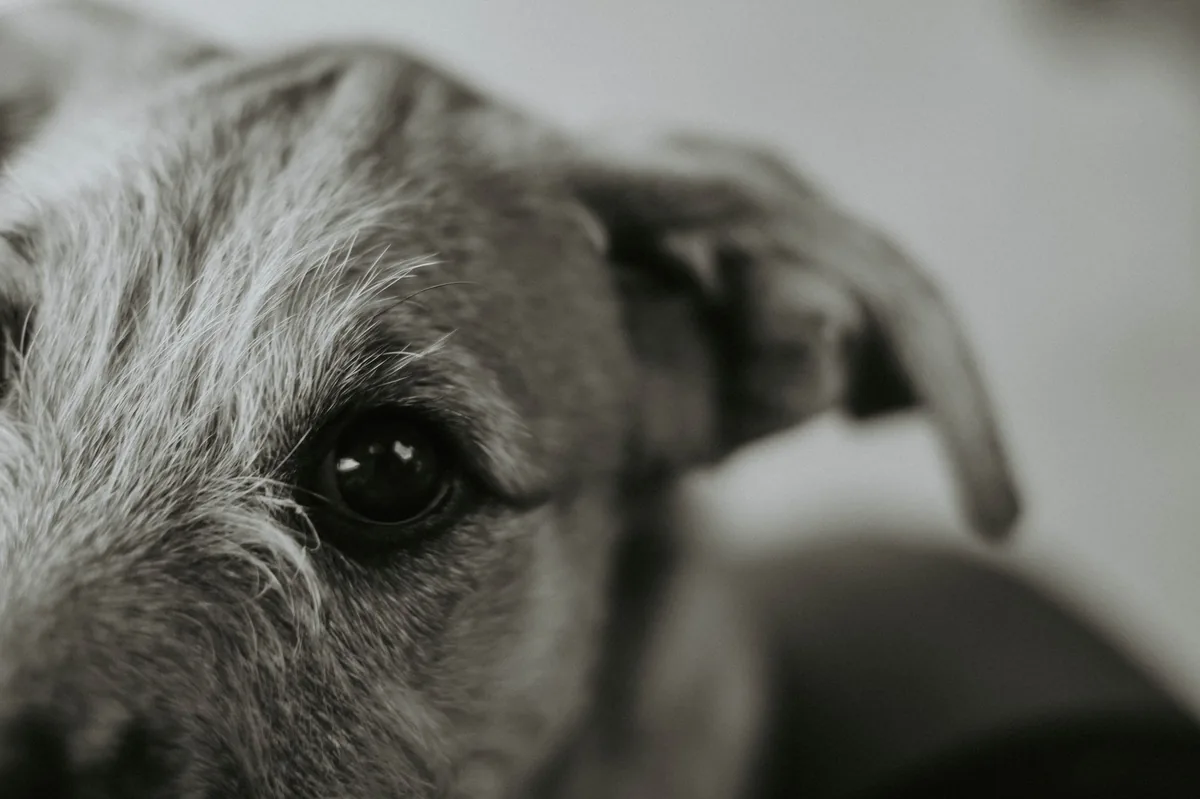
Distichiasis (pronounced dis‑ti‑KAI‑uh‑sis) is a condition where a second row of eyelashes, called “distichial hairs,” grow from the meibomian glands along the eyelid margin. These hairs are usually fine, but because they emerge from an abnormal spot, they can rub against the cornea—the clear front surface of the eye—causing irritation, inflammation, or even ulceration.
In dogs, the condition is relatively uncommon but not rare. Studies from the American College of Veterinary Ophthalmologists (ACVO) estimate that about 1–2 % of dogs present with some form of eyelash abnormality, and distichiasis makes up the majority of those cases. It can affect any age, but many dogs are diagnosed between 6 months and 4 years, when the extra hairs become long enough to cause problems.
What causes it?
Distichiasis can be primary (hereditary) or secondary (acquired). The most common causes include:
| Category | Typical cause | Notes |
|---|---|---|
| Genetic predisposition | Inherited trait | Seen in certain breeds; often autosomal dominant with variable expression. |
| Congenital eyelid malformation | Abnormal development of meibomian glands | Can accompany other eye anomalies. |
| Acquired irritation | Chronic inflammation, trauma, or surgery | Scarring can cause hairs to grow in the wrong direction. |
Breed predisposition is well documented. According to the American Kennel Club (AKC) and ACVO, the following breeds have a higher incidence of distichiasis:
- Yorkshire Terrier
- French Bulldog
- Boston Terrier
- Miniature Schnauzer
- English Cocker Spaniel
- Jack Russell Terrier
- Shih Tzu
- Chihuahua
While genetics play a big role, environmental factors—like chronic eye infections or trauma—can also trigger secondary distichiasis in otherwise low‑risk breeds.
Signs and symptoms
Owners often notice the problem when the dog begins to rub, blink excessively, or develop a cloudy appearance in the eye. Early signs can be subtle, while severe cases may lead to corneal ulcers or vision loss.
| Severity | Typical signs |
|---|---|
| Mild | Occasional blinking, brief pawing, slight redness (conjunctival hyperemia). |
| Moderate | Frequent pawing, tearing, visible extra hairs, mild corneal haze. |
| Severe | Corneal ulcer, scar tissue, persistent inflammation, reduced vision, possible blindness. |
Other clues include:
- Visible “extra” eyelashes emerging from the lid margin.
- “Fish‑eye” appearance when the eye looks glossy due to excess tear production.
- Blepharospasm—repeated involuntary closure of the eyelids.
- Behavioral changes such as reluctance to run or play because of eye discomfort.
When to call your vet
Call your vet today if:
- Your dog is rubbing or pawing at the eye more than a few times a day.
- You see any extra hairs near the eyelid margin.
- There is persistent redness, tearing, or swelling.
- The eye looks cloudy or you notice a change in your dog’s behavior.
Go to an emergency veterinary hospital right now if:
- The eye appears ulcerated (a white or gray spot on the cornea).
- Your dog is unable to keep the eye open.
- You notice sudden vision loss—your dog bumps into objects or seems disoriented.
- There is severe pain (yawning, whimpering, or guarding the face).
These guidelines are for information only. Always consult your own veterinarian for a definitive diagnosis and personalized care plan.
How vets diagnose it
The diagnostic workup combines a detailed history, a thorough eye exam, and sometimes imaging:
- History & physical exam: Your vet will ask when symptoms started, any previous eye problems, and breed background.
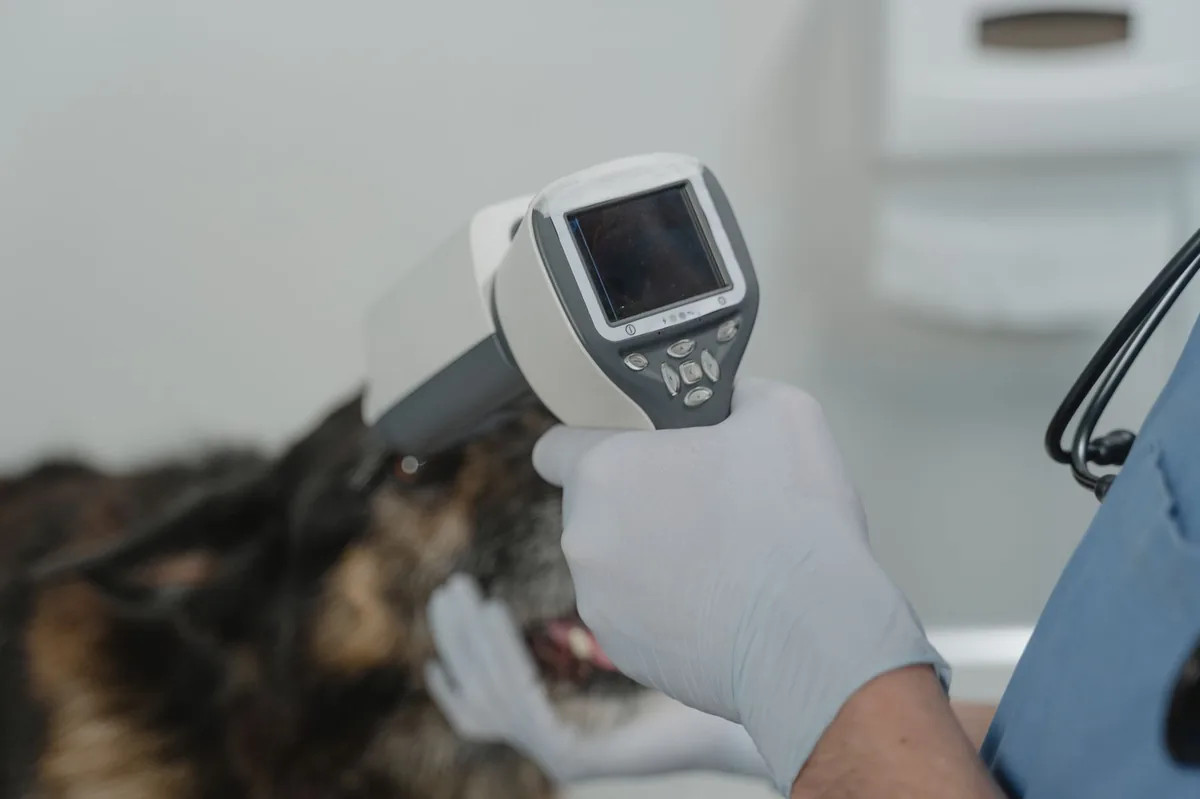
- Slit‑lamp biomicroscopy: A magnifying lens with a bright light lets the vet see the eyelid margin and count extra hairs.
- Fluorescein staining: A drop of dye highlights corneal abrasions or ulcers that may be hidden.
- Schirmer tear test: Measures tear production to rule out dry eye, which can worsen irritation.
- Ultrasound or CT (rare): In complex cases, imaging helps assess deeper eyelid structures.
All of these tests are painless, and the results guide whether medical management, laser ablation, or surgical removal is the best next step.
Treatment options
Medical treatment
When the extra hairs are few or the eye is only mildly inflamed, vets may start with medications to control irritation and prevent infection:
- Topical antibiotic ointments or drops (e.g., neomycin‑polymyxin‑bacitracin) to keep the cornea clean.
- Anti‑inflammatory eye drops such as cyclosporine or corticosteroid‑sparing options to reduce swelling.
- Lubricating artificial tears to protect the cornea and keep it moist.
These drugs are usually prescribed for a few weeks, and your vet will adjust based on response. Ask your vet about the best option for your dog’s specific situation.
Supplements and supportive care
While supplements can’t replace proper treatment, certain ones may help reduce ocular inflammation:
- Omega‑3 fatty acids (EPA/DHA)—found in fish‑oil supplements—have anti‑inflammatory properties and support tear film quality.
- Vitamin C and Vitamin E—antioxidants that may aid corneal healing.
Only give supplements that are formulated for dogs, and discuss the dosage with your vet. Over‑supplementation can cause gastrointestinal upset.
Procedures or surgery
When medical therapy isn’t enough, the goal is to remove or destroy the offending hairs. The main options are:
- Laser ablation (diode or argon laser): A focused beam vaporizes the hair follicles. It’s precise, usually done on an outpatient basis, and has a low recurrence rate.
- Electro‑cautery: Uses electric current to destroy follicles; similar to laser but may cause more tissue scarring.
- Surgical removal (cryotherapy or wedge resection): The eyelid is surgically altered to excise the abnormal hairs. This is more invasive and may require general anesthesia.
Most owners opt for laser ablation because it’s quick, has minimal discomfort, and often eliminates the need for additional surgery. Your vet will discuss the best choice based on the number of hairs, location, and your dog’s overall health.
Diet and nutrition
Good nutrition supports overall eye health and can aid recovery after any procedure. While there’s no “distichiasis diet,” feeding a balanced, high‑quality diet helps keep the ocular surface healthy.
Key dietary considerations:
- High‑quality protein: Supports tissue repair. Look for named animal proteins (e.g., chicken, salmon) as the first ingredient.
- Omega‑3 fatty acids: As mentioned, EPA/DHA from fish oil or algae improve tear film stability and reduce inflammation.
- Antioxidant‑rich foods: Vitamin C, vitamin E, lutein, and zeaxanthin (found in carrots, blueberries, and spinach) protect the retina and cornea from oxidative stress.
- Limited sodium and preservatives: Excess salt can increase fluid retention and may exacerbate swelling around the eye.
For dogs with chronic eye irritation, many veterinarians recommend a therapeutic “ocular health” diet. These are formulated to meet AAFCO nutrient profiles while providing added omega‑3s and antioxidants. Brands vary, and you can discuss options with your vet; we don’t endorse specific product names.
Below is a quick reference for feeding choices:
| Food type | Do feed | Limit / Avoid |
|---|---|---|
| Commercial kibble (AAFCO‑approved) | High‑protein, grain‑free or limited grain, added omega‑3. | Excessive fillers, artificial colors. |
| Wet or raw diet | Balanced raw with bone, organ, and muscle meat; ensure safe handling. | Unbalanced homemade recipes without vet guidance. |
| Therapeutic ocular diet | Prescribed by vet for dogs with chronic eye disease. | None—use as directed. |
| Supplements | Fish‑oil capsules (EPA/DHA 300–600 mg per day for a 20 lb dog). | Human‑dose fish oil, which can cause toxicity. |
Transition any new food gradually over 7–10 days to avoid gastrointestinal upset. Start with 75 % old food mixed with 25 % new, then increase the new food proportion each day.
Cost and prognosis
The financial aspect varies by region, severity, and treatment choice. Below are typical cost ranges (all estimates, based on 2024 US and UK pricing):
| Treatment | US (USD) | UK (GBP) |
|---|---|---|
| Initial ophthalmic exam & diagnostics | $150–$300 | £120–£250 |
| Topical medication (antibiotic + anti‑inflammatory) | $30–$80 | £25–£70 |
| Laser ablation (single session) | $400–$800 | £350–£650 |
| Electro‑cautery | $500–$900 | £400–£750 |
| Surgical removal (general anesthesia) | $1,200–$2,000 | £1,000–£1,600 |
| Post‑op medications & follow‑up visits (2‑3 weeks) | $100–$250 | £80–£200 |
Most dogs recover fully with appropriate treatment. The prognosis is excellent for mild cases and good for moderate cases when managed promptly. In severe, chronic cases where corneal scarring has occurred, vision may be compromised, but comfort can still be restored.
Prevention and home care
While you can’t change genetics, you can reduce the risk of irritation and recurrence:
- Regular eye checks: Look for extra hairs during grooming, especially in predisposed breeds.
- Keep the eye clean: Gently wipe away discharge with a damp, sterile gauze pad. Avoid rubbing.
- Control infections: Promptly treat any conjunctivitis or blepharitis to prevent secondary distichiasis.
- Protect from trauma: Keep sharp toys or rough play away from the face.
- Routine vet exams: Annual ophthalmic exams for high‑risk breeds help catch early changes.
After any procedure, follow these home‑care steps:
- Apply prescribed eye drops exactly as directed—usually 2–4 times daily for a week or as instructed.
- Use an Elizabethan collar (e‑collar) if your dog keeps pawing at the eye, to prevent self‑injury.
- Limit vigorous activity for 7–10 days; short leash walks are fine.
- Monitor for redness, discharge, or a return of extra hairs. If you notice any, contact your vet promptly.
Consistent monitoring and a balanced diet go a long way toward keeping your dog’s eyes clear and comfortable.
Vet’s note
From our vet team: “Distichiasis may sound scary, but most dogs respond well to laser ablation or careful medical management. The key is early detection—if you notice even a single stray eyelash causing irritation, bring your dog in. Timely treatment prevents corneal damage and keeps your companion’s eyes bright for years to come.”
Key takeaways
- Distichiasis is extra eyelashes that can irritate the eye; early signs include frequent pawing and redness.
- Breeds such as Yorkies, French Bulldogs, and Miniature Schnauzers are most prone, often due to hereditary factors.
- Medical therapy (eye drops, antibiotics) can soothe mild cases, while laser ablation is the preferred minimally invasive cure for most dogs.
- Typical costs range from $150 for diagnosis to $800 for laser treatment; surgical options can exceed $1,200.
- Feed a balanced diet rich in high‑quality protein, omega‑3s, and antioxidants, and keep regular eye checks to catch recurrence early.
Myth vs. fact
Myth: Distichiasis always leads to blindness.
Fact: Most dogs retain normal vision if the condition is treated before corneal scarring develops.
Myth: Only “purebred” dogs get distichiasis.
Fact: While certain breeds are predisposed, mixed‑breed dogs can develop the condition, especially after eye trauma.
Myth: Surgery is the only cure.
Fact: Laser ablation and careful medical management are effective, less invasive alternatives for many cases.
Frequently asked questions
What does distichiasis look like in a dog’s eye?
It appears as fine, extra hairs growing from the eyelid margin, often just above the normal lash line. The hairs may be white or match the coat color and can be seen when the eye is gently opened.
Why does my dog keep rubbing its eyes?
Rubbing is a sign of irritation. In distichiasis, stray eyelashes constantly brush the cornea, causing discomfort that leads the dog to paw at the eye. Other causes include allergies, conjunctivitis, or foreign bodies.
Is surgery the only cure for distichiasis?
No. While surgery (cryotherapy or wedge resection) can remove many hairs, laser ablation and electro‑cautery are minimally invasive procedures that destroy the hair follicles without removing tissue. Medical eye drops may also control mild irritation.
Will my dog need medication after distichiasis removal?
Yes, most dogs receive topical antibiotics and anti‑inflammatory drops for several days to a week post‑procedure. Your vet will tailor the regimen to prevent infection and reduce swelling.
How long does recovery take after eye surgery for distichiasis?
Recovery is usually quick—most dogs feel comfortable within 24–48 hours and return to normal activity in 7–10 days. Follow‑up exams are typically scheduled 2–3 weeks after the procedure.
Are there any non‑surgical treatments for distichiasis?
For mild cases, regular cleaning, lubricating eye drops, and anti‑inflammatory medications can control symptoms. However, the extra hairs will likely regrow, so many owners eventually choose laser ablation for a more permanent solution.
Ask the PuppaDogs community
Have a question this article didn’t fully answer? Want to compare notes with other dog owners who’ve been through this? Our community forum is moderated by experienced owners and vets — and answers tend to come fast. Ask in the PuppaDogs community →
References
- American College of Veterinary Ophthalmologists (ACVO). “Canine Distichiasis.” Clinical Guidelines, 2023.
- American Kennel Club (AKC). “Breed Health Surveys.” 2022.
- Merck Veterinary Manual. “Eye Disorders—Distichiasis.” 2024 edition.
- American Animal Hospital Association (AAHA). “Ophthalmology Standards.” 2023.
- World Small Animal Veterinary Association (WSAVA). “Ocular Health Recommendations.” 2022.
- Cornell University College of Veterinary Medicine. “Laser Therapy for Eyelash Abnormalities.” 2023.
- Veterinary Ophthalmology (2nd ed). Gelatt, K.N., et al. 2021.
- AVMA. “Guidelines for Pain Management in Veterinary Patients.” 2023.
- UC Davis Veterinary Medicine. “Nutritional Support for Eye Health.” 2022.
- Cost analysis compiled from US veterinary practice surveys and UK veterinary pricing guides, 2024.


