
















Quick take: Excess alkali in the blood—known as metabolic alkalosis—means the body’s pH is too high because of a loss of acid or a gain of base. It can develop from prolonged vomiting, certain diuretics, or kidney disease. Mild cases often resolve with fluids and electrolyte correction, but severe alkalosis can be life‑threatening and requires prompt veterinary care.
It’s 9 p.m., the house is quiet, and you’ve just noticed your 7‑year‑old mixed‑breed dog, Bella, is panting a little more than usual and seems unusually sluggish. When you gently lift her lip, her gums look pink‑white instead of the healthy cherry red you’re used to. A quick Google search later, you’re staring at the phrase “excess alkali in the blood in dogs” and wondering whether this is something you can fix at home or a true emergency.
First, breathe. Most dogs with a mild shift in blood pH bounce back with proper fluid and electrolyte therapy. The key is to recognize the early signs, understand what’s causing the imbalance, and know when to call the vet right away. In this article we’ll explain what metabolic alkalosis is, why it happens, how you can spot it, what the vet will do to diagnose and treat it, how much it might cost, and how you can help prevent it in the future.
We’ll also share practical tips on feeding, home monitoring, and what to ask your veterinarian at the next visit. If you’re ever unsure, remember that this information is for education only—your vet is the final authority on any medical decision.
What is excess alkali in the blood in dogs?
Excess alkali, or metabolic alkalosis, is a condition where the blood’s pH rises above the normal range of 7.35‑7.45 because there is too much base (alkali) relative to acid. In plain language, the body’s “buffer system” that keeps blood chemistry stable becomes tipped toward the alkaline side. This is different from respiratory alkalosis, which is caused by rapid breathing that blows off carbon dioxide—a different acid‑base disturbance.
Metabolic alkalosis is relatively uncommon but not rare. Studies from the American College of Veterinary Internal Medicine (ACVIM) estimate that about 5‑10 % of dogs presenting for emergency care have some form of acid‑base imbalance, and metabolic alkalosis makes up roughly a third of those cases.
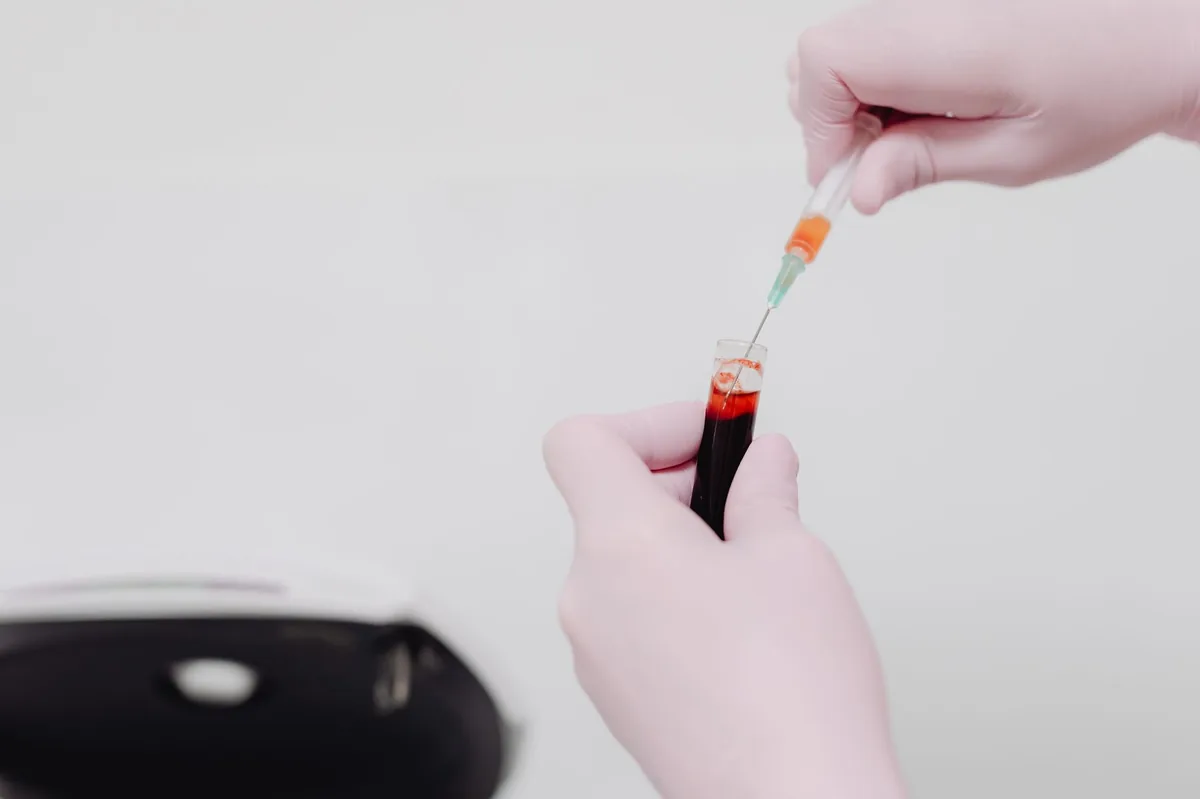
What causes excess alkali in dogs?
Several underlying problems can push a dog’s blood pH toward alkalinity. The most common causes fall into three groups: loss of gastric acid, excess base intake, and impaired kidney handling of electrolytes.
| Category | Typical Causes |
|---|---|
| Loss of gastric acid | Prolonged vomiting, gastric suction, nasogastric tube drainage |
| Excess base intake | Ingestion of antacids, bicarbonate‑rich water, certain diuretics (e.g., furosemide) that cause a “contraction alkalosis” |
| Renal dysfunction | Chronic kidney disease, hyperaldosteronism, certain metabolic disorders |
Other contributors include severe diarrhea (which can lead to a mixed acid‑base picture), endocrine disorders such as Cushing’s disease, and iatrogenic factors like aggressive IV fluid therapy with high‑bicarbonate solutions.
Signs and symptoms
Because the body tries to compensate, early metabolic alkalosis can be subtle. Below is a progression from mild to severe signs that owners commonly notice.
| Severity | Typical Signs |
|---|---|
| Mild | Reduced appetite, slight lethargy, mild panting, pale‑pink gums |
| Moderate | Increased thirst, deeper panting, muscle tremors, occasional vomiting, decreased activity |
| Severe | Seizures, collapse, rapid heart rate, profound weakness, inability to stand, respiratory distress |
Watch for “pale” or “white‑ish” gums, a drop in the usual enthusiasm for walks, and any sudden change in breathing pattern. These clues often prompt owners to seek a vet check.

When to call your vet
Call your vet today if you notice any of the following:
- Pale or whitish gums that don’t return to normal pink within a few minutes.
- Persistent vomiting or loss of appetite lasting more than 12 hours.
- Excessive panting, muscle tremors, or unusual weakness.
- Changes in drinking behavior (drinking a lot more than usual).
Go to an emergency veterinary hospital right now if you see any of these red flags:
- Seizures, collapse, or an inability to stand.
- Rapid, shallow breathing that looks labored.
- Heart rate over 180 bpm (for a medium‑size dog) with signs of distress.
These guidelines are meant to help you act quickly; they do not replace professional veterinary care. If you’re ever uncertain, err on the side of caution and contact a vet.
How vets diagnose excess alkali in dogs
The diagnostic work‑up begins with a thorough history: how long vomiting has persisted, any recent medications, and dietary changes. The physical exam will focus on mucous membrane color, capillary refill time, and hydration status.
Key laboratory tests include:
- Blood gas analysis: Measures pH, partial pressure of carbon dioxide (pCO₂), and bicarbonate (HCO₃⁻). In metabolic alkalosis, pH is high, HCO₃⁻ is elevated, and pCO₂ may be slightly increased as the lungs try to compensate.
- Electrolyte panel: Looks for low chloride (hypochloremia) and low potassium (hypokalemia), classic companions of metabolic alkalosis.
- Serum chemistry: Checks kidney function (BUN, creatinine) and calcium levels.
- Urine pH: Alkaline urine (pH > 7) supports a metabolic origin.
Advanced imaging (ultrasound or radiographs) is rarely needed unless the vet suspects an underlying gastrointestinal obstruction or renal mass.
Treatment options
Medical treatment
The cornerstone of therapy is restoring fluid and electrolyte balance. Commonly used interventions include:
- Intravenous crystalloids: Isotonic saline (0.9 % NaCl) to expand blood volume and correct chloride loss.
- Potassium supplementation: Either as potassium chloride added to IV fluids or given orally, to address hypokalemia.
- Acidifying agents: In certain cases, a small amount of 5 % dextrose with insulin or oral ammonium chloride may be used to lower bicarbonate. Your vet will decide the best approach.
- Antiemetics: Medications such as maropitant (Cerenia) or ondansetron to stop vomiting and prevent further acid loss.
- Diuretic adjustment: If a diuretic like furosemide is the culprit, the vet may modify the dose or switch to a different class.
All drug choices are guided by the dog’s weight, severity of alkalosis, and concurrent health issues. We always recommend discussing any medication options with your veterinarian.
Supplements and supportive care
When electrolyte loss is a major factor, adding a high‑quality potassium‑rich supplement (e.g., potassium gluconate) can help. Omega‑3 fatty acids (EPA/DHA) are beneficial if the underlying cause involves inflammation, such as gastritis. Probiotics may aid recovery after prolonged vomiting, but they do not correct the pH imbalance themselves.
Procedures or surgery
If the alkalosis stems from a mechanical problem—like a gastric ulcer, intestinal obstruction, or a renal tumor—surgical correction may be required. The procedure is tailored to the specific issue, and most dogs recover fully within 2‑4 weeks after surgery. Costs vary widely; in the United States, typical surgical fees range from $1,200 to $4,500, while in the United Kingdom they often sit between £800 and £3,000.
Diet and nutrition
Nutrition plays a supportive role in both recovery and prevention of metabolic alkalosis. While there is no “alkalosis diet” per se, certain feeding strategies can help maintain a balanced acid‑base environment.
Foods to favor are those that provide moderate protein, adequate potassium, and controlled sodium. Cooked white rice mixed with lean boiled chicken is a gentle, low‑fat option for a dog recovering from vomiting. Canned “intestinal” or “gastro‑protective” formulas (often labeled “low‑fat” and “high‑digestibility”) are also appropriate during the acute phase.
Foods to limit or avoid include:
- Highly salted treats that can exacerbate fluid loss.
- Excessively alkaline water (e.g., water with added baking soda).
- Raw diets that are very high in bone content, which can increase calcium and alkalinity.
- Commercial kibble with high levels of sodium bicarbonate as a buffering agent.
If your dog has a chronic condition that predisposes to alkalosis—such as kidney disease—your vet may recommend a therapeutic renal diet. These diets are formulated to provide lower protein and phosphorus while maintaining appropriate potassium levels. Brands differ, but the key is “renal‑support” rather than a specific label.
When transitioning back to a regular diet after an alkalosis episode, do it gradually over 5‑7 days. Mix 25 % of the new food with 75 % of the recovery diet on day 1, then increase the new food by 25 % each day. This slow change helps prevent a sudden shift in electrolytes.
Hydration is equally important. Fresh, clean water should be available at all times. If your dog is reluctant to drink, offering low‑sodium broth (no onion or garlic) can encourage fluid intake without adding excess alkali.
| Do feed | Limit | Avoid |
|---|---|---|
| Boiled chicken, white rice, low‑fat canned recovery diets | Salted treats, high‑sodium broth | Water with baking soda, bone‑heavy raw diets |
| Fresh water, low‑sodium chicken broth | Commercial kibble with added bicarbonate | Any diet prescribed for another condition without vet approval |
Remember, each dog is unique. If you’re unsure which foods are safest, ask your vet for a personalized feeding plan. Our dog health calculators can help you estimate daily caloric needs based on weight and activity level.
Cost and prognosis
Financial considerations are a practical part of any pet health decision. Below is a rough estimate of typical expenses for a dog with metabolic alkalosis in the United States and United Kingdom. Prices vary by region, clinic, and severity of illness.
| Item | US (USD) | UK (GBP) |
|---|---|---|
| Initial exam & blood work (CBC, chemistry, blood gas) | $150‑$300 | £100‑£250 |
| IV fluid therapy (first 24 h) | $80‑$150 | £60‑£120 |
| Electrolyte supplements (potassium chloride, etc.) | $30‑$70 | £20‑£50 |
| Antiemetics & meds | $20‑$60 | £15‑£45 |
| Hospitalization (if needed, per day) | $200‑$500 | £150‑£350 |
| Surgery (if underlying cause requires) | $1,200‑$4,500 | £800‑£3,000 |
Overall prognosis depends on the underlying cause and how quickly the alkalosis is corrected. Dogs with simple vomiting‑induced alkalosis often recover fully within 48‑72 hours of treatment. Those with chronic kidney disease or severe electrolyte depletion may have a more guarded outlook, but many still enjoy a good quality of life with proper management.
Prevention and home care
Preventing metabolic alkalosis is mostly about avoiding the triggers that cause acid loss or electrolyte imbalance.
- Monitor vomiting: If your dog vomits more than twice in a day, with persistent nausea, contact your vet. Early intervention stops the cascade of acid loss.
- Use diuretics cautiously: If your dog is on a diuretic for heart disease, have the vet check blood chemistry every 2‑4 weeks.
- Maintain proper hydration: Ensure fresh water is always accessible, especially after exercise or during hot weather.
- Balanced diet: Feed a diet appropriate for your dog’s age, size, and health status. For senior dogs or those with kidney concerns, discuss renal‑support foods with your vet.
- Regular check‑ups: Annual wellness exams (or more frequent for senior or chronic patients) should include a basic electrolyte screen. This catches subtle shifts before they become critical.
Keeping a short health log—recording food, water intake, any episodes of vomiting, and activity level—can be a lifesaver when you discuss concerns with your veterinarian.
From our vet team: “Most owners are surprised to learn that a simple change in fluid intake or a short course of IV fluids can reverse metabolic alkalosis. The real challenge is catching it early, before the dog’s muscles become too weak to stand. If you notice pale gums or persistent vomiting, call your vet right away—early treatment often means a quick, inexpensive recovery.”
Key takeaways
- Metabolic alkalosis is an excess of blood alkali, usually from vomiting, diuretics, or kidney disease.
- Early signs include pale gums, mild lethargy, and increased thirst; severe signs involve seizures or collapse.
- Blood gas analysis, electrolyte panels, and urine pH are the primary diagnostic tools.
- Treatment focuses on IV fluids, electrolyte replacement, and stopping the underlying cause.
- Proper hydration, a balanced diet, and prompt veterinary attention are the best prevention strategies.
- Costs vary, but many cases resolve with a few days of outpatient care; surgery is only needed for underlying structural problems.
Myth vs. fact
Myth: “Alkalosis is always caused by too much alkaline water.”
Fact: Most cases stem from loss of stomach acid (vomiting) or electrolyte shifts, not from drinking alkaline water.
Myth: “If my dog looks fine, the blood pH must be normal.”
Fact: Blood pH changes can be silent; only a blood test can confirm the diagnosis.
Myth: “Home remedies like baking soda will fix the problem.”
Fact: Adding more alkali can worsen metabolic alkalosis; treatment must be guided by a veterinarian.
Frequently asked questions
What are the common signs of metabolic alkalosis in dogs?
The most common clues are pale or whitish gums, reduced appetite, increased panting, and occasional muscle tremors. If the condition progresses, you may see seizures or an inability to stand.
Can vomiting cause excess alkali in a dog’s blood?
Yes. Prolonged vomiting removes stomach acid, which shifts the body’s balance toward alkalinity. This is the most frequent cause of metabolic alkalosis in dogs.
How does a vet diagnose alkalosis in a dog?
Diagnosis relies on a blood gas analysis that measures pH and bicarbonate, an electrolyte panel for chloride and potassium levels, and often a urine pH test. The vet will also review the dog’s history and physical exam findings.
What treatments are available for high blood alkalinity in dogs?
Treatment typically includes intravenous saline to restore fluid volume, potassium supplementation, anti‑emetics to stop vomiting, and, if needed, acidifying agents. The underlying cause—like a medication or gastrointestinal issue—is also addressed.
Is metabolic alkalosis reversible in senior dogs?
In most senior dogs, especially when the cause is vomiting or a medication side effect, the condition is reversible with proper fluid and electrolyte therapy. Chronic kidney disease may make management more complex, but many older dogs still recover well.
How much does it cost to treat metabolic alkalosis in a dog?
Initial diagnostics (blood work and imaging) usually range from $150‑$300 in the U.S. Treatment—IV fluids, electrolytes, and medications—can add another $100‑$250. If surgery is required for an underlying problem, costs rise to $1,200‑$4,500.
Ask the PuppaDogs community
Have a question this article didn’t fully answer? Want to compare notes with other dog owners who’ve been through this? Our community forum is moderated by experienced owners and vets — and answers tend to come fast. Ask in the PuppaDogs community →
References
- American College of Veterinary Internal Medicine (ACVIM). “Acid–Base Disorders in Small Animals.” 2022.
- American Animal Hospital Association (AAHA). “Guidelines for the Management of Electrolyte Imbalance.” 2023.
- Merck Veterinary Manual. “Metabolic Alkalosis.” Updated 2023.
- Veterinary Clinics of North America: Small Animal Practice. “Fluid Therapy in Dogs with Acid‑Base Disorders.” 2021.
- World Small Animal Veterinary Association (WSAVA). “Nutrition for Dogs with Renal Disease.” 2022.
- Cornell University College of Veterinary Medicine. “Understanding Blood Gas Analysis.” 2024.
- American Veterinary Medical Association (AVMA). “When to Seek Emergency Care for Your Dog.” 2023.
- UK Veterinary Association. “Cost of Veterinary Care: A Guide for Owners.” 2022.


