
















Quick take: Canine distemper is a highly contagious viral disease that primarily affects puppies and unvaccinated dogs. Early signs include fever, eye discharge, and a dry cough; the disease can progress to severe respiratory, gastrointestinal, or neurological problems. Prompt veterinary care and supportive treatment improve survival, while vaccination is the most effective prevention.
It’s 11 p.m., and you’ve just noticed your 8‑week‑old puppy, Max, is sneezing more than usual and his eyes look watery. He’s usually a ball of energy, but tonight he’s lying still, shivering, and you can’t find his usual bright, pink gums. The internet rabbit hole opens with alarming headlines about “distemper” and you wonder: “Is this serious? Can I do anything before the vet gets here?” You’re not alone—many owners first spot the subtle signs of distemper in the quiet moments just before bedtime.
We understand how frightening it feels to see your dog sick and to hear a scary word like “distemper.” The good news is that with early detection, supportive care, and the right vaccinations, many dogs recover fully. In this guide we’ll explain what canine distemper is, why it spreads, the signs to watch for, how vets confirm the diagnosis, and what treatment and costs you can expect. We’ll also cover prevention, nutrition during recovery, and the best ways to keep your whole household safe.

What is Distemper in Dogs?
Canine distemper is caused by the canine distemper virus (CDV), a member of the Paramyxoviridae family. The virus spreads through aerosolized droplets, direct contact with infected secretions, and contaminated objects such as food bowls or bedding. Once inhaled or ingested, CDV travels to the lymph nodes, multiplies, and then spreads to the respiratory, gastrointestinal, and nervous systems.
Distemper is one of the most common infectious diseases in dogs worldwide, especially in puppies under six months and in unvaccinated adults. According to the American Veterinary Medical Association (AVMA), outbreaks still occur in shelters and multi‑dog homes where vaccination rates are low. While any breed can be infected, certain breeds with known immune‑system sensitivities—such as the Rottweiler, Doberman Pinscher, and German Shepherd—may experience more severe disease.
What causes it?
Distemper arises when a dog is exposed to the virus. Several factors increase the risk of infection:
- Low vaccination status: Dogs that haven’t received the core DA2P vaccine (Distemper, Adenovirus, Parainfluenza, Parvovirus) are highly susceptible.
- Young age: Puppies have immature immune systems, making them especially vulnerable.
- High‑density environments: Shelters, breeding facilities, and dog parks where many animals mingle.
- Stress or concurrent illness: Illness or malnutrition can weaken immunity, facilitating viral replication.
- Exposure to wildlife: Raccoons, ferrets, and foxes can carry CDV and transmit it to dogs.
Signs and symptoms
Distemper progresses in stages, and symptoms can vary by organ system. Early signs are often mild and may be mistaken for a simple cold, while later signs can be life‑threatening.
| Stage | Typical signs | Severity |
|---|---|---|
| Early (1–4 days) | Fever, loss of appetite, watery eyes, nasal discharge, dry cough | Mild‑moderate |
| Intermediate (5–10 days) | Vomiting, diarrhea, abdominal pain, rapid breathing, skin discoloration (hard pad sign) | Moderate‑severe |
| Late (10+ days) | Neurological signs – tremors, ataxia, seizures, facial paralysis, chronic coughing | Severe‑critical |
Key red‑flag signs include persistent vomiting, inability to drink, sudden collapse, or any neurological changes such as loss of coordination. These indicate that the virus has moved beyond the respiratory tract and require urgent veterinary attention.
When to call your vet
Call your vet today if you notice:
- Fever above 103 °F (39.4 °C) lasting more than 24 hours
- Persistent coughing, nasal or eye discharge
- Loss of appetite or vomiting for more than 12 hours
- Any signs of neurological trouble (tremors, unsteady gait, seizures)
Go to an emergency veterinary hospital right now if your dog:
- Is unable to drink water or is severely dehydrated
- Has stopped breathing or is gasping
- Shows sudden collapse, seizures, or severe ataxia
- Has a rapid, irregular heartbeat (detected by a vet)
This article is for informational purposes only and does not replace professional veterinary care. Always consult your vet if you’re unsure.
How vets diagnose it
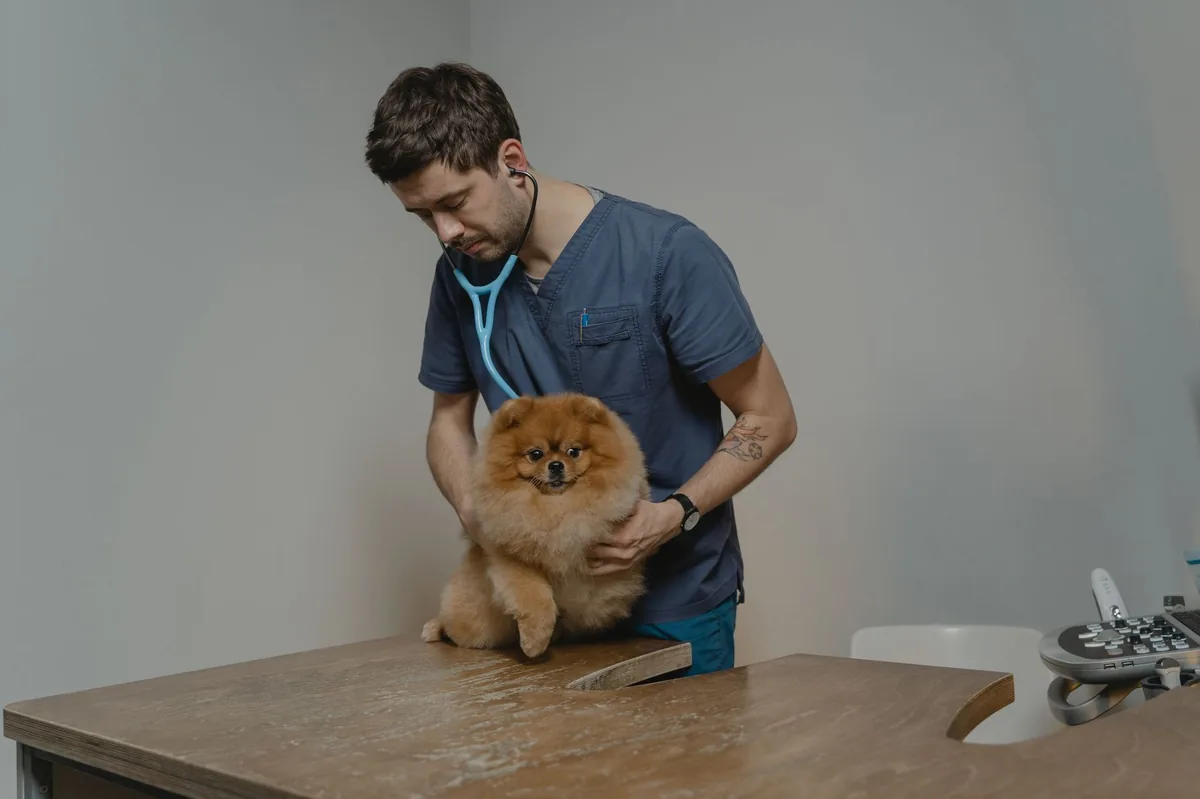
Diagnosis starts with a thorough history and physical exam. Vets look for the classic “hard pad sign,” conjunctivitis, and respiratory sounds. Laboratory tests then confirm the presence of CDV:
- PCR (polymerase chain reaction): Detects viral RNA from nasal, throat, or blood samples—highly sensitive and the gold standard (AAHA 2022 guidelines).
- Serology: Measures antibodies; a rising titer over a few days suggests active infection.
- Complete blood count (CBC): May reveal leukopenia (low white blood cells) and anemia.
- Chest X‑rays: Assess pneumonia or fluid accumulation in the lungs.
- CSF analysis (cerebrospinal fluid): In dogs with neurological signs, a lumbar puncture can show inflammatory changes.
Because early symptoms overlap with other infections like parvovirus, these tests help differentiate distemper from similar diseases.
Treatment options
Medical treatment
There is no cure that directly attacks CDV, so treatment focuses on supportive care to keep the dog comfortable while the immune system fights the virus. Commonly used medications include:
- Antibiotics: Broad‑spectrum agents such as amoxicillin‑clavulanate to prevent secondary bacterial pneumonia.
- Antivirals (off‑label): Some vets may discuss ribavirin or interferon‑α, though evidence is limited; always ask your vet about these options.
- Anti‑emetics: Maropitant (Cerenia) to control vomiting.
- Bronchodilators and cough suppressants: To ease breathing difficulties.
Hospitalization may be required for severe cases, especially when oxygen therapy or IV fluids are needed.
Supplements and supportive care
Adjunctive supplements can help bolster recovery:
- Omega‑3 fatty acids (EPA/DHA): Reduce inflammation in the lungs and brain.
- Probiotics: Support gut health during bouts of diarrhea.
- Vitamin C and E: Antioxidants that may aid immune function, though they should not replace prescribed meds.
Ask your vet whether these supplements are appropriate for your dog’s specific stage of disease.
Procedures or surgery
Distemper rarely requires surgery. In rare neurological cases, a veterinarian might perform a diagnostic brain MRI or, if seizures are uncontrolled, consider a ventriculoperitoneal shunt, but these are exceptional and usually part of a palliative plan.
Diet and nutrition
Nutrition is a cornerstone of recovery. While your dog is fighting an infection, the body needs easily digestible, high‑quality protein and plenty of fluids.
- High‑digestibility protein: Cooked chicken breast, boiled turkey, or a commercial recovery diet formulated for gastrointestinal support. These foods reduce the workload on the intestines.
- Hydration: Offer fresh water frequently; consider low‑sodium chicken broth or an electrolyte solution (e.g., Pedialyte diluted 1:1) if your dog won’t drink on his own.
- Frequent, small meals: Feeding 4–6 small meals a day helps maintain energy without overloading a weakened stomach.
- Limited fat: While omega‑3s are beneficial, keep overall fat moderate to avoid exacerbating gastrointestinal upset.
- Avoid: Raw bones, fatty treats, and highly processed kibble with artificial preservatives, as they can be harder to digest during illness.
Prescription therapeutic diets designed for “critical care” or “gastrointestinal recovery” are often recommended by vets. These formulas provide balanced calories, pre‑biotics, and antioxidants without the need for additional supplements.
| Food choice | Do feed | Limit | Avoid |
|---|---|---|---|
| Cooked lean protein (chicken, turkey) | Yes – small, frequent portions | None | None |
| Prescription recovery diet | Yes – as directed by vet | None | None |
| High‑fat treats | No | Occasional low‑fat treats | Fatty meats, raw bones |
| Commercial kibble (regular) | Limited – choose high‑quality, low‑additive | Switch to recovery formula if possible | Cheap, highly processed brands |
Transitioning back to a regular diet should be gradual. Over a week, mix increasing amounts of your dog’s normal food with the recovery diet, watching for any return of vomiting or diarrhea. Your vet may also recommend a short course of probiotics to re‑establish healthy gut flora.
Cost and prognosis
Treatment costs vary widely based on severity, location, and whether hospitalization is needed. In the United States, owners typically spend between $800 and $2,500 for a full course of diagnostics, IV fluids, antibiotics, and supportive care. In the United Kingdom, the range is roughly £600–£1,800. Hidden expenses can include:
- Follow‑up blood work and imaging
- Prescription therapeutic diets (often $30‑$70 per bag)
- Medications for seizures or chronic cough
- Potential isolation or boarding fees if the dog must be quarantined
Prognosis depends heavily on age, viral strain, and how early treatment begins. Puppies under three months have a survival rate of 50‑70 % when treated promptly, while older dogs fare better (up to 80 %). Neurological involvement reduces survival to 30‑50 % and may leave lasting deficits. Early detection and aggressive supportive care give the best odds for a full recovery.
Prevention and home care
The most reliable way to keep distemper at bay is vaccination. The core DA2P vaccine (often combined with rabies as a “5‑in‑1” shot) is administered as follows, per AAHA and WSAVA recommendations:
- First dose at 6–8 weeks of age
- Second dose 3–4 weeks later
- Third dose at 16 weeks
- Booster every 1–3 years, depending on vaccine type and local regulations
Additional preventive measures include:
- Quarantine new dogs: Keep any new puppy isolated for at least two weeks and ensure they’re fully vaccinated before mixing with household pets.
- Good hygiene: Regularly clean food bowls, bedding, and toys with a diluted bleach solution (1 part bleach to 32 parts water) to kill lingering virus particles.
- Limit exposure: Avoid dog parks or shelters during local outbreaks, and keep dogs away from wildlife such as raccoons.
- Regular health checks: Annual wellness exams let vets catch early signs of infection and keep vaccinations up to date.
Even after recovery, a dog may need ongoing monitoring for respiratory or neurological sequelae. Follow‑up visits every 2–4 weeks during convalescence help ensure any lingering issues are addressed promptly.
From our vet team: “Distemper can feel overwhelming, but remember that supportive care—fluid therapy, nutrition, and vigilant monitoring—makes a huge difference. The sooner you get to a vet, the better the chance your dog will bounce back. And never skip the core vaccine; it’s the strongest line of defense.”
Key takeaways
- Distemper is a viral disease spread by respiratory secretions; puppies and unvaccinated dogs are most at risk.
- Early signs include fever, eye/nasal discharge, and a dry cough—seek veterinary care within 24 hours of noticing them.
- Diagnosis relies on PCR testing, blood work, and imaging; treatment is supportive, not curative.
- Vaccination on schedule (DA2P) is the most effective prevention; maintain good hygiene and quarantine new dogs.
- During recovery, feed highly digestible protein, keep hydration high, and consider omega‑3 supplements under vet guidance.
- Costs can range from $800 to $2,500 (US) or £600 to £1,800 (UK); early intervention improves survival odds.
Myth vs. fact
Myth: “If my dog looks fine, the virus has gone away.”
Fact: Distemper can hide behind mild symptoms; the virus may still be active and cause serious complications later. Always have a vet confirm recovery.
Myth: “Distemper is only a problem for puppies.”
Fact: While puppies are most vulnerable, unvaccinated adult dogs can also contract distemper, especially if exposed to a high viral load.
Myth: “Home remedies can cure distemper.”
Fact: There is no home cure; only veterinary‑supervised supportive care can manage the disease and improve outcomes.
Frequently asked questions
What are the first symptoms of distemper in puppies?
The first signs usually appear 3–5 days after exposure and include a high fever, watery eyes, nasal discharge, and a dry, hacking cough. Owners often notice a loss of appetite and mild lethargy before more serious respiratory or gastrointestinal problems develop.
How is distemper diagnosed by vets?
Veterinarians confirm distemper primarily with a PCR test that detects viral RNA from nasal or throat swabs. They also use blood work to assess immune response and chest X‑rays to check for pneumonia; in neurological cases, a spinal tap may be performed.
Can distemper be cured or only managed?
There is no specific antiviral cure for distemper; treatment focuses on managing symptoms, preventing secondary infections, and supporting the immune system. With aggressive supportive care, many dogs recover fully, especially if treatment starts early.
Is distemper contagious to other pets?
Yes. The virus spreads through aerosol droplets, saliva, and contaminated objects. All unvaccinated dogs, and even some wildlife, can contract the disease. Keeping infected dogs isolated and practicing strict hygiene are essential to stop spread.
What is the typical cost of treating distemper in dogs?
In the United States, comprehensive treatment—including diagnostics, IV fluids, antibiotics, and hospitalization—usually costs between $800 and $2,500. In the United Kingdom, owners can expect £600–£1,800. Additional expenses may include prescription diets, follow‑up labs, and possible isolation boarding.
How can I prevent my dog from getting distemper?
The core DA2P vaccine is the most effective preventive measure. Follow the AAHA schedule: first dose at 6–8 weeks, boosters at 3–4 weeks intervals, and a final dose at 16 weeks, then revaccinate every 1–3 years. Combine vaccination with good sanitation, quarantine of new animals, and limiting exposure to wildlife.
Ask the PuppaDogs community
Have a question this article didn’t fully answer? Want to compare notes with other dog owners who’ve been through this? Our community forum is moderated by experienced owners and vets — and answers tend to come fast. Ask in the PuppaDogs community →
References
- American Animal Hospital Association (AAHA). “Core Vaccination Guidelines for Dogs,” 2022.
- American Veterinary Medical Association (AVMA). “Canine Distemper Overview,” 2023.
- World Small Animal Veterinary Association (WSAVA). “Vaccination Recommendations for Dogs,” 2021.
- Merck Veterinary Manual. “Canine Distemper” chapter, 12th edition.
- Veterinary Clinics of North America: Small Animal Practice. “Management of Viral Respiratory Diseases in Dogs,” 2020.
- University of California, Davis School of Veterinary Medicine. “Distemper Virus Pathogenesis,” 2022.
- American College of Veterinary Internal Medicine (ACVIM). “Diagnostic Testing for Canine Distemper,” 2021.
- American Kennel Club (AKC). “Breed Susceptibility to Canine Distemper,” 2022.
- Plumb’s Veterinary Drug Handbook. “Antibiotic Use in Viral Infections,” 9th ed., 2020.
- Cost.puppadogs.com. “Average Veterinary Service Fees,” accessed 2026.


