
















Quick take: DIC (Disseminated Intravascular Coagulation) is a life‑threatening cascade where a dog’s clotting system goes into overdrive, using up clotting factors and platelets so bleeding can occur everywhere. Early signs are subtle—pale gums, tiny bruises, or a sudden drop in energy—but the condition can progress rapidly. Prompt veterinary care, aggressive supportive therapy, and addressing the underlying trigger give many dogs a fighting chance.
It’s 11 p.m., the house is quiet, and you notice your 9‑year‑old mixed‑breed Labrador isn’t hopping up to greet you at the door. Instead, she lies on the couch, her tongue is a little paler than usual, and a faint pink bruise has appeared on her belly where she never had one before. Your heart races, you start Googling “pale gums and bruises,” and the term “DIC” pops up. You’re not alone—lots of owners discover DIC in the middle of the night, worried they’ve missed something crucial.
First, breathe. DIC can be frightening, but it’s also a symptom of an underlying problem that, if caught early, can be treated. In this guide we’ll explain exactly what DIC is, why it happens, how to spot it, what your vet will do to diagnose it, and what treatment, cost, and home‑care options look like. We’ll also give you clear red‑flag signals that mean you need to call the vet right now—or head to an emergency clinic.
By the end of this article you’ll know which diseases can trigger DIC, what early signs to watch for, how to support your dog during recovery, and how to help prevent the cascade from happening again.
What is DIC (Disseminated Intravascular Coagulation) in dogs?
DIC is a complex disorder where the body’s clotting system becomes hyperactive. Tiny clots form throughout the bloodstream, using up clotting proteins (like fibrinogen) and platelets. When the supply runs out, the dog can’t form normal clots, leading to uncontrolled bleeding from the gums, skin, gastrointestinal tract, or surgical sites. The condition is a secondary response—meaning it usually follows a serious illness such as severe infection (sepsis), cancer, or massive trauma.
In dogs, DIC is relatively uncommon but well‑documented in veterinary textbooks. Studies from the American College of Veterinary Internal Medicine (ACVIM) suggest that 10‑20 % of dogs with severe sepsis develop DIC, and the incidence rises in dogs with certain cancers (especially hemangiosarcoma). While any breed can be affected, larger breeds and senior dogs appear more frequently, likely because they are more prone to the underlying triggers.
What causes it?
Underlying triggers fall into three broad categories: infectious, neoplastic (cancer‑related), and traumatic or toxin‑related. Below is a quick reference.
| Category | Common Triggers |
|---|---|
| Sepsis / infection | Gram‑negative bacterial septicemia, leptospirosis, severe pyoderma, tick‑borne diseases (Ehrlichia, Babesia) |
| Cancer | Hemangiosarcoma, lymphoma, mast cell tumor, metastatic carcinoma |
| Trauma / toxins | Severe burns, crush injuries, snake venom, rodenticide poisoning, massive transfusion reactions |
| Other | Immune‑mediated diseases, pancreatitis, severe liver failure, major surgery |
Signs and symptoms
DIC can masquerade as ordinary bruising or mild illness, especially early on. Recognizing the pattern helps you act fast.
| Severity | Typical Signs |
|---|---|
| Mild | Pale or yellow‑tinged gums, small petechiae (tiny red dots) on the skin, mild lethargy, decreased appetite |
| Moderate | Visible bruising on the abdomen or limbs, nosebleeds, coughing up blood, vomiting blood (hematemesis), prolonged clotting time on a simple wound |
| Severe | Profuse bleeding from gums, rectal bleeding, hematuria (blood in urine), shock (weak pulse, rapid breathing), collapse |
Because DIC drains the clotting system, even a small cut can bleed excessively. Owners often notice a sudden change in gum color—healthy gums are pink, not pale or gray. Look for unexplained bruises, especially on the belly or inner thighs, and any sign of blood in vomit, stool, or urine.

When to call your vet
Call your vet today: Pale gums, new bruises, nosebleeds, or any unexplained bleeding that isn’t life‑threatening.
Go to an emergency clinic right now: Profuse bleeding from gums or wounds, vomiting blood, blood in stool or urine, rapid breathing, weakness, or collapse.
This information is for educational purposes only and is not a substitute for professional veterinary care.
How vets diagnose it
Diagnosing DIC starts with a thorough history—your vet will ask about recent illnesses, injuries, surgeries, or exposure to toxins.
- Physical exam: Checking gum color, checking for petechiae, assessing pulse and respiration.
- Blood work: Complete blood count (CBC) to look for low platelets and anemia; chemistry panel to evaluate organ function.
- Coagulation panel: Prothrombin time (PT) and activated partial thromboplastin time (aPTT) are often prolonged. Fibrinogen levels drop dramatically in DIC.
- D‑dimer test: Elevated D‑dimer indicates increased clot breakdown, supporting a DIC diagnosis.
- Imaging: Ultrasound or X‑ray may reveal internal bleeding (e.g., abdominal hemorrhage) or identify a tumor that could be the trigger.
Veterinarians follow guidelines from the American Animal Hospital Association (AAHA) and ACVIM when interpreting these results. A combination of low fibrinogen, high D‑dimer, thrombocytopenia, and prolonged clotting times is highly suggestive of DIC.
Treatment options
Medical treatment
The primary goal is to stop the underlying trigger while supporting the clotting system.
- Antibiotics: Broad‑spectrum antibiotics (e.g., ampicillin‑sulbactam) are used if sepsis is suspected. Your vet will choose agents based on culture results when possible.
- Anticoagulants: Low‑dose heparin or low‑molecular‑weight heparin (e.g., enoxaparin) can help prevent further micro‑clot formation. Your vet will dose based on weight and monitor clotting times closely.
- Blood products: Fresh frozen plasma (FFP) replenishes clotting factors, while packed red blood cells address anemia. Cryoprecipitate may be given for low fibrinogen. Ask your vet about these options.
- Immunosuppressants: If an immune‑mediated disease (like immune‑mediated hemolytic anemia) is driving DIC, drugs such as prednisone or cyclosporine may be added.
- Supportive fluids: IV crystalloids maintain blood pressure and organ perfusion, especially if the dog is in shock.
Supplements and supportive care
While supplements can’t replace medical therapy, a few have evidence for supporting recovery:
- Omega‑3 fatty acids (EPA/DHA): Anti‑inflammatory properties may help dampen the cascade. A high‑quality fish‑oil supplement, given with your vet’s approval, is safe for most dogs.
- Vitamin K1: In cases where a toxin (e.g., rodenticide) has blocked vitamin K, supplementation is essential. Your vet will administer injectable vitamin K before oral dosing.
- Probiotics: If the dog has concurrent GI upset, a probiotic can aid gut health, but it’s not a primary DIC treatment.
Procedures or surgery
Most DIC cases don’t require surgery, but if a tumor or internal bleed is identified, surgical removal or embolization may be necessary. Those procedures carry additional risk because of the clotting disorder, so they’re only performed after clotting parameters are stabilized.
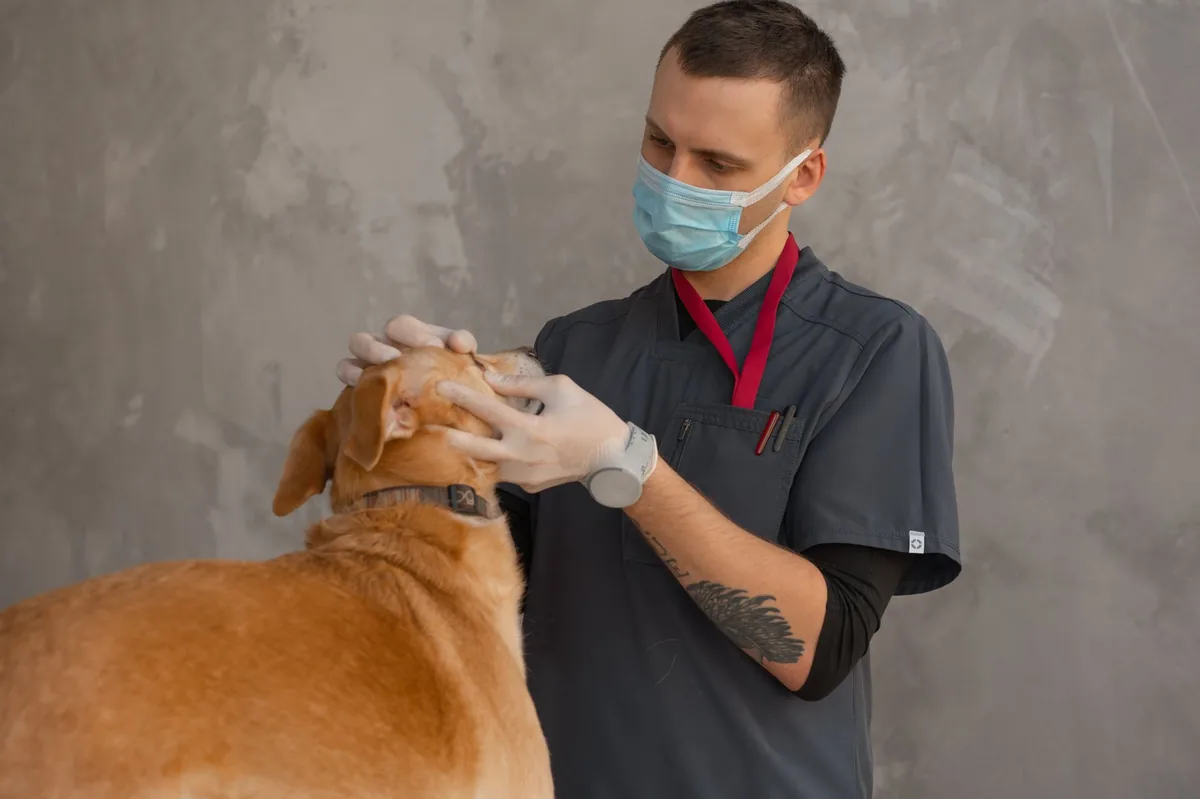
Diet and nutrition
Nutrition plays a supportive role during and after DIC, especially when the dog is recovering from anemia, bleeding, or an underlying disease like cancer.
Here are the main principles:
- High‑quality protein: Provide easily digestible protein (e.g., chicken, turkey, or a limited‑ingredient diet) to support red blood cell production. Aim for 18‑22 % protein on a dry matter basis, as recommended by the AAHA for recovering dogs.
- Moderate fat: Fat supplies calories without overloading the liver. Omega‑3‑rich fish oil can be added for its anti‑inflammatory benefits, but keep total fat under 15 % to avoid pancreatitis risk.
- Limited sodium: If the dog has fluid accumulation (common with DIC‑related organ dysfunction), a low‑sodium diet helps control edema.
- Iron and B‑vitamins: When anemia is present, foods rich in iron (e.g., lean beef, liver) and B‑vitamins (especially B12 and folate) aid recovery. A veterinary‑approved supplement can be used if dietary intake is insufficient.
- Hydration: Encourage water intake. Adding a little low‑sodium broth to meals can increase fluid consumption without adding excess calories.
Foods to avoid include:
| Do Feed | Limit | Avoid |
|---|---|---|
| Cooked lean meats, boiled potatoes, rice, cottage cheese | High‑fat treats, bone broth with fat | Raw bones (risk of splintering), high‑salt canned foods, fatty table scraps |
If your dog has an underlying cancer, a prescription renal or oncologic diet may be recommended by your vet. These diets are formulated to be highly digestible, moderate in protein, and low in phosphorus, which can reduce the workload on kidneys that may already be stressed by DIC‑related blood loss.
When transitioning to a new diet, do it gradually over 5‑7 days: mix 25 % new food with 75 % old food on day 1, increase the new food by 25 % each day. This helps prevent GI upset, which could otherwise trigger further bleeding.
During recovery, feed small, frequent meals (3–4 times daily) rather than one large meal. This reduces the metabolic burden and helps maintain steady blood glucose, which is important for healing.
Cost and prognosis
Because DIC is an emergency, costs can vary widely based on the underlying cause, the severity of bleeding, and the need for intensive care. Below are typical US and UK cost ranges (all estimates, actual bills may differ).
| Service | US (USD) | UK (GBP) |
|---|---|---|
| Initial emergency exam & labs | $300‑$600 | £250‑£450 |
| Blood transfusion (FFP + RBC) | $400‑$800 per unit | £300‑£600 per unit |
| Heparin therapy (monitoring) | $150‑$300 | £120‑£250 |
| ICU stay (24 hrs) | $500‑$1,200 | £400‑£900 |
| Underlying disease treatment (e.g., antibiotics, chemotherapy) | $200‑$2,000+ | £150‑£1,500+ |
Prognosis depends heavily on the trigger and how quickly treatment begins. Dogs with DIC caused by sepsis have a survival rate of roughly 40‑60 % when aggressive care is provided, according to ACVIM guidelines. Those with cancer‑related DIC often have a poorer outlook because the underlying tumor may be advanced. Senior dogs can recover well if the underlying cause is treatable and supportive care is timely.
Prevention and home care
Because DIC is a secondary condition, preventing the primary disease is the most effective strategy.
- Vaccinations & parasite control: Keep your dog up‑to‑date on core vaccines and protect against ticks (e.g., using a vet‑approved product from Dog Questions Answered).
- Prompt treatment of infections: Any fever, vomiting, or unexplained lethargy should be evaluated quickly.
- Regular wellness exams: Early detection of cancers, liver disease, or immune disorders can stop DIC before it starts.
- Safe environment: Keep household chemicals and rodenticides out of reach. If you suspect toxin exposure, seek veterinary help immediately.
- Monitoring: For dogs with known risk factors (e.g., hemangiosarcoma), schedule periodic blood work to watch platelet counts and clotting times.
At home, you can help a recovering dog by:
- Providing a quiet, stress‑free space with easy access to water.
- Checking gums twice daily for color changes.
- Keeping the dog’s activity low‑impact (short leash walks) until the vet clears them for normal exercise.
- Following the diet guidelines above and maintaining a feeding schedule.
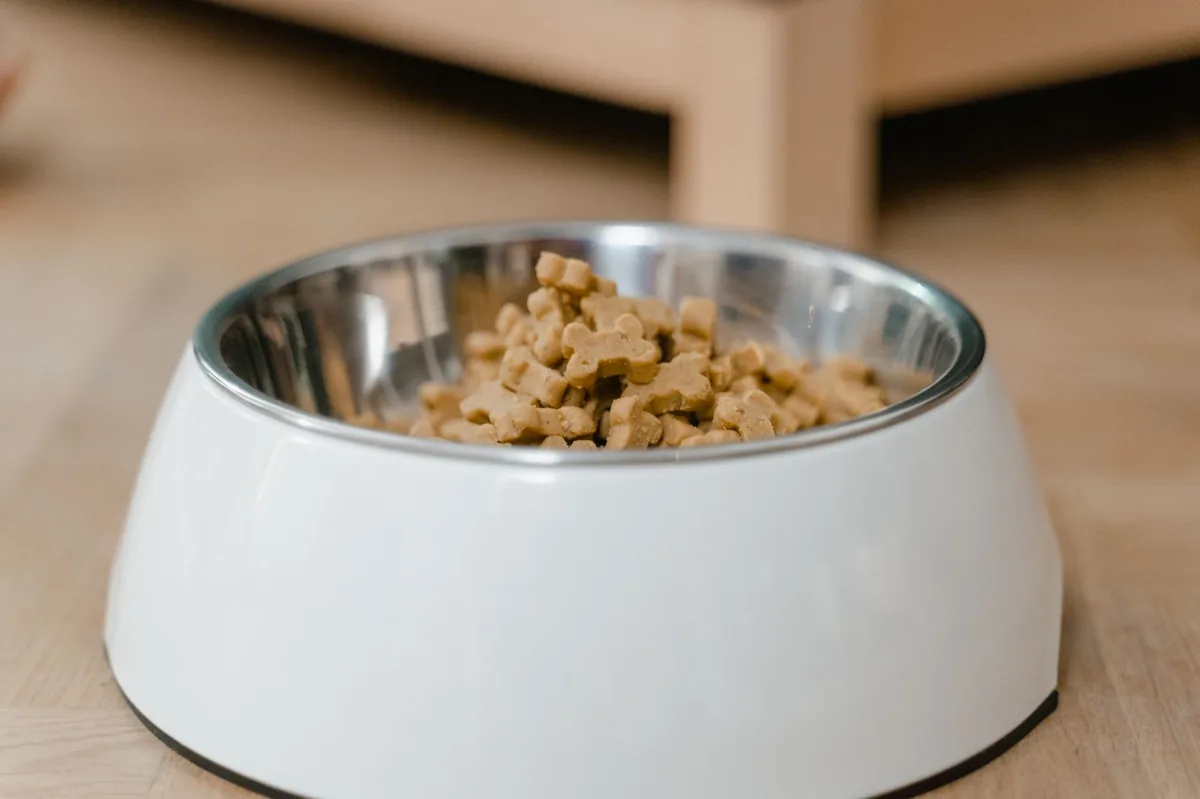
Cost and prognosis
Because DIC is an emergency, costs can vary widely based on the underlying cause, the severity of bleeding, and the need for intensive care. Below are typical US and UK cost ranges (all estimates, actual bills may differ).
| Service | US (USD) | UK (GBP) |
|---|---|---|
| Initial emergency exam & labs | $300‑$600 | £250‑£450 |
| Blood transfusion (FFP + RBC) | $400‑$800 per unit | £300‑£600 per unit |
| Heparin therapy (monitoring) | $150‑$300 | £120‑£250 |
| ICU stay (24 hrs) | $500‑$1,200 | £400‑£900 |
| Underlying disease treatment (e.g., antibiotics, chemotherapy) | $200‑$2,000+ | £150‑£1,500+ |
Prognosis depends heavily on the trigger and how quickly treatment begins. Dogs with DIC caused by sepsis have a survival rate of roughly 40‑60 % when aggressive care is provided, according to ACVIM guidelines. Those with cancer‑related DIC often have a poorer outlook because the underlying tumor may be advanced. Senior dogs can recover well if the underlying cause is treatable and supportive care is timely.
Prevention and home care
Because DIC is a secondary condition, preventing the primary disease is the most effective strategy.
- Vaccinations & parasite control: Keep your dog up‑to‑date on core vaccines and protect against ticks (e.g., using a vet‑approved product from Dog Questions Answered).
- Prompt treatment of infections: Any fever, vomiting, or unexplained lethargy should be evaluated quickly.
- Regular wellness exams: Early detection of cancers, liver disease, or immune disorders can stop DIC before it starts.
- Safe environment: Keep household chemicals and rodenticides out of reach. If you suspect toxin exposure, seek veterinary help immediately.
- Monitoring: For dogs with known risk factors (e.g., hemangiosarcoma), schedule periodic blood work to watch platelet counts and clotting times.
At home, you can help a recovering dog by:
- Providing a quiet, stress‑free space with easy access to water.
- Checking gums twice daily for color changes.
- Keeping the dog’s activity low‑impact (short leash walks) until the vet clears them for normal exercise.
- Following the diet guidelines above and maintaining a feeding schedule.
From our vet team: DIC feels overwhelming because it’s a race against time, but remember that it’s a symptom, not a diagnosis. Targeting the root cause—whether it’s an infection, tumor, or toxin—gives your dog the best chance. Keep a close eye on gum color and any new bruising, and don’t wait to call your vet if you notice anything out of the ordinary.
Key takeaways
- DIC is a secondary clotting crisis that can cause severe bleeding; early signs include pale gums, tiny bruises, and sudden lethargy.
- Common triggers are sepsis, cancer, major trauma, and toxins; addressing the underlying cause is essential for recovery.
- Immediate veterinary care—especially for rapid bleeding or shock—is critical; call your vet today for mild signs and go to an emergency clinic for severe bleeding.
- Treatment involves antibiotics, anticoagulants, blood product transfusions, and supportive fluids; supplements like omega‑3s and vitamin K may help when approved by your vet.
- Feed a high‑quality, easily digestible diet with adequate protein, moderate fat, and limited sodium; avoid raw bones and high‑salt foods during recovery.
- Cost can range from a few hundred to several thousand dollars/pounds; prognosis varies, but timely intervention dramatically improves survival odds.
Myth vs. fact
Myth: DIC only happens in older dogs.
Fact: While senior dogs are more commonly affected because they’re prone to underlying diseases, any dog of any age can develop DIC if exposed to a strong trigger.
Myth: DIC is the same as hemophilia.
Fact: Hemophilia is a genetic deficiency of clotting factors; DIC is an acquired, secondary condition that first creates too many clots and then exhausts the clotting system, leading to bleeding.
Myth: Home remedies can cure DIC.
Fact: DIC requires professional veterinary intervention; supportive home care can aid recovery but cannot replace blood products, anticoagulants, or treatment of the underlying disease.
Frequently asked questions
What causes DIC in dogs?
Most often DIC follows severe infection (sepsis), cancer (especially hemangiosarcoma), major trauma, or exposure to toxins like rodenticides. The underlying disease triggers an uncontrolled clotting cascade.
What symptoms should I watch for with DIC?
Watch for pale or gray gums, small red spots (petechiae) on the skin, bruising without injury, nosebleeds, vomiting blood, blood in stool or urine, and sudden weakness or collapse.
How is DIC different from regular clotting disorders?
Regular clotting disorders, like hemophilia, are usually genetic and cause a lack of clot formation. DIC starts with excess clotting throughout tiny vessels, which then uses up clotting factors, leading to dangerous bleeding.
Can DIC be reversed in dogs?
Yes, many dogs improve when the underlying cause is treated and supportive care (plasma, blood transfusions, anticoagulants) is provided. Early intervention improves the chance of reversal.
What tests does a vet run to confirm DIC?
Vets typically perform a complete blood count, chemistry panel, coagulation profile (PT, aPTT), fibrinogen level, and D‑dimer test. Imaging (ultrasound or X‑ray) may be added to find internal bleeding or a tumor.
Is there a long‑term outlook after a dog survives DIC?
Survivors often need ongoing monitoring for the original disease that caused DIC. With regular check‑ups and proper nutrition, many dogs return to a good quality of life, especially if the trigger was treatable infection rather than advanced cancer.
Ask the PuppaDogs community
Have a question this article didn’t fully answer? Want to compare notes with other dog owners who’ve been through this? Our community forum is moderated by experienced owners and vets — and answers tend to come fast. Ask in the PuppaDogs community →
References
- American College of Veterinary Internal Medicine (ACVIM). “Consensus Guidelines on Sepsis and DIC in Dogs.” 2022.
- American Animal Hospital Association (AAHA). “Guidelines for the Management of Coagulopathies.” 2023.
- Merck Veterinary Manual. “Disseminated Intravascular Coagulation.” 2021 edition.
- Plumb’s Veterinary Drug Handbook. “Heparin and Anticoagulant Dosing in Dogs.” 9th ed., 2020.
- Veterinary Clinics of North America: Small Animal Practice. “Cancer‑Associated Coagulopathies.” 2021.
- World Small Animal Veterinary Association (WSAVA). “Nutrition for Dogs with Hematologic Disorders.” 2022.
- Cornell University College of Veterinary Medicine. “Blood Transfusion Protocols in Small Animals.” 2023.
- AVMA. “Guidelines for Veterinary Use of Vitamin K1.” 2022.


