














Quick take: Diabetic ketoacidosis (DKA) is a life‑threatening metabolic emergency in dogs with diabetes. It develops when insulin is lacking, causing high blood sugar, dehydration, and a buildup of toxic ketones. Prompt veterinary care—IV fluids, insulin, and electrolyte correction—greatly improves survival, but costs can run into the thousands and careful home management is essential to prevent recurrence.
It’s 2 a.m., the house is quiet, and your 9‑year‑old mixed‑breed Labrador isn’t greeting you at the door. Instead, she lies on the rug, breathing shallowly, and her gums look a pale pink‑gray. You notice a faint, fruity smell on her breath and an unexpected puddle near her water bowl. Your heart races as you wonder: “Is this something I can fix at home, or do I need the vet right now?”
We’ve seen many owners describe that exact moment—when a normally spry diabetic dog suddenly becomes lethargic, refuses food, and shows a sweet, acetone‑like scent. The good news is that early recognition and rapid emergency treatment can turn a scary crisis into a recoverable episode. In this guide we’ll explain what diabetic ketoacidosis in dogs is, how to spot it, what the diagnostic workup looks like, the emergency treatment steps, expected costs, and how to keep your dog from slipping back into DKA.
Read on for a step‑by‑step plan, diet tips for the recovery phase, and clear signals for when you must call a vet or head to an emergency clinic.
What is diabetic ketoacidosis in dogs?
Diabetic ketoacidosis (DKA) is a severe complication of insulin‑dependent diabetes mellitus (type 1) in dogs. When insulin levels drop, glucose can’t enter cells for energy. The body then breaks down fat for fuel, producing acidic molecules called ketones. As ketones accumulate, the blood becomes more acidic, leading to dehydration, electrolyte imbalances, and organ dysfunction.
Although any diabetic dog can develop DKA, it is relatively uncommon compared with uncomplicated diabetes. The American College of Veterinary Internal Medicine (ACVIM) estimates that 5–10 % of newly diagnosed diabetic dogs may present in DKA at some point, especially if insulin is missed or the dog is stressed, ill, or anorexic.
What causes it?
DKA occurs when the balance between insulin, glucose, and ketone production is disrupted. The primary triggers are:
| Cause | How it leads to DKA |
|---|---|
| Missed or under‑dosed insulin | Insulin deficiency prevents glucose uptake, prompting fat breakdown and ketone formation. |
| Acute illness or infection | Stress hormones raise blood sugar and increase insulin needs; if not met, ketones rise. |
| Gastrointestinal upset (vomiting, diarrhea) | Loss of fluids and appetite reduces insulin administration and accelerates dehydration. |
| Pancreatitis | Inflammation damages insulin‑producing cells and triggers metabolic turmoil. |
| Stressful events (surgery, trauma) | Elevated cortisol and catecholamines spike glucose, overwhelming insulin supply. |
Breeds such as the Miniature Schnauzer, Poodle, and Cocker Spaniel have a higher predisposition to diabetes, and therefore a slightly higher risk of DKA if diabetes isn’t tightly managed.
Signs and symptoms
Early signs can be subtle, but they progress quickly. Below is a typical progression:
| Stage | What you may notice |
|---|---|
| Mild | Lethargy, decreased appetite, increased thirst, mild weight loss. |
| Moderate | Vomiting, diarrhea, rapid breathing, fruity/acetone breath, dry gums, pale mucous membranes. |
| Severe | Profound weakness, collapse, seizures, coma, marked dehydration, low blood pressure. |
Key red‑flag clues include a sweet smell on the breath, very dry gums, and any sudden change in behavior or appetite. If you see any of these, act fast.

When to call your vet
Call your vet today if you notice any of the moderate signs: vomiting, diarrhea, excessive thirst, dry or pale gums, or a fruity breath odor. These indicate that DKA may be developing and early veterinary intervention can prevent the crisis from worsening.
Go to an emergency animal hospital right now if your dog is collapsing, having seizures, is unresponsive, or shows severe dehydration (skin tenting, sunken eyes). These are life‑threatening emergencies.
This article is for informational purposes only and does not replace a hands‑on exam by a qualified veterinarian.
How vets diagnose diabetic ketoacidosis
The diagnostic workup is fast but thorough. Vets typically:
- Take a detailed history—insulin schedule, recent illnesses, appetite changes.
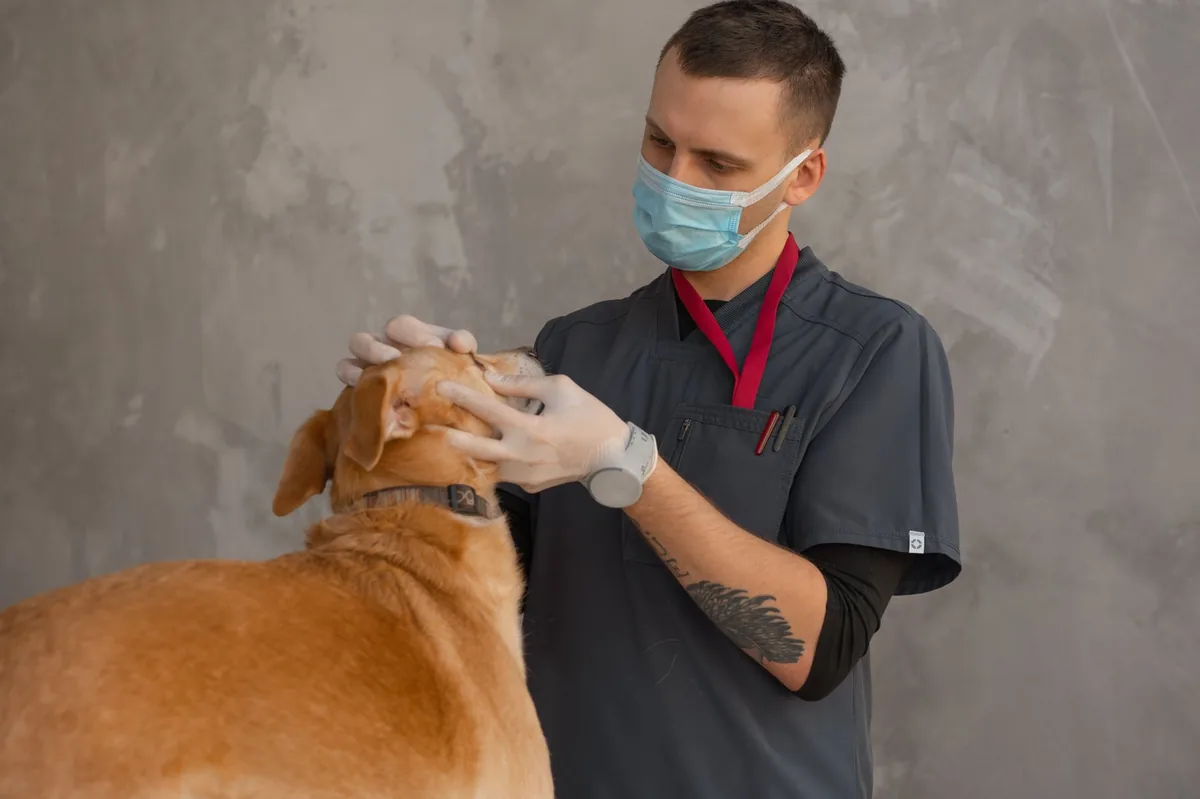
- Perform a physical exam—checking gum color, skin turgor, heart rate, and breathing.
- Run blood work—a complete blood count (CBC) and chemistry panel to assess glucose, electrolytes (especially potassium), and organ function.
- Measure blood pH and gases via a venous blood gas analyzer; DKA shows metabolic acidosis (low pH, low bicarbonate).
- Test for ketones—urine dipstick (positive for ketones) and/or a bedside blood ketone meter.
- Check for underlying triggers—urinalysis for infection, thoracic radiographs for pneumonia, abdominal ultrasound for pancreatitis.
These results let the vet confirm DKA, quantify the severity, and tailor the emergency plan.
Treatment options
Medical treatment
The cornerstone of DKA therapy is:
- IV fluid therapy—isotonic crystalloids (e.g., Lactated Ringer’s) to correct dehydration and improve perfusion.
- Insulin administration—usually a short‑acting insulin (regular or protamine‑zinc) given as a continuous rate infusion. Your vet will dose based on weight and blood glucose trends; ask your vet about this option.
- Electrolyte correction—especially potassium, which may fall dangerously low once insulin drives potassium into cells. Vets may give potassium‑chloride supplements via the IV line.
- Acid‑base management—if the acidosis is severe, a bicarbonate infusion may be considered, though many cases improve with fluids and insulin alone.
- Monitoring—continuous ECG, blood pressure, glucose, and ketone checks every 1–2 hours during the acute phase.
Supplements and supportive care
While the primary treatment is medical, supportive supplements can aid recovery:
- Omega‑3 fatty acids (EPA/DHA)—anti‑inflammatory properties that may help tissue healing; ask your vet about a high‑quality fish oil.
- Probiotics—to support gut flora after vomiting or diarrhea; look for strains like Enterococcus faecium that are proven in dogs.
- Vitamin B‑complex—some clinicians recommend B‑vitamins to assist metabolic recovery, especially if the dog has been anorexic for several days.
Procedures or surgery
Most DKA cases resolve with medical management alone. However, if an underlying cause such as a severe pancreatic abscess or intestinal obstruction is identified, surgery may be required. Recovery from such procedures can add 2–3 weeks to the overall convalescence period and increase the total cost.
Diet and nutrition
Nutrition is a critical piece of the recovery puzzle. After the acute crisis, the goal is to provide a highly digestible, moderate‑fat, moderate‑protein diet that maintains stable blood glucose while supporting overall health.
Key recommendations:
- High‑quality, low‑glycemic commercial diet—look for “diabetic” or “weight‑management” formulas that contain complex carbohydrates (e.g., barley, brown rice) and limited simple sugars. These diets help prevent sudden glucose spikes.
- Frequent, small meals—instead of one large bowl, feed 3–4 meals spaced evenly throughout the day. This steadies glucose absorption and reduces insulin demand.
- Highly digestible protein—such as chicken, turkey, or fish, which provides essential amino acids without overloading the kidneys.
- Moderate fat—avoid high‑fat treats that could trigger another ketone surge. Aim for ≤12 % fat on a dry‑matter basis.
- Fiber—soluble fiber (e.g., beet pulp) can blunt post‑prandial glucose rises.
- Hydration—ensure fresh water is always available; consider adding a little low‑sodium broth to encourage drinking if the dog is reluctant.
If your dog is already on a prescription renal or gastrointestinal diet, discuss with your vet whether a transition to a diabetic‑friendly diet is safe. A gradual 3‑day switch (mixing increasing amounts of the new food with decreasing amounts of the old) helps avoid gastrointestinal upset.
Below is a quick reference for feeding choices:
| Food type | Do feed | Limit | Avoid |
|---|---|---|---|
| Commercial diabetic diet | Yes – as main meal | None | — |
| Home‑cooked bland diet (boiled chicken + rice) | Yes – short‑term | Large portions | Bone broth with added salt |
| High‑fat treats, raw bones | — | — | Yes – can trigger ketones |
| Table scraps (bread, cheese) | — | — | Yes – high simple carbs |
During the first week after DKA, monitor your dog’s weight, appetite, and stool quality daily. If you notice persistent vomiting, diarrhea, or a return of lethargy, contact your vet promptly. Many owners find that using a diabetes dosage calculator helps keep insulin dosing accurate as the dog’s weight stabilizes.
Cost and prognosis
Treatment cost varies widely based on severity, geographic location, and whether hospitalization is needed. Rough estimates (US / UK) for a typical DKA episode are:
| Item | US (USD) | UK (GBP) |
|---|---|---|
| Emergency ER visit (first 24 h) | $800–$1,500 | £600–£1,200 |
| IV fluids & monitoring (per day) | $150–$300 | £120–£250 |
| Insulin therapy (dose + supplies) | $80–$150 | £70–£130 |
| Lab work (CBC, chemistry, blood gas, ketones) | $200–$400 | £150–£300 |
| Post‑crisis diet & supplements | $100–$250 | £80–£200 |
Overall, most owners spend between $1,500 and $3,000 for a full hospitalization and follow‑up care. Pet insurance that covers “illness” can offset a large portion of these fees; however, many policies have a waiting period or per‑incident deductible, so check your coverage details.
Prognosis is generally good if the dog receives timely treatment. Studies reported in the Merck Veterinary Manual show survival rates of 80–90 % for dogs that survive the first 24 hours of therapy. Long‑term outcomes depend on owner compliance with insulin, diet, and regular veterinary monitoring. Dogs that maintain stable glucose levels have a life expectancy comparable to diabetic dogs without a DKA episode.
Prevention and home care
Preventing a repeat DKA episode hinges on diligent diabetes management:
- Never miss insulin—use a daily reminder app or a treat‑based treat dispenser to keep the schedule consistent.
- Monitor glucose at home—portable glucometers can detect rising trends before ketones appear.
- Check for ketones—if glucose exceeds 300 mg/dL or the dog is ill, test urine with a ketone strip.
- Keep sick days covered—if your dog is vomiting, cannot eat, or shows signs of infection, contact your vet immediately; a temporary insulin dose adjustment may be needed.
- Regular vet check‑ups—quarterly blood work and physical exams catch early complications.
- Maintain a stable weight—obesity can increase insulin resistance; adjust portion sizes as your dog ages.
Many owners find that a simple daily log—recording insulin dose, glucose reading, food amount, and any “off” signs—helps keep the whole family on the same page. Our Dog Questions Answered page has printable templates you can use.
From our vet team: Early detection saves lives. If you ever smell a sweet, fruity odor on your dog’s breath or see a sudden drop in energy, treat it as an emergency. A quick call to your vet, even if you’re not sure, is always the safest move. We’ve seen dogs rebound fully when owners act within hours.
Key takeaways
- DKA is a medical emergency; call a vet immediately if you notice vomiting, fruity breath, or pale gums.
- Rapid IV fluids, insulin, and electrolyte correction are the core emergency treatments.
- Post‑crisis care focuses on a low‑glycemic, highly digestible diet, frequent small meals, and strict insulin adherence.
- Typical treatment costs range from $1,500–$3,000; pet insurance can reduce out‑of‑pocket expenses.
- Prevent recurrence by never missing insulin, monitoring glucose and ketones at home, and seeking veterinary help for any illness.
- With prompt care, most dogs survive DKA and can lead a normal, happy life.
Myth vs. fact
Myth: “If my dog’s blood sugar is high, it’s just hyperglycemia, not DKA.”
Fact: High blood sugar can coexist with DKA, but DKA adds dangerous ketone buildup and acidosis. Both require urgent veterinary attention.
Myth: “I can treat DKA at home with oral glucose and water.”
Fact: DKA needs IV fluids, insulin, and close monitoring—treatment at home is not safe and can be fatal.
Myth: “Once my dog recovers, DKA won’t happen again.”
Fact: Dogs with diabetes remain at risk; ongoing management and regular check‑ups are essential to prevent recurrence.
Frequently asked questions
What causes diabetic ketoacidosis in dogs?
DKA typically results from missed insulin doses, severe infection, gastrointestinal upset, or stress that raises blood sugar beyond what the current insulin regimen can control.
What are the symptoms of diabetic ketoacidosis in dogs?
Look for lethargy, vomiting, excessive thirst, dry pale gums, rapid breathing, and a fruity or acetone‑like breath odor—early signs may be subtle, but they progress quickly.
How is diabetic ketoacidosis diagnosed in dogs?
Veterinarians confirm DKA with blood tests (high glucose, low bicarbonate, low pH), urine or blood ketone strips, and a full chemistry panel to assess electrolytes and organ function.
Can diabetic ketoacidosis be treated at home?
No. DKA requires intravenous fluids, insulin infusions, and continuous monitoring in a veterinary setting. Attempting home treatment risks rapid deterioration.
What is the prognosis for a dog with diabetic ketoacidosis?
Survival rates are 80–90 % for dogs that receive prompt emergency care. Long‑term outlook depends on consistent diabetes management and preventing future crises.
How much does treatment for diabetic ketoacidosis cost?
In the United States, expect $1,500–$3,000 for hospitalization, labs, fluids, insulin, and follow‑up care. Costs vary by region and severity; pet insurance may cover a portion.
Ask the PuppaDogs community
Have a question this article didn’t fully answer? Want to compare notes with other dog owners who’ve been through this? Our community forum is moderated by experienced owners and vets — and answers tend to come fast. Ask in the PuppaDogs community →
References
- American College of Veterinary Internal Medicine (ACVIM). “Diabetes Mellitus in Dogs” consensus guidelines, 2022.
- American Animal Hospital Association (AAHA). “Diabetes Management Guidelines for Dogs,” 2023.
- Merck Veterinary Manual. “Diabetic Ketoacidosis in Dogs” chapter, 2021.
- World Small Animal Veterinary Association (WSAVA). “Nutritional Management of Diabetes,” 2022.
- Veterinary Clinics of North America: Small Animal Practice. “Emergency treatment of diabetic ketoacidosis,” 2020.
- Cornell University College of Veterinary Medicine. “Insulin Protocols for DKA,” 2021.
- AVMA. “Pet Insurance and Chronic Illness Coverage,” 2023.
- UK Kennel Club. “Breed predispositions to diabetes mellitus,” 2022.
