









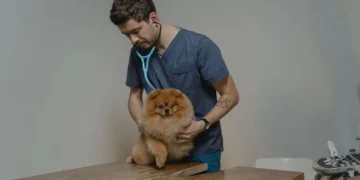






Quick take: Dietary reactions in dogs include true food allergies—immune‑mediated responses to specific proteins—and food intolerances, which are non‑immune digestive issues. Both can cause itching, ear problems, vomiting or diarrhea, and are managed with elimination diets, hypoallergenic foods, and sometimes medication. Prompt vet evaluation is key, especially if symptoms are severe.
It’s 9 p.m., the kitchen lights are off, and your 7‑year‑old mixed‑breed dog, Milo, is lying on the floor with his tail tucked between his legs. Earlier, you noticed his ears were red and his paws were covered in dry, flaky skin. A quick Google search for “dog itchy ears” sends you down a rabbit hole of possible causes, and you wonder: could this be a food issue?
You’re not alone. Many owners first spot a dietary reaction when a normally lively dog becomes unusually quiet, starts scratching, or has an upset stomach after a new treat. The good news is that most cases are manageable with the right diet and veterinary guidance. Below we break down everything you need to know—from the science of food allergies to practical steps for feeding, testing, and budgeting.
In this guide we’ll explain what dietary reactions are, list common trigger ingredients, describe how to spot the signs, outline when you should call a vet, and walk you through diagnosis, treatment, and long‑term prevention. We’ll also cover costs, prognosis, and answer the most common questions owners have.
What is dietary reactions in dogs?
Dietary reactions are any adverse response a dog has to something it eats. Veterinarians split them into two main categories:
- Food allergy – an immune system reaction, usually to a specific protein, that causes the body to release histamine and other chemicals. It’s similar to a human peanut allergy.
- Food intolerance – a non‑immune problem where the digestive tract can’t properly break down a component (like lactose or certain grains), leading to gastrointestinal upset.
Both conditions are relatively common. The American College of Veterinary Nutrition (ACVN) estimates that food allergies affect roughly 5–10 % of dogs, while intolerances may be even more frequent but often go unrecognized because the symptoms overlap with other issues.
What causes it?
Trigger ingredients fall into three broad groups. The table shows the most frequent culprits reported in veterinary practice.
| Category | Typical Triggers |
|---|---|
| Protein sources | Beef, chicken, lamb, pork, fish, dairy, egg, soy, duck, rabbit |
| Grains & carbs | Wheat, corn, barley, rice, oats, peas |
| Additives & fillers | Artificial colors, flavors, preservatives, propylene glycol, certain gums |
Genetics play a role—some breeds (e.g., Labrador Retrievers, Golden Retrievers, and Boxers) appear more prone to food allergies. Age matters too; younger dogs often develop allergies earlier, while older dogs may develop intolerances due to reduced enzyme activity.
Signs and symptoms
Symptoms can appear anywhere from a few minutes to several weeks after eating the offending ingredient. Below is a quick severity guide.
| Severity | Typical Signs |
|---|---|
| Mild | Occasional itchy paws, slight ear redness, soft stools |
| Moderate | Frequent scratching, hot spots, ear infections, vomiting, diarrhea |
| Severe | Persistent itching, skin infections, weight loss, chronic diarrhea, dehydration |
Key patterns that suggest a dietary reaction include:
- Itching that worsens after meals or treats.
- Recurrent ear infections (especially with a foul odor).
- Gastrointestinal upset that improves when you switch foods.
- Hair loss or flaky skin that doesn’t respond to flea treatments.
When to call your vet
Call your vet today if you notice any of the following:
- Persistent itching, hot spots, or redness that lasts more than a week.
- Repeated ear infections or discharge.
- Vomiting or diarrhea lasting more than 24 hours.
- Weight loss, lethargy, or signs of dehydration.
Go to an emergency veterinary clinic right now if you see:
- Severe vomiting or bloody diarrhea.
- Signs of anaphylaxis (swelling of the face, difficulty breathing, sudden collapse).
- Rapid onset of weakness or collapse after eating.
These guidelines are for information only and do not replace a hands‑on veterinary exam.
How vets diagnose it
Diagnosis is a stepwise process:
- History and physical exam – Your vet will ask about diet changes, symptom timing, and any previous allergies.
- Elimination diet trial – The gold standard. The dog is fed a novel protein (e.g., duck) or a hydrolyzed diet for 8–12 weeks while all other foods and treats are removed. Improvement suggests a food reaction.
- Blood or serum testing – Some labs offer IgE‑based allergy panels, but these are not fully reliable for dogs and are used mainly as adjuncts.
- Skin (intradermal) testing – Performed by a veterinary dermatologist; it can pinpoint specific allergens but is less common for food because the skin reaction may not correlate with gastrointestinal signs.
- Endoscopy or biopsy – Rarely needed, usually when other GI diseases must be ruled out.
All tests are interpreted in context; the elimination diet remains the most definitive method, per the AAHA 2022 Canine Nutrition Guidelines.
Treatment options
Medical treatment
While diet is the cornerstone, medications help control flare‑ups:
- Antihistamines (e.g., cetirizine, diphenhydramine) – May reduce itching; ask your vet about dosing.
- Corticosteroids (e.g., prednisone) – Used for severe inflammation, usually short‑term.
- Immunomodulators (e.g., cyclosporine) – For chronic cases where diet alone isn’t enough.
- Topical therapies – Medicated shampoos or sprays to soothe hot spots and prevent secondary infection.
All drug choices should be discussed with your vet, who will tailor them to your dog’s weight and health status.
Supplements and supportive care
Evidence‑based adjuncts can help skin health and gut comfort:
- Omega‑3 fatty acids (EPA/DHA) – Reduce inflammation and improve coat condition; a daily fish‑oil supplement is often recommended.
- Probiotics – Strains like Enterococcus faecium may aid digestion during a diet transition.
- Vitamin E and zinc – Support skin barrier function, especially if the dog is on a restricted protein diet.
Supplements are not a cure but can smooth the recovery period.
Procedures or surgery
Most dietary reactions are managed medically, but severe secondary skin infections sometimes require:
- Incision and drainage of hot spots.
- Skin grafts in rare, chronic cases.
Recovery from such procedures typically spans 2–4 weeks, and costs range from $150 USD for basic drainage to $1,200 USD for more complex reconstructive work.
Diet and nutrition
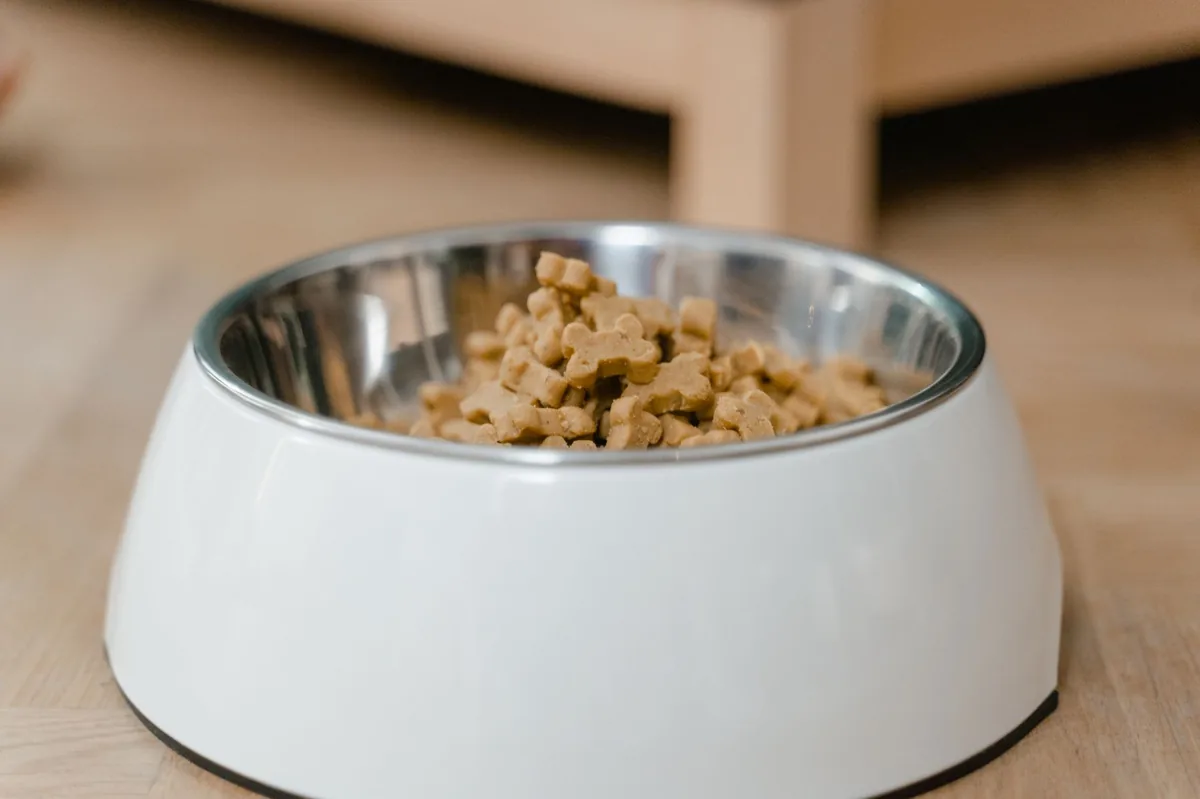
Feeding the right diet is the most effective way to control a food allergy or intolerance. Below we outline the three main strategies that veterinarians recommend.
Novel protein diets
A novel protein diet uses a protein source your dog has never eaten before—think duck, venison, or kangaroo. The idea is that the immune system hasn’t been sensitized to this protein, so it won’t trigger an allergic response. These diets are often grain‑free and come in both wet and dry forms.
Hydrolyzed protein diets
Hydrolyzed diets break protein molecules down into tiny fragments that are too small for the immune system to recognize as allergens. Commercially available hydrolyzed foods (e.g., Royal Canin Hydrolyzed, Hill’s Prescription Diet z/d) are formulated for both allergy testing and long‑term management.
Limited‑ingredient or hypoallergenic commercial foods
Limited‑ingredient recipes contain a single protein and a single carbohydrate source, making it easier to identify the culprit if a reaction recurs. Many senior‑dog lines also label themselves “hypoallergenic,” but they still need a trial period to confirm efficacy.
Below is a quick reference for what to feed, limit, or avoid.
| Do feed | Limit | Avoid |
|---|---|---|
| Novel protein (duck, venison, rabbit) | Grains if tolerated (rice, oatmeal) | Common allergens (beef, chicken, dairy, wheat, corn) |
| Hydrolyzed diet during trial | Treats with multiple ingredients | Artificial colors, flavors, preservatives |
| Omega‑3 supplement | High‑fat table scraps | Raw bones (risk of splintering) |
When transitioning to a new diet, follow a gradual 5‑day schedule: mix 20 % new food with 80 % old food on day 1, increase the new food by 20 % each day until you’re at 100 % new. This helps avoid digestive upset and lets you monitor for any lingering reactions.
For senior dogs with allergies, choose a diet that also supports joint health—look for added glucosamine, chondroitin, and omega‑3s. The Dog Questions Answered page has a deeper dive on senior nutrition.
Cost and prognosis
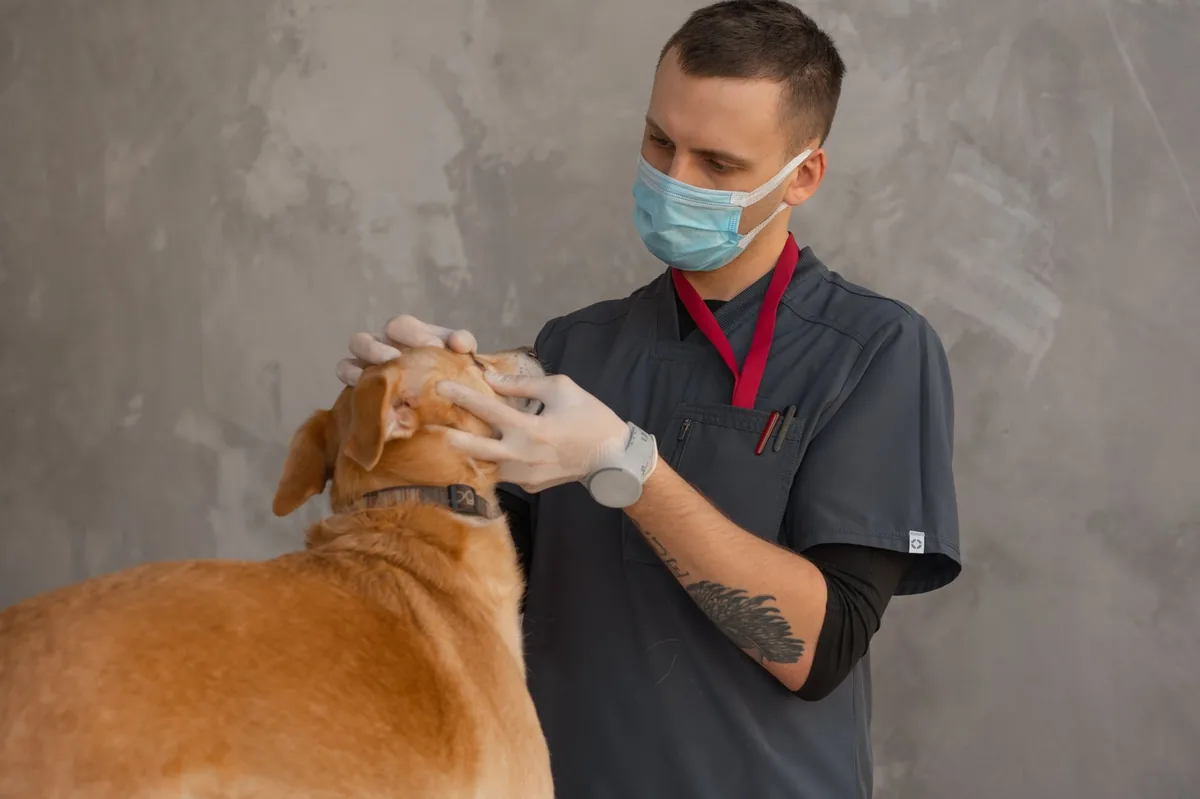
Expenses vary widely depending on the severity of the reaction, the type of diet, and the need for medication.
- Elimination diet trial – Commercial novel protein or hydrolyzed foods cost $30‑$80 USD per bag (approximately 30 lb). A 12‑week trial may run $200‑$600 USD.
- Allergy testing – Serum IgE panels range $150‑$300 USD; intradermal skin testing, when available, can be $250‑$500 USD.
- Medications – Antihistamines are inexpensive ($10‑$30 USD), while steroids or immunomodulators can be $30‑$150 USD per month.
- Specialty diets – Ongoing feeding of a hydrolyzed or limited‑ingredient diet may be $40‑$90 USD per month.
Prognosis is excellent for most dogs when the offending ingredient is identified and removed. Most owners see a noticeable reduction in itching within 2‑4 weeks of diet change. Long‑term control usually requires lifelong feeding of a suitable diet, but many dogs can live a normal, comfortable life.
Prevention and home care
Preventing future reactions is mostly about vigilance:
- Rotate proteins – Switch between two novel proteins every 6–12 months, but keep a record of what was used and when.
- Read labels – Look for “single protein source” and avoid foods with “by‑products” or “animal fat” listed first.
- Keep a food diary – Note treats, chews, and table scraps; even small bites can trigger a reaction.
- Regular vet check‑ups – Annual exams help catch skin or ear issues early. Your vet can also reassess the diet as your dog ages.
- Maintain good grooming – Regular baths with hypoallergenic shampoo reduce secondary skin infections.
For owners interested in calculating how much a diet change will cost, our cost calculator can give a personalized estimate.
From our vet team: The biggest mistake we see is stopping a diet trial too early. Give the elimination diet at least eight weeks—sometimes up to twelve—before deciding it didn’t work. Patience pays off, and your vet will guide you through each step.
Key takeaways
- Food allergies are immune‑mediated; food intolerances are digestive; both can cause itching, ear infections, vomiting, or diarrhea.
- Common triggers include beef, chicken, dairy, wheat, corn, and artificial additives.
- An 8‑12 week elimination diet with a novel or hydrolyzed protein is the most reliable diagnostic tool.
- Management relies on strict feeding of hypoallergenic diets, supplemented with omega‑3s and, when needed, short‑term medication.
- Costs range from a few hundred dollars for diet trials to several hundred for testing and ongoing specialty food, but most dogs achieve long‑term relief.
- Regular label reading, protein rotation, and veterinary check‑ups help keep future reactions at bay.
Myth vs. fact
Myth: Grain‑free diets are automatically safer for dogs with food allergies.
Fact: Grains themselves are rarely the allergen; it’s the protein source that matters. Grain‑free foods can still contain common protein allergens like chicken or beef.
Myth: All hypoallergenic foods cure allergies instantly.
Fact: Even hypoallergenic diets need an 8‑12 week trial to show improvement; some dogs may need additional medication or a different protein source.
Myth: Raw diets prevent food sensitivities.
Fact: Raw feeding can introduce new allergens (e.g., beef, pork) and carries bacterial risks; it’s not a guaranteed solution for allergies.
Frequently asked questions
How long should an elimination diet be trialed?
Most vets recommend an 8‑ to 12‑week period before judging success. Improvement often begins within 2‑4 weeks, but the full effect may take longer.
What are the most common triggers of food allergies in dogs?
Beef, chicken, dairy, wheat, and corn are the top offenders. Novel proteins like duck, venison, or fish are less likely to cause reactions.
Can I tell if my dog’s itching is from a food allergy or fleas?
Flea allergy dermatitis typically causes itching focused on the lower back, hind legs, and base of the tail, and it improves with flea control. Food‑related itching often involves the paws, ears, and face, and may flare after meals.
Do hypoallergenic dog foods really work?
When fed consistently for the full trial period, hypoallergenic diets (novel or hydrolyzed) resolve symptoms in 70‑90 % of allergic dogs, according to AAHA guidelines.
What diagnostic tests does a vet use for canine food allergies?
The gold standard is an elimination diet trial. Blood IgE panels and intradermal skin testing can support the diagnosis but are not definitive on their own.
How much does allergy testing cost?
Serum IgE panels typically cost $150‑$300 USD, while skin testing (when available) ranges from $250‑$500 USD. Your vet can discuss which option fits your budget and clinical needs.
Ask the PuppaDogs community
Have a question this article didn’t fully answer? Want to compare notes with other dog owners who’ve been through this? Our community forum is moderated by experienced owners and vets — and answers tend to come fast. Ask in the PuppaDogs community →
References
- American College of Veterinary Nutrition (ACVN). “Food Allergy Overview.” 2022.
- American Animal Hospital Association (AAHA). “Canine Nutrition Guidelines.” 2022.
- Merck Veterinary Manual. “Food Allergy, Dogs.” Updated 2023.
- Cornell University College of Veterinary Medicine. “Elimination Diets for Food Allergies.” 2021.
- World Small Animal Veterinary Association (WSAVA). “Guidelines for Diagnosis of Food Allergies.” 2020.
- American Veterinary Medical Association (AVMA). “Managing Food Intolerances in Dogs.” 2023.
- Hill’s Pet Nutrition. “Hydrolyzed Protein Diets for Allergic Dogs.” Product literature, 2022.
- Royal Canin. “Hypoallergenic Diets – Clinical Use.” Veterinary handbook, 2021.


