












Quick take: Destruction of the pituitary gland in dogs is a serious, often irreversible condition that leads to multiple hormone deficiencies. Prompt veterinary care, hormone replacement therapy, and careful lifelong management can give many dogs a good quality of life, but the outlook depends on the underlying cause, age, and how quickly treatment begins.
It’s 9 p.m., you’ve just noticed that your 12‑year‑old mixed‑breed, Bella, isn’t getting up from her favorite couch spot. Her eyes look dull, her tongue is dry, and when you gently press her gums they feel unusually thin. You’ve Googled “low energy and pale gums,” and the results keep flashing “pituitary gland problems.” Your heart races—could this be that scary thing you heard your vet mention?
First, breathe. A failing pituitary gland can cause a cascade of hormonal changes, but many of the signs overlap with other, more common illnesses. The good news is that with the right tests, a clear diagnosis is possible, and a combination of hormone replacement, diet tweaks, and regular monitoring can keep Bella comfortable.
In this guide we’ll explain what pituitary gland destruction is, why it happens, what to watch for, how vets confirm the diagnosis, and what treatment, cost, and long‑term care look like. We’ll also share practical tips for feeding, home monitoring, and preventing future problems, so you can feel confident making the next steps.
What is destruction of the pituitary gland in dogs?
The pituitary gland, often called the “master gland,” sits at the base of the brain and secretes hormones that regulate growth, metabolism, stress response, and water balance. When the gland is destroyed—by tumor invasion, inflammation, trauma, or loss of blood supply—it can no longer produce those hormones, leading to a condition known as hypopituitarism.
Hypopituitarism is relatively uncommon in dogs, accounting for less than 1 % of endocrine disorders seen in veterinary hospitals (AAHA 2023). However, because the pituitary influences so many body systems, even a small number of cases can have a big impact on the dogs that are affected.
What causes pituitary gland destruction?
Several disease processes can damage the pituitary gland. The most frequent are:
| Cause | Typical Mechanism |
|---|---|
| Tumors (adenomas or carcinomas) | Masses grow within the gland, compressing normal tissue and eventually destroying it. |
| Inflammation (hypophysitis) | Autoimmune or infectious inflammation erodes glandular cells. |
| Trauma or vascular events | Head injury or a sudden loss of blood flow (ischemia) can cause necrosis of pituitary tissue. |
| Congenital malformation | Rare developmental defects leave the gland under‑developed or structurally weak. |
Breeds with a known predisposition for pituitary tumors include the Poodles, Boxers, and Miniature Schnauzers (AKC 2022). Large‑breed seniors, especially Labrador Retrievers and Golden Retrievers, are more likely to develop vascular‑related damage.
Signs and symptoms
Because the pituitary controls many hormones, the clinical picture can be wide‑ranging. Early signs are often vague, while later signs become more dramatic.
| Severity | Typical Signs |
|---|---|
| Mild | Lethargy, decreased appetite, increased thirst (polydipsia), frequent urination (polyuria), mild weight loss. |
| Moderate | Dry, pale gums; thin coat; muscle weakness; episodes of low blood pressure; occasional vomiting. |
| Severe | Adrenal crisis (vomiting, diarrhea, collapse), severe hyponatremia, inability to regulate body temperature, seizures, coma. |
Specific hormone deficiencies produce recognizable patterns:
- ACTH deficiency: Low cortisol → poor stress tolerance, weakness, hypoglycemia.
- TSH deficiency: Low thyroid hormones → dull coat, cold intolerance, slow metabolism.
- ADH deficiency (central diabetes insipidus): Excessive water loss → extreme thirst and dilute urine.
- Growth hormone deficiency: Stunted growth in puppies, muscle wasting in adults.
When to call your vet
Call your vet today if you notice any of the following:
- Persistent lethargy or weakness lasting more than a few days.
- Unexplained increase in drinking and urination.
- Dry, pale gums or a noticeable change in coat quality.
- Vomiting, diarrhea, or loss of appetite that doesn’t resolve within 24 hours.
Go to an emergency veterinary hospital right now if your dog shows any sign of an adrenal crisis or severe dehydration, such as:
- Sudden collapse, trembling, or seizures.
- Very low blood pressure (weak pulse, faint gums).
- Profuse vomiting or diarrhea with inability to keep fluids down.
This article is for informational purposes only and does not replace a hands‑on veterinary exam.
How vets diagnose pituitary gland destruction
Diagnosing hypopituitarism is a stepwise process that combines history, physical exam, and targeted testing.
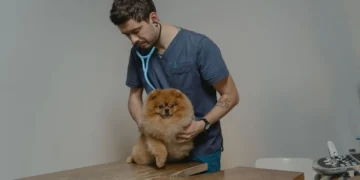
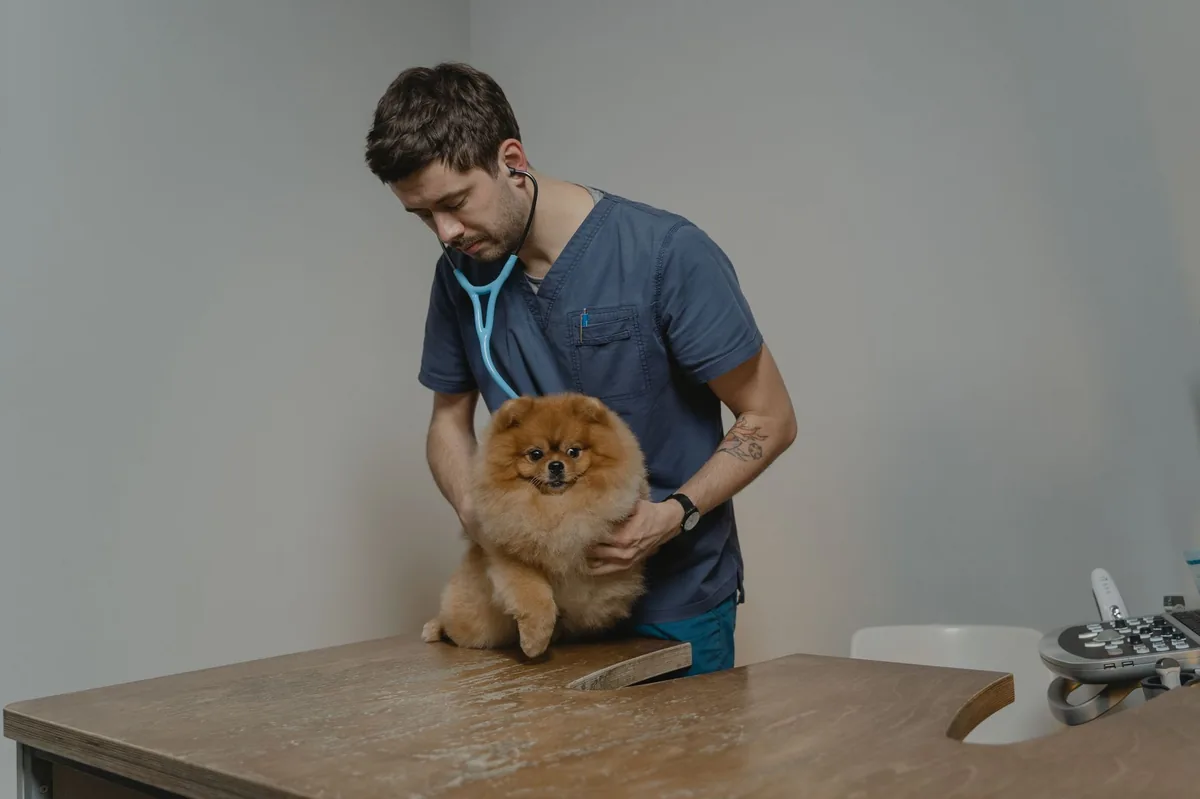
- History & physical exam: Your vet will ask about changes in appetite, thirst, urination, and energy, and will check gum color, skin elasticity, and overall demeanor.
- Blood work: A complete blood count (CBC) and chemistry panel reveal anemia, electrolyte imbalances, or low glucose. Specific hormone panels (cortisol, thyroid hormones, ADH) pinpoint which pituitary axes are affected (Merck Veterinary Manual).
- Stimulation and suppression tests: For example, an ACTH stimulation test evaluates adrenal response, while a thyrotropin (TSH) stimulation test assesses thyroid function.
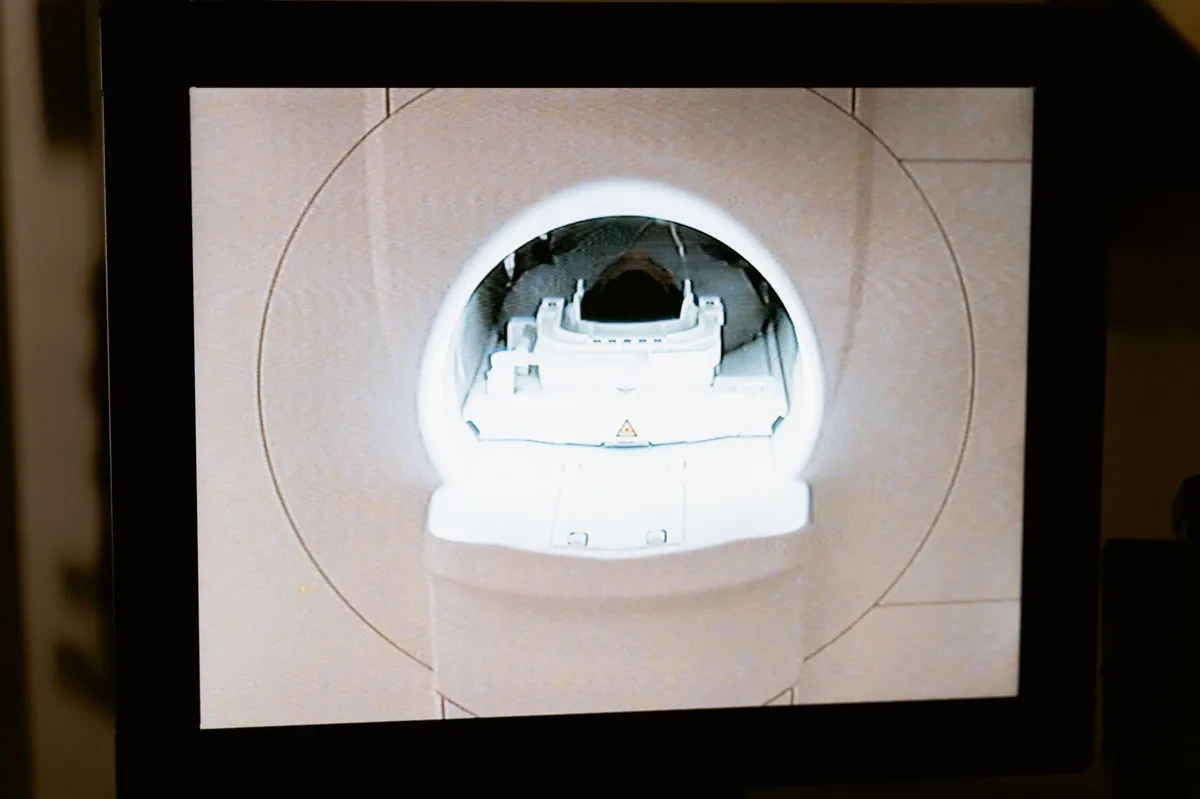
- Imaging: MRI is the gold standard for visualizing pituitary tissue and any tumor mass. If MRI isn’t available, a CT scan can still show structural changes (AAHA 2022 Imaging Guidelines).
- Urinalysis: Helps differentiate central diabetes insipidus from other causes of polyuria.
Treatment options
Medical treatment
When the gland cannot produce hormones, lifetime replacement therapy becomes the cornerstone of care. Commonly used medications include:
- Hydrocortisone or prednisone – replaces cortisol to prevent adrenal crisis. Your vet will tailor the dose to your dog’s weight and stress level.
- Levothyroxine (synthetic T4) – restores thyroid hormone for metabolism and coat health.
- Desmopressin (DDAVP) – a synthetic antidiuretic hormone used when ADH deficiency causes central diabetes insipidus.
- Thiazide diuretics or low‑salt diets – sometimes added to manage the water balance in dogs with diabetes insipidus.
Ask your vet about each of these options, especially how to adjust doses during illness or surgery.
Supplements and supportive care
Adjunctive supplements can help smooth the transition to hormone replacement, but they never replace prescription meds.
- Omega‑3 fatty acids (EPA/DHA) – reduce inflammation and support skin/coat health, which can be compromised by thyroid deficiency.
- Vitamin B complex – assists in energy metabolism, useful for dogs coping with cortisol loss.
- Probiotics – maintain gut health, especially if your dog is on long‑term steroids that can alter the microbiome.
Always discuss supplement brands and dosages with your vet to avoid interactions.
Procedures or surgery
When a tumor is the primary cause of pituitary destruction, surgical removal or radiation may be curative.
- Transsphenoidal hypophysectomy: A minimally invasive approach that removes the tumor through the nasal cavity. Recovery typically takes 2–3 weeks, and costs range from $8,000–$12,000 (US) or £6,500–£10,000 (UK).
- Radiation therapy (fractionated or stereotactic radiosurgery): Targets the tumor while sparing surrounding brain tissue. A full course of 12–15 treatments can cost $5,000–$9,000 (US) or £4,000–£7,500 (UK).
Both options require specialized centers and a thorough discussion of risks, especially in senior dogs.
Diet and nutrition
While hormone replacement does most of the heavy lifting, diet can support overall stability and reduce stress on the endocrine system.
Key nutritional goals for dogs with pituitary insufficiency are:
- Maintain a stable blood glucose level – especially important when cortisol is low.
- Provide high‑quality, highly digestible protein to preserve lean muscle mass.
- Control sodium intake if diabetes insipidus is present, to help manage water balance.
- Supply adequate calories without over‑feeding, as a slowed metabolism can lead to weight gain.
Below is a practical feeding guide:
| Category | What to feed | What to limit / avoid |
|---|---|---|
| Do feed | High‑digestibility protein sources (chicken, turkey, fish), complex carbs (sweet potato, pumpkin), omega‑3 enriched oils. | |
| Limit | Moderate sodium foods (unsalted broth, low‑sodium kibble); occasional treats. | High‑salt snacks, processed meats. |
| Avoid | Very high‑fat meals that can trigger pancreatitis, raw diets with unknown bacterial load if immune system is compromised. | Excessive fats, unbalanced homemade meals without veterinary supervision. |
Prescription therapeutic diets, such as renal‑support formulas, can be useful if your dog develops secondary kidney stress from hormone imbalance. Always transition new food over 7–10 days to avoid gastrointestinal upset.
Practical feeding tips:
- Divide the daily ration into two meals to stabilize blood sugar.
- Offer fresh water at all times; consider a water bowl with a low‑profile design to encourage sipping.
- Monitor body condition score (BCS) weekly; aim for a score of 4–5 on a 9‑point scale.
- Keep a feeding log for the first month to track appetite changes after hormone adjustments.
Cost and prognosis
Financial considerations are a real part of decision‑making. Below are typical cost ranges, which can vary by region and insurance coverage.
| Service | US Estimate | UK Estimate |
|---|---|---|
| Initial diagnostic workup (blood panels, hormone tests, MRI) | $1,200–$2,500 | £900–£1,800 |
| Hormone replacement meds (first year) | $300–$800 | £200–£500 |
| Transsphenoidal surgery | $8,000–$12,000 | £6,500–£10,000 |
| Radiation therapy (full course) | $5,000–$9,000 | £4,000–£7,500 |
| Long‑term follow‑up (annual labs, vet visits) | $200–$500 per year | £150–£350 per year |
Many pet insurance plans cover a portion of diagnostic imaging and surgery, especially if the condition is deemed “pre‑existing” only after a clear diagnosis. Check your policy’s exclusions and consider a supplemental rider for advanced procedures.
Prognosis varies:
- Medical management alone: Most dogs live a comfortable 2–5 years with diligent hormone replacement, especially if the underlying cause is inflammatory rather than neoplastic.
- Surgical removal of a tumor: Dogs that undergo successful hypophysectomy have a median survival of 3–6 years, with many reaching 8 years if they were already seniors.
- Severe adrenal crisis at presentation: Immediate emergency care can be life‑saving, but the short‑term mortality rate is around 20 % (AVMA 2021).
Prevention and home care
While you can’t stop a tumor from forming, early detection and supportive lifestyle choices can lessen the impact.
- Annual wellness exams: Include a basic endocrine panel for senior dogs; early shifts in cortisol or thyroid levels often appear before clinical signs.
- Monitor water intake and urine output: A sudden increase or decrease should prompt a vet call.
- Weight management: Keep your dog at an optimal BCS to reduce stress on the endocrine system.
- Stress reduction: Minimize exposure to loud noises or heavy exercise during periods of hormonal adjustment.
- Vaccination and parasite control: Prevent infections that could trigger inflammatory pituitary damage (AAHA 2023 Preventive Care Guidelines).
For home monitoring, keep a simple log of:
- Daily water consumption (ml).
- Frequency of urination (times per day).
- Appetite score (0 = none, 5 = normal).
- Any episodes of vomiting or diarrhea.
Bring this log to each veterinary visit; it helps the team fine‑tune hormone doses and catch trends early.
Vet’s note
From our vet team: Pituitary destruction can feel overwhelming because it touches so many body systems. The key is to treat each hormone deficiency as a separate puzzle piece—cortisol first, then thyroid, then ADH—while keeping an eye on electrolytes and blood sugar. Most owners are surprised at how stable their dogs become once the right replacement regimen is in place, and regular follow‑up labs are the safety net that keeps us ahead of any hidden imbalances.
Key takeaways
- Pituitary gland destruction leads to multiple hormone deficiencies; early diagnosis hinges on blood work and imaging.
- Life‑threatening signs include collapse, severe vomiting, or sudden weakness—seek emergency care immediately.
- Hormone replacement (cortisol, thyroid, ADH) is the cornerstone of long‑term management; doses are individualized by your vet.
- Nutrition that balances high‑quality protein, moderate sodium, and stable calories supports recovery and overall health.
- Surgical removal of a pituitary tumor can extend survival but carries higher cost and requires specialist centers.
- Regular check‑ups, weight monitoring, and a simple home log empower you to keep hormone levels stable.
Myth vs. fact
Myth: All pituitary problems are untreatable and lead to a quick decline.
Fact: While some cases are aggressive, many dogs respond well to hormone replacement, and surgical options can offer long‑term remission.
Myth: A low‑cost diet can replace prescription hormone meds.
Fact: Diet supports health but cannot substitute for the hormones the pituitary normally makes; prescription meds are essential.
Myth: Only large breeds get pituitary issues.
Fact: Pituitary tumors and inflammation appear across breeds, though certain breeds have higher incidence rates.
Frequently asked questions
What is the typical cost of treating pituitary gland destruction?
Initial diagnostics usually run $1,200–$2,500 in the US, while lifelong hormone therapy adds $300–$800 per year; surgery or radiation can raise the total to $8,000–$12,000.
Is pituitary gland destruction contagious?
No, the condition is not infectious; it results from internal factors such as tumors, inflammation, or trauma, so other dogs are not at risk.
How long does recovery take after pituitary surgery?
Most dogs stay in the hospital 2–3 days, then need 2–3 weeks of at‑home care before returning to normal activity levels.
What is the long‑term outlook for a senior dog with this condition?
With proper hormone replacement, many senior dogs maintain a good quality of life for several years; survival averages 2–5 years but can be longer with early intervention.
Can diet alone prevent pituitary gland problems?
While a balanced diet promotes overall health, it cannot prevent tumor formation or autoimmune inflammation that destroys the gland.
What medications are commonly used for pituitary insufficiency?
Veterinarians typically prescribe hydrocortisone or prednisone for cortisol, levothyroxine for thyroid hormone, and desmopressin for ADH deficiency, adjusting doses based on regular blood tests.
Ask the PuppaDogs community
Have a question this article didn’t fully answer? Want to compare notes with other dog owners who’ve been through this? Our community forum is moderated by experienced owners and vets — and answers tend to come fast. Ask in the PuppaDogs community →
References
- American Animal Hospital Association (AAHA). 2023 Canine Endocrine Guidelines.
- American Veterinary Medical Association (AVMA). 2021 Emergency Care Statistics for Dogs.
- American College of Veterinary Internal Medicine (ACVIM). Pituitary Tumor Management Consensus Statement, 2022.
- Merck Veterinary Manual. “Hypopituitarism (Pituitary Insufficiency) in Dogs.”
- World Small Animal Veterinary Association (WSAVA). 2022 Recommendations for Imaging of the Canine Brain.
- American Kennel Club (AKC). Breed Predisposition Data for Pituitary Tumors, 2022.
- Cornell University College of Veterinary Medicine. Hormone Replacement Therapy in Dogs – Clinical Overview.
- UC Davis Veterinary Medicine. Nutrition for Dogs with Endocrine Disorders, 2023.


