
















Quick take: Diabetes in dogs is a chronic condition where the body can’t properly regulate blood sugar, most often because the pancreas isn’t making enough insulin. It’s treatable with insulin, diet changes, and regular monitoring, but it does require lifelong commitment and veterinary oversight.
It’s 11 p.m., you’re standing in the kitchen, and your normally eager Golden Retriever, Max, barely lifts his head to sniff the bowl of kibble you’ve just set down. You notice his gums look a little pink‑purple rather than the bright pink you’re used to. The Googling begins, heart racing, and you wonder: “Is this diabetes?”
First, take a breath. You’re not alone—many owners spot the same early warning signs. In the next few minutes we’ll explain exactly what diabetes in dogs means, how to recognize it, what your vet will do to confirm the diagnosis, and how you can manage the disease day‑to‑day without losing your sanity.
We’ll also cover the cost of insulin, the best foods for stable blood sugar, and practical steps you can take now to lower the risk for your other pups. By the end you’ll have a clear action plan and know exactly when to pick up the phone.
What is diabetes in dogs?
Diabetes mellitus in dogs is a metabolic disorder where the pancreas either doesn’t produce enough insulin (type 1, the most common form in dogs) or the body’s cells don’t respond properly to the insulin that is made (type 2, rare in dogs but seen in cats). Insulin is the hormone that helps glucose move from the bloodstream into cells for energy. Without enough insulin, glucose builds up in the blood, leading to a cascade of health problems.
According to the American Animal Hospital Association (AAHA), about 0.5 % of adult dogs develop diabetes, making it one of the more common endocrine diseases in canines. While any dog can be affected, certain breeds and lifestyle factors increase the odds.
What causes it?
Diabetes arises from a mix of genetic, hormonal, and environmental influences. The main categories are:
| Category | Typical Factors |
|---|---|
| Genetic predisposition | Breed‑related risk (e.g., Miniature Schnauzer, Poodle, Dachshund) |
| Obesity & diet | Excess calories, high‑carb treats, sedentary lifestyle |
| Hormonal/medical triggers | Cushing’s disease, pancreatitis, certain medications (e.g., glucocorticoids) |
| Immune‑mediated damage | Autoimmune destruction of pancreatic beta cells (type 1) |
Obesity is the single most modifiable risk factor. A study by the University of California, Davis School of Veterinary Medicine found that overweight dogs are up to three times more likely to develop diabetes than lean counterparts.
Signs and symptoms
Early signs can be subtle, often mistaken for normal aging. Look for the following progression:
| Severity | Typical Signs |
|---|---|
| Mild | Increased thirst (polydipsia), frequent urination (polyuria), weight loss despite normal or increased appetite |
| Moderate | Cloudy eyes, lethargy, dry nose, occasional vomiting, “caked” coat |
| Severe | Weakness, collapse, diabetic ketoacidosis (DKA) symptoms—vomiting, abdominal pain, rapid breathing, fruity breath odor |
These signs overlap with kidney disease, hyperadrenocorticism, and infections, so a veterinary work‑up is essential for accurate diagnosis.
When to call your vet
Call your vet today if you notice any of these: persistent thirst, frequent urination, sudden weight loss, or a change in appetite. These are warning signs that merit a same‑day appointment.
Go to an emergency veterinary hospital right now if your dog shows any of the following: vomiting, diarrhea, lethargy, rapid breathing, a sweet or “acetone‑like” breath odor, or collapses. These could indicate diabetic ketoacidosis—a life‑threatening emergency.
All information in this article is for educational purposes only and is not a substitute for professional veterinary care.
How vets diagnose it
Diagnosis starts with a thorough history and physical exam. Your vet will then run a series of tests:
- Blood glucose measurement: A single elevated reading (>200 mg/dL) is suggestive but not definitive.
- Fructosamine test: Reflects average blood sugar over the past 2–3 weeks, helping confirm chronic hyperglycemia.
- Urinalysis: Detects glucose and ketones in the urine; the presence of both strongly points to diabetes.
- Complete blood count (CBC) and chemistry panel: Checks for complications like kidney disease or infections.
- Glucose curve (or “fasting‑postprandial” test): Blood samples taken every few hours over a 12‑hour period to see how the dog’s glucose fluctuates without insulin.
In rare cases, an abdominal ultrasound may be performed to evaluate the pancreas and rule out tumors.
Treatment options
Medical treatment
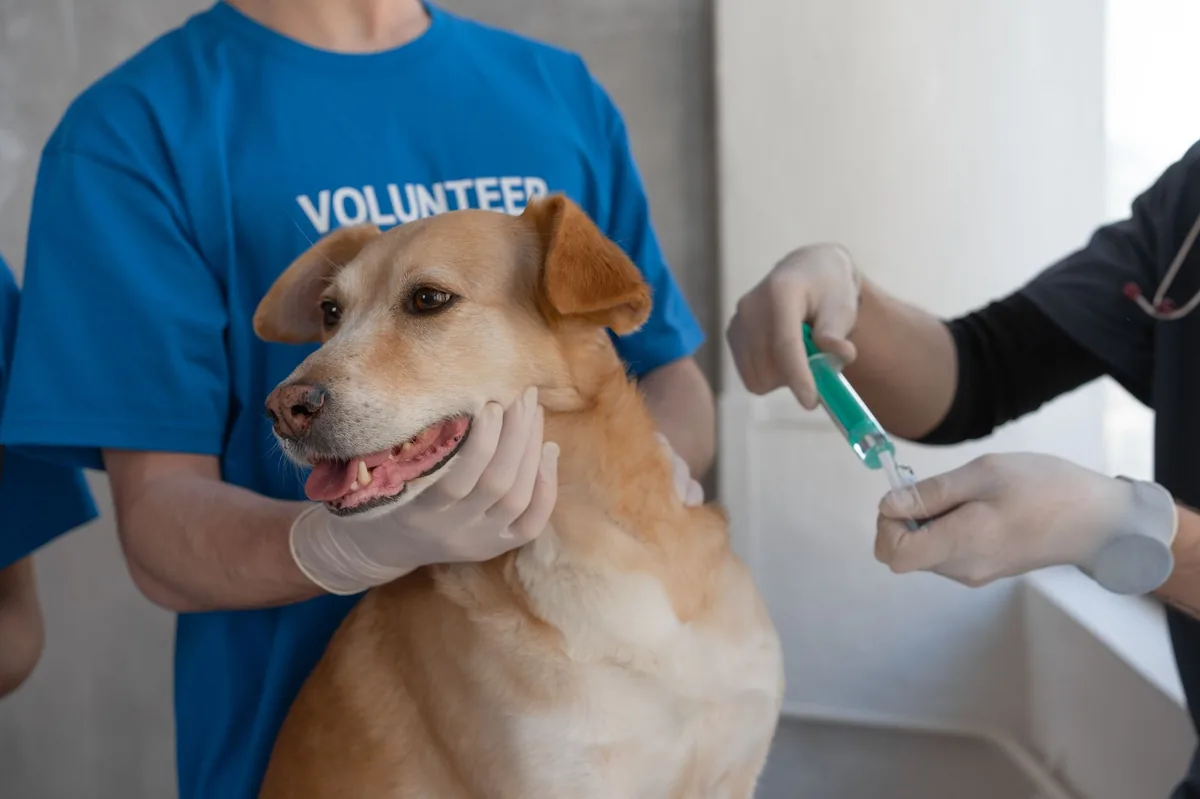
Insulin therapy is the cornerstone of diabetes management in dogs. Your vet will choose a long‑acting insulin (e.g., Vetsulin, ProZinc) and tailor the dose to your dog’s weight and glucose curve. Most dogs receive injections twice daily, typically before breakfast and dinner.
Oral hypoglycemic agents such as glipizide or metformin are occasionally used, but they are less effective in dogs and usually reserved for cases where insulin is not tolerated. Always ask your vet about these options if you’re interested.
Supplements and supportive care
Evidence supports the use of omega‑3 fatty acids (EPA/DHA) to reduce inflammation and improve insulin sensitivity. A high‑quality fish oil supplement can be added to the diet, especially if your dog has a history of pancreatitis.
Probiotics (e.g., Enterococcus faecium) may help maintain gut health, but they are not a primary treatment for diabetes. Discuss any supplement with your vet to avoid interactions.
Procedures or surgery
Unlike some endocrine disorders, diabetes rarely requires surgery. However, if a concurrent pancreatic tumor is discovered, surgical removal may be considered, followed by lifelong insulin therapy.
Diet and nutrition
Food is a powerful tool in stabilizing blood sugar. The goal is to provide a balanced, high‑protein, moderate‑fat diet with controlled carbohydrate levels. Complex carbs digest more slowly, preventing spikes in glucose.
Most veterinarians recommend a diet that contains:
- At least 30 % of calories from high‑quality animal protein.
- Moderate fat (10‑15 % of calories) to support energy without excess calories.
- Low‑glycemic carbohydrates (e.g., sweet potato, lentils) making up less than 20 % of the diet.
- Fiber to aid digestion and improve glucose absorption.
Prescription therapeutic diets such as “renal‑support” or “weight‑management” formulas often meet these criteria and are formulated to be low‑calorie yet nutrient‑dense. You don’t have to pick a brand; just look for “moderate carbohydrate, high protein” on the label, and ask your vet to confirm the nutrient analysis.
| Do feed | Limit | Avoid |
|---|---|---|
| Lean meats (chicken, turkey, fish), low‑glycemic veggies, limited sweet potato | Cooked rice, pasta, corn, peas | Table scraps, sugary treats, high‑fat meats, dairy |
Transitioning to a new diet should be gradual—mix 25 % new food with 75 % old food for a few days, then increase the new portion weekly. This helps prevent gastrointestinal upset, which can complicate glucose control.
Feeding schedule matters too. Most diabetic dogs thrive on two meals per day, timed with insulin injections. Consistency keeps blood sugar predictable. If your dog is overweight, a modest calorie reduction (10‑20 % fewer calories) can improve insulin sensitivity.
Hydration is also key. Offer fresh water at all times and monitor intake. Some owners find that a low‑salt diet helps reduce excessive thirst, but always discuss any major changes with your vet.
Cost and prognosis
Managing diabetes is a long‑term financial commitment. Below are typical annual cost ranges (U.S. and U.K. estimates):
| Expense | U.S. (USD) | U.K. (GBP) |
|---|---|---|
| Insulin (per vial, 10 ml) | $30‑$50 | £25‑£40 |
| Needles & syringes (monthly) | $15‑$30 | £12‑£25 |
| Blood glucose monitoring kit (glucometer, strips) | $150‑$250 | £120‑£200 |
| Veterinary exams (twice yearly) | $80‑$150 each | £70‑£130 each |
| Prescription diet (monthly bag) | $40‑$80 | £35‑£70 |
Overall, owners can expect to spend roughly $600‑$1,200 per year in the U.S., or £500‑£1,000 in the U.K., depending on the dog’s size and any complications. Dogs that develop diabetic ketoacidosis or infections may require emergency care, which can add several hundred dollars on top of routine costs.
With diligent care, most diabetic dogs live a happy, active life for many years. Studies from the American College of Veterinary Internal Medicine (ACVIM) report a median survival of 2–5 years after diagnosis, with many dogs exceeding that when glucose is well‑controlled.
Prevention and home care
While you can’t change genetics, you can dramatically lower the risk of diabetes by managing weight and lifestyle:
- Maintain a healthy body condition score (BCS 4‑5/9). Use a body condition calculator to track progress.
- Provide regular exercise—at least 30 minutes of brisk walking most days.
- Feed a balanced, low‑glycemic diet and avoid excess treats.
- Limit exposure to glucocorticoid medications unless medically necessary.
- Schedule annual wellness exams to catch early hormonal changes (e.g., Cushing’s disease).
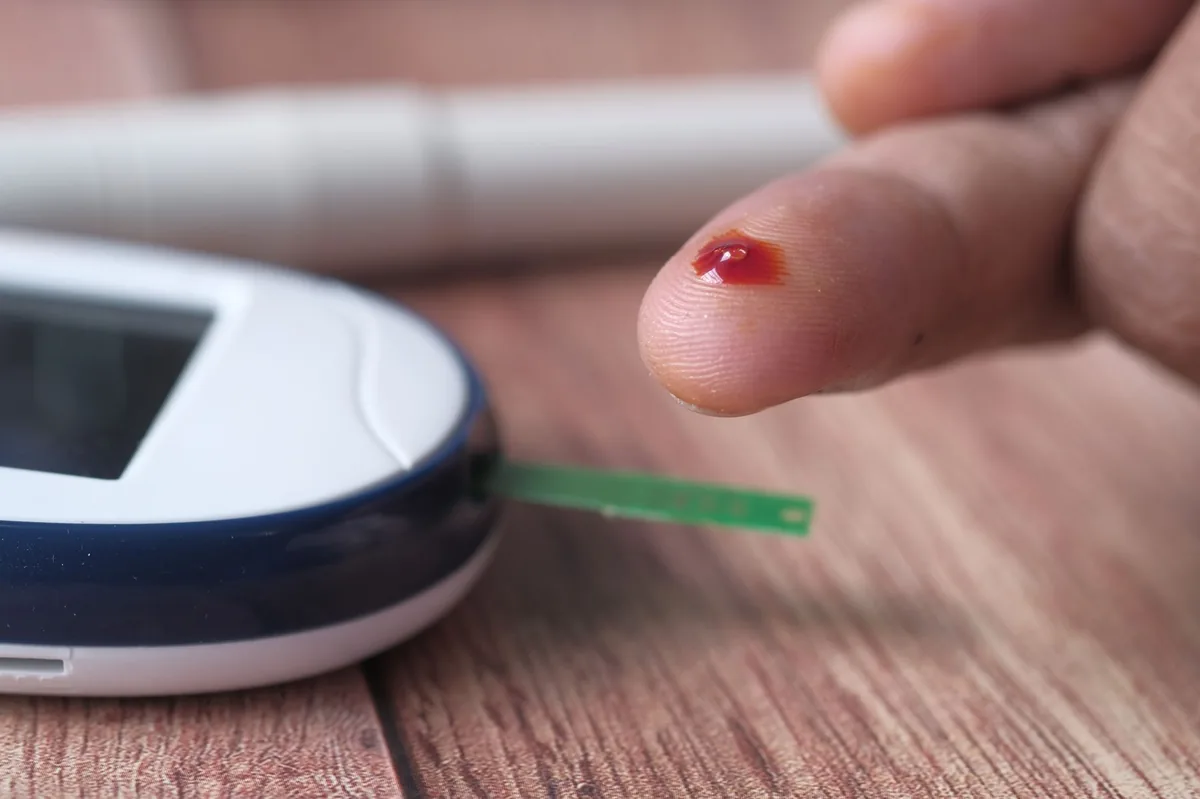
For dogs already diagnosed, daily home monitoring is essential. A handheld glucometer designed for veterinary use can measure blood glucose from a fingertip prick of the ear or paw pad. Record the reading, time of insulin, and food intake in a logbook or a smartphone app to share with your vet.
Vet’s note
From our vet team: “Diabetes is a manageable chronic disease, not a death sentence. The biggest challenge for owners is consistency—regular insulin timing, consistent meals, and routine glucose checks. If you’re ever unsure about a reading or a dose, call your clinic before making changes. Small adjustments often make a big difference, and we’re here to help you fine‑tune the plan.”
Key takeaways
- Diabetes in dogs usually requires lifelong insulin injections paired with a low‑carbohydrate diet.
- Early signs include increased thirst, frequent urination, and weight loss despite a normal appetite.
- Prompt veterinary diagnosis (blood glucose, fructosamine, urinalysis) is essential to differentiate diabetes from other illnesses.
- Regular home glucose monitoring and consistent feeding schedules keep blood sugar stable.
- Obesity is the biggest modifiable risk factor—maintain a healthy weight through diet and exercise.
- Annual costs can range from $600‑$1,200 in the U.S.; budgeting for insulin, supplies, and diet will help you plan ahead.
Myth vs. fact
Myth: “Dogs with diabetes can be cured with diet alone.”
Fact: Diet is crucial for control, but most diabetic dogs still need insulin because their pancreas can’t produce enough hormone on its own.
Myth: “Only overweight dogs get diabetes.”
Fact: While obesity increases risk, lean dogs—especially certain breeds—can develop type 1 diabetes due to autoimmune beta‑cell destruction.
Myth: “Once a dog is diabetic, it will always be sick.”
Fact: With proper management, many diabetic dogs lead active, happy lives for years, enjoying walks, play, and family time.
Frequently asked questions
What are the most common symptoms of diabetes in dogs?
The classic triad is increased thirst, frequent urination, and weight loss despite a good appetite. You may also notice a dull coat, lethargy, or a sweet‑smelling breath if ketoacidosis develops.
How is diabetes diagnosed in dogs?
Vets confirm diabetes with a combination of a high fasting blood glucose level, a positive urine glucose test, and a fructosamine assay that shows chronic hyperglycemia. A glucose curve may be performed to fine‑tune insulin dosing.
What treatment options are available for diabetic dogs?
Insulin injections are the mainstay, usually given twice daily. Some cases may use oral hypoglycemics like metformin, but these are less effective in dogs. Diet changes, weight management, and regular exercise are essential adjuncts.
How much does it cost to treat a diabetic dog?
Annual expenses typically range from $600‑$1,200 in the United States, covering insulin, needles, a glucometer, prescription diet, and routine vet visits. Emergency care for ketoacidosis can add several hundred dollars more.
Can diet alone control diabetes in dogs?
Diet helps stabilize blood glucose and can reduce insulin needs, but most diabetic dogs still require insulin injections. A low‑glycemic, high‑protein diet is a critical part of the overall management plan.
Which dog breeds are most at risk for diabetes?
Breeds with higher incidence include Miniature Schnauzers, Poodles, Dachshunds, and Samoyeds. However, any breed can develop diabetes, especially if overweight or exposed to certain hormonal disorders.
Ask the PuppaDogs community
Have a question this article didn’t fully answer? Want to compare notes with other dog owners who’ve been through this? Our community forum is moderated by experienced owners and vets — and answers tend to come fast. Ask in the PuppaDogs community →
References
- AAHA (2023). Canine Diabetes Management Guidelines.
- American College of Veterinary Internal Medicine (ACVIM). “Diabetes Mellitus in Dogs” Consensus Statement, 2022.
- Merck Veterinary Manual. “Diabetes Mellitus, Canine” chapter.
- University of California, Davis School of Veterinary Medicine. “Obesity and Diabetes Risk in Dogs” study, 2021.
- World Small Animal Veterinary Association (WSAVA). “Nutritional Recommendations for Dogs with Endocrine Disorders,” 2020.
- American Veterinary Medical Association (AVMA). “Understanding Canine Diabetes,” client education pamphlet.
- Veterinary Diabetes Society. “Insulin Therapy in Dogs: Practical Guide,” 2022.
- Cornell University College of Veterinary Medicine. “Blood Glucose Monitoring in Dogs,” 2021.
- British Veterinary Association (BVA). “Diabetic Ketoacidosis in Dogs” clinical overview, 2022.
- PetMD. “Breed Predisposition to Diabetes in Dogs,” 2023.
- American Animal Hospital Association (AAHA). “Weight Management and Diabetes Prevention,” 2022.
- International Diabetes Federation (IDF) – Veterinary Section. “Diabetes Care Costs Overview,” 2023.


