















Quick take: A cleft palate is a birth defect where the roof of the mouth doesn’t fully close, causing trouble eating, drinking, and sometimes breathing. Puppies usually show obvious signs like drooling, nasal discharge, or difficulty nursing. Surgical repair is possible in most cases, but it requires careful post‑op care and a special feeding plan. Early veterinary assessment improves the odds of a happy, healthy life.
It’s 2 a.m., you’re sitting on the floor beside a tiny, shivering puppy who can’t latch onto the nursing bottle. The little mouth opens wide, but milk just dribbles out the nose and onto the bedding. Your heart races, and you start Googling “puppy can’t eat.” The first thing you see is “cleft palate” — a serious‑sounding term that makes you wonder if the pup will ever thrive.
You’re not alone. Many owners first notice a cleft palate when a newborn pup can’t suckle, when a puppy’s gums look pale, or when a dog of any age has chronic nasal discharge and trouble swallowing. The bottom line is that a cleft palate can be managed, and many dogs go on to live active lives after surgery and proper care. Below we walk through what a cleft palate is, how to spot it, what the vet does, and how you can help your dog heal.
We’ll cover anatomy, common breeds, feeding tricks, surgery costs, recovery timelines, and prevention tips. If you’re reading this with a worried pup, keep scrolling—your next steps are just a few paragraphs away.
What is a cleft palate in dogs?
A cleft palate is a congenital (present at birth) opening in the roof of the mouth. The palate has two parts: the hard palate (the bony front portion) and the soft palate (the flexible back portion that moves during swallowing). When the tissue fails to fuse during fetal development, a gap remains either in the hard palate, the soft palate, or both.
In dogs, cleft palate is relatively uncommon but not rare. The American College of Veterinary Surgeons (ACVS) estimates it occurs in roughly 1‑2 % of litters, with certain breeds showing higher rates. The defect can range from a tiny slit to a large opening that separates the oral and nasal cavities entirely.
What causes it?
- Genetic factors: Certain breeds carry genes that increase the risk of craniofacial defects.
- Environmental influences: Exposure to toxins, infections, or nutritional deficiencies during gestation can interfere with palate formation.
- Maternal health: Poor nutrition, severe stress, or certain medications taken by the dam can raise the odds.
Because the exact cause is often a combination of genetics and environment, breeders are encouraged to use health‑tested lines and maintain optimal prenatal care.
Signs and symptoms
| Severity | Typical signs |
|---|---|
| Mild (small slit) | Drooling, occasional nasal discharge, slight difficulty nursing. |
| Moderate (partial opening) | Inability to nurse, frequent coughing when drinking, weight loss, foul‑smelling breath. |
| Severe (large gap) | Milk or water escapes through the nose, chronic pneumonia, failure to thrive, aspiration pneumonia. |
Key clues to watch for include:
- Persistent nasal discharge that smells sour or “milky.”
- Difficulty latching onto a bottle or mother’s nipple.
- Excessive drooling or “wet” nose, especially after meals.
- Frequent coughing or choking during drinking.
- Unexplained weight loss or failure to gain weight in a growing puppy.
When to call your vet
Call your vet today if you notice:
- Any difficulty nursing or drinking.
- Persistent nasal discharge, especially with a foul odor.
- Weight loss or failure to gain weight in a puppy.
- Repeated coughing, choking, or signs of aspiration pneumonia.
Go to an emergency animal hospital right now if:
- Your dog is struggling to breathe.
- There’s sudden severe coughing, gagging, or vomiting after drinking.
- You suspect aspiration pneumonia (fever, rapid breathing, lethargy).
These guidelines are for information only and do not replace a hands‑on veterinary exam.
How vets diagnose it
Diagnosis starts with a thorough physical exam. The veterinarian will:
- Visually inspect the oral cavity using a speculum or a small flashlight.
- Palpate the palate to feel the extent of the opening.
- Perform a contrast radiograph or a CT scan to see the exact size and whether the nasal passages are involved.
- Use an endoscope (a tiny camera) for a detailed view, especially if the defect is small.
- Check for secondary infections (like pneumonia) with a chest X‑ray or ultrasound.
These tests help the surgical team plan the repair and assess any complications that need immediate attention.
Treatment options
Medical treatment
Before surgery, supportive care is vital:
- Antibiotics: Broad‑spectrum drugs such as amoxicillin‑clavulanic acid are often prescribed to prevent or treat aspiration pneumonia.
- Anti‑inflammatory drugs: NSAIDs like carprofen may be used for pain and swelling, but only under veterinary guidance.
- Proton‑pump inhibitors: Medications such as omeprazole can reduce stomach acidity, helping protect the esophagus if the dog regurgitates.
Ask your vet about each medication; dosages are weight‑dependent.
Supplements and supportive care
While no supplement can replace surgery, some can aid healing:
- Omega‑3 fatty acids (EPA/DHA): Found in fish oil, they support anti‑inflammatory processes and skin health.
- Vitamin C: An antioxidant that may help collagen formation in the palate tissue.
- Probiotics: Maintaining gut health can improve overall immunity, especially when antibiotics are used.
These should be discussed with your vet, especially because high doses can interfere with certain medications.
Procedures or surgery
Most cleft palates are repaired surgically when the puppy is 6‑12 weeks old. The most common technique is a “palatoplasty,” where the edges of the defect are sutured together. For larger gaps, a tissue graft or a “flap” may be used.
Key points about the procedure:
- It’s performed under general anesthesia by a board‑certified veterinary surgeon.
- Operating time ranges from 30 minutes (small slit) to 2 hours (large gap).
- Post‑op hospitalization is usually 24‑48 hours for monitoring.
- Success rates reported by the ACVS are 85‑95 % for properly selected cases.
Diet and nutrition
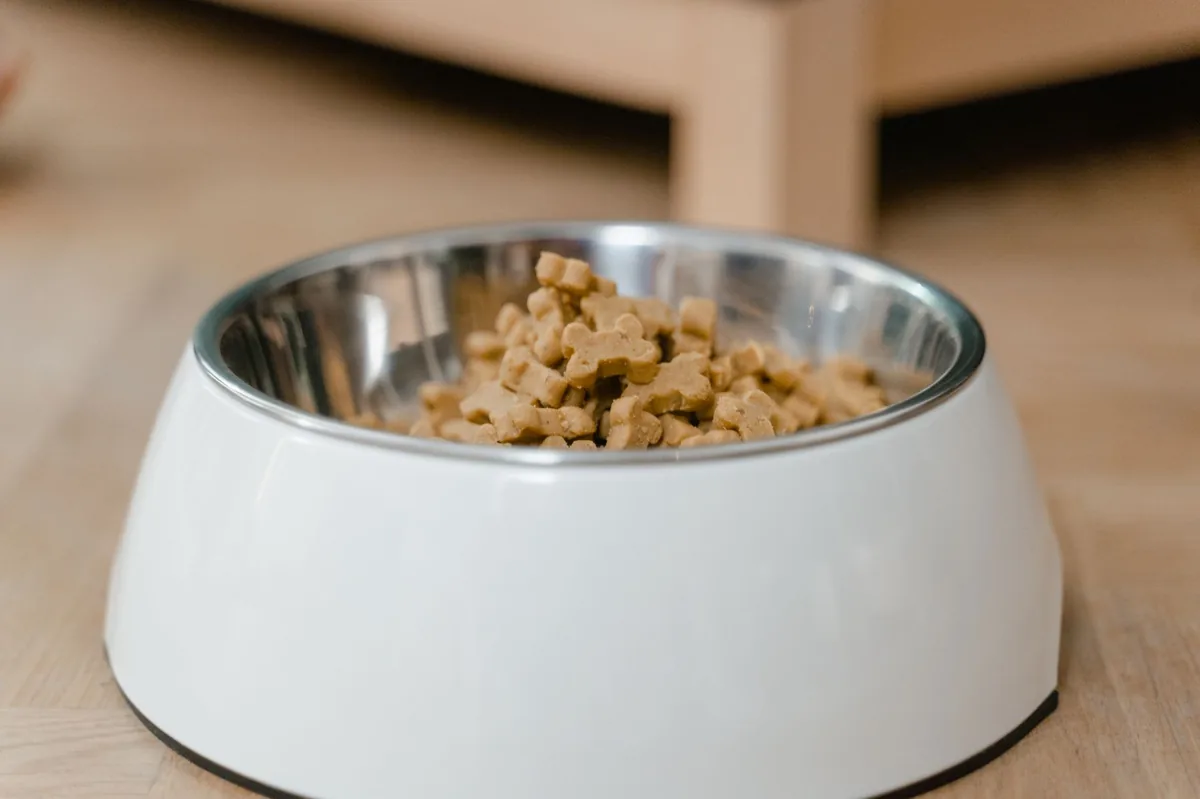
Feeding a puppy with a cleft palate requires a strategy that prevents aspiration while delivering enough calories for growth. The goal is to provide highly digestible, nutrient‑dense meals in a form that bypasses the oral cavity as much as possible.
Feeding methods
- Tube feeding: A soft, flexible feeding tube (esophagostomy or orogastric) can deliver a liquid diet directly to the stomach. This is often used immediately after surgery or when the pup cannot lick food.
- Specialized bottles: Use a narrow‑neck bottle with a soft silicone nipple that mimics the mother’s teat. Hold the puppy upright (head higher than the stomach) to reduce the chance of milk entering the nasal passages.
- High‑calorie liquid diets: Commercial puppy formulas (e.g., “Puppy Recovery” or “Senior Support” blends) are designed for easy digestion. You can also blend high‑quality canned puppy food with water or low‑sodium broth to a thin consistency.
What to feed
| Do feed | Limit | Avoid |
|---|---|---|
| Highly digestible puppy formula (wet or blended) | Dry kibble (soak for at least 30 min) | Hard dry kibble, large chunks, raw bones |
| Cooked lean protein (chicken, turkey) blended with broth | High‑fat treats | Spicy or heavily seasoned foods |
| Omega‑3 enriched fish oil (vet‑approved dose) | Excessive dairy | Milk, cheese, yogurt (can cause reflux) |
When transitioning back to solid food after surgery (usually 2‑3 weeks), start with soaked kibble or soft pâté, gradually decreasing liquid content over several days. Monitor for coughing or gagging; if either occurs, return to a thinner consistency.
Supplements for healing
Vitamin C (500 mg per day for a 5‑kg puppy) and omega‑3 fatty acids (approximately 100 mg EPA/DHA per kg body weight) have been shown in veterinary nutrition literature to support tissue repair. Always ask your vet for the exact amount, as excess vitamin C can cause gastrointestinal upset.
Hydration is critical. Offer fresh water in a shallow dish that the puppy can lap without splashing. Some owners find a water bottle with a straw tip works well once the mouth can handle liquid.
Feeding frequency should be 4‑6 small meals per day during the first few weeks, gradually moving to the normal twice‑daily schedule as the dog matures and the palate heals.
Cost and prognosis
Financial considerations vary by region, clinic, and severity of the defect.
| Region | Surgical fee (USD) | Hospitalization & meds | Typical total |
|---|---|---|---|
| United States | $1,200‑$2,500 | $300‑$600 | $1,500‑$3,100 |
| United Kingdom | £900‑£1,800 | £200‑£400 | £1,100‑£2,200 |
| Australia | AUD 1,500‑2,800 | AUD 400‑700 | AUD 1,900‑3,500 |
These figures are estimates; exact costs depend on diagnostics, anesthesia time, and any complications. Many pet insurance plans cover a portion of the surgery if the condition is listed as a congenital defect. Check your policy’s “pre‑existing condition” clause and ask your insurer for a pre‑approval estimate.
Prognosis is generally good when the defect is repaired early and post‑op care is followed. Most dogs achieve normal feeding ability within 2‑3 weeks and can lead active lives. Long‑term complications such as chronic nasal discharge or occasional gagging can occur, but they are manageable with routine vet checks.
Prevention and home care
Because a cleft palate is a congenital issue, primary prevention focuses on responsible breeding and maternal health:
- Choose breeding pairs that have been screened for craniofacial defects.
- Provide the dam with a balanced diet meeting AAFCO nutrient standards, especially adequate vitamin A and folic acid.
- Avoid known teratogens (certain pesticides, high‑dose steroids) during pregnancy.
- Maintain a stress‑free environment and regular veterinary prenatal care.
After surgery, home care includes:
- Keeping the feeding area clean and free of crumbs that could be inhaled.
- Monitoring the incision site for swelling, redness, or discharge.
- Limiting vigorous play for the first 10‑14 days to protect the repair.
- Following up with the surgeon for suture removal (usually 10‑14 days) and a re‑check X‑ray.
- Continuing any prescribed antibiotics or anti‑inflammatories as directed.
Regular weight checks and a gradual return to normal diet help ensure your dog stays on a healthy growth curve.
From our vet team: “The most reassuring thing we tell owners is that a cleft palate is a structural issue—not a disease of the whole body. With early surgery and diligent after‑care, most pups grow up to be playful companions. Keep a close eye on feeding, stay in touch with your surgeon, and don’t hesitate to call if you notice any coughing or discharge.”
Key takeaways
- A cleft palate is a birth defect that creates a gap in the roof of the mouth, affecting feeding and sometimes breathing.
- Early signs include drooling, nasal discharge, and difficulty nursing; call your vet right away if you see these.
- Surgical repair (palatoplasty) between 6‑12 weeks of age offers an 85‑95 % success rate, with most dogs returning to normal eating within 2‑3 weeks.
- Feeding requires a liquid or soft diet, often via a bottle or feeding tube, and careful upright positioning to avoid aspiration.
- Post‑op care includes antibiotics, limited activity, and close monitoring of the incision; complications are rare but can include pneumonia.
- Costs range from $1,500‑$3,100 in the U.S.; many insurers cover part of the expense when the defect is declared congenital.
Myth vs. fact
Myth: A cleft palate always leads to a short, painful life.
Fact: With timely surgery and proper after‑care, most dogs live normal, healthy lives and can enjoy typical activities.
Myth: Only “purebred” dogs get cleft palates.
Fact: The defect can appear in any breed, though certain breeds (e.g., English Bulldog, Boston Terrier, Pug, and Labrador Retriever) have higher reported rates.
Myth: Surgery is the only option.
Fact: While surgery is the definitive treatment, supportive medical care, specialized feeding, and, in rare cases, non‑surgical closure techniques can help manage the condition.
Frequently asked questions
What symptoms indicate a cleft palate in a dog?
Look for drooling, nasal discharge that smells sour, difficulty nursing or drinking, coughing after meals, and failure to gain weight. These signs are usually evident within the first few weeks of life.
Can a dog with a cleft palate live a normal life?
Yes. Most dogs that undergo surgical repair and receive proper post‑op care grow up to be active, healthy companions. Some may have mild, lifelong nasal discharge, but this is manageable.
Is surgery the only treatment option for a cleft palate?
Surgery is the most common and effective way to close the gap, but before and after the operation, medical management (antibiotics, anti‑inflammatories) and specialized feeding are essential components of care.
How much does cleft palate surgery cost for a dog?
In the United States, the surgical fee typically ranges from $1,200 to $2,500, with additional hospitalization and medication costs bringing the total to roughly $1,500‑$3,100. Prices vary by region and clinic.
Which dog breeds are most likely to be born with a cleft palate?
Breeds with higher reported incidence include English Bulldog, Boston Terrier, Pug, Labrador Retriever, and some mixed‑breed litters. Genetics and breeding practices play a major role.
What special feeding techniques are needed for a dog with a cleft palate?
Use a soft‑silicone bottle or feeding tube to deliver a liquid or semi‑liquid diet, keep the puppy upright while feeding, and feed small, frequent meals. Soaked kibble or blended canned food can be used as the palate heals.
Ask the PuppaDogs community
Have a question this article didn’t fully answer? Want to compare notes with other dog owners who’ve been through this? Our community forum is moderated by experienced owners and vets — and answers tend to come fast. Ask in the PuppaDogs community →
References
- American College of Veterinary Surgeons (ACVS). “Congenital Palatal Defects in Dogs.” 2022.
- American Veterinary Medical Association (AVMA). “Cleft Palate in Companion Animals.” 2021.
- Merck Veterinary Manual. “Cleft Palate—Diagnosis and Treatment.” Updated 2023.
- AAHA. “Guidelines for Surgical Management of Congenital Anomalies.” 2023.
- World Small Animal Veterinary Association (WSAVA). “Nutrition for Puppies with Oral Defects.” 2022.
- Cornell University College of Veterinary Medicine. “Feeding Strategies for Neonatal Dogs.” 2023.
- American Association of Feed Control Officials (AAFCO). “Nutrient Profiles for Puppy Diets.” 2022.
- Veterinary Ophthalmology & Surgery Journal. “Outcomes of Palatoplasty in Small Breed Dogs.” 2021.
- PetMD. “Cleft Palate in Dogs – Symptoms, Diagnosis, and Treatment.” 2023.


