








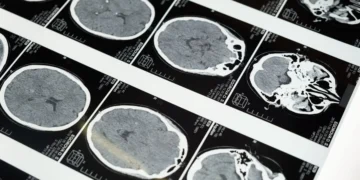





Quick take: Brain tumors in dogs are abnormal growths inside the skull that can cause neurological signs. Early signs include subtle changes in behavior, vision, or coordination. Diagnosis relies on imaging and specialist evaluation, and treatment options range from surgery and radiation to palliative care. Costs vary widely, and while many dogs can enjoy quality time, ongoing monitoring and supportive care are essential.
It’s 9 p.m., and your 8‑year‑old mixed‑breed Labrador isn’t sprinting to the door like she usually does. Instead, she sits quietly, her head tilted to one side, and you notice she’s having trouble finding her water bowl. Your heart starts racing, and a quick Google search later you’re staring at the phrase “brain tumor in dogs.” You wonder if this is a life‑threatening emergency or something you can manage at home.
First, take a breath. You’re not alone—many owners spot the first clue in a change of gait or a new “clumsy” moment. Our vet team has helped families navigate the uncertainty, from early detection to post‑treatment care. Below we break down everything you need to know: what brain tumors are, why they happen, how vets find them, treatment pathways, costs, and steps you can take to keep your companion comfortable.
Read on for a step‑by‑step guide that answers the most common questions, offers practical tips you can apply tonight, and helps you talk confidently with your veterinarian.
What is brain tumors in dogs?
Brain tumors are masses of abnormal cells that grow inside the skull, either originating from brain tissue itself (primary tumors) or spreading from another part of the body (secondary, or metastatic, tumors). In dogs, primary brain tumors are more common than metastases, and they can be benign (non‑cancerous) or malignant (cancerous).
According to the American College of Veterinary Internal Medicine (ACVIM), brain tumors account for roughly 2–3 % of all canine cancers, but the true incidence may be higher because subtle cases can go undiagnosed. Breeds such as Boxers, Golden Retrievers, and Bernese Mountain Dogs have a slightly higher predisposition, though any dog can develop a tumor.

What causes it?
Exactly why a tumor forms isn’t fully understood, but several risk factors have emerged from research and clinical observation.
| Category | Risk factor | Explanation |
|---|---|---|
| Genetics | Breed predisposition | Boxers, Golden Retrievers, Bernese Mountain Dogs, and Bulldogs show higher rates, suggesting inherited susceptibility. |
| Age | Middle‑aged to senior dogs | Most tumors appear in dogs over 6 years, with incidence rising sharply after 8 years. |
| Environmental | Radiation exposure | Long‑term exposure to therapeutic radiation or certain industrial chemicals may increase risk, though data in dogs is limited. |
| Other cancers | Metastasis | Malignant tumors elsewhere (e.g., mast cell tumor) can spread to the brain, especially in older dogs. |
Signs and symptoms
Brain tumors affect the nervous system, so the first clues are usually neurological. Early signs can be subtle, while later signs become more pronounced. Look for any change in your dog’s normal behavior.
| Severity | Typical signs |
|---|---|
| Mild | Head tilt, intermittent circling, slight vision changes, decreased curiosity. |
| Moderate | Persistent unsteady gait, difficulty climbing stairs, seizures, altered mental status (confusion, disorientation). |
| Severe | Frequent seizures, paralysis of one or more limbs, loss of bladder control, coma. |
Other red‑flag symptoms include: sudden aggression, loss of appetite, vomiting (especially if the tumor presses on the brainstem), and facial nerve weakness that makes the ear flop or the eye droop.
When to call your vet
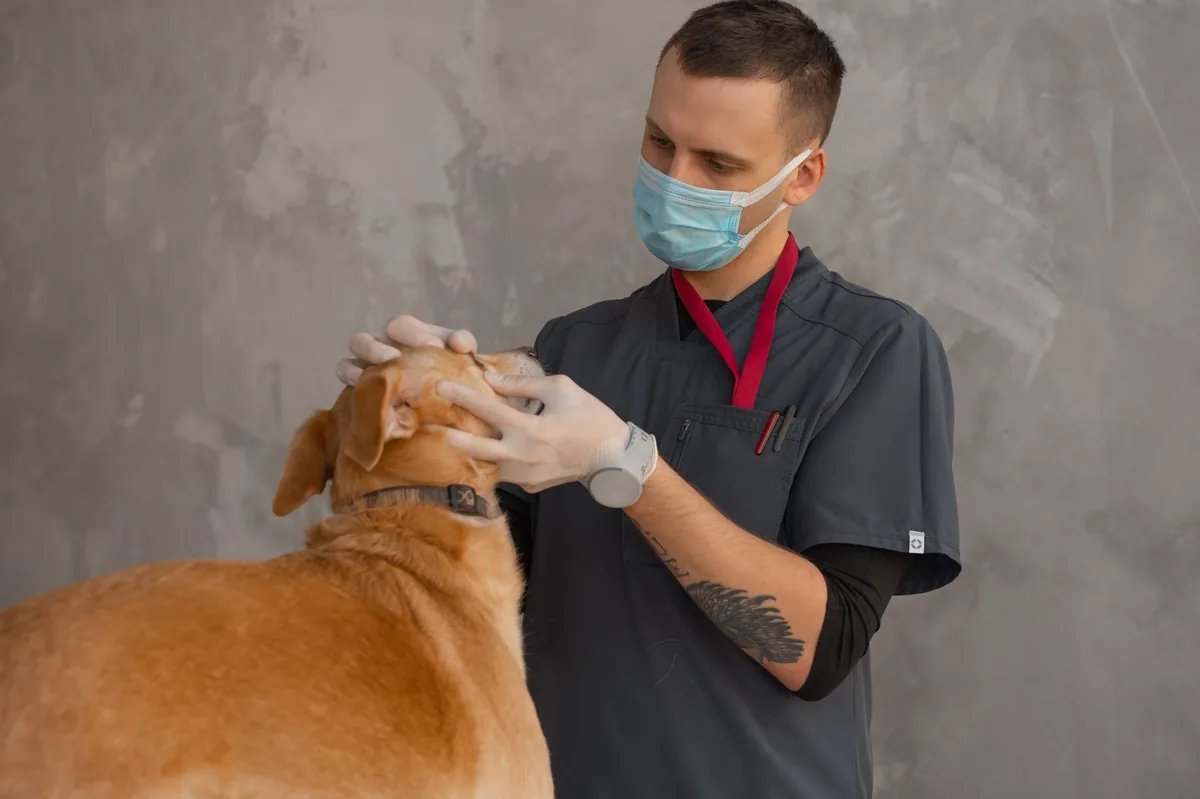
Call your vet today if you notice any of the mild to moderate signs listed above, especially head tilt, repeated circling, or new unsteady steps. Early evaluation can speed up diagnosis and broaden treatment options.
Go to an emergency veterinary hospital right now if your dog has a seizure, sudden paralysis, loss of bladder/bowel control, or appears unresponsive. These are emergency red flags that require immediate care.
This article is for informational purposes only and does not replace professional veterinary advice. If you suspect a brain tumor, contact your vet promptly.
How vets diagnose it
Diagnosis begins with a thorough history and physical exam. Your vet will ask about the timeline of symptoms, any recent injuries, and your dog’s diet and environment.
- Neurological exam: Checks reflexes, vision, balance, and cranial nerve function to locate the affected brain region.
- Blood work: Complete blood count and chemistry panel rule out metabolic causes (e.g., liver disease) that can mimic neurological signs.
- Imaging:
- Magnetic resonance imaging (MRI): The gold standard; provides detailed images of soft tissue, revealing tumor size, location, and possible edema.
- Computed tomography (CT) scan: Useful if MRI isn’t available; often combined with contrast dye.
- Advanced diagnostics:
- CSF (cerebrospinal fluid) analysis may detect tumor cells or inflammation.
- Biopsy (stereotactic or surgical) provides a definitive tissue diagnosis, though it carries risk and isn’t always needed.
Specialist referral to a veterinary neurologist or a veterinary oncologist is common, especially for complex cases that may benefit from surgery or radiation planning.
Treatment options
Medical treatment
When surgery isn’t feasible or as part of a multimodal approach, medical management focuses on slowing tumor growth and controlling symptoms.
- Radiation therapy: Stereotactic radiosurgery (SRS) or conventional fractionated radiation can shrink tumors or halt progression. Common protocols include Gamma Knife or linear accelerator (LINAC) treatments.
- Chemotherapy: Agents such as lomustine (CCNU) and temozolomide are used for certain tumor types, often in conjunction with radiation.
- Anti‑seizure medication: Drugs like phenobarbital or levetiracetam help manage seizure activity.
- Anti‑edema drugs: Dexamethasone reduces swelling around the tumor, improving neurologic function.
Ask your vet about each option, as suitability depends on tumor type, location, and your dog’s overall health.
Supplements and supportive care
Adjunctive supplements may help maintain quality of life, though they are not cures.
- Omega‑3 fatty acids (EPA/DHA): Anti‑inflammatory properties can support brain health; consider a high‑quality fish‑oil supplement.
- Antioxidants (vitamin E, coenzyme Q10): May help mitigate oxidative stress associated with tumor growth, but evidence is limited.
- Probiotics: Useful if chemotherapy or steroids cause gastrointestinal upset.
Always discuss supplement use with your vet to avoid drug interactions.
Procedures or surgery
Surgical removal (craniotomy) is the only potentially curative option for many primary brain tumors, especially meningiomas that are accessible and well‑circumscribed.
- Procedure: The surgeon opens a portion of the skull, excises the tumor, and may place a drain to manage postoperative swelling.
- Recovery: Hospital stay typically 2‑4 days, followed by several weeks of restricted activity at home.
- Cost: In the United States, surgery can range from $5,000 to $12,000; in the United Kingdom, fees often fall between £4,000 and £9,000. Insurance may cover part of the expense, depending on the policy.
Diet and nutrition
Nutrition plays a supportive role in recovery and overall brain health. While no diet can erase a tumor, certain feeding strategies can reduce inflammation, support immune function, and maintain weight.
Key principles:
- Highly digestible protein: Helps preserve lean muscle mass without overloading the liver or kidneys. Look for foods labeled “limited ingredient” or “high‑quality protein.”
- Moderate fat, with omega‑3s: Fat provides energy, but choose sources rich in EPA/DHA (e.g., salmon, sardine oil). Aim for 10–15 % of calories from fat, depending on activity level.
- Low‑to‑moderate carbohydrate: Excess carbs can promote inflammation. Opt for complex carbs like sweet potato or pumpkin rather than corn or wheat.
- Antioxidant‑rich ingredients: Blueberries, cranberries, and spinach add vitamins C and E, which may help combat oxidative stress.
- Prescription therapeutic diets: Some veterinary nutritionists recommend “brain health” formulas that are enriched with omega‑3s and antioxidants. These are not a cure but can be part of a comprehensive plan.
| Do feed | Limit | Avoid |
|---|---|---|
| Fresh lean meats (chicken, turkey), fish, eggs | High‑fat treats, excessive cheese | Processed foods with artificial preservatives |
| Omega‑3 supplements, pumpkin, sweet potato | Grains high in gluten (if dog is sensitive) | Large amounts of dairy, onions, garlic |
| Prescription brain‑health diet (e.g., “Neuro‑Support”) | Table scraps with excess salt | Raw bones that could splinter |
Transitioning to a new diet should be gradual—mix 25 % new food with 75 % old food for a few days, then increase the new portion every 2–3 days. This helps avoid gastrointestinal upset.
Maintain hydration, and monitor weight weekly. If your dog is losing weight despite eating, discuss appetite stimulants or calorie‑dense foods with your vet.
Cost and prognosis
Financial considerations are a major part of decision‑making. Below are typical cost ranges (US and UK) for common interventions. Prices vary by clinic, region, and individual case complexity.
| Service | US estimate | UK estimate |
|---|---|---|
| MRI (with contrast) | $1,200–$2,500 | £800–£1,500 |
| CT scan | $800–$1,500 | £600–£1,200 |
| Stereotactic radiation (single‑dose) | $4,000–$7,000 | £3,500–£6,000 |
| Fractionated radiation (multiple sessions) | $5,000–$9,000 | £4,500–£8,500 |
| Surgical removal | $5,000–$12,000 | £4,000–£9,000 |
| Post‑op medication & follow‑up (first 3 months) | $500–$1,200 | £300–£800 |
Insurance coverage varies. Many pet insurance policies cover diagnostic imaging and a portion of surgery or radiation, especially if the condition is diagnosed early. Check your policy’s “pre‑existing condition” clause and talk to your insurer about “maximum benefit” limits.
Prognosis depends on tumor type, size, and location. Meningiomas (often benign) have a median survival of 12–24 months after surgery, with many dogs enjoying a good quality of life. Gliomas and malignant astrocytomas have poorer outcomes, with median survival of 3–6 months without aggressive therapy, and 6–12 months with combined radiation and chemotherapy. Palliative care can extend comfort for several months, focusing on seizure control and pain management.
Prevention and home care
There’s no proven way to prevent brain tumors, but you can reduce overall cancer risk and support your dog’s neurological health.
- Maintain a healthy weight: Obesity is linked to higher cancer rates in dogs. Feed appropriate portions and keep exercise regular.
- Limit exposure to environmental toxins: Avoid storing pesticides, herbicides, or industrial chemicals where pets roam.
- Regular veterinary wellness exams: Annual exams (or semi‑annual for senior breeds) allow early detection of subtle neurological changes.
- Vaccination and parasite control: Keeping your dog up‑to‑date reduces chronic inflammation, which may influence tumor development.
- Enrich mental stimulation: Training games, puzzle toys, and safe outdoor exploration keep the brain active, though they don’t replace medical care.
After treatment, daily monitoring is crucial. Keep a log of any new seizures, changes in gait, appetite, or behavior, and share it with your vet during follow‑up visits. Gentle physical therapy or short, leash‑guided walks can help maintain muscle tone without over‑exertion.
From our vet team: “Early neurological signs are often dismissed as ‘just getting older.’ The moment you notice a head tilt, vision loss, or a new clumsiness, schedule a veterinary exam. Early imaging can open doors to surgery or radiation that dramatically improve quality of life.”
Key takeaways
- Head tilt, vision changes, or unsteady gait are early warning signs—don’t wait to seek veterinary care.
- Diagnosis relies on MRI or CT imaging; a neurologist or oncology specialist can guide the work‑up.
- Treatment options include surgery, radiation, chemotherapy, and palliative care; the best plan depends on tumor type and your dog’s overall health.
- Costs vary widely; check pet insurance coverage early and discuss a detailed estimate with your vet.
- Supportive nutrition—high‑quality protein, omega‑3s, and antioxidant‑rich foods—helps maintain strength during treatment.
- While you can’t prevent tumors, a healthy weight, toxin avoidance, and regular check‑ups lower overall cancer risk.
Myth vs. fact
Myth: All brain tumors are fatal within weeks.
Fact: Many dogs live months to years after diagnosis, especially with surgery or radiation, and can enjoy a good quality of life.
Myth: Surgery is the only effective treatment.
Fact: Radiation therapy, chemotherapy, and palliative care are valuable options, either alone or combined with surgery.
Myth: Brain tumors are contagious.
Fact: Tumors are not infectious; they arise from the dog’s own cells.
Frequently asked questions
What symptoms indicate a brain tumor in a dog?
Typical signs include head tilt, persistent unsteady gait, vision loss, seizures, and changes in behavior or appetite. Early clues are often subtle, so any new neurological oddity warrants a vet visit.
How do vets confirm a brain tumor in a pet?
Diagnosis is confirmed with advanced imaging—primarily MRI, sometimes CT—combined with a neurological exam. A biopsy may be performed for definitive tumor typing, but imaging alone often guides treatment.
Is surgery the only treatment for brain tumors in dogs?
No. While surgery can be curative for accessible tumors, many cases are managed with radiation therapy, chemotherapy, anti‑seizure medication, and supportive care. The optimal approach depends on tumor location, type, and the dog’s health.
What are the side effects of radiation therapy for canine brain cancer?
Common side effects include temporary hair loss at the treatment site, mild skin irritation, and occasional nausea. Long‑term risks can involve cataracts or radiation‑induced brain changes, but modern protocols minimize these risks.
How much does treatment for a dog’s brain tumor typically cost?
Costs range from $1,200 for a diagnostic MRI to $12,000 for surgical removal, plus follow‑up medications and care. Radiation protocols can add $4,000–$9,000. Insurance may offset a portion, depending on coverage.
Can a dog with a brain tumor live a normal life?
Many dogs maintain a good quality of life for months to years after treatment, especially if seizures and pain are well‑controlled. Regular monitoring and tailored activity levels help preserve comfort.
Ask the PuppaDogs community
Have a question this article didn’t fully answer? Want to compare notes with other dog owners who’ve been through this? Our community forum is moderated by experienced owners and vets — and answers tend to come fast. Ask in the PuppaDogs community →
References
- American College of Veterinary Internal Medicine (ACVIM). “Neurologic Tumors in Dogs” – 2023 clinical guidelines.
- American Animal Hospital Association (AAHA). “Veterinary Imaging Standards” – 2022.
- Merck Veterinary Manual. “Brain Tumors (Neoplasia) – Dogs” – 2021 edition.
- World Small Animal Veterinary Association (WSAVA). “Cancer in Companion Animals” – 2022.
- Veterinary Oncology Society. “Radiation Therapy Protocols for Canine Intracranial Neoplasia” – 2023.
- American Veterinary Medical Association (AVMA). “Pet Insurance and Cancer Coverage” – 2022.
- Cornell University College of Veterinary Medicine. “Canine Brain Tumor Diagnosis and Treatment” – 2023.
- UC Davis Veterinary Medicine. “Nutrition for Dogs with Cancer” – 2022.
- American Kennel Club (AKC). “Breed Predispositions for Cancer” – 2023.


