











Quick take: Brain tissue inflammation (encephalitis) and subsequent cell death can affect certain breeds more often, showing up as sudden behavior changes, seizures, or loss of coordination. Early veterinary care—especially MRI, CSF analysis, and prompt anti‑inflammatory meds—greatly improves survival. Treatment costs vary, but many owners can manage them with a clear plan and supportive home care.
It’s 2 a.m., and your usually‑steady Golden Retriever, Max, is lying on the floor, staring blankly at the hallway wall. A few minutes later, he starts trembling, his eyes roll, and a brief seizure crashes through the quiet. You’ve never seen anything like this, and the panic button on your phone is already flashing “search.” You wonder: could this be a brain problem, and how dangerous is it?
We get it—watching a beloved dog lose control of its mind is terrifying. Brain tissue inflammation, medically called encephalitis, is a rare but serious condition that can strike specific breeds with a higher genetic predisposition. In this article we’ll explain what encephalitis is, why some dogs are more at risk, what signs to watch for, how veterinarians diagnose it, and what treatment, cost, and prevention options look like. By the end you’ll know the immediate steps to take, the questions to ask your vet, and how to support your dog’s recovery at home.
What is brain tissue inflammation and death (breed specific) in dogs?
Encephalitis means inflammation of the brain tissue. Inflammation triggers swelling, increased pressure inside the skull, and, if untreated, loss of neurons—the cells that keep the brain working. When enough neurons die, the dog can develop permanent neurological deficits or, in severe cases, die.
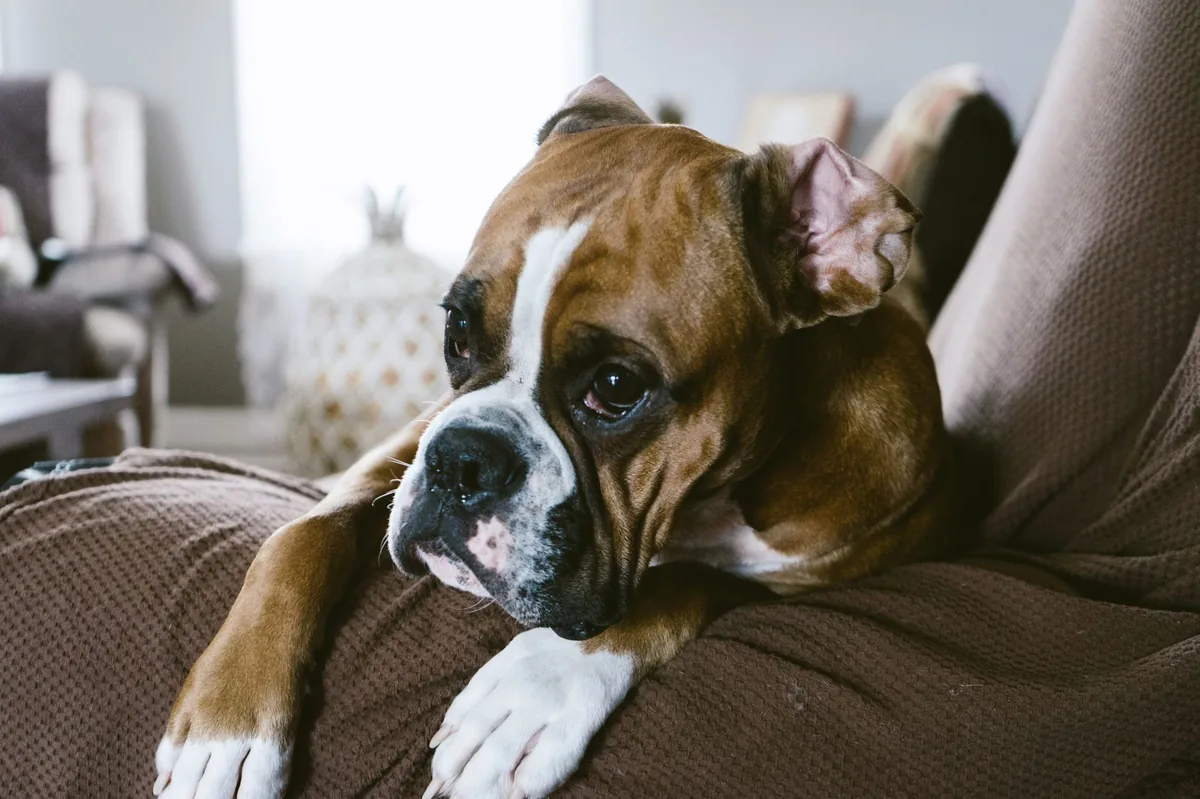
The condition can be autoimmune (the immune system mistakenly attacks brain tissue), infectious (viral, bacterial, fungal, or parasitic agents), or idiopathic (no clear cause is found). Certain breeds—such as the German Shepherd, Boxer, Pug, and English Bulldog—show a higher incidence of autoimmune encephalitis, suggesting a genetic component that primes their immune systems to misfire.
Overall, encephalitis is uncommon, affecting roughly 1–2 dogs per 10,000 annually according to the American College of Veterinary Internal Medicine (ACVIM). However, in predisposed breeds the rate can be several times higher, making breed awareness crucial for early detection.
What causes it?
Risk factors fall into three broad categories:
| Category | Typical Causes |
|---|---|
| Autoimmune | Genetic predisposition (e.g., German Shepherds, Boxers), dysregulated immune response, recent vaccination trigger (rare) |
| Infectious | Canine distemper virus, rabies, bacterial meningitis, Toxoplasma gondii, fungal infections (Cryptococcus) |
| Idiopathic/Other | Unknown origin, possible environmental toxins, trauma, or neoplasia (brain tumors) mimicking inflammation |
In many large‑breed dogs, the exact trigger remains elusive, but research from the University of Pennsylvania School of Veterinary Medicine suggests a link between certain MHC‑II gene variants and autoimmune encephalitis in German Shepherds.
Signs and symptoms
Encephalitis can develop quickly—hours to a few days. Early signs are often subtle, while severe disease presents with life‑threatening neurologic crises.
| Severity | Signs |
|---|---|
| Mild | Changes in behavior (increased anxiety, disorientation), mild ataxia (unsteady gait), intermittent head tilting, reduced appetite |
| Moderate | Persistent ataxia, facial nerve deficits (drooping ear or eyelid), tremors, vision loss, low‑grade seizures |
| Severe | Generalized seizures, status epilepticus (continuous seizure), coma, respiratory failure, sudden paralysis |
Red‑flag symptoms that warrant immediate veterinary attention include:
- Any seizure activity, especially if it lasts longer than a minute.
- Sudden loss of coordination or inability to stand.
- Rapidly progressing blindness or facial paralysis.
- Unexplained fever (>103 °F/39.4 °C) combined with neurologic signs.
When to call your vet
Call your vet today if you notice any of the mild or moderate signs listed above—especially new seizures, persistent head tilt, or a sudden change in behavior. Your vet can schedule diagnostics, start anti‑inflammatory meds, and provide supportive care.
Go to an emergency veterinary hospital right now if your dog experiences a generalized seizure, cannot regain consciousness, or shows severe ataxia with breathing difficulty. These are medical emergencies that require immediate stabilization.
This article is for informational purposes only and does not replace professional veterinary advice. If you suspect encephalitis, contact your vet promptly.
How vets diagnose it
Diagnosing encephalitis is a stepwise process that combines history, physical exam, and advanced testing.
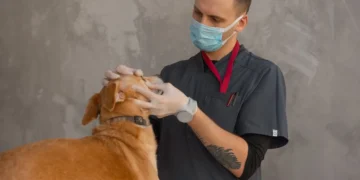
- History & physical exam: Your vet will ask about recent vaccinations, travel, exposure to other sick animals, and the timeline of neurologic signs. A thorough neurologic exam checks reflexes, gait, eye movement, and cranial nerve function.
- Blood work: CBC and chemistry panels look for infection markers, inflammation (elevated white blood cells), and organ function. Serology can screen for infectious agents like distemper or Toxoplasma.
- CSF (cerebrospinal fluid) analysis: A sample taken from the spinal canal can reveal inflammatory cells, antibodies, or infectious organisms. Elevated protein and pleocytosis (increased white cells) are typical of encephalitis.
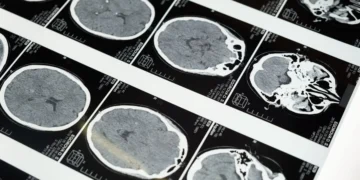
- Imaging: MRI is the gold standard, showing brain swelling, contrast enhancement, and sometimes lesions that suggest autoimmune disease. CT scans are quicker but less sensitive; they’re useful if MRI isn’t available.
- Advanced testing: In select cases, a brain biopsy may be performed to differentiate inflammatory disease from neoplasia, though it’s rarely needed.
All of these tests together help the veterinary neurologist determine whether the inflammation is autoimmune, infectious, or idiopathic, guiding the treatment plan.
Treatment options
Medical treatment
First‑line therapy focuses on reducing inflammation and controlling seizures.
- Anti‑inflammatory steroids: Prednisone or dexamethasone are commonly started at high doses to dampen the immune response.
- Immunosuppressive agents: Mycophenolate mofetil, azathioprine, or cyclosporine may be added if steroids alone aren’t enough. Your vet will tailor dosing based on weight and severity.
- Antiepileptic drugs (AEDs): Phenobarbital, levetiracetam, or potassium bromide help prevent seizures. Ask your vet about these options and possible side effects.
- Antibiotics/antivirals: If an infectious cause is identified, drugs such as doxycycline (for bacterial meningitis) or antiviral therapy for distemper may be prescribed.
All medications should be discussed with your veterinarian—especially because some drugs interact with each other or with existing health conditions.
Supplements and supportive care
While supplements can’t replace prescription drugs, they may aid recovery when used alongside them.
- Omega‑3 fatty acids (EPA/DHA): Found in fish oil, these help reduce neuroinflammation. A daily dose of 100 mg EPA per 10 lb body weight is typical, but confirm with your vet.
- Antioxidant blends: Vitamin E and selenium support neuronal health, especially after oxidative stress from seizures.
- Probiotics: A healthy gut can modulate the immune system; a high‑quality canine probiotic may be beneficial during prolonged steroid therapy.
Procedures or surgery
Most encephalitis cases are managed medically. However, if a focal lesion (e.g., an abscess or tumor) mimics inflammation, neurosurgical removal or drainage may be required. Recovery from brain surgery can take 2–4 weeks of intensive care, and costs range from $5,000–$12,000 in the U.S., depending on the facility.
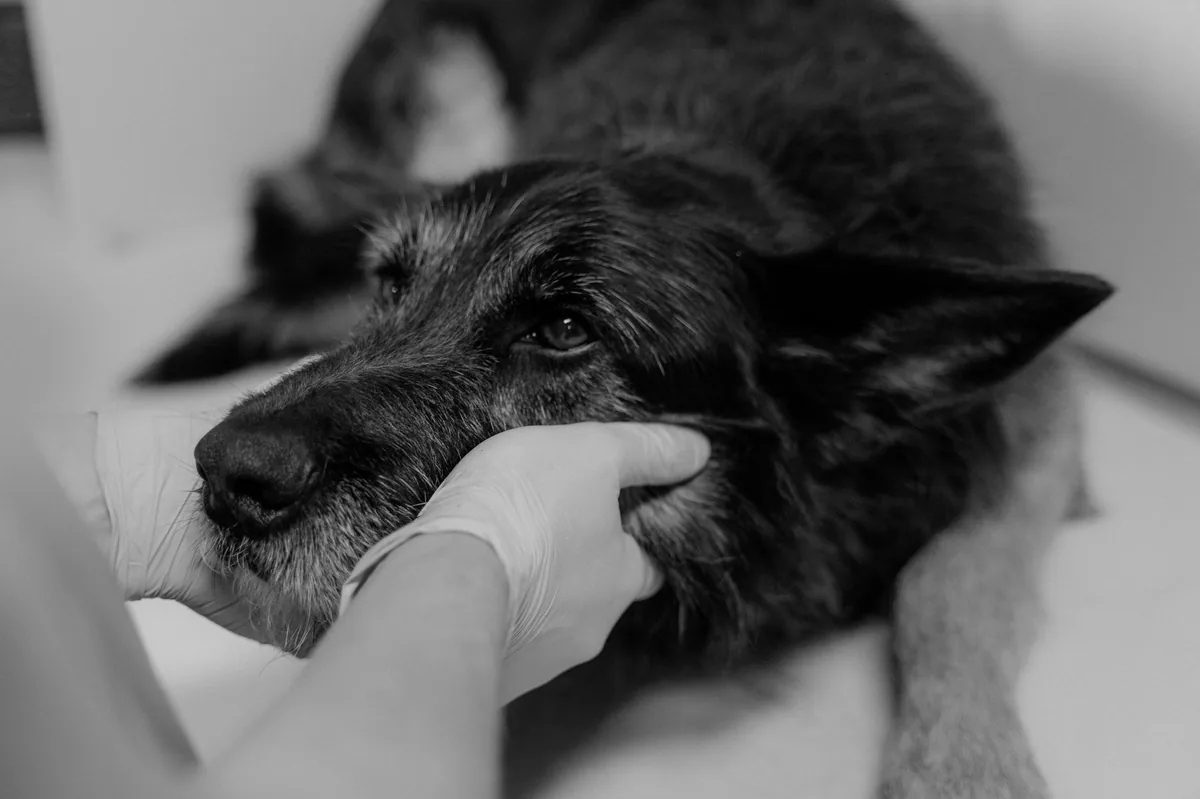
Diet and nutrition
Nutrition plays a supportive role in managing brain inflammation. While no single diet cures encephalitis, certain nutrients can lessen neuroinflammation, aid recovery, and help maintain overall health.
Foods to favor
- Highly digestible protein: Soft‑cooked chicken, turkey, or low‑fat cottage cheese reduce the metabolic load on the liver and kidneys, allowing the brain to receive adequate amino acids.
- Omega‑3 rich sources: Salmon, sardines, or a vetted fish‑oil supplement provide EPA/DHA, which have been shown in studies (e.g., WSAVA 2022 guidelines) to reduce inflammatory cytokines in the CNS.
- Antioxidant‑dense vegetables: Cooked carrots, pumpkin, and blueberries supply vitamins C and E, supporting neuronal membranes.
- Low‑sodium, low‑carbohydrate formulas: Prescription therapeutic diets like “renal” or “neurological” blends (e.g., Hill’s Prescription Diet i/d) control fluid balance and limit excess glucose that can exacerbate swelling.
Foods to limit or avoid
| Do feed | Limit | Avoid |
|---|---|---|
| Lean boiled meats, omega‑3 fish, cooked veg | Cooked eggs, low‑fat dairy (moderation) | High‑fat meats, fried foods, raw bones (risk of infection) |
| Prescription neurological diet (if recommended) | Commercial kibble high in fillers | Grains with high gluten content (may increase inflammation) |
Feeding tips during recovery
- Offer small, frequent meals (3–4 times daily) to avoid gastrointestinal upset from steroids.
- Warm the food slightly to improve palatability, especially if the dog’s sense of smell is dulled.
- Transition to a new diet over 7–10 days, mixing increasing amounts of the new food with the old.
- Monitor weight weekly; rapid loss may signal steroid‑induced muscle wasting.
For dogs with chronic neurologic deficits, a senior‑focused diet low in phosphorus and enriched with antioxidants can help maintain quality of life. Talk to your vet about a therapeutic diet that meets the budget and nutritional needs of your dog.
Cost and prognosis
Financial considerations are a real part of caring for a dog with encephalitis. Below is a rough breakdown of typical expenses in the United States and United Kingdom (prices vary by clinic and region).
| Service | US (USD) | UK (GBP) |
|---|---|---|
| Initial exam & neurologic assessment | $150–$300 | £80–£150 |
| Blood work (CBC, chemistry, serology) | $200–$400 | £100–£200 |
| CSF collection & analysis | $400–$800 | £200–£350 |
| MRI (full brain with contrast) | $1,200–$2,500 | £800–£1,500 |
| Hospitalization (ICU 48 hrs) | $800–$1,500 | £400–£800 |
| Medications (steroids, immunosuppressants, AEDs) | $100–$400/month | £70–£250/month |
| Follow‑up visits & repeat imaging | $300–$600 each | £150–£300 each |
Prognosis hinges on several factors: breed, speed of treatment initiation, underlying cause, and whether seizures were controlled early. In autoimmune cases where treatment begins within 48 hours, survival rates can reach 60–70 % (AAHA 2023 guidelines). Infectious encephalitis often carries a poorer outlook, especially if caused by distemper or severe bacterial meningitis.
Even with a guarded prognosis, many dogs regain a good quality of life, especially if neurologic deficits are mild. Ongoing physiotherapy, mental stimulation, and a supportive diet can help preserve function.
Prevention and home care
While you can’t eliminate all risk, several strategies can lower the chance of brain inflammation, especially in predisposed breeds.
- Vaccination: Keep core vaccines up to date (distemper, adenovirus, parainfluenza). The AAHA 2023 schedule recommends boosters every 3 years for most adult dogs.
- Parasite control: Regular heartworm, flea, and tick preventatives reduce exposure to Toxoplasma and other protozoa linked to encephalitis.
- Breeding considerations: If you’re breeding, select mates screened for known MHC‑II gene variants associated with autoimmune disease. The American Kennel Club (AKC) encourages health testing for inherited conditions.
- Environmental safety: Avoid toxic plants (e.g., sago palm) and limit exposure to chemicals that could trigger immune reactions.
- Routine monitoring: For high‑risk breeds, schedule a neurologic exam at least annually. Early detection of subtle gait changes or behavioral shifts can prompt quicker diagnostics.
At home, keep a daily log of any neurologic events—seizure length, triggers, and recovery time—to share with your vet. Consistency in feeding, medication timing, and gentle exercise (short leash walks) supports recovery and reduces stress on the brain.
From our vet team: “If you catch encephalitis early, the odds of a meaningful recovery rise dramatically. Don’t wait for a seizure to stop you—call your vet as soon as you notice odd behavior or a head tilt. Prompt imaging and a tailored immunosuppressive plan are the cornerstones of successful treatment.”
Key takeaways
- Brain tissue inflammation can be breed‑linked; German Shepherds, Boxers, Pugs, and Bulldogs are most at risk.
- Early signs include behavior changes, head tilt, and mild ataxia; seizures are a red‑flag emergency.
- Diagnosis relies on blood work, CSF analysis, and MRI; your vet will piece together the cause.
- Treatment combines high‑dose steroids, immunosuppressants, and seizure meds; omega‑3 supplements may help.
- Costs can exceed $5,000 for full work‑up and hospitalization, but many owners manage with insurance or payment plans.
- Prevention focuses on up‑to‑date vaccinations, parasite control, responsible breeding, and routine neurologic checks.
Myth vs. fact
Myth: Only older dogs get brain inflammation.
Fact: Encephalitis can affect dogs of any age, but certain breeds may develop it at a younger age due to genetic factors.
Myth: If a dog survives the first seizure, the disease is over.
Fact: Encephalitis often causes recurrent seizures; ongoing treatment and monitoring are essential.
Myth: Home remedies like herbal teas can replace veterinary care.
Fact: While supplements can support recovery, only a veterinarian can diagnose and prescribe the necessary anti‑inflammatory and anti‑seizure medications.
Frequently asked questions
What are the early signs of brain inflammation in dogs?
Early signs include subtle changes in behavior (increased anxiety, confusion), mild head tilt, unsteady gait, and reduced appetite. These may progress to tremors or brief seizures within days.
Can brain inflammation be fatal for certain breeds?
Yes. Breeds with a genetic predisposition, such as Boxers and German Shepherds, can experience more severe disease courses. Fatality rates are higher when treatment is delayed or when the cause is infectious (e.g., distemper).
How is canine encephalitis diagnosed?
Veterinarians use a combination of blood tests, CSF analysis, and MRI imaging. MRI is the most sensitive tool for detecting brain swelling and lesions, while CSF helps differentiate autoimmune from infectious causes.
What treatments are available for brain inflammation in dogs?
First‑line treatment includes high‑dose steroids, immunosuppressive drugs (mycophenolate, azathioprine), and anti‑seizure medications. Supportive care—fluid therapy, nutrition, and physiotherapy—completes the plan. In rare cases, surgery may be needed for focal lesions.
Are there any foods that help reduce brain inflammation in dogs?
Yes. Diets rich in omega‑3 fatty acids (salmon, fish oil), antioxidants (blueberries, carrots), and highly digestible protein can support neuronal health and reduce inflammation. Prescription neurological diets are also formulated to limit excitatory nutrients.
What is the average cost of treating brain inflammation in a senior dog?
In the U.S., comprehensive diagnostics and initial treatment can range from $3,000 to $6,000, with ongoing medication and follow‑up visits adding $100–$400 per month. Costs vary by region and severity; discuss a detailed estimate with your vet.
Ask the PuppaDogs community
Have a question this article didn’t fully answer? Want to compare notes with other dog owners who’ve been through this? Our community forum is moderated by experienced owners and vets — and answers tend to come fast. Ask in the PuppaDogs community →
References
- American College of Veterinary Internal Medicine (ACVIM). “Canine Encephalitis: Diagnosis and Management.” 2023.
- American Animal Hospital Association (AAHA). “2023 Canine Vaccination Guidelines.”
- World Small Animal Veterinary Association (WSAVA). “Nutritional Recommendations for Neurologic Health.” 2022.
- Merck Veterinary Manual. “Encephalitis in Dogs.” Updated 2023.
- University of Pennsylvania School of Veterinary Medicine. “MHC‑II Gene Association with Autoimmune Encephalitis in German Shepherds.” 2021.
- American Kennel Club (AKC). “Health Testing for Breed‑Specific Diseases.” 2022.
- Plumb’s Veterinary Drug Handbook. “Corticosteroids and Immunosuppressants in Dogs.” 9th ed., 2020.


