














Quick take: Brain inflammation caused by parasites—often called neurocysticercosis or toxoplasmosis—occurs when tiny worms or protozoa invade a dog’s central nervous system. It can range from mild wobble to life‑threatening seizures, but early detection, targeted antiparasitic drugs, and supportive care give many dogs a good chance of recovery.
It’s 11 p.m., and your usually‑energetic Border Collie is lying still on the couch, staring at the ceiling. A few minutes later, she lets out a low whine and you notice her eyes flick back and forth, as if something invisible is tugging at them. The Google search bar pops up: “brain inflammation due to parasitic infection in dogs.” You’re scared, you’re tired, and you need a clear answer—fast.
We get it. When a beloved companion shows neurological signs, the worry spikes. The good news is that brain‑affecting parasites are uncommon, and most cases are treatable when caught early. Below we walk through what this condition looks like, how vets figure it out, what treatment options exist, how much it typically costs, and how you can keep parasites out of your dog’s life for good.
Read on for a step‑by‑step guide that covers symptoms, diagnostics, diet, costs, and prevention. We’ll also share a few real‑world stories from owners who’ve walked this path, so you’re never alone.
What is brain inflammation due to parasitic infection in dogs?
Brain inflammation—also called encephalitis—means the brain tissue swells and becomes irritated. When parasites such as Toxoplasma gondii, Taenia solium (causing neurocysticercosis), or Baylisascaris procyonis lodge in the central nervous system, the immune response can trigger encephalitis. The condition is relatively rare in dogs, estimated to affect fewer than 1 % of the canine population, but certain breeds, ages, and lifestyle factors raise the risk.
In plain language, think of the parasite as an uninvited guest that sets up camp in the brain. The body’s defense teams (white blood cells, inflammatory chemicals) swarm the area, causing swelling, pain, and the neurological signs you may see.
What causes it?
Parasites reach the brain in three main ways:
| Parasite | Typical Route to the Brain | Common Hosts |
|---|---|---|
| Toxoplasma gondii | Ingestion of oocysts from contaminated soil, raw meat, or cat feces → bloodstream → brain | All dogs, especially those that hunt or eat raw diets |
| Taenia solium (cysticercus) | Accidental ingestion of tapeworm eggs from contaminated food or environment → larvae cross intestinal wall → bloodstream → brain | Dogs with access to pork scraps or contaminated water |
| Baylisascaris procyonis | Ingestion of raccoon feces containing eggs → larvae migrate through tissues → brain | Dogs that roam in wooded areas or chase raccoons |
Risk factors that increase the chance of these parasites reaching the brain include:
- Young or immunocompromised dogs (puppies and seniors with chronic disease).
- Free‑range lifestyles that allow hunting of rodents, birds, or scavenging.
- Raw or undercooked meat diets that aren’t properly frozen.
- Living in regions with high stray cat or raccoon populations.
Signs and symptoms
Neurological signs can appear suddenly or develop over weeks. Early clues are often subtle; later signs signal a medical emergency.
| Severity | Typical Signs |
|---|---|
| Mild | Head tilt, subtle circling, reduced interest in play, occasional disorientation. |
| Moderate | Unsteady gait (ataxia), tremors, facial nerve weakness, intermittent seizures, changes in vision or hearing. |
| Severe | Frequent seizures, paralysis of one or more limbs, coma, uncontrolled drooling, severe behavioral changes. |
Other red‑flag signs that often accompany parasitic encephalitis include:
- Fever or temperature spikes.
- Vomiting or loss of appetite—especially if the dog refuses food for more than 24 hours.
- Changes in pupil size or light response.
- Unexplained aggression or extreme lethargy.
When to call your vet
Call your vet today if you notice any of the mild‑to‑moderate signs listed above. A prompt appointment can lead to earlier imaging and a better chance of catching the infection before severe damage occurs.
Go to an emergency veterinary hospital right now if your dog has any severe signs: repeated seizures, sudden paralysis, unresponsive coma, or uncontrolled drooling. These are medical emergencies that require immediate intervention.
Remember, this article is for information only and does not replace a hands‑on exam. If you’re ever unsure, err on the side of caution and contact a professional.
How vets diagnose it
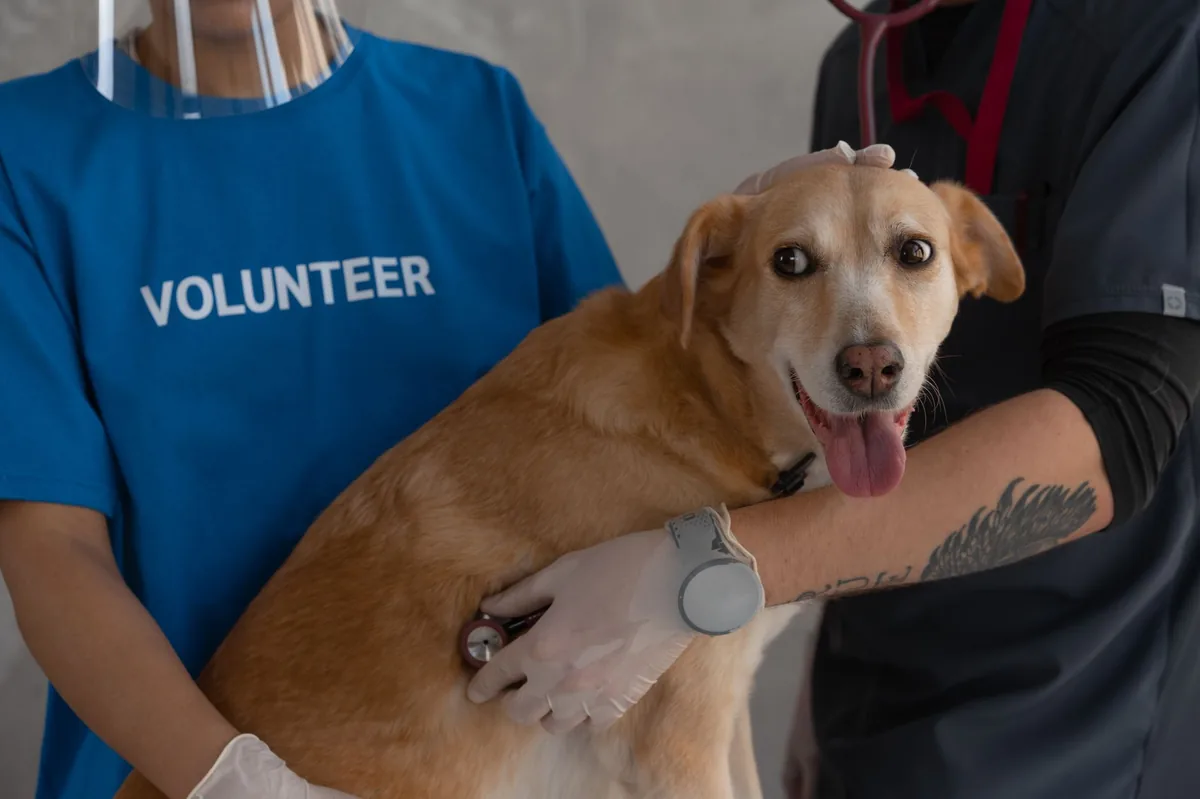
Diagnosing brain inflammation caused by parasites is a multi‑step process. Here’s what most vets do, explained in plain language:
- History and physical exam: The vet asks about recent diet changes, hunting behavior, travel, and any exposure to wildlife or raw meat. A thorough neurological exam checks reflexes, gait, and eye movements.
- Blood work: A complete blood count (CBC) and chemistry panel can reveal inflammation, anemia, or organ stress. Specific serology tests (e.g., Toxoplasma IgG/IgM) look for antibodies that suggest exposure.
- Imaging:
- Magnetic resonance imaging (MRI) gives the clearest view of brain lesions, cysts, or swelling.
- Computed tomography (CT) is useful when MRI isn’t available; it can still show calcified cysts.
- Cerebrospinal fluid (CSF) analysis: A tiny needle draws fluid from the spinal canal. The lab checks for increased white blood cells, protein, and sometimes directly visualizes parasites under a microscope.
- Parasitic identification: If cysts are seen on imaging, the vet may recommend a biopsy or send CSF for PCR (polymerase chain reaction) testing, which can pinpoint the exact organism.
In many cases, a neurologist or a veterinary internal medicine specialist leads the workup, especially when advanced imaging is needed. That’s why it’s common to be referred to a specialty clinic after the initial exam.
Treatment options
Medical treatment
Once a parasite is identified, the mainstay of therapy is antiparasitic medication combined with anti‑inflammatory drugs. Commonly used agents include:
- Albendazole or fenbendazole – broad‑spectrum dewormers that target many helminths.
- Trimethoprim‑sulfadiazine – often paired with pyrimethamine for Toxoplasma infections.
- Prednisone or dexamethasone – steroids that reduce brain swelling. Your vet will tailor the dose to your dog’s weight and severity.
- Anticonvulsants such as levetiracetam or phenobarbital – to control seizures while the infection clears.
All of these drugs require careful monitoring. Ask your vet about potential side effects, blood‑test intervals, and how the medication fits into your dog’s daily routine.
Supplements and supportive care
While supplements can’t replace prescription drugs, they may help reduce inflammation and support recovery:
- Omega‑3 fatty acids (EPA/DHA) – found in fish‑oil supplements; they have mild anti‑inflammatory properties and can aid neuronal health.
- Vitamin E – an antioxidant that may protect brain cells from oxidative stress.
- Probiotics – maintaining gut health can improve overall immunity, especially during prolonged antibiotic courses.
Only add supplements after discussing them with your vet; excessive doses can interfere with other medications.
Procedures or surgery
In rare cases where a single cyst is large, surgically removing it may be considered. Neurosurgical removal requires a specialist and a hospital equipped for advanced brain surgery. Recovery can take 2–4 weeks, and costs typically range from $5,000 to $12,000 (US) depending on the facility. Most dogs are managed medically rather than surgically.
Diet and nutrition
Nutrition plays a supportive role during recovery from brain inflammation. While there’s no “cure‑by‑diet” for parasitic encephalitis, feeding a balanced, highly digestible diet helps the immune system focus on healing.
| Do feed | Limit | Avoid |
|---|---|---|
| High‑quality protein (chicken, turkey, fish) – supports tissue repair. | Excessive fat – can exacerbate inflammation. | Raw meat that isn’t frozen ≥ 2 weeks (risk of parasite transmission). |
| Omega‑3 enriched kibble or added fish oil – anti‑inflammatory. | Highly processed treats with artificial preservatives. | Bone‑containing raw diets that may harbor parasites. |
| Complex carbohydrates (sweet potato, pumpkin) – gentle on the gut. | High‑sodium foods – can increase blood pressure. | Any food with unknown ingredients or “by‑products.” |
Key dietary principles:
- Highly digestible protein: Aim for 18–22 % protein on a dry‑matter basis. This supplies the amino acids needed for neuronal repair.
- Moderate calories: Inflammation raises the body’s energy demand, but over‑feeding can cause weight gain and joint stress. Feed measured portions based on your dog’s ideal body weight.
- Hydration: Ensure fresh water is always available. If your dog is reluctant to drink, offer low‑sodium broth or ice chips.
- Prescription therapeutic diets: Some vets recommend “neurological” or “brain‑support” formulas that contain added antioxidants (vitamin C, selenium) and DHA. Brands vary; ask your vet which one fits your budget.
- Transition slowly: When switching foods, mix 25 % new food with 75 % old food for three days, then 50/50, then 75 % new. This reduces gastrointestinal upset.
For dogs recovering from surgery or severe inflammation, a soft, easy‑to‑chew diet (e.g., canned or soaked kibble) may be best for the first few days. Consult your vet for specific feeding instructions.
Cost and prognosis
Financial considerations are a real part of any serious illness. Below is a rough cost breakdown for a typical case of parasitic brain inflammation in the United States and United Kingdom (prices vary by region and clinic).
| Service | US (estimate) | UK (estimate) |
|---|---|---|
| Initial exam & blood work | $150–$250 | £80–£150 |
| MRI of the brain | $1,200–$2,000 | £800–£1,200 |
| CSF analysis (including PCR) | $300–$500 | £200–£350 |
| Antiparasitic medication (6‑week course) | $250–$600 | £150–£350 |
| Anti‑inflammatory steroids | $30–$80 | £20–£50 |
| Supportive care (hospitalization, fluids) | $500–$1,500 per day | £300–£900 per day |
| Optional surgery (neurosurgical cyst removal) | $5,000–$12,000 | £4,000–£9,000 |
Overall prognosis depends on:
- How quickly treatment begins after symptom onset.
- The specific parasite involved (Toxoplasma generally has a better response than Baylisascaris).
- The dog’s age and overall health.
- Whether seizures are controlled early in the course.
When caught early, many dogs achieve full neurological recovery within 4–8 weeks. Some may retain mild gait abnormalities or episodic seizures, which can be managed with ongoing medication. Late‑stage disease or extensive brain damage can lead to a guarded to poor prognosis.
Prevention and home care
Keeping parasites out of the environment is the most effective way to prevent brain inflammation.
- Regular deworming: Follow AAHA guidelines for year‑round broad‑spectrum dewormers, especially for dogs that hunt or roam outdoors.
- Control wildlife exposure: Discourage raccoon or stray cat access to yards, and keep garbage securely covered.
- Safe feeding practices: Freeze raw meat for at least 2 weeks before feeding, or choose high‑quality commercial raw diets that undergo validated pathogen‑reduction processes.
- Hygiene: Wash hands after handling raw food or cleaning up after your dog. Clean food bowls and water dishes daily.
- Vaccination: No vaccine exists for brain parasites, but staying up‑to‑date on core vaccines protects against secondary infections that can complicate encephalitis.
- Regular veterinary check‑ups: Annual exams (or more frequent for senior dogs) allow early detection of parasites in stool or blood.
At home, monitor your dog’s neurologic status closely. Keep a simple log of any wobble, head tilt, or seizure activity, and share it with your vet during follow‑up visits. This helps gauge treatment response and adjust therapy promptly.
From our vet team: If you catch the first sign of a head tilt or unexplained wobble, you’ve already bought yourself a better chance at a full recovery. Early imaging and targeted antiparasitic drugs are the keys—don’t wait for the next seizure to call the vet.
Key takeaways
- Brain inflammation from parasites is rare but treatable; early detection dramatically improves outcomes.
- Watch for head tilt, unsteady gait, seizures, or sudden behavior changes—these are red‑flag signs.
- Diagnosis relies on blood tests, MRI/CT imaging, and CSF analysis; a specialist often leads the workup.
- Treatment combines antiparasitic drugs, steroids, and seizure control, plus supportive care and nutrition.
- Costs can range from a few hundred dollars for basic workup to several thousand for advanced imaging or surgery.
- Prevent infection with regular deworming, safe feeding practices, and limiting wildlife exposure.
Myth vs. fact
Myth: Only stray or wild dogs get brain parasites.
Fact: Any dog that eats raw meat, hunts rodents, or lives in areas with high wildlife activity can be exposed.
Myth: Brain inflammation always means a permanent neurological deficit.
Fact: When treated early, many dogs recover completely; some may need long‑term seizure medication.
Myth: Antibiotics alone cure the infection.
Fact: Antiparasitic drugs are required; antibiotics may be added only if a bacterial secondary infection is present.
Frequently asked questions
What symptoms indicate a dog has brain inflammation caused by parasites?
Typical signs include head tilting, unsteady gait, tremors, seizures, and changes in behavior or vision. Early signs are often subtle—watch for a new wobble or loss of coordination.
Can a regular vet diagnose parasitic brain infection, or is a specialist needed?
Initial assessment and basic blood work can be done by any licensed veterinarian, but advanced imaging (MRI/CT) and CSF analysis often require a board‑certified neurologist or internal medicine specialist.
Which parasites are most likely to cause brain inflammation in dogs?
The most common culprits are Toxoplasma gondii, Taenia solium (neurocysticercosis), and Baylisascaris procyonis. All three can reach the brain via the bloodstream after ingestion of contaminated material.
Is brain inflammation from parasites reversible with treatment?
Yes—especially when therapy starts early. Antiparasitic drugs combined with steroids often reduce swelling and clear the infection, allowing many dogs to regain normal function within weeks.
How much does it cost to treat a dog with parasitic brain inflammation?
Typical expenses include $150–$250 for the initial exam, $1,200–$2,000 for MRI, $300–$500 for CSF analysis, and $250–$600 for a six‑week antiparasitic course. Hospitalization and surgery can add several thousand dollars more.
What preventive measures can owners take to protect their dogs from brain parasites?
Regular broad‑spectrum deworming, avoiding raw meat unless properly frozen, limiting access to wildlife feces, and maintaining strict hygiene (hand washing, cleaning bowls) are the most effective strategies.
Ask the PuppaDogs community
Have a question this article didn’t fully answer? Want to compare notes with other dog owners who’ve been through this? Our community forum is moderated by experienced owners and vets — and answers tend to come fast. Ask in the PuppaDogs community →
References
- American Animal Hospital Association (AAHA) 2023 Parasite Control Guidelines.
- Merck Veterinary Manual, “Encephalitis and Parasites in Dogs” chapter.
- World Small Animal Veterinary Association (WSAVA) – Infectious Diseases of the Central Nervous System.
- American College of Veterinary Internal Medicine (ACVIM) – Consensus Statement on Canine Neurocysticercosis, 2022.
- University of California, Davis School of Veterinary Medicine – Toxoplasmosis in Dogs fact sheet.
- Veterinary Parasitology (3rd ed.) – Chapter on CNS parasites, 2021.
- American Veterinary Medical Association (AVMA) – Guidelines for Diagnostic Imaging in Neurology, 2020.
- International Society for Companion Animal Parasites – Prevention recommendations, 2023.
- Veterinary Nutrition & Therapy – Omega‑3 supplementation in neurological disease, 2022.


