












Quick take: Campylobacteriosis is a bacterial gut infection that can cause diarrhea, vomiting, and fever in dogs. Most healthy dogs recover with supportive care and antibiotics, but puppies, senior dogs, or immunocompromised pets may need prompt treatment. Good hygiene, safe food handling, and early veterinary attention keep the illness from becoming serious.
It’s 11 p.m., you’re sitting on the couch, and your usually‑bouncy Jack Russell Terrier is curled up, eyes half‑closed, and refuses to finish her dinner. The next morning her stool is watery, tinged with mucus, and you spot a faint smell you don’t recognize. You Google “dog diarrhea and fever” and the first result mentions a bacterial infection called Campylobacteriosis. Your heart races. Is this something you can handle at home, or do you need to rush to the emergency clinic?
We get it. A sudden bout of gastroenteritis in a beloved pet can feel like a crisis, especially when the name “Campylobacter” sounds as ominous as a virus. The good news is that most cases are mild and resolve with proper care. The bad news is that puppies, senior dogs, or dogs with weakened immune systems can develop severe dehydration or systemic illness if left untreated. In this guide we’ll explain exactly what Campylobacteriosis is, how it spreads, what signs to watch for, how vets confirm the diagnosis, what treatment looks like, how much it might cost, and how you can prevent future infections.
Read on for a step‑by‑step roadmap: from the first clue your dog gives you, to the tests your vet will run, to the medicines that may be prescribed, and the diet adjustments that help a recovering pup get back on its feet. We’ll also share practical tips for keeping your home and food safe, and a quick checklist of red‑flag symptoms that mean “call the vet now” or “go to the ER right now.”
What is bacterial infection (Campylobacteriosis) in dogs?
Campylobacteriosis is an infection of the gastrointestinal tract caused by bacteria of the genus Campylobacter. The most common species affecting dogs is Campylobacter jejuni, though C. upsaliensis and C. coli can also be involved. These bacteria thrive in the intestines of many animals, including birds, cattle, and humans. In dogs, the bacteria can cause inflammation of the small and large intestines, leading to watery or mucoid diarrhea, vomiting, abdominal pain, and sometimes fever.
While any dog can become infected, the condition is most frequently reported in puppies under six months, senior dogs over ten years, and dogs with compromised immune systems (e.g., those on steroids or chemotherapy). According to the American Animal Hospital Association (AAHA), Campylobacteriosis accounts for roughly 5–10 % of acute diarrheal cases presented to veterinary clinics in the United States, making it a relatively common bacterial cause of gastroenteritis.
What causes it?
Campylobacter bacteria spread through several routes. Understanding these helps you cut off the infection chain before it reaches your dog.
| Transmission route | Typical source | Prevention tip |
|---|---|---|
| Contaminated water | Stagnant ponds, untreated tap water, puddles | Provide fresh, filtered water; avoid letting dogs drink from standing water |
| Raw or undercooked meat | Raw chicken, turkey, beef, or pork diets | Freeze raw meat for at least 24 h, thaw in refrigerator, and follow strict hygiene |
| Fecal‑oral spread | Contact with infected feces from other dogs, cats, livestock, or wildlife | Pick up poop promptly, wash hands, and keep dog’s environment clean |
| Cross‑contamination | Cutting boards, utensils, or surfaces used for raw meat | Use separate boards for raw food, sanitize with hot, soapy water |
Outbreaks are also reported in kennels, shelters, and boarding facilities where many dogs share water bowls and play areas. In those settings, a single infected dog can quickly seed the bacteria throughout the population.
Signs and symptoms
Campylobacteriosis usually presents as an acute gastrointestinal upset, but the severity can range from mild to life‑threatening. Below is a practical guide to what you might notice, broken down by severity.
| Severity | Typical signs |
|---|---|
| Mild | Soft stool, occasional mucus, mild appetite loss, normal energy |
| Moderate | Watery diarrhea (often with blood or mucus), vomiting, reduced water intake, slight lethargy, fever (101‑103 °F) |
| Severe | Profuse watery diarrhea, persistent vomiting, marked dehydration, abdominal pain, rapid breathing, pale gums, collapse |
Early clues often include a change in stool consistency and a slight decrease in appetite. If your dog is a picky eater, notice any refusal to eat for more than 12 hours. In puppies and seniors, dehydration can develop quickly, so monitor skin turgor (the skin should snap back promptly when gently lifted) and gum color (pale or gray gums signal low blood volume).
When to call your vet
Call your vet today (non‑emergency) if you see any of the following:
- Diarrhea lasting more than 24 hours
- Vomiting more than once
- Loss of appetite for 12 hours or more
- Fever (temperature above 103 °F)
- Blood or mucus in stool
Go to an emergency veterinary hospital right now if you notice any red‑flag signs:
- Severe dehydration (dry gums, skin tenting, lethargy)
- Continuous vomiting (more than two episodes in an hour)
- Collapse or inability to stand
- Rapid breathing or heart rate
- Signs of abdominal pain (crying, guarding, restlessness)
These symptoms can indicate a dangerous fluid loss or systemic infection that needs immediate IV fluids and monitoring.
This article is for informational purposes only and does not replace a hands‑on veterinary examination.
How vets diagnose it
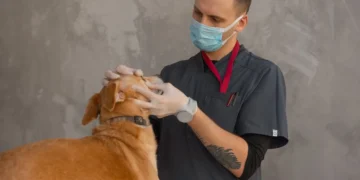
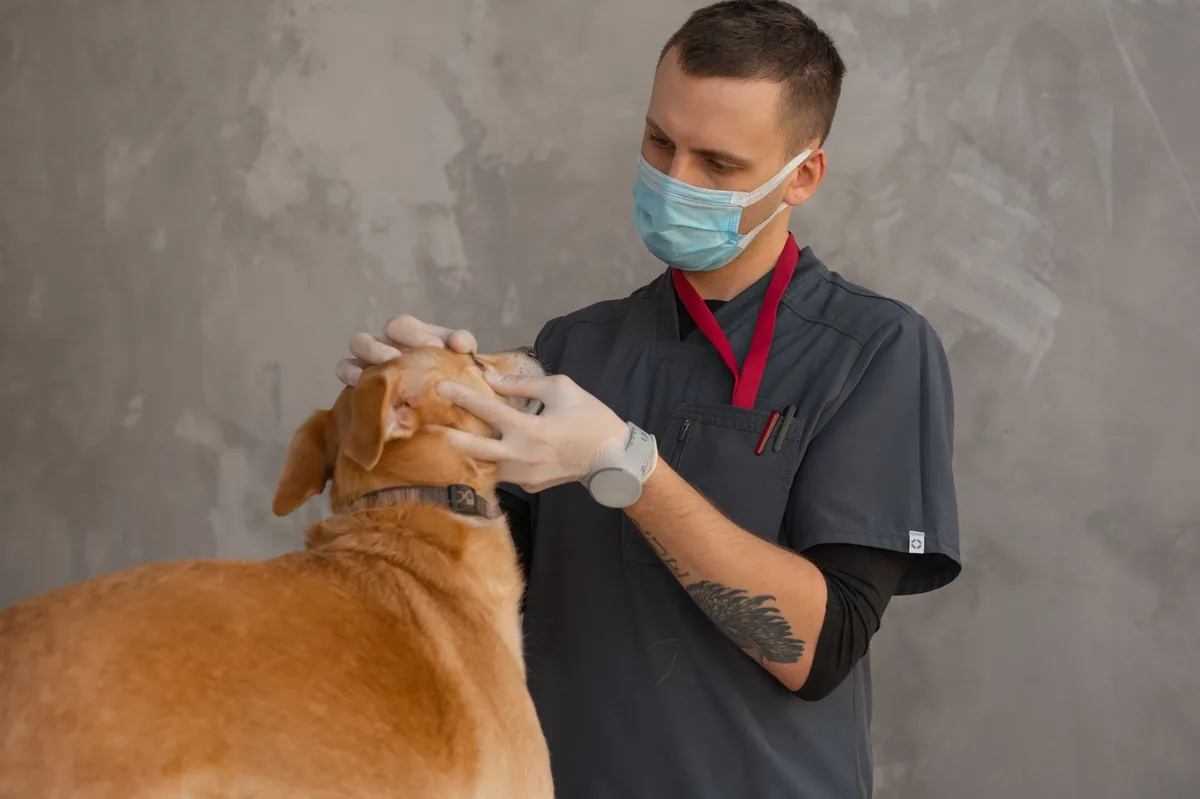
Diagnosis starts with a thorough history: recent diet changes, raw food exposure, travel to farms, or contact with other animals. The physical exam focuses on hydration status, abdominal palpation, and temperature.
Lab work typically includes:
- Fecal PCR (polymerase chain reaction): The most sensitive test for detecting Campylobacter DNA in stool. Results usually return within 24–48 hours.
- Fecal culture: Traditional method that grows the bacteria on selective media. Takes 3–5 days and may miss fastidious strains.
- Complete blood count (CBC): Looks for signs of infection (elevated white blood cells) or dehydration (high hematocrit).
- Serum chemistry panel: Checks kidney function and electrolyte balance, which can be disrupted by vomiting and diarrhea.
In some cases, especially with severe systemic illness, the vet may also perform an abdominal ultrasound to rule out other causes of gastrointestinal pain or to assess intestinal wall thickness.
Treatment options
Medical treatment
The cornerstone of therapy is fluid replacement and targeted antibiotics. Most vets follow AAHA guidelines that recommend:
- Fluids: Subcutaneous or intravenous (IV) crystalloids to correct dehydration and electrolyte loss.
- Antibiotics: First‑line agents include fluoroquinolones (e.g., enrofloxacin) or macrolides (e.g., azithromycin). Your vet will choose based on local resistance patterns and your dog’s health status. Ask your vet about these options.
- Antiemetics: Medications such as maropitant (Cerenia) to control vomiting, making it easier for the dog to eat and drink.
- Probiotics: Some clinicians add a canine‑specific probiotic (e.g., Visbiome or FortiFlora) to help restore normal gut flora. Ask your vet whether a probiotic is appropriate for your dog.
Supplements and supportive care
While antibiotics tackle the bacteria, supportive nutrients can shorten recovery:
- Omega‑3 fatty acids (EPA/DHA): Anti‑inflammatory properties that may reduce intestinal irritation. A daily supplement of 20–30 mg EPA per kilogram of body weight is commonly used, but dosing should be vet‑approved.
- Electrolyte solutions: Oral rehydration products (e.g., Pedialyte, appropriately diluted) can be offered once vomiting subsides, to keep the dog hydrated between meals.
- Digestive enzymes: In some cases, a low‑dose enzyme supplement helps with nutrient absorption during gut healing.
Procedures or surgery
Most Campylobacter infections resolve with medical therapy alone. Surgery is rarely needed unless there is a secondary complication such as intestinal perforation, severe obstruction, or necrotizing enteritis—conditions that would be evident on imaging and require urgent intervention. When surgery is indicated, the typical cost ranges from $2,500 USD to $5,000 USD (≈£2,000–£4,500, AU$3,500–AU$7,000), depending on the facility and postoperative care needed.
Diet and nutrition
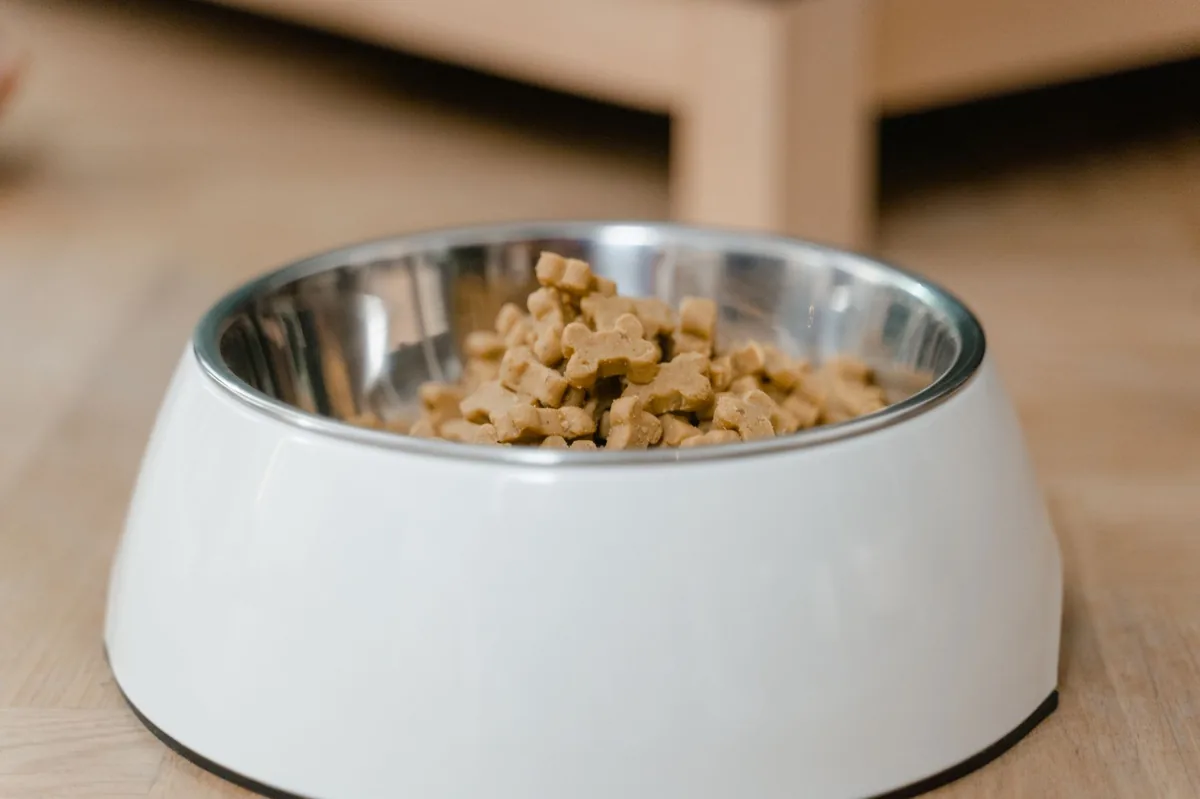
Nutrition is a vital part of the recovery plan. The goal is to provide easily digestible, high‑quality protein while minimizing gut irritation.
- Start with a bland diet: Boiled skinless chicken breast mixed with white rice (1:2 ratio) or a commercial “gastrointestinal recovery” formula. This supplies protein without excess fat.
- Gradually re‑introduce regular food: After 48–72 hours of stable stools, mix increasing amounts of your dog’s regular kibble with the bland diet. Aim for a 25 % regular food / 75 % bland mixture on day 4, progressing to full kibble by day 7 if no relapse occurs.
- Avoid raw or high‑fat meals: Raw meat can re‑introduce Campylobacter and other pathogens, while fatty foods may worsen diarrhea.
- Hydration: Offer fresh water frequently. If your dog refuses water, add low‑salt broth or the aforementioned electrolyte solution.
- Prescription therapeutic diets: For dogs with ongoing gastrointestinal sensitivity, a veterinary‑prescribed diet such as a “low‑residue” or “hydrolyzed protein” formula can be useful. These diets are designed to be highly digestible and low in antigens that could trigger inflammation.
| Food choice | Do feed | Limit | Avoid |
|---|---|---|---|
| Boiled chicken + rice | ✔️ | — | — |
| Commercial GI recovery kibble | ✔️ | — | — |
| Raw meat or bones | — | — | ❌ |
| High‑fat treats (cheese, bacon) | — | — | ❌ |
| Probiotic‑enhanced foods | ✔️ (if vet approves) | — | — |
When transitioning back to a regular diet, watch for any return of loose stools or vomiting. If symptoms reappear, pause the transition and revert to the bland diet while contacting your vet. This “step‑up” approach helps you catch a relapse early.
Cost and prognosis
Financial considerations are an important part of planning care. Below are typical cost ranges in the United States and United Kingdom, based on AAHA and veterinary practice surveys. Prices can vary widely depending on location, severity, and whether you choose a private clinic or an emergency hospital.
| Service | US estimate (USD) | UK estimate (GBP) |
|---|---|---|
| Initial exam & basic bloodwork | $80–$150 | £60–£110 |
| Fecal PCR test | $120–$200 | £90–£150 |
| IV fluid therapy (24 h) | $150–$300 | £110–£220 |
| Antibiotic course (generic) | $30–$80 | £20–£60 |
| Probiotic (optional) | $20–$45 | £15–£35 |
| Total (mild‑moderate case) | $400–$800 | £300–£600 |
Prognosis is excellent for healthy adult dogs—recovery usually occurs within 5–7 days of starting treatment. Puppies and senior dogs have a slightly higher risk of complications such as severe dehydration or secondary bacterial infections, but with prompt care most survive and return to normal activity.
Prevention and home care
Preventing Campylobacteriosis is largely about hygiene and safe feeding practices.
- Water safety: Provide fresh, filtered water daily. Avoid letting dogs drink from puddles, ponds, or public fountains.
- Raw food handling: If you feed a raw diet, freeze meat for at least 24 hours, thaw in the refrigerator, and wash all surfaces with hot, soapy water. Use separate cutting boards for raw meat and other foods.
- Hand washing: Always wash your hands after handling pet waste, raw meat, or cleaning a kennel.
- Environmental cleaning: Disinfect food bowls, water dishes, and kennel surfaces with a diluted bleach solution (1 part bleach to 32 parts water) weekly.
- Vaccination status: While there is no vaccine for Campylobacter, keeping your dog up‑to‑date on core vaccines (e.g., parvovirus, distemper) reduces the risk of co‑infections that can complicate recovery.
- Regular veterinary check‑ups: Routine fecal exams for dogs that eat raw or spend time outdoors can catch asymptomatic carriers before they spread infection.
- Post‑surgery hygiene: After any surgical procedure, keep the incision clean, limit exposure to other animals for at least 7 days, and avoid raw treats until the wound fully heals.
For owners who prefer raw diets, consider adding a high‑quality, heat‑treated meat product (e.g., “freeze‑dried” or “high‑pressure processed” meals) that eliminates most bacterial contaminants while preserving the benefits of raw feeding.
From our vet team: “Campylobacter infection can feel scary, but most dogs bounce back quickly with fluids and the right antibiotics. The biggest risk factor is raw food, so if you’re feeding it, double‑check your handling hygiene. And always keep an eye on hydration—dry gums are the fastest way to turn a mild case into an emergency.”
Key takeaways
- Campylobacteriosis causes diarrhea, vomiting, and sometimes fever; most healthy dogs recover with fluids and antibiotics.
- Raw meat, contaminated water, and fecal‑oral spread are the main routes of infection—practice strict hygiene to lower risk.
- Call your vet if diarrhea lasts over 24 hours, if vomiting occurs, or if you see blood, mucus, or fever; go to the ER immediately for severe dehydration or collapse.
- Treatment includes IV or sub‑Q fluids, a fluoroquinolone or macrolide antibiotic, and supportive care such as bland diets and probiotics.
- Recovery usually takes 5–7 days; puppies and seniors need closer monitoring because they can dehydrate faster.
- Prevent future infections by providing clean water, washing hands and bowls, and handling raw food safely.
Myth vs. fact
Myth: Campylobacter only affects dogs that eat raw food.
Fact: While raw diets increase risk, the bacteria can also be acquired from contaminated water, other animals, or environmental sources.
Myth: All dogs with Campylobacter need antibiotics.
Fact: Mild cases sometimes resolve with supportive care alone, but antibiotics are recommended for moderate to severe disease or for puppies, seniors, and immunocompromised dogs.
Myth: Once your dog recovers, they’re no longer a carrier.
Fact: Dogs can shed Campylobacter bacteria for weeks after symptoms stop, so continued hygiene and occasional fecal testing are wise.
Frequently asked questions
How do I know if my dog has Campylobacter?
Look for acute diarrhea (often watery or with mucus), vomiting, fever, and loss of appetite; a fecal PCR test is the most reliable way to confirm the infection.
What tests does a vet use to confirm Campylobacteriosis?
Veterinarians typically run a fecal PCR or culture, combined with a CBC and serum chemistry to assess dehydration and overall health.
Is Campylobacter infection contagious to other pets?
Yes. The bacteria spread via the fecal‑oral route, so other dogs, cats, and even humans can become infected if they ingest contaminated material.
How long does it take for a dog to recover from Campylobacter?
Most dogs improve within 3–5 days of starting antibiotics and fluid therapy, with full recovery usually seen by day 7. Puppies and seniors may need a longer monitoring period.
Can raw food diets increase the risk of Campylobacter in dogs?
Raw meat can harbor Campylobacter, so feeding raw diets does raise the risk unless the meat is heat‑treated or handled with strict sanitation.
What home care steps can I take while my dog is on antibiotics?
Provide fresh water, a bland diet (boiled chicken and rice), keep the dog’s environment clean, and follow the vet’s dosing schedule. Use a probiotic only if your vet recommends it, and monitor for any side effects such as loss of appetite or diarrhea worsening.
Ask the PuppaDogs community
Have a question this article didn’t fully answer? Want to compare notes with other dog owners who’ve been through this? Our community forum is moderated by experienced owners and vets — and answers tend to come fast. Ask in the PuppaDogs community →
References
- AAHA 2023 Bacterial Gastroenteritis Guidelines.
- Merck Veterinary Manual, “Campylobacteriosis” chapter.
- World Small Animal Veterinary Association (WSAVA) – Infectious Disease Consensus Statement, 2022.
- American Veterinary Medical Association (AVMA) – Zoonotic Pathogens and Pets, 2021.
- UC Davis School of Veterinary Medicine – Campylobacter in Dogs Fact Sheet, 2023.
- Veterinary Information Network (VIN) – Fecal PCR Testing for Campylobacter, 2022.
- American College of Veterinary Internal Medicine (ACVIM) – Antimicrobial Therapy Guidelines, 2022.
- National Center for Biotechnology Information (NCBI) – Review of Campylobacter spp. in Companion Animals, 2020.
- PetMD – “Canine Campylobacteriosis: Symptoms, Diagnosis, and Treatment,” 2021.
- Cost.puppadogs.com – Veterinary Service Cost Calculator (accessed June 2026).
