
















Quick take: Arrhythmias can develop after a dog suffers blunt chest injury, ranging from harmless premature beats to life‑threatening ventricular fibrillation. Early signs include irregular heartbeats, fainting, or sudden weakness. Prompt veterinary evaluation, emergency stabilization, and targeted medication (or a pacemaker in rare cases) give many dogs a good chance of recovery, though costs can vary widely.
It’s 9 p.m., the rain has just stopped, and you’re watching your 4‑year‑old Border Collie, Max, limp toward the kitchen after a backyard tumble off the fence. He pauses, his chest rises oddly, and his tail wags slower than usual. You notice his breathing is shallow and his eyes look a little glazed. Your mind races: “Did he break a rib? Could his heart be hurt?” You grab your phone, search “arrhythmia after blunt heart trauma,” and brace for a night of worry.
We get it—seeing a beloved dog struggle after an accident is terrifying. The good news is that many dogs survive a heart contusion, and with timely care the outlook can be hopeful. In this article we’ll explain what a blunt heart injury is, why it can throw the heart’s rhythm off, what you should watch for, how vets pinpoint the problem, and what treatment paths (including possible pacemaker placement) look like. We’ll also cover diet tweaks, typical costs, and steps you can take to keep active dogs safe.
What is Arrhythmias after Blunt Heart Trauma in Dogs?
Blunt heart trauma—also called a cardiac contusion—occurs when a strong impact (like a fall, car collision, or being hit by a heavy object) compresses the chest and damages the heart muscle or its electrical pathways. The injury can irritate the sino‑atrial node (the heart’s natural pacemaker), the atrioventricular node, or the muscle fibers themselves, leading to abnormal electrical impulses—what we call arrhythmias.
Arrhythmias after blunt trauma range from isolated premature beats (often benign) to sustained ventricular tachycardia or fibrillation, which can quickly become fatal if untreated. While any dog can sustain a cardiac contusion, larger, active breeds that are more likely to experience high‑impact accidents (e.g., Labrador Retrievers, German Shepherds, and mixed‑breed “sport” dogs) are seen more often in veterinary reports.
What causes it?
Understanding the root causes helps you gauge risk and recognize warning signs.
| Cause | How it leads to arrhythmia |
|---|---|
| Direct myocardial bruising | Damaged heart muscle cells leak electrolytes, disrupting electrical conduction. |
| Inflammation (pericarditis) | Swelling around the heart presses on conduction pathways, causing irregular beats. |
| Blood loss or hypoxia | Low oxygen or blood pressure stresses the heart, triggering compensatory rhythm changes. |
| Secondary nerve injury | Trauma to the vagus or sympathetic nerves can alter heart rate control. |
Risk factors include high‑velocity impacts (car accidents), falls from heights, and blunt force from heavy objects. Certain breeds with a more “open” chest conformation (e.g., Greyhounds) may be slightly more vulnerable, though the primary driver is the force of the injury, not genetics.
Signs and symptoms
Because the heart’s rhythm is invisible to the naked eye, owners rely on indirect clues. Early signs can be subtle, while severe arrhythmias produce dramatic emergencies.
| Severity | Typical signs |
|---|---|
| Mild | Pale gums, slight lethargy, occasional “skipped” beat felt as a brief pause. |
| Moderate | Irregular pulse, fainting (syncope), rapid breathing, coughing after activity. |
| Severe | Sudden collapse, blue‑tinged tongue or gums, uncontrolled shaking, unresponsive to stimulation. |
Other red flags include a noticeable thumping in the chest, unexplained weakness, or a change in appetite after the accident. If you can, gently place your hand on your dog’s chest and feel for a rapid or irregular beat—this can help your vet assess urgency.

When to call your vet
Call your vet today (non‑emergency) if you notice:
- Irregular pulse or occasional fainting.
- Lethargy that lasts more than a few hours.
- Persistent coughing or rapid breathing.
Go to an emergency veterinary hospital right now if you see:
- Sudden collapse or inability to stand.
- Blue‑tinged gums or tongue.
- Severe, rapid heart rate (>200 bpm) or obvious tremors.
This article is for informational purposes only and does not replace professional veterinary care. Always seek immediate veterinary attention if your dog shows any of the above emergency signs.
How vets diagnose it
Veterinarians combine a thorough history with a suite of diagnostics to confirm a traumatic arrhythmia.
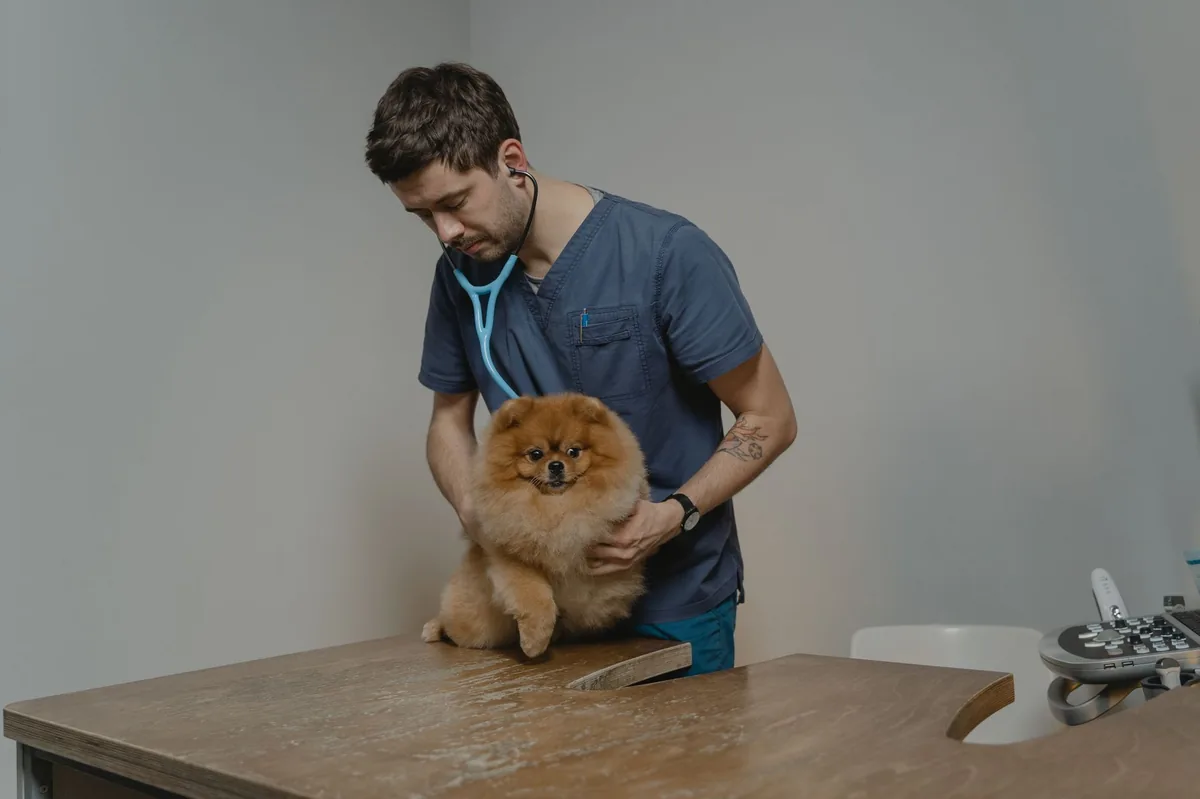
- Physical exam & pulse check: The vet feels the chest, listens with a stethoscope, and may use a Doppler to gauge heart rate.
- Electrocardiogram (ECG): A quick, painless test that records the heart’s electrical activity. It reveals the type (ventricular vs. atrial) and severity of the arrhythmia.
- Echocardiogram (ultrasound): Shows structural damage, wall motion abnormalities, or fluid around the heart (pericardial effusion).
- Blood work: Cardiac troponin I (cTnI) levels rise when heart muscle is injured; a complete blood count and chemistry panel assess overall health and rule out anemia or electrolyte imbalance.
- Thoracic radiographs (X‑rays): Detect rib fractures, lung contusions, or an enlarged cardiac silhouette.
Many of these tests can be performed in the emergency room within an hour, allowing the vet to start stabilizing your dog while the diagnosis is confirmed.
Treatment options
Medical treatment
When an arrhythmia is identified, the first line of care is usually medication to control heart rate and stabilize the rhythm. Common drug classes include:
- Anti‑arrhythmics: Drugs such as lidocaine (intravenous) or amiodarone (IV/oral) are used for ventricular tachycardia.
- Beta‑blockers: Atenolol or propranolol help slow a rapid heart rate and reduce stress on the heart.
- Calcium channel blockers: Diltiazem can be effective for certain atrial arrhythmias.
- Electrolyte correction: Potassium or magnesium supplementation if blood tests show low levels.
All medication choices are tailored to your dog’s weight, the type of arrhythmia, and any concurrent injuries. Ask our experts for guidance on what to expect from each drug class.
Supplements and supportive care
While supplements cannot replace prescription medication, they can aid recovery when the heart is healing.
- Omega‑3 fatty acids (EPA/DHA): Help reduce inflammation and support cardiac cell membranes. Look for a high‑quality fish‑oil supplement approved by the AAFCO.
- Coenzyme Q10: An antioxidant that may improve myocardial energy production; discuss dosing with your vet.
- Probiotics: Maintaining gut health can assist in nutrient absorption, especially if your dog is on a restricted diet during recovery.
These adjuncts are most helpful after the acute phase, once the dog is stable and eating well.
Procedures or surgery
In rare cases, medication cannot control a dangerous ventricular arrhythmia. A permanent pacemaker—an implanted device that paces the heart—may be recommended. The procedure involves:
- General anesthesia and a small incision near the chest wall.
- Insertion of a lead wire into the right ventricle.
- Placement of the pulse generator (the “pacemaker”) under the skin, usually near the shoulder.
Recovery from pacemaker implantation typically takes 7–10 days, after which the dog can return to most normal activities. The cost can be high, but the device can be lifesaving for persistent, life‑threatening arrhythmias.
Diet and nutrition
Nutrition plays a crucial role in cardiac healing. After a blunt heart injury, the goal is to provide high‑quality, easily digestible protein, moderate fat, and controlled sodium, while supplying nutrients that support myocardial repair.
Here’s a practical feeding plan you can discuss with your vet:
- High‑quality protein: Choose a commercial diet that lists a named animal protein (e.g., chicken, turkey, or salmon) as the first ingredient. Protein supplies amino acids needed for heart‑muscle regeneration.
- Moderate fat, enriched with omega‑3: Fat provides energy, but excess can strain the heart. Look for “EPA/DHA” or “fish oil” added to the kibble, or supplement a low‑fat diet with a vet‑approved fish‑oil capsule.
- Controlled sodium: Excess salt forces the heart to work harder. Therapeutic renal or cardiac diets often have < 0.3 % sodium on a dry matter basis.
- Antioxidants: Vitamin E and selenium can help mitigate oxidative stress after injury. Many senior formulas already contain these; otherwise, a supplement may be advised.
- Fluid balance: If your dog is on diuretics (e.g., furosemide), monitor water intake and urine output. Small, frequent meals can aid digestion without overloading the stomach.
Transitioning to a new diet should be gradual—mix 25 % new food with 75 % current food for two days, then 50/50, and finally 75 % new, 25 % old over a week. This helps avoid gastrointestinal upset, which can further stress the heart.
| Food choice | Do feed | Limit | Avoid |
|---|---|---|---|
| Commercial senior or cardiac diet | High‑quality protein, moderate fat, low sodium | – | – |
| Home‑cooked meals | Lean meat, rice, pumpkin, fish oil | Fatty cuts, organ meats | Seasoned foods, onion/garlic |
| Treats | Small, low‑salt biscuits | Cheese, jerky | High‑salt snacks |
Regardless of the diet you choose, always provide fresh water and avoid excessive treats that could tip the sodium balance. If your dog is on a prescription cardiac diet, follow the feeding guidelines on the package and discuss any adjustments with your vet.
Cost and prognosis
Financial considerations are a real part of emergency care. Below are typical cost ranges for the United States and United Kingdom (prices are estimates, based on 2024 AAHA and veterinary hospital surveys; actual bills vary by location and severity).
| Service | US (USD) | UK (GBP) |
|---|---|---|
| Emergency ER visit (initial assessment, labs, X‑ray) | $500–$1,200 | £400–£900 |
| ECG & echocardiogram | $250–$600 | £200–£500 |
| Intravenous anti‑arrhythmic medication (24 hr) | $150–$400 | £120–£350 |
| Pacemaker implantation (if needed) | $8,000–$12,000 | £6,500–£10,000 |
| Follow‑up visits & meds (first month) | $300–$700 | £250–£600 |
Prognosis depends on the arrhythmia type, how quickly treatment starts, and any accompanying injuries. Dogs with isolated premature beats often recover fully within weeks. Those with sustained ventricular tachycardia have a more guarded outlook—survival rates range from 40 % to 70 % when aggressive care is provided. Early detection and stabilization dramatically improve chances of a happy, active life.
Prevention and home care
While you can’t eliminate all accidents, a few practical steps can lower the risk of blunt heart trauma:
- Secure fences and gates to prevent high‑energy jumps.
- Use a properly fitted harness instead of a collar for dogs that pull on walks.
- Keep wheels off the curb when loading a car, and use a pet‑carrier or seat belt restraint.
- Avoid letting dogs chase high‑speed vehicles or engage in rough play near hard surfaces.
- Regularly inspect your dog’s environment for hazards like loose boards or sharp edges.
After any injury, monitor your dog’s heart rate (a normal resting rate for most breeds is 60–140 bpm) and watch for the signs listed above. A follow‑up ECG at 1–2 weeks and then at 1 month is commonly recommended to ensure the rhythm has stabilized.
From our vet team: “Most owners think a single irregular beat means a crisis, but many arrhythmias after trauma are transient. The key is to act fast, get an ECG, and let the vet guide you through medication or, if needed, a pacemaker. With the right care, most dogs return to their regular walks and playtime.”
Key takeaways
- Blunt chest trauma can cause dangerous heart rhythm disturbances; watch for fainting, irregular pulse, or pale gums.
- Immediate veterinary assessment with ECG and blood work is essential—call an emergency clinic if your dog collapses.
- Treatment ranges from medications (beta‑blockers, anti‑arrhythmics) to a pacemaker for severe cases.
- Costs vary widely; emergency care can exceed $1,000, while a pacemaker may reach $10,000.
- Feeding a high‑quality, low‑sodium diet with omega‑3 support aids cardiac healing.
- Prevention focuses on safe environments, proper restraints, and monitoring after any high‑impact event.
Myth vs. fact
Myth: All heart arrhythmias after trauma are fatal.
Fact: Many are temporary or respond well to medication; only a subset require intensive interventions like a pacemaker.
Myth: A dog must be on a strict “low‑salt” diet forever after a heart injury.
Fact: Sodium restriction is most critical during the acute recovery phase; long‑term needs are individualized.
Myth: If a dog seems fine after a fall, the heart is unharmed.
Fact: Cardiac contusions can be silent; an ECG is the only reliable way to rule out hidden arrhythmias.
Frequently asked questions
What causes arrhythmias after a dog experiences blunt chest trauma?
Direct bruising of the heart muscle, inflammation around the heart, and electrolyte imbalances from blood loss can all disrupt the electrical pathways that regulate heartbeat.
What symptoms should I look for if my dog has a heart arrhythmia after an accident?
Watch for irregular pulse, fainting, rapid breathing, pale gums, coughing, or sudden collapse. Early changes may be subtle, like a brief pause in the heartbeat.
How is a traumatic heart arrhythmia diagnosed in dogs?
The vet will perform an ECG to record the rhythm, an echocardiogram to look for structural damage, blood tests for cardiac troponin, and X‑rays to assess chest injuries.
Are arrhythmias after blunt heart trauma life‑threatening for dogs?
Some are benign, but sustained ventricular tachycardia or fibrillation can be life‑threatening if not treated promptly. Early veterinary care dramatically improves survival odds.
What treatments are available for dogs with post‑traumatic arrhythmias?
Medication (beta‑blockers, anti‑arrhythmics), electrolyte correction, and in rare cases a pacemaker implantation are the main options. Supportive care includes oxygen, fluids, and anti‑inflammatory drugs.
How much does emergency cardiac treatment cost for a dog with blunt heart injury?
In the U.S., initial emergency care typically ranges from $500 to $1,200, while specialized procedures like a pacemaker can exceed $8,000. Costs vary by region and severity; see our cost estimator for more details.
Ask the PuppaDogs community
Have a question this article didn’t fully answer? Want to compare notes with other dog owners who’ve been through this? Our community forum is moderated by experienced owners and vets — and answers tend to come fast. Ask in the PuppaDogs community →
References
- American College of Veterinary Internal Medicine (ACVIM) Consensus Guidelines on Cardiac Contusion, 2023.
- Merck Veterinary Manual, “Cardiac Contusion and Arrhythmias” chapter, 2022.
- American Animal Hospital Association (AAHA) Standards for Emergency and Critical Care, 2023.
- Veterinary Cardiology Society, “Management of Ventricular Arrhythmias in Dogs,” 2021.
- World Small Animal Veterinary Association (WSAVA) Nutrition Guidelines for Cardiac Patients, 2022.
- Cornell University College of Veterinary Medicine, “ECG Interpretation in Dogs,” 2023.
- American Veterinary Medical Association (AVMA) Guidelines on Trauma Care, 2022.


