













Quick take: Muscle tears in dogs are tears in the muscle fibers that range from mild (grade I) to severe (grade III). They often result from sudden bursts of activity, trauma, or poor conditioning. Most dogs recover with proper rest, medication, and rehab, but severe tears may need surgery and can be costly.
It’s 9 p.m., and your energetic Border Collie, Max, isn’t sprinting to the door like he usually does. Instead, he limps slightly, his thigh looks a bit swollen, and when you press the area his eyes wince. Your mind races: “Did he tear a muscle? Is this an emergency?” You grab your phone, heart pounding, and start Googling “muscle tear in dogs.”
We’ve seen many owners describe that exact moment – a sudden change in gait, a visible lump, and a flood of worry. The good news is that most muscle tears are treatable, and with the right steps you can guide Max back to his playful self. Below we break down everything you need to know: what a muscle tear actually is, how to spot it, when to call the vet, how it’s diagnosed, treatment options, nutrition, costs, and how to prevent future injuries.
What is muscle tears in dogs?
A muscle tear (sometimes called a muscle rupture) is a disruption of the muscle fibers. The tear can involve just a few fibers (grade I), a larger portion of the muscle (grade II), or a complete rupture of the muscle or its tendon (grade III). Grades are determined by the amount of tissue damage and the resulting loss of function. While any grade can cause pain, higher grades are more likely to need surgery and a longer rehab period.
Muscle tears are relatively common in active dogs, especially those that jump, sprint, or play rough. According to the American College of Veterinary Sports Medicine & Rehabilitation (ACVSMR), muscular injuries account for about 15 % of all sports‑related injuries in dogs.
What causes muscle tears in dogs?
- Sudden, high‑impact activity: chasing a ball, leaping onto furniture, or sprinting on a slippery surface.
- Trauma: being hit by a car, a fall from height, or a bite from another animal.
- Age‑related changes: older dogs have less elastic muscle tissue, making them more prone to tears.
- Breed predisposition: athletic breeds (Border Collies, Australian Shepherds, Labrador Retrievers) and large‑breed dogs (German Shepherds, Golden Retrievers) are over‑represented.
- Poor conditioning or inadequate warm‑up: dogs that jump into intense exercise without a gradual build‑up are at higher risk.
Signs and symptoms
| Severity | Typical signs |
|---|---|
| Grade I (mild) | Localized tenderness, slight swelling, limp that improves with rest. |
| Grade II (moderate) | Visible swelling or a palpable “bump,” pain on passive stretch, noticeable limp that persists. |
| Grade III (severe) | Large swelling, obvious loss of function, bruising, a “pop” sound at injury, inability to bear weight on the limb. |
Early signs often appear as a subtle change in gait or a reluctance to jump. As the tear worsens, swelling becomes more pronounced, the dog may whine when the area is touched, and you might see bruising or a visible gap in the muscle.
When to call your vet
Call your vet today if:
- Swelling or pain persists for more than 24 hours.
- Your dog refuses to bear weight on the affected limb.
- You notice bruising, a visible “gap,” or a popping sound at the time of injury.
- There is severe limping that does not improve with gentle rest.
Go to an emergency veterinary hospital right now if:
- There is sudden, uncontrolled bleeding.
- Your dog collapses or shows signs of shock (pale gums, rapid breathing, lethargy).
- You suspect a compound fracture accompanying the muscle injury.
This article is for informational purposes only and does not replace a hands‑on veterinary exam.
How vets diagnose muscle tears
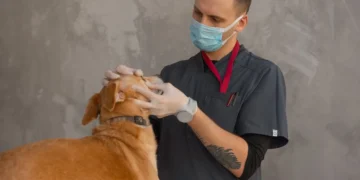
Veterinarians start with a thorough history (how the injury happened, activity level) and a physical exam. They will palpate the area, assess range of motion, and look for swelling or bruising.
Imaging helps confirm the grade:
- Ultrasound: fast, non‑invasive, and excellent for visualizing soft‑tissue damage.
- MRI (Magnetic Resonance Imaging): the gold standard for detailed assessment of muscle fibers, especially for grade III tears.
- Radiographs (X‑rays): primarily to rule out associated bone fractures.
In some cases, a diagnostic injection of a local anesthetic can help differentiate a muscle strain from a more serious tear.
Treatment options
Medical treatment
Initial therapy focuses on reducing inflammation and pain. Commonly prescribed drug classes include:
- Non‑steroidal anti‑inflammatory drugs (NSAIDs) such as carprofen or meloxicam.
- Short courses of corticosteroids for severe inflammation (used sparingly).
- Analgesics like tramadol for moderate pain.
- Antibiotics only if there’s an open wound or secondary infection.
All medications are dosed based on your dog’s weight and specific condition. Ask your vet about these options.
Supplements and supportive care
Evidence supports certain supplements to aid recovery:
- Omega‑3 fatty acids (EPA/DHA): help reduce inflammation and support tissue healing.
- Vitamin C and collagen peptides: may promote collagen synthesis, though data are limited.
- Probiotics: keep gut health stable during periods of reduced activity and medication.
Supplements should complement, not replace, prescribed medication. Discuss any addition with your vet.
Procedures or surgery
Grade III tears often need surgical repair to re‑approximate the torn muscle or tendon. Surgery typically involves suturing the muscle ends together, sometimes with a graft for large gaps. Post‑operative recovery includes strict rest, pain control, and a structured physical‑therapy program.
Recovery timelines differ:
- Grade I: 2–4 weeks of rest, followed by gradual return to activity.
- Grade II: 4–8 weeks of rest and rehab.
- Grade III (surgical): 8–12 weeks of immobilization, then 8–12 weeks of controlled physiotherapy.
Diet and nutrition
Nutrition plays a pivotal role in tissue repair. While there isn’t a “muscle‑tear diet” per se, feeding a balanced, high‑quality diet that supplies adequate protein, essential fatty acids, and micronutrients supports healing.
What to feed
- Highly digestible protein: chicken, turkey, or salmon provide the amino acids needed for muscle regeneration.
- Omega‑3 rich foods: fish oil or canned fish (in water) help modulate inflammation.
- Antioxidant‑rich vegetables: pumpkin, carrots, and blueberries supply vitamins C and E.
- Joint‑support formulas: glucosamine and chondroitin can be beneficial if the injury involved a tendon attachment.
What to limit or avoid
- Low‑quality filler proteins (e.g., meat‑and‑bone meal) that may lack essential amino acids.
- Excessive fat or calorie‑dense treats that could lead to weight gain and extra stress on the healing limb.
- Raw bones that could cause dental injury or gastrointestinal upset during recovery.
Many owners wonder whether a prescription therapeutic diet is needed. If your dog is overweight or has a concurrent condition (e.g., kidney disease), your vet may recommend a specific therapeutic formula. Otherwise, a premium commercial kibble or a balanced homemade diet is sufficient.
Feeding tips during recovery:
- Offer smaller, more frequent meals (4‑6 times daily) to reduce gastrointestinal strain.
- Warm the food slightly to increase palatability if your dog’s appetite is low.
- Gradually transition back to the regular diet over 5‑7 days once activity resumes.
| Food category | Do feed | Limit | Avoid |
|---|---|---|---|
| Protein sources | Lean chicken, turkey, salmon | Low‑fat ground beef | Processed meats with additives |
| Fats | Fish oil, olive oil (moderate) | Heavy cream | Fried foods |
| Carbohydrates | Cooked sweet potato, rice | High‑sugar treats | Raw dough |
| Supplements | Omega‑3 capsules, glucosamine | Excessive vitamin A | Unregulated herbal blends |
For a complete nutrition plan, you can use our dog diet calculator to tailor portions to your dog’s weight, activity level, and recovery stage.
Cost and prognosis
Financial considerations vary by region, severity, and whether surgery is required.
| Service | US estimate | UK estimate |
|---|---|---|
| Initial vet exam & imaging (ultrasound) | $150–$300 | £80–£150 |
| MRI (if needed) | $800–$1,200 | £400–£800 |
| NSAID course (2 weeks) | $30–$60 | £20–£40 |
| Surgical repair (grade III) | $2,500–$5,000 | £1,800–£3,500 |
| Post‑op rehab (10 sessions) | $500–$1,200 | £300–£700 |
Many pet insurers cover a portion of the cost, especially for surgery and imaging, but coverage limits and deductibles differ. Check your policy details or use our cost estimator for a personalized breakdown.
Prognosis is generally good for grade I and II tears—most dogs return to full function with proper rehab. Grade III injuries have a variable outcome; surgical repair followed by diligent physiotherapy leads to an 80‑90 % chance of regaining near‑normal use, according to the AAHA.
Prevention and home care
Preventing muscle tears is often a matter of consistent conditioning and smart activity planning.
- Warm‑up: Before a vigorous play session, walk your dog for 5–10 minutes and perform gentle stretches (e.g., gently extend the hind limb forward and backward).
- Strength training: Use low‑impact exercises such as hill walks, water treadmill sessions, or controlled incline walks.
- Surface safety: Keep play areas free of slippery rugs or wet floors.
- Breed‑specific advice: Large, athletic breeds benefit from weekly conditioning programs; senior dogs should have shorter, low‑impact sessions.
- Regular vet check‑ups: Annual exams can catch early joint or muscle issues before they become severe.
During recovery, maintain a calm environment, limit stair use, and use a leash for short, controlled walks as directed by your vet.
From our vet team: “A muscle tear can feel scary, but the majority of dogs heal well with patience, proper pain management, and a structured rehab plan. The key is to listen to your dog’s cues and avoid rushing back into high‑energy activities too soon.”
Key takeaways
- Muscle tears range from mild (grade I) to severe (grade III); most can be managed without surgery.
- Sudden bursts of activity, trauma, and poor conditioning are the main risk factors.
- Early signs include localized swelling, tenderness, and a limp that doesn’t improve with brief rest.
- Seek veterinary care promptly if swelling persists, pain intensifies, or your dog won’t bear weight.
- Treatment combines rest, NSAIDs, possible surgery for grade III, and a structured physical‑therapy program.
- Support healing with a high‑quality protein diet, omega‑3 fatty acids, and controlled feeding portions.
Myth vs. fact
Myth: All muscle tears require surgery.
Fact: Only the most severe (grade III) tears usually need surgical repair; grades I and II often heal with rest and medication.
Myth: A dog will never run again after a muscle tear.
Fact: With proper rehab, most dogs regain full mobility and return to their previous activity level.
Myth: Pain medication alone cures a muscle tear.
Fact: Analgesics reduce discomfort but do not repair torn fibers; rest and rehabilitation are essential for true healing.
Frequently asked questions
How can I tell if my dog has torn a muscle?
Look for a sudden “pop” sound, rapid swelling, a visible lump, and persistent limping. If the dog refuses to bear weight or the area is extremely painful, contact your vet immediately.
What causes muscle tears in dogs?
Common triggers include sudden sprinting, jumping, trauma (like a fall or collision), and inadequate warm‑up before intense activity. Age‑related loss of muscle elasticity also contributes.
Do all muscle tears require surgery?
No. Only complete ruptures (grade III) typically need surgical repair. Grades I and II are usually managed with rest, anti‑inflammatory medication, and a structured rehab program.
What is the recovery time for a dog with a muscle tear?
Recovery varies by grade: grade I – 2–4 weeks; grade II – 4–8 weeks; grade III (post‑surgery) – 8–12 weeks of immobilization plus another 8–12 weeks of physiotherapy.
Can I give my dog pain medication for a muscle tear?
Yes, NSAIDs such as carprofen or meloxicam are commonly prescribed, but always ask your vet for the correct drug and dosage for your dog’s size and health status.
Will a muscle tear affect my dog’s long‑term mobility?
With appropriate treatment and rehab, most dogs regain normal function. Delayed treatment or repeated injuries can lead to chronic weakness or arthritis.
Ask the PuppaDogs community
Have a question this article didn’t fully answer? Want to compare notes with other dog owners who’ve been through this? Our community forum is moderated by experienced owners and vets — and answers tend to come fast. Ask in the PuppaDogs community →
References
- American College of Veterinary Sports Medicine & Rehabilitation (ACVSMR) – Guidelines on Musculoskeletal Injuries in Dogs, 2022.
- AAHA 2023 Canine Orthopedic and Sports Medicine Guidelines.
- Merck Veterinary Manual, “Muscle Injuries” chapter, 2021.
- Plumb’s Veterinary Drug Handbook, 9th Edition, 2020 – NSAID dosing recommendations.
- American Veterinary Medical Association (AVMA) – Pain Management in Small Animals, 2022.
- UC Davis Veterinary Medicine – Canine Rehabilitation Protocols, 2023.
- British Veterinary Association (BVA) – Cost of Canine Orthopedic Surgery Survey, 2021.


