















Quick take: Aortic valve narrowing (aortic stenosis) is a progressive heart condition that restricts blood flow from the left ventricle to the aorta. Early signs are often subtle—fatigue, reduced exercise tolerance, or a heart murmur. Diagnosis relies on a vet’s auscultation and echocardiography, and treatment ranges from medications to balloon valvuloplasty or surgical repair. With appropriate care, many dogs enjoy a good quality of life for months to years, but the disease can be life‑threatening if untreated.
It’s 10 p.m., and your usually‑bouncy Golden Retriever, Max, isn’t sprinting to the door. Instead, he lies on the rug, breathing a little faster than usual, and his gums look a shade paler. You’ve Googled “why is my dog tired” and the first result mentions “aortic stenosis.” Your heart races. Is this something you can fix at home, or do you need to rush to the clinic?
We understand that moment of panic. Aortic valve narrowing—a form of congenital or acquired heart disease—can feel overwhelming, but you’re not alone. In this guide we’ll explain what aortic stenosis is, how to spot it early, what your veterinarian will do to confirm the diagnosis, and the treatment, cost, and lifestyle options that can keep Max (or any dog) comfortable for as long as possible.
From the first signs to long‑term management, we’ve gathered the most common questions owners ask, and we’ll back each answer with trusted veterinary sources such as the AAHA, ACVIM, and the Merck Veterinary Manual.
What is Heart (Aortic) Valve Narrowing in Dogs?
Aortic valve narrowing, also called aortic stenosis, occurs when the valve that separates the left ventricle from the aorta becomes thickened, fused, or otherwise obstructed. This limits the amount of blood the heart can push out with each beat, forcing the left ventricle to work harder. Over time the muscle can thicken (ventricular hypertrophy) and the heart may eventually fail.
While the condition can be congenital (present at birth) or acquired later in life, it is most commonly seen in young, large‑breed dogs. The American College of Veterinary Internal Medicine (ACVIM) estimates that 1–2 % of all dogs have some form of congenital heart disease, with aortic stenosis representing a notable subset.
What causes it?
The underlying mechanisms fall into three main categories:
| Category | Typical Causes |
|---|---|
| Congenital malformation | Abnormal valve leaflets that are fused or thickened from birth. |
| Acquired degeneration | Calcification or fibrosis of the valve due to aging or chronic inflammation. |
| Genetic predisposition | Breed‑specific inheritance patterns, especially in large breeds. |
Risk factors include:
- Large breed size (Golden Retrievers, German Shepherds, Rottweilers, Boxers).
- Family history of heart disease.
- Concurrent congenital defects such as subaortic stenosis or ventricular septal defects.
- Older age for acquired cases, especially in dogs with chronic kidney disease or endocrine disorders.
Signs and symptoms
Because the heart compensates early on, many owners notice only subtle changes at first. Below is a progression chart to help you recognize when the condition may be advancing.
| Stage | Typical Signs |
|---|---|
| Mild | Reduced stamina, slight cough after exercise, faint heart murmur (grade I‑II). |
| Moderate | More frequent coughing, difficulty climbing stairs, noticeable murmur (grade III‑IV), pale gums. |
| Severe | Labored breathing at rest, fainting (syncope), rapid heart rate, severe murmur (grade V‑VI), fluid accumulation in abdomen or lungs. |
Other red‑flag signs include sudden collapse, black or pink gums, and extreme lethargy. These suggest that the heart is no longer able to meet the body’s oxygen needs.
When to call your vet
Call your vet today (non‑emergency) if you notice:
- Any new cough or wheeze.
- Reduced interest in walks or play.
- Visible heart murmur during a routine check.
- Pale or bluish gums that are not accompanied by severe breathing difficulty.
Go to an emergency clinic right now if your dog:
- Collapses or appears faint.
- Has rapid, shallow breathing at rest.
- Shows blue‑tinged gums or tongue.
- Develops sudden fluid accumulation in the abdomen or chest.
These signs indicate a possible heart failure or critical arrhythmia and require immediate veterinary intervention. This article is for informational purposes only and does not replace a hands‑on exam.
How vets diagnose it
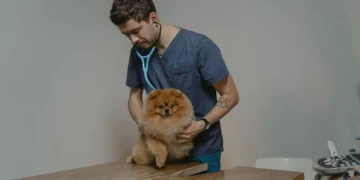
Diagnosis starts with a thorough history and physical exam. The vet will listen to the heart with a stethoscope; a harsh, systolic murmur that radiates to the back or neck is classic for aortic stenosis.
Key diagnostic tools include:
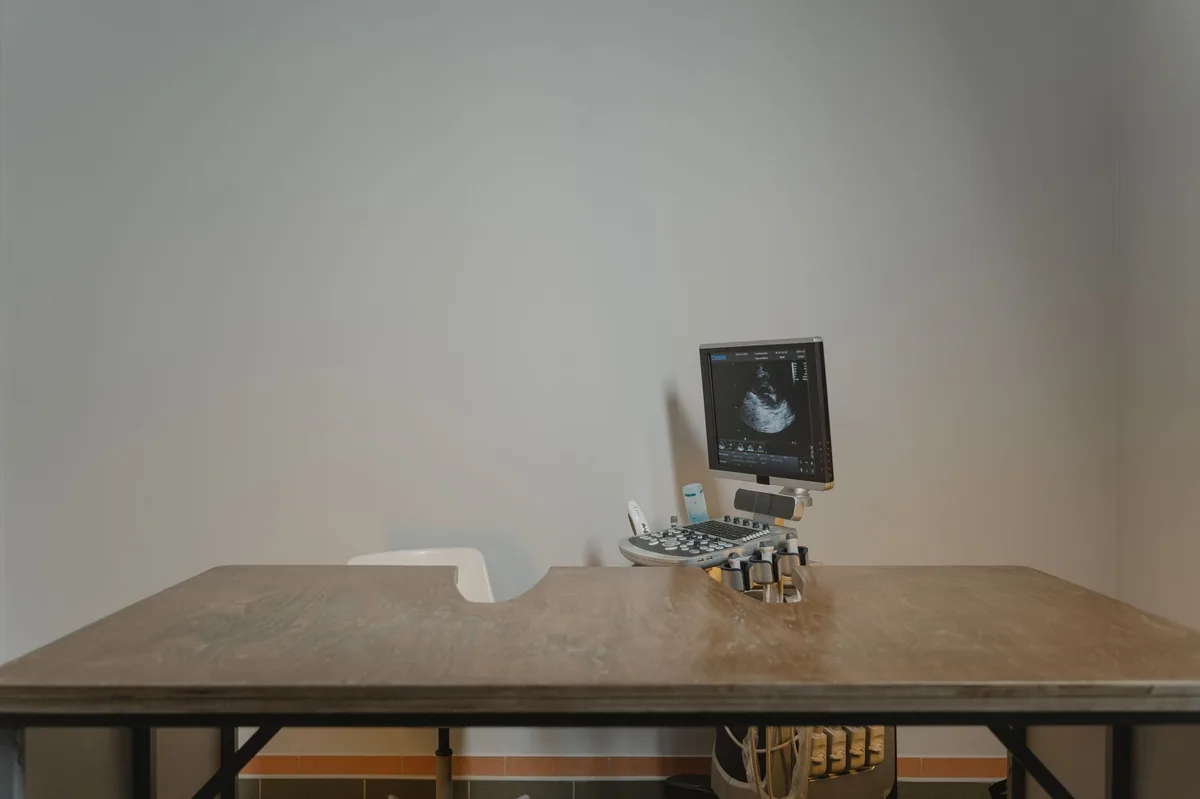
- Echocardiography (ultrasound of the heart): Visualizes valve thickness, measures the pressure gradient across the valve, and assesses ventricular size.
- Thoracic radiographs (X‑rays): Show heart enlargement, fluid in the lungs, or changes in the aortic arch.
- Electrocardiogram (ECG): Detects abnormal heart rhythms that may accompany severe stenosis.
- Blood work: Rules out concurrent diseases (e.g., kidney or thyroid issues) that could worsen cardiac stress.
According to the AAHA, echocardiography is the gold standard for confirming the severity of aortic stenosis and guiding treatment decisions.
Treatment options
Medical treatment
Medications aim to reduce the heart’s workload and control symptoms. Common drug classes include:
- Beta‑blockers (e.g., atenolol): Slow the heart rate, allowing more filling time.
- ACE inhibitors (e.g., enalapril): Lower blood pressure and decrease ventricular strain.
- Diuretics (e.g., furosemide): Remove excess fluid when heart failure develops.
- Anti‑arrhythmic agents (e.g., sotalol): Manage dangerous heart rhythms.
Ask your vet about these options; dosages are always weight‑based and tailored to your dog’s stage of disease.
Supplements and supportive care
While supplements can’t reverse valve narrowing, they may help manage secondary effects:
- Omega‑3 fatty acids (EPA/DHA): Reduce inflammation and support overall cardiac health. A dose of 20–55 mg EPA per kg body weight is typical, but ask your vet for a brand recommendation.
- Coenzyme Q10: Antioxidant that some owners report improves energy levels in dogs with heart disease; evidence is limited but safe in most cases.
- Probiotics: Helpful if your dog is on long‑term diuretics that may disrupt gut flora.
Procedures or surgery
When the valve gradient exceeds 50 mm Hg, interventional procedures become an option:
- Balloon valvuloplasty (BVP): A catheter‑based technique that inflates a tiny balloon to widen the valve. Recovery is usually 1–2 weeks, and many dogs show marked improvement in exercise tolerance.
- Surgical valve repair or replacement: Rare in dogs due to technical difficulty and cost, but performed at specialty centers for severe cases.
Both procedures carry anesthesia risk; your cardiology specialist will discuss success rates (often 70–80 % improvement) and potential complications.

Diet and nutrition
Nutrition plays a supportive role in managing aortic valve disease. While no diet can cure the narrowing, a heart‑healthy feeding plan can ease the workload on the cardiovascular system and help maintain body condition.
What to feed
- High‑quality, highly digestible protein: Lean meats (chicken, turkey, fish) provide essential amino acids without excess fat.
- Moderate fat levels (10–15 % of calories): Prevents excessive weight gain, which would increase cardiac strain.
- Omega‑3 enriched foods: Commercial kibble or wet diets formulated with fish oil support anti‑inflammatory pathways.
- Low‑sodium options: Reducing salt helps prevent fluid retention; aim for < 0.3 % sodium on a dry matter basis.
What to limit or avoid
- High‑sodium treats (processed meats, cheese, salty snacks).
- Excessive calories that lead to obesity.
- Very high‑fat “raw” diets without balanced nutrients, unless supervised by a veterinary nutritionist.
Prescription therapeutic diets
For dogs with concurrent heart failure, veterinarians may recommend a “cardiac” therapeutic diet (e.g., low‑sodium, taurine‑enriched). These are formulated to meet AAFCO nutrient profiles while addressing cardiac stress. We do not endorse a specific brand, but you can discuss options with your vet.
Feeding routine
Split the daily ration into two smaller meals rather than one large bowl. This reduces post‑prandial blood volume spikes that can transiently increase cardiac workload. When transitioning to a new diet, mix 25 % new food with 75 % old food for three days, then increase the new portion gradually.
Hydration is essential; fresh water should always be available. However, if your dog develops fluid overload, your vet may advise fluid restriction for a short period.
| Category | Recommendations |
|---|---|
| Do feed | Lean protein, moderate fat, omega‑3 enriched, low‑sodium kibble or wet food. |
| Limit | Salty treats, high‑fat raw diets, table scraps. |
| Avoid | Obesity‑promoting over‑feeding, excessive sodium, unbalanced homemade meals without veterinary guidance. |
For senior dogs or those with reduced appetite, warming the food slightly can entice eating, and adding a teaspoon of canned pumpkin (unsweetened) may improve palatability without adding much sodium.
Cost and prognosis
Financial considerations are a real part of caring for a dog with aortic stenosis. Below are typical cost ranges in the United States and United Kingdom; actual fees vary by clinic, region, and severity.
| Service | US (USD) | UK (GBP) |
|---|---|---|
| Initial exam + basic bloodwork | $150–$300 | £80–£150 |
| Echocardiogram | $300–$600 | £200–£350 |
| Balloon valvuloplasty (procedure) | $8,000–$12,000 | £5,500–£8,000 |
| Surgical valve repair/replacement | $15,000–$25,000 | £10,000–£18,000 |
| Long‑term medication (annual) | $200–$600 | £120–£350 |
Many pet insurance plans cover diagnostic imaging and some interventions, but coverage for interventional cardiology (BVP or surgery) is often limited. Review your policy details and discuss pre‑authorization with your vet.
Prognosis depends on severity at diagnosis:
- Mild to moderate stenosis: Dogs may live several years with medication and lifestyle adjustments.
- Severe stenosis without intervention: Median survival is 6–12 months.
- After successful balloon valvuloplasty: Quality‑adjusted life expectancy can increase by 2–4 years, according to ACVIM guidelines.
Prevention and home care
Because congenital aortic stenosis cannot be prevented, focus on minimizing secondary stressors:
- Maintain a healthy weight: Use body condition scoring (BCS) charts and adjust portions accordingly.
- Regular low‑impact exercise: Short, frequent walks keep muscles strong without overtaxing the heart.
- Routine veterinary check‑ups: Annual heart auscultation and echocardiograms for dogs with known murmurs.
- Monitor for fluid buildup: Feel the abdomen for swelling and watch for increased respiratory rate.
- Stay up‑to‑date on vaccinations and parasite control: Prevent infections that could exacerbate cardiac stress (e.g., heartworm disease).
When your dog is stable, you can use a simple home‑monitoring tool: gently place your fingers on the left chest wall and listen for a harsh, systolic murmur. If the murmur becomes louder or you notice new coughs, schedule a vet visit promptly.
From our vet team: “Owners often think a heart murmur is a death sentence, but many dogs live comfortably for years with the right combination of medication, diet, and regular monitoring. The key is early detection and staying proactive about follow‑up appointments.”
Key takeaways
- Aortic valve narrowing restricts blood flow and can cause fatigue, cough, and a heart murmur.
- Early detection via auscultation and echocardiography leads to better outcomes.
- Medical management (beta‑blockers, ACE inhibitors, diuretics) and, when indicated, balloon valvuloplasty can significantly improve quality of life.
- Feed a low‑sodium, highly digestible diet rich in omega‑3 fatty acids and keep your dog at a healthy weight.
- Regular veterinary check‑ups and prompt attention to worsening symptoms are essential for long‑term survival.
Myth vs. fact
Myth: A heart murmur always means a fatal heart condition.
Fact: Murmurs are common and can be benign; only a thorough exam and imaging determine seriousness.
Myth: Aortic stenosis cannot be treated.
Fact: While the valve itself cannot be “cured,” medications and balloon valvuloplasty can markedly reduce symptoms and extend life.
Myth: Dogs with aortic stenosis must avoid all exercise.
Fact: Controlled, low‑intensity activity helps maintain muscle tone and cardiovascular health; avoid high‑intensity bursts that overload the heart.
Frequently asked questions
What does a heart murmur sound like in a dog with aortic stenosis?
It typically sounds harsh, high‑pitched, and systolic—meaning it occurs with each heartbeat. The murmur may radiate to the neck or back. A veterinarian can grade its intensity on a scale of I to VI.
Can aortic valve narrowing be cured in dogs?
There is no cure for the underlying valve abnormality, but interventional procedures like balloon valvuloplasty can dramatically improve blood flow and symptoms, effectively “fixing” the functional problem in many cases.
What are the risk factors for aortic valve disease in dogs?
Large‑breed genetics, a family history of congenital heart defects, and, for acquired cases, chronic inflammation or calcification related to aging are the main risk factors.
How often should my dog get echocardiograms for aortic stenosis?
After initial diagnosis, most vets recommend a follow‑up echo every 6–12 months, or sooner if clinical signs change. Your cardiology specialist will tailor the schedule to severity.
Are there any home remedies for dogs with aortic valve narrowing?
There are no proven home “cures,” but supportive measures—maintaining a healthy weight, providing a low‑sodium diet, and ensuring regular, gentle exercise—help reduce cardiac strain.
What is the life expectancy of a dog diagnosed with aortic stenosis?
For mild to moderate disease managed medically, many dogs live 2–5 years or more. Severe cases without intervention often have a median survival of less than a year, while successful balloon valvuloplasty can add several additional years of quality life.
Ask the PuppaDogs community
Have a question this article didn’t fully answer? Want to compare notes with other dog owners who’ve been through this? Our community forum is moderated by experienced owners and vets — and answers tend to come fast. Ask in the PuppaDogs community →
References
- American College of Veterinary Internal Medicine (ACVIM) Consensus Statement on Congenital Heart Disease in Dogs, 2022.
- AAHA (American Animal Hospital Association) Guidelines for the Diagnosis and Management of Heart Disease in Dogs, 2023.
- Merck Veterinary Manual, “Aortic Stenosis” entry, 2024 edition.
- Cornell University College of Veterinary Medicine, “Canine Cardiovascular Disease” online resource, accessed 2024.
- World Small Animal Veterinary Association (WSAVA) Nutrition Guidelines for Cardiac Patients, 2021.
- Royal College of Veterinary Surgeons (RCVS) Recommendations for Interventional Cardiology in Dogs, 2023.


