









Quick take: Intestinal reovirus infection in dogs is usually a self‑limiting cause of diarrhea, especially in puppies, but it can become severe and spread quickly in crowded settings. Prompt fluid therapy, supportive care, and good hygiene are the mainstays of treatment, and most dogs recover fully within a week to ten days.
It’s 11 p.m., and you’ve just noticed your 8‑week‑old Labrador mix lying on the kitchen floor, eyes half‑closed, and a few drops of watery stool on the tile. You’re scrolling through search results, trying to make sense of “reovirus” versus “parvo.” The worry spikes: could this be life‑threatening? The bottom line is that most intestinal reovirus cases are mild, but they can turn serious, especially in very young dogs or those in high‑density environments. In this article we’ll explain what reovirus is, how to tell it apart from other viral gut infections, when to seek veterinary help, what diagnostics and treatments involve, typical costs, and how to keep your dog safe in the future.
Our vet team has seen dozens of cases—from a single puppy with a brief bout of loose stools to a kennel outbreak that required quarantine and intensive fluid therapy. By walking through the signs, tests, and care steps, you’ll know exactly what to look for, what questions to ask your vet, and how to support your dog’s recovery at home.
What is intestinal virus (reovirus) infection in dogs?
Canine reovirus is a member of the Reoviridae family, a group of double‑stranded RNA viruses that primarily target the intestinal lining. The virus is classified into two main serotypes—type 1 (adult) and type 2 (pediatric)—with type 2 more commonly linked to diarrhea in puppies. Reovirus is considered an “enteric” virus because it infects the gut, but it can also be found in the respiratory tract and occasionally cause systemic disease.
In the United States, reovirus is detected in roughly 5–10 % of dogs with acute diarrhea, according to the American Veterinary Medical Association (AVMA). While it is less notorious than canine parvovirus, it is still an important pathogen, especially in environments where many dogs congregate, such as shelters, boarding facilities, or puppy classes.
What causes it?
Reovirus spreads primarily through the fecal‑oral route. Infected dogs shed the virus in their stool for up to two weeks after clinical signs resolve, contaminating surfaces, water bowls, and even the fur of other dogs. Young puppies, immunocompromised dogs, and those in close quarters are at higher risk.
- Direct contact: sharing water bowls, sniffing each other’s rear ends, or licking contaminated paws.
- Environmental contamination: virus can survive on hard surfaces for several days, especially in cool, moist conditions.
- Stressors: recent travel, vaccination, or a recent change in diet can lower immunity, making infection more likely.
- Breed susceptibility: while no breed is uniquely predisposed, small‑breed puppies (e.g., Chihuahua, Pomeranian) are often over‑represented in case reports because they are more likely to be in breeding or daycare settings.
Signs and symptoms
Reovirus typically causes gastrointestinal upset, but the clinical picture can range from mild to severe. Below is a quick guide to what you might notice.
| Severity | Typical signs |
|---|---|
| Mild | Soft, watery stool; mild appetite loss; occasional vomiting; normal activity level. |
| Moderate | Frequent diarrhea (up to 5–6 times/day); reduced water intake; lethargy; mild fever (≤102.5 °F). |
| Severe | Profuse watery diarrhea with blood or mucus; vomiting; dehydration; fever >103 °F; weakness or collapse. |
Key differences from parvovirus include:
- Reovirus rarely causes severe leukopenia (low white‑blood cell count); parvo often does.
- Blood in stool is uncommon with reovirus but can appear in severe cases.
- Onset is usually 1–3 days after exposure, whereas parvo often appears after a 4–7 day incubation.
When to call your vet
Call your vet today if you see any of the following:
- More than two episodes of watery diarrhea in a 24‑hour period.
- Vomiting that persists for more than 12 hours.
- Lethargy or loss of appetite lasting over a day.
- Signs of dehydration (dry gums, skin tenting, sunken eyes).
Go to an emergency veterinary clinic right now if you notice:
- Profuse diarrhea with blood or mucus.
- Rapid collapse, unresponsiveness, or severe weakness.
- Persistent high fever (>104 °F) or seizures.
These guidelines are for information only and do not replace a hands‑on veterinary exam.
How vets diagnose it
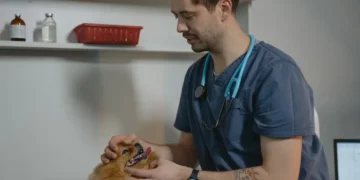
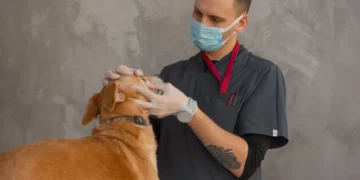
Diagnosis begins with a thorough history—when symptoms started, recent exposures, vaccination status, and diet changes. The physical exam focuses on hydration, temperature, and abdominal palpation.
- Fecal PCR (polymerase chain reaction): Detects reovirus RNA with high sensitivity. A positive result confirms viral shedding.
- ELISA (enzyme‑linked immunosorbent assay): A rapid in‑clinic test that can differentiate reovirus from other common enteric pathogens.
- Complete blood count (CBC) and chemistry panel: Helps rule out secondary bacterial infections, assess dehydration, and check for leukopenia that would suggest parvovirus.
- Abdominal radiographs or ultrasound (rare): Used only if there is suspicion of intestinal obstruction or severe systemic disease.
Results are interpreted in context: a positive PCR with mild clinical signs often means a self‑limiting infection, whereas a positive test plus severe dehydration signals the need for aggressive therapy.
Treatment options
Medical treatment
There is no specific antiviral medication approved for canine reovirus. Treatment is supportive:
- Fluid therapy: Intravenous or subcutaneous crystalloids to correct dehydration and electrolyte imbalances.
- Anti‑emetics: Drugs such as maropitant (Cerenia) or ondansetron are commonly used to control vomiting—ask your vet about these options.
- Probiotics: Strains like Enterococcus faecium (e.g., Fortiflora) can help restore gut flora after viral disruption.
- Antibiotics: Reserved for secondary bacterial infections; broad‑spectrum agents like amoxicillin‑clavulanate may be prescribed if a bacterial overgrowth is suspected.
Supplements and supportive care
Evidence supports the use of omega‑3 fatty acids (EPA/DHA) to reduce intestinal inflammation. A daily dose of a high‑quality fish‑oil supplement, as recommended by your vet, can aid recovery.
For puppies, a probiotic containing Bifidobacterium animalis may help shorten the diarrheal episode. However, supplements are adjuncts—not replacements—for fluid therapy and proper diet.
Procedures or surgery
Most reovirus cases do not require surgery. In rare instances where severe dehydration leads to intestinal necrosis, exploratory surgery may be indicated, but this is exceptionally uncommon.
Diet and nutrition
Feeding the right diet while your dog recovers can make a big difference in stool consistency and overall comfort. The goal is to provide highly digestible, low‑fat, and moderate‑protein meals that are easy on the gut.
| Do feed | Limit | Avoid |
|---|---|---|
| Boiled chicken (skinless) with white rice | Small amounts of canned pumpkin (for fiber) | Fatty foods, fried treats, or table scraps |
| Prescription gastrointestinal diet (e.g., Hill’s i/d, Royal Canin Gastrointestinal) | Low‑fat kibble (if not prescription) | Dairy products, raw bones, and high‑fiber foods |
| Plain, unsweetened yogurt (if tolerated) for probiotic support | Raw food diets until stool normalizes | Spicy or heavily seasoned foods |
When transitioning back to regular food, do it gradually over 3–5 days: mix 25 % regular kibble with 75 % recovery diet, then increase the regular portion by 25 % each day. Keep meals small (3–4 times daily) to reduce the load on the intestines.
If your dog is a picky eater, warming the food slightly can enhance aroma and encourage intake. Fresh water should be available at all times; adding a splash of low‑sodium chicken broth can entice reluctant drinkers.
For adult dogs who are already on a therapeutic diet for another condition (e.g., renal disease), discuss with your vet whether a short‑term switch to a gastrointestinal diet is advisable.
Cost and prognosis
Costs vary by region and whether you seek care at a general practice or an emergency clinic. Rough estimates (US dollars) are:
| Service | Typical cost range |
|---|---|
| Initial veterinary exam | $50–$100 |
| Fecal PCR test for reovirus | $80–$150 |
| IV fluid therapy (per day) | $100–$250 |
| Anti‑emetic medication | $20–$40 |
| Probiotic supplement (2‑week supply) | $30–$45 |
| Hospitalization (if needed, 24 h) | $300–$600 |
Overall, most owners spend between $300 and $800 for a full course of diagnostics and treatment. In the United Kingdom, comparable care typically ranges from £200 to £500, reflecting differences in veterinary fee structures.
Prognosis is excellent for mild to moderate cases—recovery usually occurs within 5–10 days, and most dogs return to normal activity without lasting gut issues. Severe systemic infection, especially in very young puppies, can have a higher mortality rate, but this is relatively rare (<5 % of reported cases). Follow‑up rechecks 7–10 days after discharge are advised to ensure stool normalization.
Prevention and home care
- Vaccination: Currently, there is no licensed vaccine specifically for canine reovirus in the United States or Europe. However, many dogs receive a multivalent vaccine that includes reovirus antigens (often part of “kennel” or “canine enteric” vaccines). Discuss with your vet whether this is appropriate for your dog’s lifestyle.
- Hygiene: Clean and disinfect food and water bowls daily. Use a bleach‑based solution (1 % concentration) to sanitize kennels, crates, and high‑traffic surfaces.
- Quarantine: Separate any dog showing gastrointestinal signs for at least 14 days. Limit contact with other dogs during this period.
- Stress reduction: Avoid sudden diet changes, crowded environments, and unnecessary travel during the puppy’s first three months.
- Routine health checks: Annual wellness exams help catch early infections and assess overall immunity.
These steps not only reduce the chance of reovirus but also help protect against other enteric pathogens like parvovirus and coronavirus.
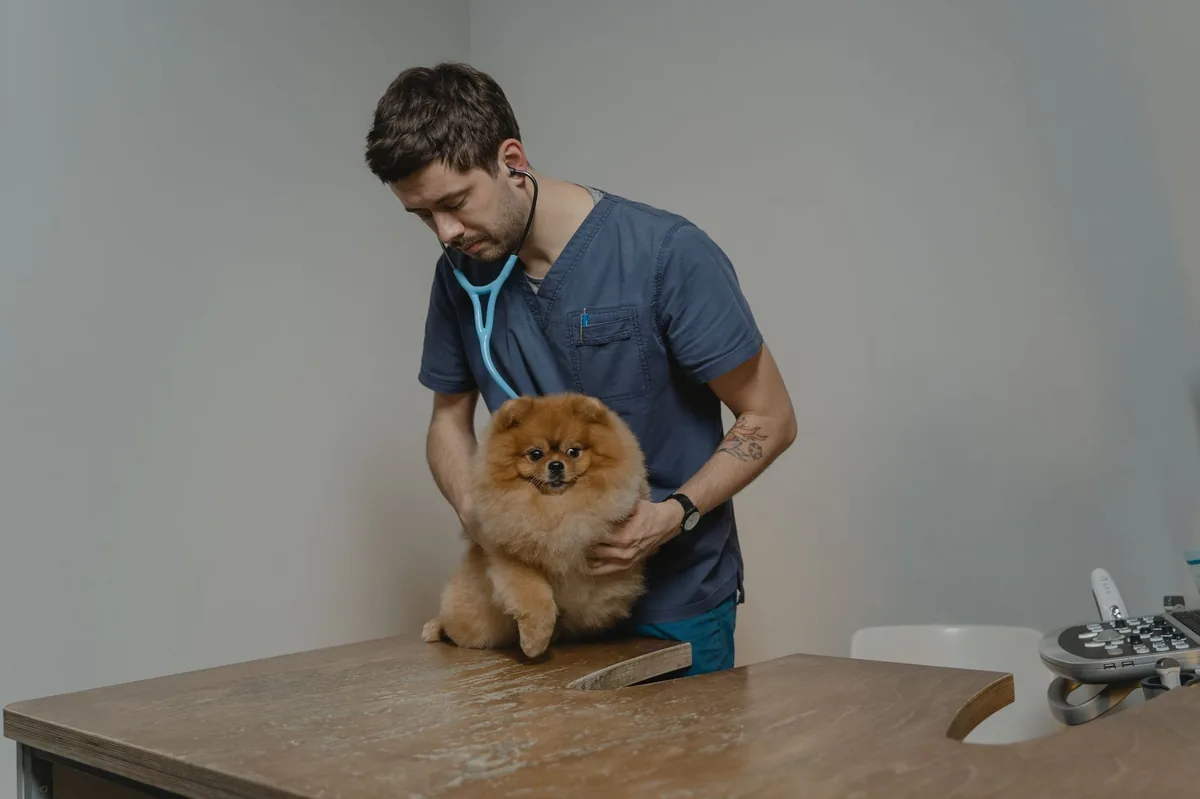
Vet’s note
From our vet team: Reovirus is often overlooked because its signs mimic many other causes of diarrhea. The key is early fluid support and ruling out more dangerous viruses like parvo. If your dog is a puppy or lives in a group setting, we recommend a fecal PCR early in the workup—this test is quick, relatively affordable, and guides appropriate isolation measures.
Key takeaways
- Intestinal reovirus usually causes self‑limiting diarrhea, but severe dehydration can occur, especially in puppies.
- Prompt veterinary care—especially fluid therapy and supportive meds—greatly improves recovery odds.
- Diagnosis relies on fecal PCR or ELISA; a simple blood panel helps rule out parvovirus.
- There is no specific antiviral drug; treatment focuses on hydration, anti‑emetics, and gut‑friendly nutrition.
- Good hygiene, quarantine of sick dogs, and routine health checks are the best prevention tools.
- Most dogs recover fully within a week to ten days, and the overall cost is modest when managed early.
Myth vs. fact
Myth: Reovirus is as deadly as parvovirus.
Fact: While both are enteric viruses, reovirus rarely causes the severe leukopenia and high mortality seen with parvovirus. Most cases are mild and resolve with supportive care.
Myth: A dog that has been vaccinated against parvovirus cannot get reovirus.
Fact: Current parvovirus vaccines do not protect against reovirus; a separate (often optional) vaccine may include reovirus antigens, but many dogs are still susceptible.
Myth: If the stool looks normal, the dog is fine.
Fact: Early reovirus infection can start with soft stools and subtle appetite loss; monitoring hydration and behavior is crucial.
Frequently asked questions
What does reovirus look like in a dog’s stool?
Reovirus typically produces watery, yellowish diarrhea without blood. In severe cases you may see mucus, but blood is uncommon. The stool is often foul‑smelling and may be accompanied by mild vomiting.
How quickly does reovirus spread among dogs?
Because the virus is shed in feces, it can spread within hours in a crowded environment. Puppies in a daycare can become infected within 1–3 days after exposure if hygiene is poor.
Is there a vaccine for canine intestinal reovirus?
There is no stand‑alone reovirus vaccine approved in the US, but some multivalent “kennel” vaccines include reovirus antigens. Ask your vet whether this vaccine is appropriate for your dog’s lifestyle.
Can reovirus infection lead to long‑term gut problems?
Most dogs recover without lasting issues. However, a severe infection that damages the intestinal lining may predispose a dog to temporary malabsorption. Follow‑up fecal testing and a gradual diet transition help ensure full recovery.
What home care can I provide while my dog is sick with reovirus?
Keep your dog hydrated with fresh water or an electrolyte solution (e.g., Pedialyte diluted 1:1). Offer bland meals like boiled chicken and rice in small, frequent portions. Maintain a clean environment—wash bowls after each use and disinfect the area where your dog rests.
When should I take my dog to the vet for suspected reovirus?
If your dog has more than two episodes of diarrhea in a day, shows signs of dehydration, or is vomiting for more than 12 hours, schedule a veterinary appointment promptly. Seek emergency care if your dog becomes lethargic, collapses, or has bloody stools.
Ask the PuppaDogs community
Have a question this article didn’t fully answer? Want to compare notes with other dog owners who’ve been through this? Our community forum is moderated by experienced owners and vets — and answers tend to come fast. Ask in the PuppaDogs community →
References
- American Veterinary Medical Association (AVMA). “Canine Viral Enteritis Overview.” 2023.
- Merck Veterinary Manual. “Reovirus Infections.” 2022 edition.
- American Animal Hospital Association (AAHA). “Guidelines for Fluid Therapy in Small Animals.” 2023.
- World Small Animal Veterinary Association (WSAVA). “Infectious Disease Prevention in Dogs.” 2021.
- Veterinary Partner (Cornell University). “Differential Diagnosis of Canine Diarrhea.” 2022.
- American College of Veterinary Internal Medicine (ACVIM). “Fecal PCR Testing for Enteric Viruses.” 2022.
- Plumb’s Veterinary Drug Handbook. “Maropitant (Cerenia) Use in Dogs.” 2023.
- National Research Council (NRC). “Nutrient Requirements of Dogs.” 2020.


