














Quick take: A heart murmur in dogs is an extra sound heard with a stethoscope that signals turbulent blood flow. Most murmurs are mild and benign, but some indicate serious heart disease that needs prompt veterinary care. Your vet will grade the murmur, run diagnostic tests, and discuss treatment options ranging from medication to surgery.
It’s 9 p.m., and you’ve just noticed your 7‑year‑old Golden Retriever, Max, is coughing lightly after a short walk. He seems a bit more tired than usual, and when you press gently on his chest, his heart sounds “whooshing” louder than before. Your mind races through the pages of a late‑night Google search, landing on “heart murmur in dogs.” The worry spikes, but you also feel a surge of relief that you’ve caught something early.
We get it—heart‑related concerns can feel overwhelming, especially when the terminology is unfamiliar. In the next few minutes we’ll break down exactly what a heart murmur means, why it happens, how to spot it, and what you can expect from diagnosis, treatment, and everyday care. By the end you’ll know the red‑flag signs that demand immediate attention, the typical costs you might face, and practical steps to keep Max (or any dog) comfortable and thriving.
Our vet team draws on guidelines from the American College of Veterinary Internal Medicine (ACVIM), the American Animal Hospital Association (AAHA), and the Merck Veterinary Manual to give you reliable, up‑to‑date information. Let’s start at the beginning.
What is a heart murmur in dogs?
A heart murmur is a sound—often described as a “whoosh” or “swish”—that a veterinarian hears through a stethoscope when blood rushes through the heart or its major vessels in a turbulent way. In healthy dogs, blood flows smoothly, producing a soft “lub‑dub” beat. When there’s a narrowing, leakage, or abnormal flow, the extra noise becomes audible.
Vets grade murmurs on a scale of I to VI:
- I: Very faint, heard only with a stethoscope in a quiet room.
- II: Soft but clearly audible.
- III: Moderate intensity, heard easily.
- IV: Loud, with a palpable thrill (vibration) on the chest wall.
- V: Very loud, audible without a stethoscope.
- VI: Extremely loud, often accompanied by a palpable thrill and signs of heart failure.
Most dogs with a grade I or II murmur have an incidental finding—nothing more than a harmless “functional” murmur. Higher grades (III–VI) usually signal underlying structural heart disease, such as valve degeneration, congenital defects, or cardiomyopathy. The prevalence varies, but studies cited by the AVMA estimate that roughly 2–3 % of dogs have a detectable murmur at some point in life, with higher rates in certain breeds.
What causes heart murmurs in dogs?
Heart murmurs can be grouped into two major categories: congenital (present at birth) and acquired (develop later). Below is a quick reference of the most common causes.
| Category | Typical Causes | Breed Predispositions |
|---|---|---|
| Congenital | Patent ductus arteriosus (PDA), ventricular septal defect (VSD), atrial septal defect (ASD), pulmonic stenosis | Cavalier King Charles Spaniel, Bulldog, Pug, Boston Terrier |
| Acquired | Degenerative mitral valve disease (DMVD), subaortic stenosis, dilated cardiomyopathy, heartworm disease, hypertension | Miniature Schnauzer, Cavalier King Charles Spaniel, Labrador Retriever, German Shepherd |
Other contributors include:
- Age‑related wear and tear on heart valves (most common in senior small‑breed dogs).
- Infectious agents such as Dirofilaria immitis (heartworm) that damage the pulmonary artery.
- Systemic hypertension from kidney disease or endocrine disorders.
- Trauma or tumors that obstruct blood flow.
Signs and symptoms
Early or mild murmurs often have no outward signs. However, as the underlying disease progresses, dogs may show a spectrum of clinical cues. Recognizing these can help you decide when to seek veterinary help.
| Stage | Typical Signs |
|---|---|
| Early / Mild (Grade I‑II) | Normal activity, no cough, appetite unchanged, occasional faint murmur on exam only. |
| Moderate (Grade III‑IV) | Reduced stamina, mild cough after exercise, occasional fainting (syncope), subtle breathing changes, slight weight loss. |
| Severe (Grade V‑VI) | Persistent cough, rapid breathing, swollen abdomen (ascites), pale gums, lethargy, fainting, difficulty exercising. |
Red‑flag symptoms that demand immediate veterinary attention include sudden collapse, labored breathing, bluish gums, or a rapid increase in coughing frequency. Even if your dog seems “just a bit tired,” a new murmur should never be ignored.
When to call your vet
Call your vet today if you notice any of the following:
- New cough that persists more than a few days.
- Decreased stamina or reluctance to play.
- Swollen abdomen or noticeable weight loss.
- Changes in breathing pattern (rapid or shallow breaths).
Go to an emergency veterinary hospital right now if your dog:
- Collapses or appears faint.
- Has blue or very pale gums.
- Shows sudden, severe difficulty breathing.
- Develops sudden, severe coughing with retching.
This article is for informational purposes only and does not replace a hands‑on veterinary exam.
How vets diagnose a heart murmur
Diagnosing a murmur involves a stepwise workup that lets the veterinarian pinpoint the cause and gauge severity.
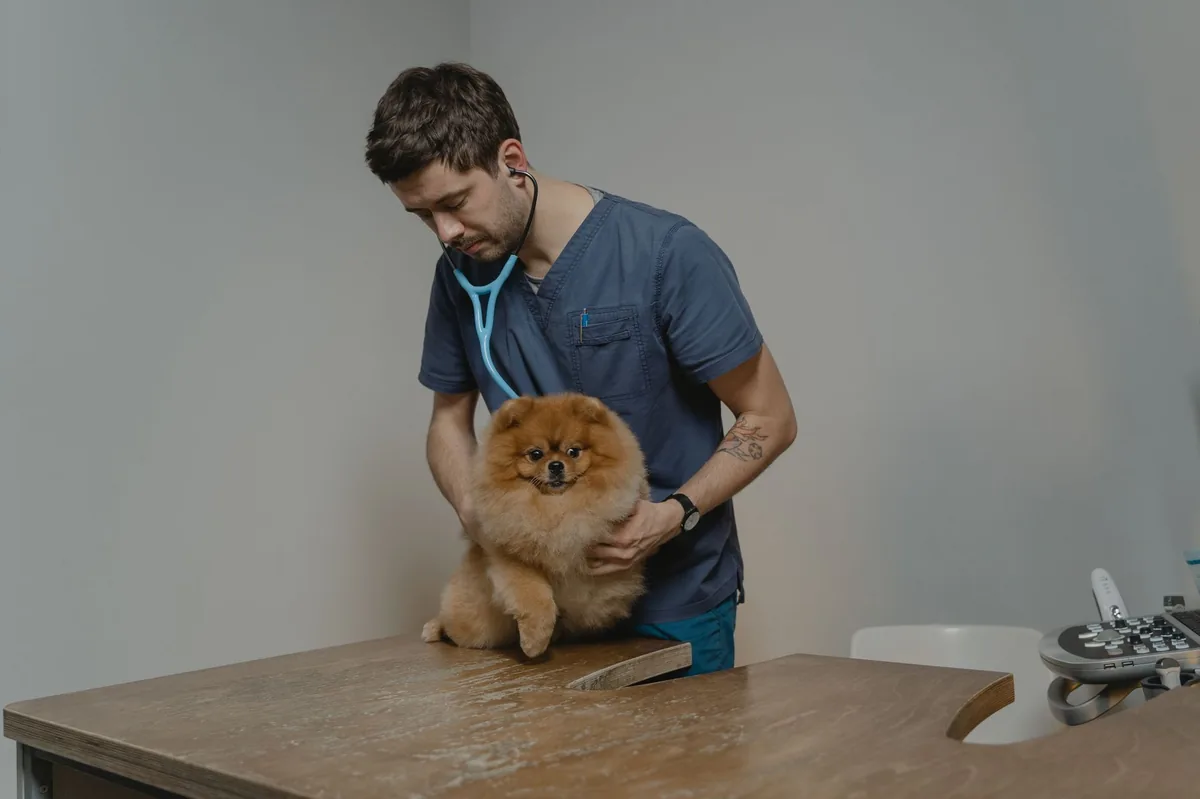
- Auscultation: The vet listens with a stethoscope, noting murmur grade, timing (systolic vs. diastolic), and location.
- Electrocardiogram (ECG): Records the heart’s electrical activity, helping detect arrhythmias or chamber enlargement.
- Thoracic radiographs (X‑rays): Reveal heart size, pulmonary congestion, and fluid in the abdomen.
- Echocardiogram (ultrasound): The gold‑standard test; visualizes valve structure, blood flow, and measures cardiac dimensions. It also helps classify congenital defects.
- Blood work: CBC, chemistry panel, and specific tests for heartworm (antigen/antibody) assess overall health and rule out systemic contributors.
In some cases, a cardiac specialist (board‑certified cardiologist) may be consulted for advanced imaging such as Doppler studies or cardiac MRI, especially when surgery is being considered.
Treatment options
Medical treatment
Medication aims to reduce the heart’s workload, control fluid buildup, and manage underlying disease. Common drug classes include:
- Angiotensin‑converting enzyme (ACE) inhibitors (e.g., enalapril, benazepril) – help dilate blood vessels and lower blood pressure.
- Pimobendan – a “positive inotrope” that strengthens heart muscle contractions while also dilating vessels.
- Diuretics (e.g., furosemide) – remove excess fluid from lungs and abdomen.
- Beta‑blockers (e.g., atenolol) – slow heart rate and reduce stress on the valve.
- Anticoagulants (e.g., clopidogrel) – sometimes used in dogs with certain valve diseases to prevent clot formation.
Ask your vet about whether any of these options are appropriate for your dog’s specific murmur and underlying condition.
Supplements and supportive care
Adjunctive supplements can aid heart health, especially when combined with prescribed medication:
- Omega‑3 fatty acids (EPA/DHA) – anti‑inflammatory, may improve cardiac output; found in fish‑oil capsules.
- L‑carnitine – supports mitochondrial energy production, useful in certain cardiomyopathies.
- Coenzyme Q10 (Ubiquinol) – antioxidant that can help with heart muscle efficiency.
These supplements are not a cure, but they can complement veterinary therapy. Always discuss dosage and brand quality with your vet before adding them to your dog’s regimen.
Procedures or surgery
When a murmur stems from a correctable structural problem, surgery may be the best route:
- Patent ductus arteriosus (PDA) ligation or coil embolization – minimally invasive; success rates >95 % when performed early.
- Ventricular septal defect (VSD) closure – surgical patch or device placement.
- Balloon valvuloplasty – used for subaortic or pulmonic stenosis to widen narrowed valves.
- Mitral valve repair – emerging technique for severe degenerative mitral disease; still specialized.
Post‑operative recovery typically involves a short hospital stay (1‑3 days), limited activity for 2‑4 weeks, and follow‑up echocardiograms. Costs vary widely (see the Cost and prognosis section).

Diet and nutrition
Nutrition plays a supportive role in managing heart disease. While no single “heart‑murmur diet” exists, certain dietary principles help reduce cardiac strain and improve overall well‑being.
Key nutritional goals include:
- Maintain an optimal body condition (ideal body condition score of 4‑5/9).
- Provide high‑quality, highly digestible protein to preserve lean muscle mass.
- Limit sodium to reduce fluid retention and blood pressure spikes.
- Include omega‑3 fatty acids for anti‑inflammatory benefits.
- Ensure adequate taurine and L‑carnitine, especially in breeds prone to dilated cardiomyopathy.
Below is a practical guide for everyday feeding:
| Food Category | Do feed | Limit | Avoid |
|---|---|---|---|
| Commercial dry or wet formulas | Prescription or therapeutic diets labeled “cardiac” (e.g., low‑sodium) | Regular kibble with moderate sodium (≤0.3 % on label) | High‑salt treats, table scraps with added salt |
| Home‑cooked meals | Lean proteins (chicken breast, turkey), cooked vegetables (green beans, carrots), rice or sweet potato | Seasoned foods, added broth, cheese | Fatty cuts, organ meats high in cholesterol, processed meats |
| Supplements | Fish‑oil capsules (EPA/DHA), L‑carnitine powder | Excessive vitamin supplements | Unregulated herbal products without veterinary oversight |
When transitioning to a new diet, do it gradually over 7‑10 days—mix increasing portions of the new food with decreasing amounts of the old. This helps prevent gastrointestinal upset, which can be especially problematic in dogs already coping with heart strain.
Watch the water bowl, too. Dehydration can thicken blood and increase cardiac workload. Offer fresh water throughout the day and consider adding a splash of low‑sodium broth (no onions or garlic) to encourage drinking if your dog is a picky sipper.
For senior dogs or those with concurrent kidney or liver disease, consult your vet about tailored nutrition plans. The AAHA and the World Small Animal Veterinary Association (WSAVA) both recommend regular re‑evaluation of diet every 6‑12 months for dogs with chronic heart disease.
Cost and prognosis
Financial considerations often influence decision‑making. Below is a rough estimate of typical expenses in the United States and the United Kingdom; actual costs depend on location, clinic, and individual case complexity.
| Service | US (USD) | UK (GBP) |
|---|---|---|
| Initial exam + auscultation | $45‑$80 | £35‑£60 |
| Thoracic radiographs (2‑view) | $120‑$250 | £90‑£150 |
| Echocardiogram | $300‑$600 | £250‑£450 |
| Blood work panel | $100‑$200 | £80‑£130 |
| Medication (3‑month supply) | $30‑$150 | £25‑£120 |
| Heartworm preventive (annual) | $50‑$120 | £40‑£100 |
| Surgical correction (e.g., PDA ligation) | $4,000‑$8,000 | £3,000‑£6,500 |
Prognosis hinges on murmur grade and underlying disease:
- Grade I‑II functional murmurs: Generally excellent; many dogs live a normal lifespan without treatment.
- Degenerative mitral valve disease (DMVD) Grade III‑IV: With appropriate medication, median survival can exceed 2‑3 years; many dogs enjoy a good quality of life.
- Severe congenital defects or advanced cardiomyopathy: Prognosis varies; surgical correction can be curative for select cases, while others may require lifelong medical management.
Regular re‑checks (every 6–12 months for mild cases, every 3–6 months for moderate‑to‑severe disease) help adjust therapy and catch complications early, ultimately influencing both cost and outcome.
Prevention and home care
While many heart murmurs are unavoidable genetic issues, owners can reduce the risk of acquired heart disease through everyday habits:
- Maintain a healthy weight: Obesity strains the heart. Use a calibrated food scoop and monitor body condition.
- Regular exercise: Moderate, consistent activity supports cardiovascular health without overexertion. Aim for daily walks tailored to your dog’s fitness.
- Heartworm prevention year‑round: Follow a veterinarian‑approved monthly or yearly product; heartworm disease is a leading cause of acquired murmurs.
- Blood pressure screening: Senior dogs should have blood pressure checked at least annually.
- Dental health: Periodontal disease can lead to systemic inflammation, affecting the heart. Brush teeth weekly and consider dental chews approved by the Veterinary Oral Health Council (VOHC).
At home, you can monitor your dog’s condition by:
- Checking gums twice daily—healthy gums are pink and moist.
- Listening for coughs or wheezes, especially after activity.
- Tracking weight and appetite changes.
- Recording any fainting episodes or sudden lethargy.
When you notice a change, note the date, time, and circumstances, then share this log with your vet. This simple data can guide treatment adjustments and catch problems before they become emergencies.
Vet’s note
From our vet team: “A murmur is a clue, not a verdict. Most owners feel panic when they first hear the term, but with regular monitoring, many dogs live full, happy lives. If your dog’s murmur is grade III or higher, schedule a full cardiac workup within a week—early diagnosis often means simpler, more affordable treatment.”
Key takeaways
- Most low‑grade (I‑II) heart murmurs are harmless, but any new murmur warrants a veterinary exam.
- Red‑flag signs—coughing, fainting, blue gums, or rapid breathing—require immediate veterinary attention.
- Diagnostic workup typically includes auscultation, X‑rays, blood work, and an echocardiogram to pinpoint the cause.
- Medical management (ACE inhibitors, pimobendan, diuretics) can control many acquired heart diseases; surgery is an option for correctable congenital defects.
- Low‑sodium, high‑quality protein diets, plus omega‑3 supplements, help reduce cardiac workload.
- Regular follow‑up visits and weight management are essential for long‑term heart health.
Myth vs. fact
Myth: All heart murmurs mean a dog will die soon.
Fact: Many murmurs are mild and benign; prognosis depends on grade and underlying cause.
Myth: Heart murmurs can be cured with supplements alone.
Fact: Supplements support heart health but cannot replace veterinary‑prescribed medication or surgery when indicated.
Myth: Only senior dogs get heart murmurs.
Fact: Congenital murmurs appear in puppies, while acquired murmurs become more common with age.
Frequently asked questions
What causes heart murmurs in dogs?
Heart murmurs arise from turbulent blood flow, which can be due to congenital defects (like PDA or VSD), valve degeneration (especially mitral valve disease), heartworm infection, hypertension, or cardiomyopathy. Breed genetics also play a role, with some breeds predisposed to specific defects.
How can I tell if my dog’s heart murmur is serious?
Severity is judged by the murmur’s grade (I‑VI) and accompanying clinical signs. A grade III or higher, or any murmur paired with coughing, lethargy, fainting, or abnormal breathing, signals a more serious underlying disease that needs prompt evaluation.
What tests does a vet run to evaluate a heart murmur?
The workup typically includes a thorough physical exam, blood pressure measurement, blood chemistry panel, thoracic radiographs, an electrocardiogram (ECG), and most importantly, an echocardiogram to visualize heart structure and blood flow. Additional tests may include heartworm antigen testing and cardiac biomarkers.
Are there any home signs I should watch for?
Yes. Monitor for a persistent cough, reduced stamina, fainting spells, rapid or labored breathing, blue‑tinged gums, and sudden weight loss or abdominal swelling. Keep a daily log of any changes to share with your veterinarian.
What are the treatment options for a dog with a heart murmur?
Treatment depends on the underlying cause. Options range from medication (ACE inhibitors, pimobendan, diuretics, beta‑blockers) to lifestyle changes (low‑sodium diet, controlled exercise). In cases of correctable congenital defects, minimally invasive surgery or balloon valvuloplasty may be curative.
How much does cardiac care for a dog typically cost?
Initial diagnostics (exam, X‑rays, blood work, echo) can run $500‑$1,200 in the U.S. Ongoing medication adds $30‑$150 per three months. Surgical correction, when needed, may cost $4,000‑$8,000. Costs vary by region and clinic; see our cost guide for more details.
Ask the PuppaDogs community
Have a question this article didn’t fully answer? Want to compare notes with other dog owners who’ve been through this? Our community forum is moderated by experienced owners and vets — and answers tend to come fast. Ask in the PuppaDogs community →
References
- American College of Veterinary Internal Medicine (ACVIM) – Consensus Guidelines on Canine Cardiac Disease, 2022.
- American Animal Hospital Association (AAHA) – Standards for Veterinary Cardiology Services, 2023.
- Merck Veterinary Manual – Chapter “Heart Murmurs in Dogs,” 2021 edition.
- American Veterinary Medical Association (AVMA) – Heartworm Disease Prevention Recommendations, 2022.
- World Small Animal Veterinary Association (WSAVA) – Nutritional Guidelines for Dogs with Cardiac Disease, 2020.
- Veterinary Oral Health Council (VOHC) – Approved Dental Chews List, 2023.
- Cornell University College of Veterinary Medicine – Canine Valvular Disease Overview, 2021.
- UC Davis Veterinary Medicine – Canine Heartworm Diagnostic Protocols, 2022.
- AAFA (American Association of Feline Practitioners) – Not directly relevant but referenced for comparative cardiology, 2021.
- Veterinary Drug Handbook (Plumb’s), 9th Edition, 2022 – Drug classes for cardiac therapy.


