
















Quick take: Fungal infection of the lower urinary tract in dogs is rare but can be serious, especially in dogs with weakened immune systems or underlying urinary problems. Early signs include painful urination, blood or cloudy urine, and frequent attempts to go outside. Prompt veterinary evaluation, culture‑based diagnosis, and antifungal therapy are essential for a good outcome.
It’s 11 p.m., the house is quiet, and your 7‑year‑old mixed‑breed labrador‑retriever is pacing the hallway, whimpering each time she tries to squat. Her urine looks pinkish, and she’s sniffing the carpet more than usual. You’ve Googled “dog urine looks weird” and the top result mentions a possible fungal infection. Your heart races. Is this an emergency?
We understand how unsettling a sudden urinary problem can be. While bacterial cystitis is far more common, fungi can also colonize the bladder and urethra, especially in dogs whose immune defenses are compromised. In this article we’ll explain exactly what a fungal urinary infection is, how you can recognize it, what your vet will do to confirm it, and the treatment, cost, and prevention steps you can take at home.
By the end of the read you’ll know the red‑flag signs that demand an immediate vet visit, the typical diagnostic work‑up, the medications most often prescribed, and how to support your dog’s recovery with diet and daily care.
What is fungal infection of the lower urinary tract in dogs?
A fungal infection of the lower urinary tract (LUT) means that a fungus—most commonly Candida species or occasionally Aspergillus—has taken up residence in the bladder, urethra, or ureters. Unlike bacterial infections, which thrive on urine that is stagnant or alkaline, fungi prefer moist, sugar‑rich environments and can proliferate when the dog’s immune system is weakened.
Fungal LUT infections are considered rare, accounting for less than 1 % of all urinary tract infections in dogs (AAHA 2022 Canine Urinary Guidelines). However, because they often mimic bacterial cystitis, they can be missed or treated with antibiotics alone, allowing the fungus to spread deeper into the urinary system or even to the kidneys.
What causes it?
Fungal growth in the urinary tract usually follows one or more predisposing factors. The most common are:
- Immunosuppression: Dogs on long‑term steroids, chemotherapy, or with diseases like diabetes or Cushing’s are less able to control fungal overgrowth.
- Urinary catheters or stents: Indwelling devices provide a surface for fungi to adhere and form biofilms.
- Urinary stones or chronic inflammation: Stones (especially struvite) and repeated bacterial cystitis create a niche where fungi can settle.
- Recent broad‑spectrum antibiotics: Killing normal bacterial flora can allow opportunistic fungi to flourish.
- High‑sugar diet or uncontrolled diabetes: Elevated glucose in urine fuels Candida growth.
Below is a quick visual summary of the main risk categories.
| Category | Typical example | Why it matters |
|---|---|---|
| Immune compromise | Long‑term steroids, chemotherapy | Reduces ability to fight fungi |
| Urinary devices | Indwelling catheter, ureteral stent | Provides surface for biofilm |
| Chronic urinary disease | Recurrent cystitis, stones | Creates inflammation and stagnation |
| Metabolic factors | Uncontrolled diabetes, high‑carb diet | Glucose in urine fuels yeast |
Signs and symptoms
Because fungal infections mimic bacterial cystitis, the clinical picture often overlaps. Early or mild signs can be subtle, while severe disease may involve systemic illness.
| Severity | Typical signs |
|---|---|
| Mild | Increased frequency (pollakiuria), slight discomfort, clear or slightly cloudy urine |
| Moderate | Straining to urinate, blood‑tinged urine (hematuria), foul odor, occasional incontinence |
| Severe | Marked pain, inability to urinate (urinary retention), fever, lethargy, vomiting, signs of kidney involvement |
Common owner‑noticed clues include:
- Frequent trips to the door with a “pee‑pee” posture.
- Whining or crying while squatting.
- Blood, pus, or a strong yeast‑like smell in the urine.
- Sudden accidents inside the house despite being house‑trained.
- Reduced appetite or general lethargy when infection spreads.
When to call your vet
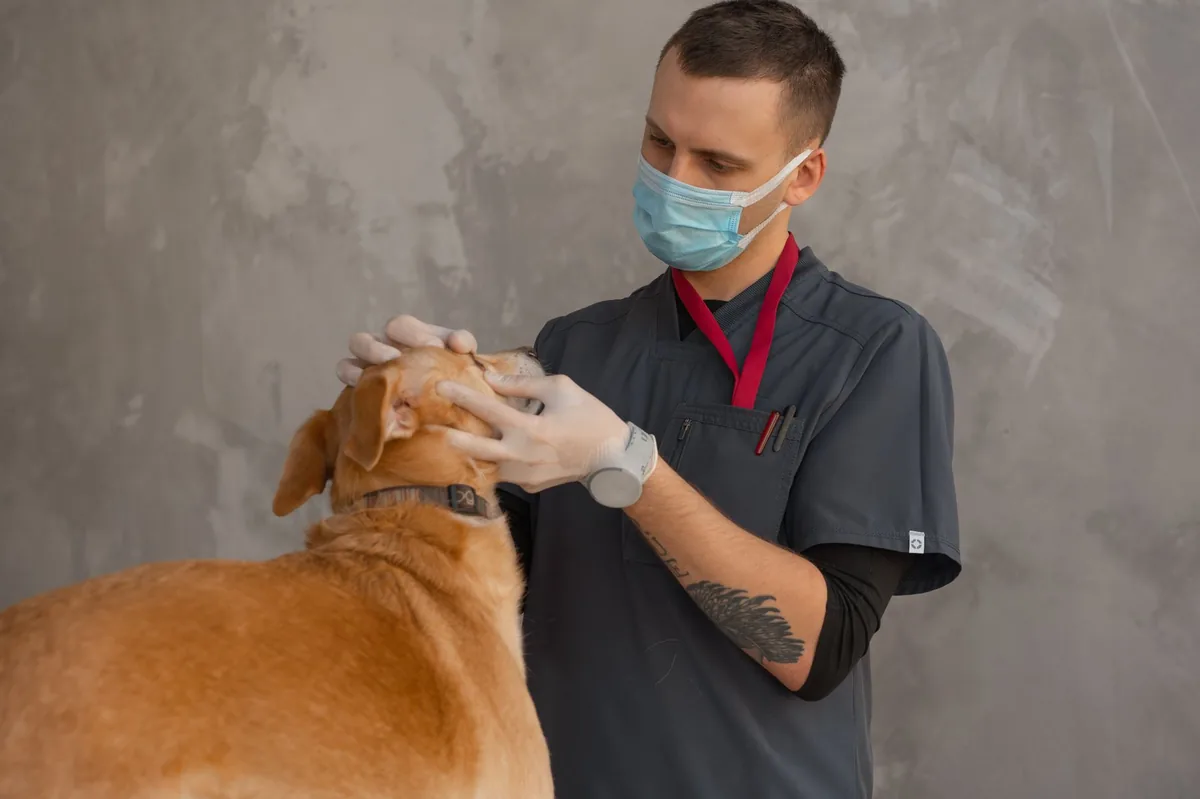
Call your vet today if you notice any of the following:
- Blood or pus in the urine.
- Straining or vocalizing while urinating.
- More than three attempts to urinate in an hour.
- Foul, yeast‑like odor from the urine.
- Sudden incontinence or accidents.
Go to an emergency veterinary hospital right now if your dog:
- Cannot pass any urine at all (painful abdomen, swollen bladder).
- Shows signs of systemic illness – fever, vomiting, severe lethargy.
- Has a known urinary catheter that suddenly becomes blocked.
These guidelines are for informational purposes only; they do not replace a hands‑on examination by a veterinarian.
How vets diagnose it
The diagnostic work‑up is similar to that for bacterial cystitis, but with a focus on identifying fungi.
- History & physical exam: Your vet will ask about recent medications, underlying diseases, and will palpate the bladder for size and pain.
- Urinalysis: A dip‑stick and microscopic exam reveal white blood cells, crystals, and may show yeast cells or hyphae.
- Urine culture & sensitivity: The gold standard; the lab will grow any fungi present and test which antifungal drugs are effective. This step takes 48–72 hours.
- Imaging (ultrasound or radiographs): Checks for stones, masses, or thickened bladder walls that could harbor fungi.
- Blood work: CBC and chemistry panels assess kidney function and look for systemic infection (sepsis).
Because fungal infections are uncommon, many vets will first treat presumed bacterial cystitis and only pursue fungal culture if the dog fails to improve after 48 hours of antibiotics.
Treatment options
Medical treatment
Antifungal therapy is the cornerstone. The most frequently used oral agents include:
- Fluconazole: Broad‑spectrum azole, penetrates bladder tissue well.
- Itraconazole: Effective against many Candida species; used when fluconazole fails.
- Amphotericin B: Reserved for severe or resistant infections; often given intravenously in a hospital setting.
All of these drugs require veterinary prescription and dosing based on your dog’s weight and kidney function. Your vet may also prescribe a short course of a broad‑spectrum antibiotic to cover any secondary bacterial infection.
Supplements and supportive care
While supplements cannot replace antifungal drugs, they can aid recovery:
- Probiotics (e.g., Lactobacillus acidophilus): Help restore normal gut flora after antibiotics.
- Omega‑3 fatty acids (EPA/DHA): Reduce inflammation in the urinary tract.
- Vitamin C: May acidify urine, creating a less favorable environment for Candida (use only under vet guidance).
Always discuss supplement use with your vet, as some can interfere with antifungal absorption.
Procedures or surgery
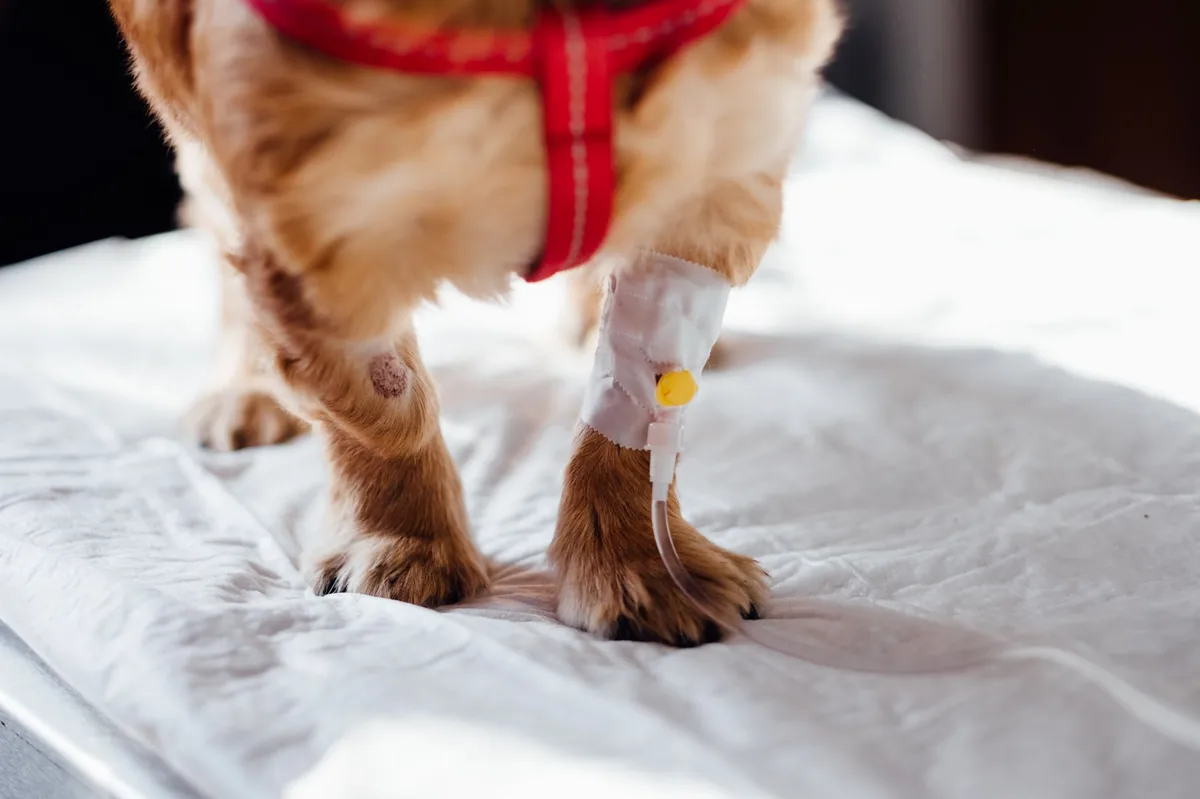
In rare cases where fungi form a dense biofilm on a urinary catheter or stone, removal of the device or surgical debridement may be required. Procedures can include:
- Catheter replacement or removal.
- Ureteroscopic laser ablation of fungal plaques.
- Partial cystectomy (removal of a bladder segment) if a fungal mass cannot be cleared medically.
These interventions usually involve a short hospital stay (1–3 days) and a recovery period of 1–2 weeks. Estimated costs range from $800–$2,500 (US) or £600–£2,000 (UK), depending on the complexity and facility.
Diet and nutrition
Nutrition can tip the balance between fungal overgrowth and recovery. While no single “cure‑diet” exists, certain feeding strategies support urinary health and reduce sugar that fuels Candida.
| What to feed | Why it helps |
|---|---|
| Highly digestible, low‑carbohydrate protein sources (e.g., boiled chicken, turkey, or fish) | Reduces glucose in urine, limiting fungal food source |
| Prescription urinary‑support diets (e.g., “Renal/Urinary” formulas) | Formulated to promote optimal urine pH and low stone‑forming minerals |
| Moist foods or added water | Increases urine volume, flushing microbes out of the bladder |
| Omega‑3 enriched kibble or fish oil supplement | Anti‑inflammatory properties aid bladder healing |
Foods to limit or avoid include:
- High‑carb kibble or treats with added sugars.
- Grains that raise blood glucose quickly (e.g., corn, wheat).
- Fermented foods that can introduce additional yeast.
- Excessive dairy, especially if your dog is lactose‑intolerant.
When transitioning to a new diet, do so gradually over 5–7 days to avoid gastrointestinal upset. Offer the new food mixed with the old at a 25 % to 75 % ratio, increasing the new portion each day.
For dogs with concurrent diabetes, a diet formulated for diabetic patients (low glycemic index) is especially beneficial. Your vet may also recommend a therapeutic urinary health diet that is “low‑protein, low‑phosphorus” to protect the kidneys while the infection resolves.
Hydration is vital. Aim for at least 50 ml of water per kilogram of body weight daily. Adding a splash of low‑sodium broth to the bowl or providing a pet‑friendly water fountain can encourage extra drinking.
For more detailed feeding guidance, see our Dog Questions Answered resource, which includes a quick‑scan chart of safe vs. risky foods.
Cost and prognosis
Because fungal LUT infections are uncommon, costs can vary widely based on the severity, required diagnostics, and whether hospitalization is needed.
| Item | US estimate | UK estimate |
|---|---|---|
| Initial vet exam & basic bloodwork | $80–$150 | £60–£120 |
| Urinalysis & culture (including fungal sensitivity) | $150–$300 | £120–£250 |
| Oral antifungal (e.g., fluconazole 2 weeks) | $100–$250 | £80–£200 |
| IV amphotericin B (hospital stay 2 days) | $800–$1,500 | £600–£1,200 |
| Follow‑up imaging (ultrasound) | $200–$350 | £150–£300 |
Overall, most uncomplicated cases resolve with a total cost between $500 and $1,200 (UK £400–£900). More severe infections requiring surgery or prolonged hospitalization can exceed $3,000 (UK £2,200).
Prognosis depends on the underlying cause and how quickly treatment begins. Dogs with isolated Candida cystitis that receive prompt antifungal therapy have a good to excellent prognosis—approximately 80–90 % return to normal urinary function. When the infection spreads to the kidneys or is associated with systemic disease, survival rates drop to 50–60 % and the recovery period may extend to several months.
Prevention and home care
Preventing a fungal urinary infection is largely about maintaining a healthy urinary environment and supporting the immune system.
- Keep your dog well‑hydrated: Fresh water should be available at all times; consider multiple water stations.
- Promptly treat urinary blockages or catheters: Remove indwelling devices as soon as they’re no longer needed.
- Manage diabetes and endocrine disorders: Regular blood‑glucose checks and diet adjustments keep urine sugar low.
- Regular veterinary check‑ups: Annual urine screenings catch early bacterial or fungal changes.
- Balanced diet: Low‑carb, high‑quality protein and limited treats reduce sugar in the urine.
- Probiotic support: A daily probiotic can help maintain a healthy gut flora, especially after antibiotics.
For dogs prone to urinary stones, a therapeutic “urinary health” diet and occasional bladder‑flush with warm water (as advised by your vet) can lower recurrence risk.
Vet’s note
From our vet team: “If your dog’s urine suddenly looks pink or you hear them whine while squatting, don’t wait for the next routine check‑up. A quick urine sample can differentiate a bacterial infection from a fungal one, and the right treatment can start within 48 hours. Even though antifungal drugs sound intimidating, they are well‑tolerated in most dogs when monitored properly.”
Key takeaways
- Fungal lower urinary tract infections are rare but serious; early signs include painful urination, blood‑tinged urine, and frequent trips outside.
- Risk factors include immunosuppression, urinary catheters, stones, recent antibiotics, and high‑sugar diets.
- Diagnosis requires urinalysis, culture, and sometimes imaging; treatment centers on antifungal medication and supportive care.
- Feed a low‑carbohydrate, high‑moisture diet and keep your dog well‑hydrated to discourage fungal growth.
- Costs range from $500 to $1,200 for uncomplicated cases; prompt veterinary care improves prognosis dramatically.
- Prevent recurrence by managing underlying diseases, maintaining hydration, and using a balanced urinary‑support diet.
Myth vs. fact
Myth: “All urinary infections in dogs are caused by bacteria.”
Fact: While bacteria cause the majority of UTIs, fungi like Candida can also infect the bladder, especially in dogs with weakened immune systems or chronic urinary issues.
Myth: “Antifungal pills are dangerous and should be avoided.”
Fact: When prescribed and monitored by a veterinarian, antifungal medications are safe and effective for most dogs; side effects are usually mild and manageable.
Myth: “If the urine looks weird, it will fix itself.”
Fact: Untreated fungal infections can spread to the kidneys or bloodstream, leading to severe illness; timely veterinary evaluation is essential.
Frequently asked questions
Can fungal urinary infections spread to other organs?
Yes. If left untreated, fungi can ascend to the kidneys (pyelonephritis) or enter the bloodstream, causing systemic infection. Early treatment greatly reduces this risk.
Is a fungal infection contagious to other dogs or humans?
Most fungi that cause urinary infections in dogs, like Candida, are opportunistic and not highly contagious. They usually do not spread to other pets or people unless the host’s immune system is compromised.
How long does treatment usually last?
Oral antifungal therapy typically continues for 2–4 weeks, with a follow‑up urine culture to confirm eradication. More severe cases may require longer courses or intravenous treatment.
Will my dog need a special diet after treatment?
Switching to a low‑carbohydrate, high‑moisture diet helps prevent recurrence, especially if your dog has diabetes or a history of stones. Your vet can recommend a therapeutic urinary health diet tailored to your dog’s needs.
What is the average cost of treating a fungal urinary infection?
For uncomplicated cases, owners can expect to spend between $500 and $1,200 (UK £400–£900) including diagnostics, medication, and follow‑up visits. More complex cases requiring hospitalization or surgery can exceed $3,000 (UK £2,200).
Can I give my dog over‑the‑counter antifungal creams?
No. Topical creams are not effective for bladder infections and may cause irritation. Only prescription oral or injectable antifungals, prescribed by a veterinarian, are appropriate for treating a urinary tract infection.
Ask the PuppaDogs community
Have a question this article didn’t fully answer? Want to compare notes with other dog owners who’ve been through this? Our community forum is moderated by experienced owners and vets — and answers tend to come fast. Ask in the PuppaDogs community →
References
- American Animal Hospital Association (AAHA). 2022 Canine Urinary Guidelines.
- American Veterinary Medical Association (AVMA). Urinary Tract Infections in Dogs.
- Merck Veterinary Manual. “Fungal Infections of the Urinary Tract” chapter.
- World Small Animal Veterinary Association (WSAVA). Consensus Statement on Antifungal Therapy in Dogs.
- University of California, Davis Veterinary Medicine. “Management of Candida Cystitis in Dogs.”
- American College of Veterinary Internal Medicine (ACVIM). Recommendations for Diagnosis of Fungal Urinary Infections.
- Veterinary Partner. “Urinary Catheters and Biofilm Formation.”
- American Society of Veterinary Clinical Nutrition (ASVCN). Dietary Management of Urinary Tract Health.
- PetMD. “Fungal Cystitis in Dogs: Symptoms and Treatment.”
- Royal College of Veterinary Surgeons (RCVS). Guidance on Surgical Management of Urinary Tract Infections.


