












Quick take: Diabetes insipidus (DI) in dogs is a rare disorder that disrupts the body’s ability to concentrate urine, leading to extreme thirst and urination. It isn’t the same as diabetes mellitus, and while lifelong medication—usually desmopressin—is often required, most dogs live comfortable lives with proper management.
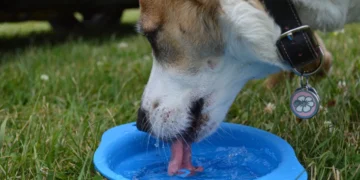
It’s 11 p.m., and your 7‑year‑old mixed‑breed Labrador is pacing to the kitchen, nudging the water bowl as if it were a toy. You notice the bowl is empty again within minutes, and a quick glance at the backyard shows a fresh, almost watery puddle where the dog just stepped. Your heart starts to race; the internet is full of “diabetes” articles, but you’re not sure if this is the same thing you’ve heard from the vet.
We get it—excessive drinking and urination can feel like a red flag, but the answer isn’t always straightforward. Diabetes insipidus (DI) is a specific hormone‑related problem that’s different from the more common diabetes mellitus. In the next few minutes, we’ll walk through what DI is, why it happens, how you can recognize it, and what steps you can take to keep your companion safe and happy.
By the end of this guide you’ll know the early signs, when to call a vet, what tests are used, how treatment works, how much it might cost, and how to tailor food and water for a dog living with DI. Let’s dive in.
What is Diabetes Insipidus in Dogs?
Diabetes insipidus (DI) is a disorder of water balance, not sugar metabolism. It occurs when the kidneys can’t concentrate urine, causing the dog to produce large volumes of dilute urine and feel an unrelenting thirst. There are two main forms:
- Central (cranial) DI: The brain’s hypothalamus or pituitary gland doesn’t release enough antidiuretic hormone (ADH, also called vasopressin). Without ADH, the kidneys don’t re‑absorb water.
- Nephrogenic DI: The kidneys themselves are unresponsive to ADH, often due to genetic mutations, kidney disease, or certain drugs.
Both types are rare—estimates suggest less than 1 % of dogs with excessive drinking problems have DI, according to the American College of Veterinary Internal Medicine (ACVIM). Most affected dogs are middle‑aged to senior, though any breed can be impacted.
What causes Diabetes Insipidus?
DI can be idiopathic (no known cause) or secondary to an underlying problem. Below is a quick overview of the most common contributors.
| Category | Typical Causes |
|---|---|
| Central DI | Head trauma, pituitary tumors, inflammatory disease (e.g., granuloma), congenital defects. |
| Nephrogenic DI | Inherited mutations (seen in some breeds), chronic kidney disease, certain medications (e.g., demeclocycline, amphotericin B). |
| Risk factors & breed predisposition | Australian Shepherds, Cavalier King Charles Spaniels, and Miniature Schnauzers have reported familial cases of nephrogenic DI. |
In many cases, especially central DI, the exact trigger remains unknown. Your vet will rule out other causes of polyuria (excessive urination) before confirming DI.
Signs and symptoms
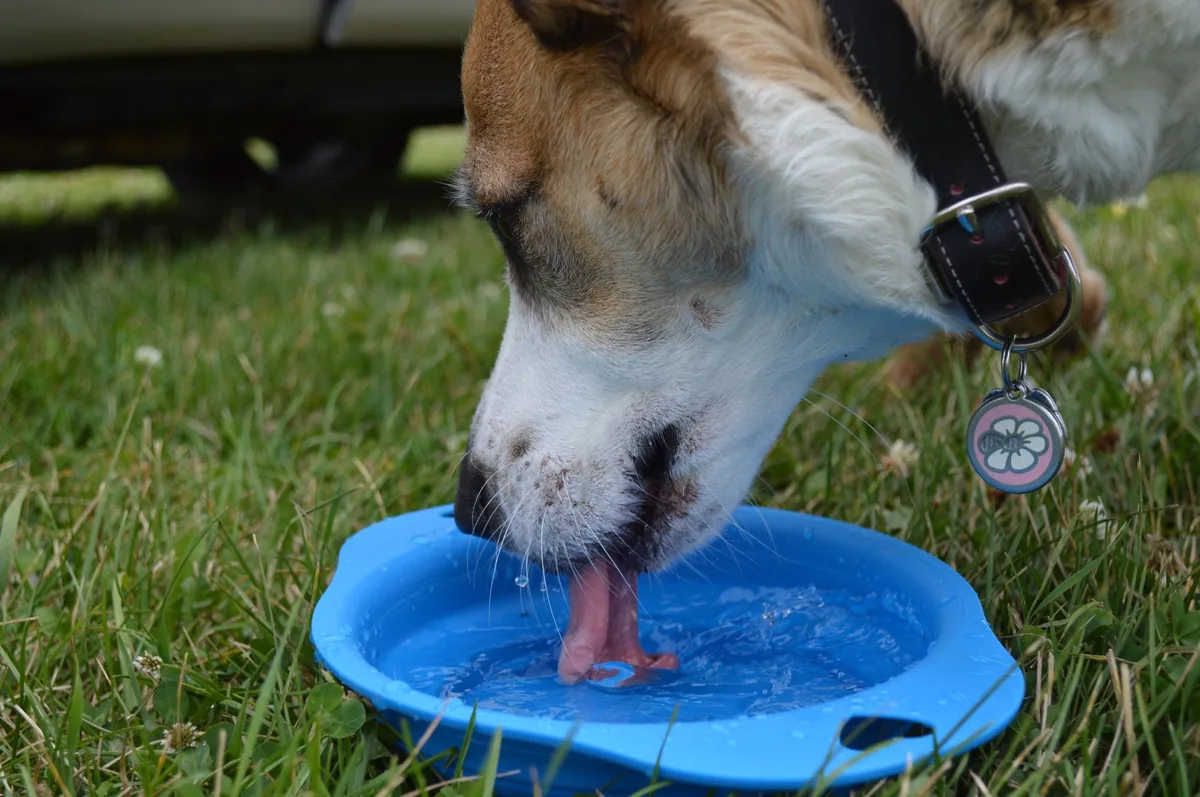
Because the hallmark of DI is the inability to retain water, the most obvious clues revolve around drinking and urination. Below is a progression that helps you spot the condition early.
| Severity | Signs |
|---|---|
| Mild | Increased water intake (1–2 × normal), slightly larger urine spots, occasional “wet” floor. |
| Moderate | Constant thirst, urine volume 2–4 × normal, dilute urine (specific gravity < 1.010), mild weight loss. |
| Severe | Non‑stop drinking, frequent accidents, dehydration despite drinking, lethargy, electrolyte imbalances, possible seizures. |
Other subtle clues include a dry mouth, sunken eyes, and a slight increase in appetite as the body tries to compensate for fluid loss. If you notice any of these, especially the sudden, dramatic increase in water consumption, it’s time to investigate.
When to call your vet
Call your vet today if you see any of the following:
- Water intake that’s more than double normal.
- Urine that is consistently pale or watery.
- Weight loss or reduced appetite despite eating.
- Signs of dehydration (dry gums, tacky skin).
Go to an emergency clinic right now if you notice any of these urgent red flags:
- Sudden collapse, weakness, or seizures.
- Rapid breathing or heart rate with obvious dehydration.
- Vomiting or diarrhea combined with excessive thirst.
These symptoms can indicate a severe electrolyte imbalance that needs immediate IV fluids. Remember, this article is for information only; it does not replace a hands‑on veterinary exam.
How vets diagnose Diabetes Insipidus
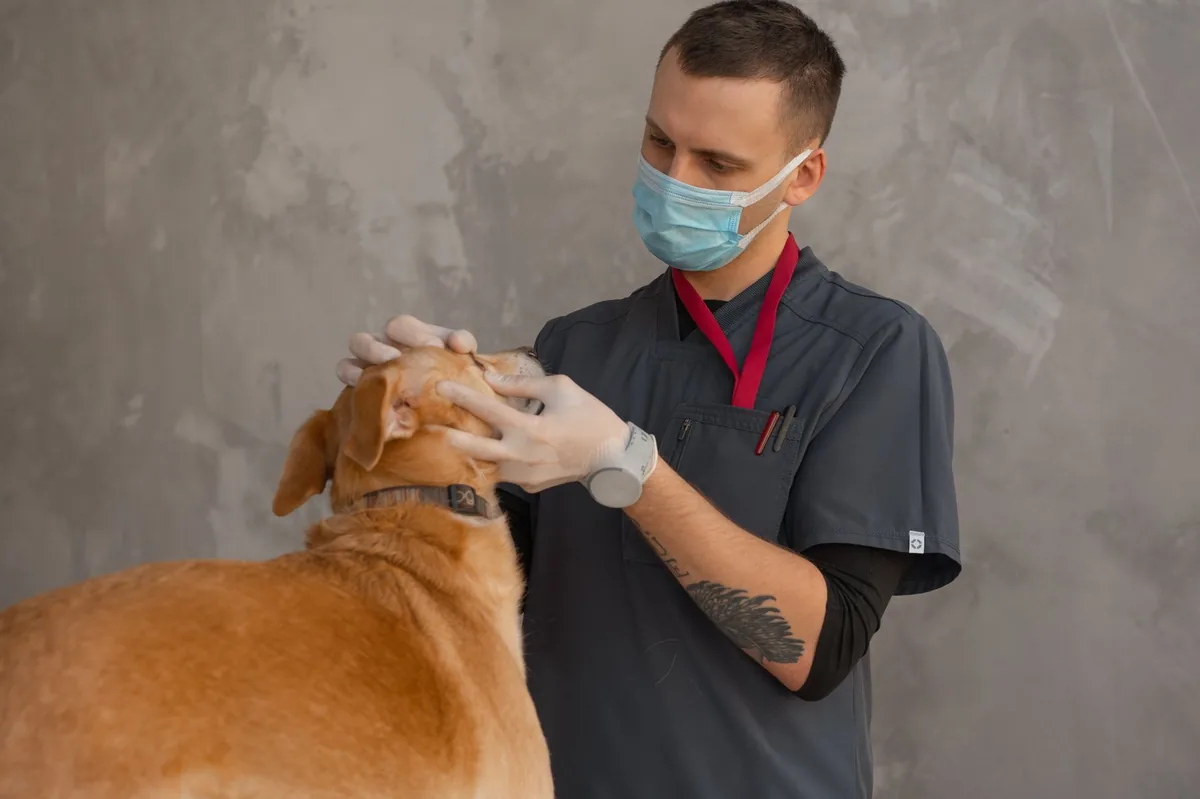
Diagnosing DI is a process of elimination because many diseases cause polyuria. Your vet will typically follow these steps:
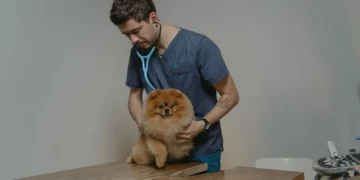
- History & physical exam: The vet asks about drinking patterns, urination frequency, diet, and any recent illnesses or medications.
- Blood work: A complete blood count (CBC) and chemistry panel check for kidney disease, diabetes mellitus, and electrolyte levels. Normal glucose with low urine concentration points toward DI.
- Urine specific gravity (USG): Measured with a refractometer. Values below 1.010 despite dehydration suggest the kidneys can’t concentrate urine.
- Water deprivation test (WDT): The gold‑standard test. After a short fasting period, the vet withholds water under strict monitoring. In DI, the urine remains dilute, whereas in other conditions it becomes more concentrated.
- ADH stimulation test: Desmopressin (synthetic ADH) is administered; a rise in USG indicates central DI, while no change suggests nephrogenic DI.
- Imaging: MRI or CT of the brain can reveal pituitary tumors or structural lesions causing central DI.
All of these tests are performed under veterinary supervision, and the results guide the treatment plan.
Treatment options
Medical treatment
The cornerstone of therapy for central DI is desmopressin acetate (DDAVP). This synthetic hormone mimics natural ADH, helping the kidneys re‑absorb water and produce more concentrated urine. Desmopressin is available as oral tablets, nasal sprays, or injectable forms. Your vet will choose the route that works best for your dog’s size and lifestyle, and will adjust the dose based on weight, urine output, and blood work.
For nephrogenic DI, the approach focuses on managing the underlying cause (e.g., stopping a offending drug) and supporting water balance. Thiazide diuretics, low‑salt diets, and sometimes NSAIDs can reduce urine volume, but these are used only under veterinary guidance.
Ask your vet about desmopressin, thiazide diuretics, and any other medication that might be appropriate for your dog’s specific form of DI.
Supplements and supportive care
While no supplement can replace medication, a few can aid overall kidney health and electrolyte balance:
- Omega‑3 fatty acids (EPA/DHA): May reduce inflammation that can aggravate kidney function.
- Electrolyte powders: Helpful if your dog develops low sodium or potassium; always use a vet‑approved formulation.
- Probiotics: Support gut health, especially if your dog is on a prescription diet that’s high in protein.
All supplements should be discussed with your vet to avoid interactions with desmopressin or other drugs.
Procedures or surgery
If a pituitary tumor is identified as the cause of central DI, surgical removal or radiation therapy may be considered. These are specialized procedures performed at referral centers and can cost several thousand dollars. Post‑operative care often includes lifelong desmopressin, because the gland may not fully recover.
Diet and nutrition
Because DI is a water‑balance disorder, the diet you feed can influence how much water your dog needs and how the kidneys handle fluids. Here are the main points to keep in mind.
- Moderate protein, high quality: Choose a diet with easily digestible protein sources (chicken, turkey, fish) to reduce the kidney’s workload.
- Low to moderate sodium: Excess salt drives thirst. Aim for ≤0.3 % sodium on a dry matter basis, which is typical of most “renal” or “maintenance” diets.
- Controlled moisture content: While you can’t eliminate water, offering wet food in measured portions helps track total intake. Some owners find that feeding a small amount of wet food twice daily reduces the urge to drink large volumes of plain water.
- Balanced electrolytes: If your vet recommends an electrolyte supplement, incorporate it as directed. Over‑supplementation can be harmful.
Below is a quick guide for feeding decisions.
| Do feed | Limit | Avoid |
|---|---|---|
| High‑quality dry kibble formulated for senior or renal health | Wet food > 25 % of daily calories | Highly salted treats (e.g., jerky, cheese snacks) |
| Fresh water in multiple bowls | Table scraps with added salt | Excessive bone broth (high sodium) |
| Omega‑3 supplement (vet‑approved) | High‑fat raw diets without balancing electrolytes | Any diet marketed as “high‑salt” for flavor |
When you first start a new diet, transition over 7–10 days by mixing increasing amounts of the new food with the old. This helps prevent gastrointestinal upset, which could further stress the kidneys.
For dogs on desmopressin, keep a consistent feeding schedule. Sudden changes in water or food intake can affect how the medication works. If you’re unsure which commercial diet fits these guidelines, our nutrition calculator can estimate daily calorie and sodium needs based on your dog’s weight and activity level.
Cost and prognosis
Because DI is uncommon, the cost can vary widely depending on the diagnostics and treatment chosen. Below are typical ranges (all estimates, actual costs may differ).
| Item | US estimate | UK estimate |
|---|---|---|
| Initial blood work & urinalysis | $150–$250 | £80–£150 |
| Water deprivation test | $200–$400 | £120–£250 |
| Desmopressin (monthly supply) | $30–$70 | £20–£45 |
| Imaging (MRI/CT) if needed | $1,000–$2,500 | £800–£1,800 |
| Long‑term monitoring (quarterly labs) | $100–$200 per visit | £60–£120 per visit |
Prognosis depends on the type of DI and how well it’s managed. Central DI treated with desmopressin has an excellent outlook—most dogs live many years with normal activity levels. Nephrogenic DI can be more challenging, especially if it’s hereditary; however, careful fluid management and medication can still give a good quality of life.
Regular check‑ups, blood work, and urine specific gravity monitoring are essential to catch any electrolyte shifts early. With diligent care, most owners report that their dogs return to a happy, energetic routine within weeks of starting treatment.
Prevention and home care
Because many cases of DI are idiopathic or genetic, there’s no guaranteed way to prevent it. However, you can reduce the risk of secondary causes and keep your dog comfortable:
- Avoid long‑term use of drugs known to cause nephrogenic DI (e.g., demeclocycline, certain chemotherapy agents).
- Maintain a balanced diet low in excess salt and high in quality protein.
- Provide fresh water in multiple locations to encourage regular, measured drinking.
- Monitor urine output: a simple home test is to weigh a disposable diaper before and after a bathroom break. A sudden increase may signal a problem.
- Schedule routine blood work and urinalysis at least twice a year, especially for breeds with known hereditary DI.
- If your dog is diagnosed with central DI, keep a daily log of desmopressin administration, water intake, and any changes in behavior.
When traveling, bring a portable water bowl and enough desmopressin for the trip. Some owners find a small, calibrated syringe handy for accurate oral dosing.
From our vet team: “If you catch the excessive thirst early and start desmopressin, most dogs adapt quickly. The biggest mistake owners make is stopping medication because the dog seems fine—DI never truly resolves without a hormone source, so consistent treatment is the key to a long, happy life.”
Key takeaways
- Diabetes insipidus is a rare hormone disorder that causes extreme thirst and dilute urine, different from diabetes mellitus.
- Early signs include sudden, large increases in water intake and pale, watery urine; monitor for weight loss or dehydration.
- Diagnosis involves blood work, urine specific gravity, and a water deprivation test; desmopressin response helps differentiate central from nephrogenic DI.
- Desmopressin (DDAVP) is the primary treatment for central DI; nephrogenic DI may need diet changes and supportive meds.
- Maintain a low‑salt, high‑quality protein diet, provide fresh water in several spots, and keep regular vet check‑ups to manage the condition.
- Costs range from a few hundred dollars for diagnostics to ongoing medication fees, but most dogs enjoy a normal life expectancy with proper care.
Myth vs. fact
Myth: Diabetes insipidus is the same as diabetes mellitus and can be treated with insulin.
Fact: DI involves the hormone vasopressin, not insulin. Insulin does not affect urine concentration, and giving insulin to a DI‑affected dog can cause dangerous hypoglycemia.
Myth: Dogs with DI will always need a lifelong prescription.
Fact: Central DI usually requires lifelong desmopressin, but some nephrogenic cases can be managed with diet, low‑salt intake, and occasional medication adjustments.
Myth: Giving extra water will fix the problem.
Fact: While adequate hydration is essential, the underlying hormone deficiency remains; without treatment, the kidneys continue to waste water.
Frequently asked questions
What are the early signs of diabetes insipidus in dogs?
Early signs are a sudden increase in water consumption (often 2–3 × normal) and larger, pale urine spots. Owners may also notice a slight weight loss or a dry mouth despite the dog drinking frequently.
How is diabetes insipidus diagnosed in dogs?
The vet uses a combination of blood chemistry, urine specific gravity, and a water deprivation test. A positive response to desmopressin (urine becomes more concentrated) points to central DI, while no change suggests nephrogenic DI.
Can diabetes insipidus be cured in dogs?
Most cases are managed rather than cured. Central DI can be controlled with desmopressin for the rest of the dog’s life. Nephrogenic DI may improve if the underlying cause (e.g., medication) is removed, but many dogs still need ongoing support.
What is the cost of treating diabetes insipidus in a dog?
Initial diagnostics (blood work, urinalysis, water deprivation test) typically run $350–$650 in the U.S. Desmopressin medication costs $30–$70 per month. Imaging for a pituitary tumor can add $1,000–$2,500. Ongoing quarterly labs are $100–$200 each.
Is diabetes insipidus hereditary in certain dog breeds?
Yes. Certain breeds—especially Australian Shepherds, Cavalier King Charles Spaniels, and Miniature Schnauzers—have reported familial forms of nephrogenic DI. Genetic testing is available for some mutations, and breeders are advised to screen for them.
Can diet alone manage diabetes insipidus?
Diet helps control thirst and urine volume but cannot replace the missing hormone. A low‑salt, high‑quality protein diet reduces the stimulus to drink, but most dogs still need desmopressin or other medication to regulate water balance.
Ask the PuppaDogs community
Have a question this article didn’t fully answer? Want to compare notes with other dog owners who’ve been through this? Our community forum is moderated by experienced owners and vets — and answers tend to come fast. Ask in the PuppaDogs community →
References
- American College of Veterinary Internal Medicine (ACVIM). “Guidelines for the Diagnosis and Management of Diabetes Insipidus in Dogs.” 2022.
- Merck Veterinary Manual. “Diabetes Insipidus.” Updated 2023.
- American Animal Hospital Association (AAHA). “Polyuria and Polydipsia Evaluation.” 2021.
- World Small Animal Veterinary Association (WSAVA). “Endocrine Disorders in Companion Animals.” 2020.
- Veterinary Information Network (VIN). “Central vs. Nephrogenic Diabetes Insipidus.” 2022.
- University of California, Davis School of Veterinary Medicine. “Desmopressin Use in Canine Central Diabetes Insipidus.” 2023.
- American Veterinary Medical Association (AVMA). “Understanding Hormonal Disorders in Dogs.” 2021.
- Cornell University College of Veterinary Medicine. “Polyuria Diagnostic Approach.” 2022.
- Royal Veterinary College (UK). “Management of Canine Diabetes Insipidus.” 2023.
- British Veterinary Association. “Cost Estimates for Endocrine Testing.” 2022.


