













Quick take: Dental issues in dogs range from mild plaque buildup to painful gum disease and tooth loss. Early signs include bad breath, yellow tartar, and reluctance to chew. Regular brushing, dental‑friendly foods, and professional cleanings keep your pup’s mouth healthy and protect the rest of their body.
It’s 9 p.m., and you’re scrolling through your phone while your Golden Retriever, Max, sighs as you try to coax him onto his favorite chew toy. He sniffs the toy, then walks away, his tail low. A faint, sour odor drifts from his mouth, and you wonder: is this just “doggy breath,” or something more serious?
Most owners feel a pang of guilt when they notice a change in their dog’s eating habits or breath. You’re not alone—our readers often share stories of a sudden drop in enthusiasm for treats that turns out to be a hidden dental problem. The good news is that dental disease is preventable and treatable, especially when caught early.
In this guide we’ll explain what dental issues in dogs are, why they happen, how to spot them, and what steps you can take at home and with your vet. We’ll also cover costs, diet tips, and how to keep your dog’s smile bright for years to come.
What is dental issues in dogs?
Dental issues in dogs refer to any problem that affects the teeth, gums, or surrounding structures of the mouth. The most common condition is periodontal disease, an infection of the gums that can damage the bone that supports the teeth. Other problems include tooth fractures, worn enamel, oral tumors, and infections of the tooth pulp (known as pulpitis).
According to the American Veterinary Medical Association (AVMA), more than 80 % of dogs over three years old show some form of dental disease, and about 15 % have severe periodontitis that can affect their overall health.
What causes it?
Dental disease usually results from a combination of factors. Below is a quick overview of the main contributors:
| Category | Typical Causes |
|---|---|
| Plaque & tartar buildup | Food particles, bacterial biofilm, lack of regular cleaning |
| Breed predisposition | Small breeds (Yorkshire Terrier, Pomeranian), brachycephalic breeds (Bulldog, Pug) have tighter jaws that trap debris |
| Diet & treats | Soft kibble, frequent table scraps, sticky treats promote plaque |
| Age & health | Senior dogs have weaker immune systems; systemic illnesses (diabetes, kidney disease) can worsen gum health |
| Oral trauma | Hard toys, chewing on rocks, or accidental tooth fracture |
Understanding these risk factors helps you target prevention strategies that fit your dog’s lifestyle.
Signs and symptoms
Dental disease often starts quietly, but there are tell‑tale clues you can watch for. Below is a simple progression chart:
| Stage | Typical Signs |
|---|---|
| Mild (early plaque) | Visible white plaque, slight tartar, fresh breath |
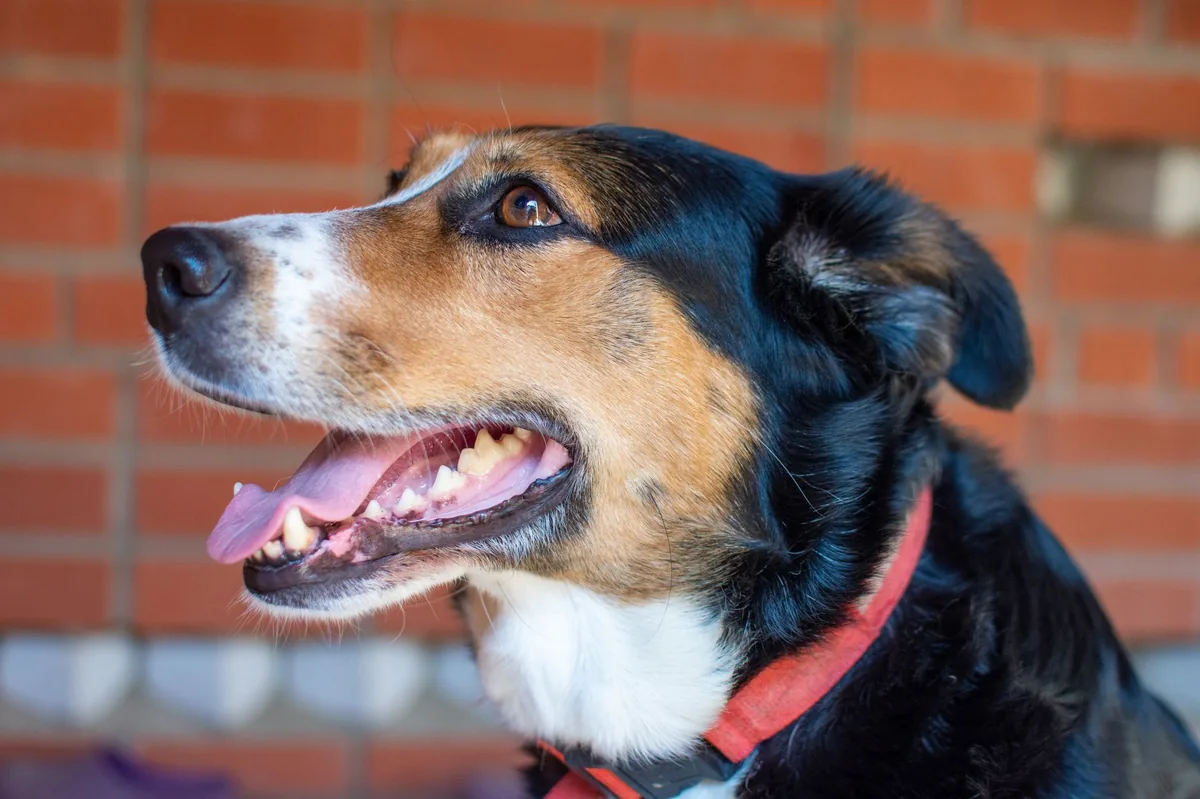
| Moderate (tartar & gingivitis) | Yellow‑brown tartar, red swollen gums, mild bad breath, occasional chewing reluctance |
| Severe (periodontitis) | Deep gum recession, loose teeth, pus or blood, severe halitosis, weight loss, excessive drooling |
Other red‑flag signs include pawing at the mouth, facial swelling, and visible blood on the chew toy or food bowl. If your dog starts refusing hard foods or seems to chew on one side only, it’s often a sign of pain.

When to call your vet
Call your vet today if you notice any of the following:
- Bad breath that doesn’t improve with brushing.
- Visible tartar or red gums.
- Reluctance to chew or a change in eating habits.
- Pawing at the mouth or facial swelling.
Go to an emergency veterinary hospital right now if you see:
- Bleeding from the mouth or a broken tooth.
- Severe swelling, drooling, or difficulty swallowing.
- Signs of systemic illness such as fever, vomiting, or lethargy.
These guidelines are for information only; they do not replace a professional examination.
How vets diagnose it
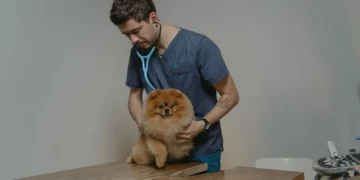
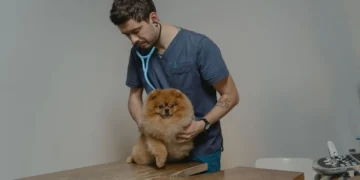
When you bring your dog in, the veterinarian will start with a thorough oral exam. This includes:
- Visual inspection: Checking each tooth for plaque, tartar, cracks, and gum color.
- Dental probe: A thin instrument used to feel beneath the gums for pockets of infection.
- Radiographs (X‑rays): Under general anesthesia, the vet can see the bone loss around each tooth, which is invisible to the naked eye.
- Blood work: May be recommended to assess overall health, especially if infection is suspected to have spread.
These diagnostics help the vet stage the disease, decide on treatment, and estimate prognosis.
Treatment options
Medical treatment
Most dental disease requires a professional cleaning under anesthesia. During the procedure the vet will:
- Scale away plaque and tartar above and below the gum line.
- Polish the teeth to make future plaque adherence harder.
- Prescribe antibiotics (e.g., amoxicillin‑clavulanic acid) if an infection is present.
- Use anti‑inflammatory drugs such as carprofen to control pain and swelling.
Ask your vet about these options if your dog shows moderate to severe gum disease. The exact medication will be tailored to your dog’s weight and health status.
Supplements and supportive care
While supplements cannot replace a cleaning, they can support oral health:
- Omega‑3 fatty acids (EPA/DHA): Reduce gum inflammation; found in fish‑oil capsules or high‑quality dog foods.
- Coenzyme Q10: An antioxidant that may help with periodontal health, though evidence is modest.
- Probiotics: Certain strains (e.g., Lactobacillus reuteri) may lower oral bacterial counts when added to the diet.
Only add supplements after discussing them with your vet, especially if your dog is on other medications.
Procedures or surgery
In advanced cases, teeth that are heavily infected may need extraction. The procedure is performed under general anesthesia, followed by suturing of the gum tissue. Recovery usually involves a soft‑food diet for 7–10 days and a short course of pain medication. Costs can vary widely, but most owners in the U.S. see a range of $300–$800 per extracted tooth, while in the UK it’s roughly £250–£600.
Diet and nutrition
What you feed your dog plays a big role in oral health. The goal is to provide nutrition that supports overall well‑being while also mechanically cleaning the teeth.
Foods that help:
- Dental‑specific kibble: Larger kibble pieces that require chewing can scrape plaque off the tooth surface. Look for products approved by the Veterinary Oral Health Council (VOHC) – they have met strict standards for reducing tartar.
- Raw or fresh‑food diets: Crunchy raw meaty bones (never weight‑bearing bones) can naturally floss teeth, but they must be size‑appropriate and supervised to avoid fractures.
- Low‑carbohydrate, high‑protein formulas: Fewer sugars mean less bacterial growth in the mouth.
Foods to limit or avoid:
- Soft, moist foods that stick to teeth (e.g., canned dog food without a crunchy component).
- Human treats high in sugar or starch, such as cookies, bread, or grapes.
- Large, hard bones that can cause tooth fractures.
When a dog is recovering from a dental procedure, a soft diet is essential. Options include boiled chicken, rice, and a high‑quality wet diet that is low in carbohydrates. Transition gradually over a few days, mixing a small amount of the regular kibble with the soft food to keep the mouth stimulated.
Here’s a quick reference for feeding decisions:
| Feeding Situation | Do | Limit | Avoid |
|---|---|---|---|
| Daily maintenance | VOHC‑approved kibble, raw meaty bones (supervised) | Soft treats, human snacks | Large hard bones, sugary foods |
| Post‑procedure (7‑10 days) | Boiled chicken, rice, canned pumpkin, soft commercial diet | Dry kibble (unless softened) | Any crunchy treats, raw bones |
| Senior dogs with gum disease | Moist, highly digestible protein, omega‑3 enriched foods | Large kibble pieces | High‑carb, high‑sugar diets |
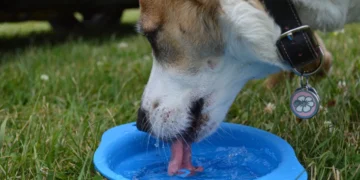
Don’t forget to keep fresh water available at all times; good hydration supports saliva production, which naturally helps cleanse the mouth.
Cost and prognosis
Professional dental cleaning in the United States typically costs between $300 and $700, depending on the clinic, anesthesia length, and whether extractions are needed. In the United Kingdom, the range is £200–£500. Additional procedures such as extractions add $150–$400 per tooth (or £120–£350). Many pet insurance plans cover a portion of dental cleanings, especially if the disease is medically necessary rather than purely preventive. Check your policy’s “dental” clause for specifics.
When caught early, periodontal disease is highly manageable, and most dogs return to normal chewing within a few weeks. Advanced disease that has caused bone loss may require multiple extractions, and the long‑term prognosis depends on your dog’s overall health. Studies from the American College of Veterinary Internal Medicine (ACVIM) suggest that proper dental care can improve lifespan by up to 10 % in senior dogs, largely because it reduces systemic inflammation.
Prevention and home care
Preventing dental disease is a daily commitment, but it can be simple:
- Brush regularly: Use a dog‑specific toothbrush and toothpaste (never human toothpaste). Aim for at least three times a week; daily is ideal.
- Dental chews: Offer VOHC‑approved chews that are designed to reduce plaque.
- Routine veterinary exams: Schedule a dental check‑up at least once a year, or every six months for breeds prone to gum disease.
- Water additives: Some products contain enzymes that help break down bacterial biofilm; discuss with your vet before use.
- Monitor signs: Keep an eye on breath, gum color, and chewing behavior. Quick intervention stops problems from escalating.
For owners who find brushing challenging, start slow: let your dog lick the toothpaste, then gently rub the brush on a few teeth, gradually increasing coverage. Pair the session with praise or a favorite treat to create a positive association.
Our community forum is full of tips from owners who’ve mastered daily brushing—feel free to join the conversation.
From our vet team: Consistency beats intensity. A quick, 30‑second brush each day does more for your dog’s teeth than a lengthy, occasional deep clean. Pair that habit with a VOHC‑approved chew, and you’ll dramatically lower the risk of periodontal disease.
Key takeaways
- Dental disease is common; early signs include bad breath, tartar, and chewing reluctance.
- Professional cleaning under anesthesia is the gold standard for removing plaque and treating gum infection.
- Daily brushing, dental chews, and a VOHC‑approved diet keep plaque from forming.
- Regular veterinary dental exams (at least yearly) catch problems before they affect overall health.
- Costs vary, but many insurance plans cover cleaning and extractions; budget $300‑$800 for a basic cleaning in the U.S.
- If you see bleeding, severe swelling, or a broken tooth, seek emergency care immediately.
Myth vs. fact
Myth: Bad breath is normal for all dogs.
Fact: While dogs do have a natural “doggy” scent, persistent or foul‑smelling breath often signals gum disease or infection and should be evaluated.
Myth: Dental cleanings are optional if you brush at home.
Fact: Brushing removes surface plaque, but a professional cleaning can reach below the gum line and detect hidden problems that a home routine can’t.
Myth: Raw diets alone keep a dog’s teeth clean.
Fact: Raw bones can help, but they don’t replace the need for regular vet exams and may pose fracture risks if not chosen carefully.
Frequently asked questions
What causes bad breath in dogs?
Bad breath, or halitosis, usually stems from bacterial buildup on the teeth and gums. It can also be a sign of periodontal disease, dental abscesses, or systemic issues like kidney disease. Good oral hygiene and regular vet checks are the best defenses.
How can I tell if my dog has a tooth infection?
Look for swelling, pus, or bleeding around a tooth, as well as pain when chewing. A dog may also hold its head to the side or paw at the mouth. If you suspect an infection, contact your vet promptly for an exam and possible antibiotics.
When should I schedule a dental cleaning for my dog?
Most veterinarians recommend a professional cleaning at least once a year. Dogs with high‑risk breeds (small breeds, brachycephalic) or a history of gum disease may need cleanings every six months.
Are there any home remedies for dog dental pain?
Cold compresses applied to the cheek can reduce swelling, and a soft diet eases chewing. However, pain relief should be prescribed by a vet; over‑the‑counter human meds can be toxic to dogs.
What is the average cost of a dog dental extraction?
In the United States, extracting a single tooth typically costs $300–$400, while multiple extractions can raise the total to $1,000 or more. Prices vary by region and clinic. Insurance may cover part of the expense if the extraction is medically necessary.
Which dog breeds are most likely to develop gum disease?
Small breeds such as Yorkshire Terriers, Chihuahuas, and Toy Poodles, as well as brachycephalic breeds like Bulldogs and Pugs, have a higher incidence of periodontal disease due to tighter jaws and more plaque accumulation.
Ask the PuppaDogs community
Have a question this article didn’t fully answer? Want to compare notes with other dog owners who’ve been through this? Our community forum is moderated by experienced owners and vets — and answers tend to come fast. Ask in the PuppaDogs community →
References
- American Veterinary Medical Association (AVMA). “Dental Disease in Dogs” – AVMA Guidelines, 2023.
- American Animal Hospital Association (AAHA). “Dental Health Care Protocols for Dogs”, 2022.
- Veterinary Oral Health Council (VOHC). “Approved Dental Products List”, 2024.
- Merck Veterinary Manual. “Periodontal Disease” chapter, 12th edition, 2021.
- American College of Veterinary Internal Medicine (ACVIM). “Impact of Oral Health on Systemic Disease”, Journal of Veterinary Internal Medicine, 2022.
- Cornell University College of Veterinary Medicine. “Canine Dental Care” – Online Resource, accessed 2024.
- World Small Animal Veterinary Association (WSAVA). “Guidelines for Dental Extractions”, 2023.
- PetMD. “Dental Chews and Their Efficacy”, 2023.
- American Animal Hospital Association (AAHA). “Dental Anesthesia Safety Guidelines”, 2022.


