







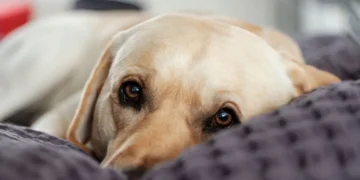





Quick take: Bulging eyes, or exophthalmos, is a condition where the eye protrudes from its socket. It can signal anything from a benign infection to a serious tumor, so prompt veterinary evaluation is essential. Treatment ranges from medication to surgery, and costs vary widely.
It’s 9 p.m., you’re scrolling through pet forums, and the golden retriever you adopted last month is staring at the hallway with one eye looking like a tiny marble. The eye seems larger, maybe a little watery, and you’re suddenly worried you’ve missed a sign of something dangerous. You’re not alone—many owners first notice a bulging eye when their dog’s usual sparkle is replaced by a strange, uneven glow.
We understand how unsettling that moment feels. While the sight can be alarming, the good news is that the cause is often treatable, especially when caught early. In this guide we’ll explain what bulging eyes (exophthalmos) are, why they happen, what to look for, how vets figure out the underlying problem, and what you can expect in terms of treatment, cost, and long‑term care.
By the end you’ll know when to act, what questions to ask your veterinarian, and how to help your pup recover comfortably. Let’s dive in.
What is bulging eyes in dogs?
Bulging eyes, medically called exophthalmos, describe a forward displacement of the globe (the eyeball) beyond the bony orbit. In simple terms, the eye sticks out more than normal. This can be temporary—like from swelling—or permanent, depending on the cause. Exophthalmos differs from proptosis (where the eye actually slips out of the socket) and from glaucoma (which is increased pressure inside the eye that can also cause a “bulging” appearance but comes with a different set of symptoms).
Exophthalmos is not a disease itself; it’s a sign that something is affecting the orbit. According to the Merck Veterinary Manual, it occurs in dogs of any age, but certain breeds and conditions make it more common. While occasional mild swelling may resolve on its own, persistent protrusion usually warrants veterinary attention.
What causes bulging eyes?
The underlying reasons fall into several categories. Below is a concise overview of the most frequent culprits.
| Category | Typical Causes | Notes |
|---|---|---|
| Neoplasia (tumors) | Orbital lymphoma, mast cell tumor, metastatic cancer | More common in middle‑aged to senior dogs; certain breeds (e.g., Boxers) have higher risk. |
| Inflammation & infection | Orbital cellulitis, abscesses, fungal infections (e.g., Aspergillus) | Often follows trauma or a dental infection. |
| Endocrine disorders | Canine hyperthyroidism (rare), Cushing’s disease | Systemic disease can cause tissue swelling around the eye. |
| Trauma | Blunt force, scratches, or bite wounds | May lead to hemorrhage or swelling within the orbit. |
| Congenital or structural | Breed‑related shallow eye sockets (brachycephalic breeds) | Bulldogs, Pugs, and Shih Tzus often have a naturally more protruding eye. |
Other less common triggers include allergic reactions, retrobulbar (behind the eye) cysts, and vascular abnormalities. The exact cause determines the urgency and type of treatment required.
Signs and symptoms
Owners typically notice a visual change first, but accompanying signs help gauge severity.
| Severity | Early / Mild | Moderate | Severe |
|---|---|---|---|
| Appearance | Eye looks slightly larger, mild swelling | Noticeable protrusion, visible eyelid edema | Marked bulge, eye may be displaced or partially out of socket |
| Discharge | Clear or slightly mucoid | Yellowish or bloody | Profuse hemorrhagic discharge |
| Pain | Occasional squinting | Frequent rubbing, reluctance to be touched | Severe pain, vocalization, head shaking |
| Vision | Normal | Intermittent vision loss | Complete blindness in the affected eye |
Additional red flags include excessive tearing, swelling of the surrounding tissues, fever, or a change in behavior such as lethargy or aggression when the eye is handled.
When to call your vet
Call your vet today if you notice any of the following:
- Visible eye protrusion that didn’t appear overnight.
- Swelling, redness, or discharge around the eye.
- Your dog is squinting, rubbing the eye, or seems uncomfortable.
- Any change in vision (e.g., bumping into objects).
Go to an emergency veterinary hospital right now if you see any of these signs:
- Sudden, severe pain (the dog whines, cries, or refuses to move).
- Bleeding from the eye or surrounding tissues.
- Rapid swelling that is spreading quickly.
- Signs of systemic illness—fever, vomiting, or collapse.
These red flags can indicate an acute infection, a ruptured globe, or a rapidly growing tumor that needs immediate care.
This article provides general information and is not a substitute for professional veterinary advice.
How vets diagnose bulging eyes
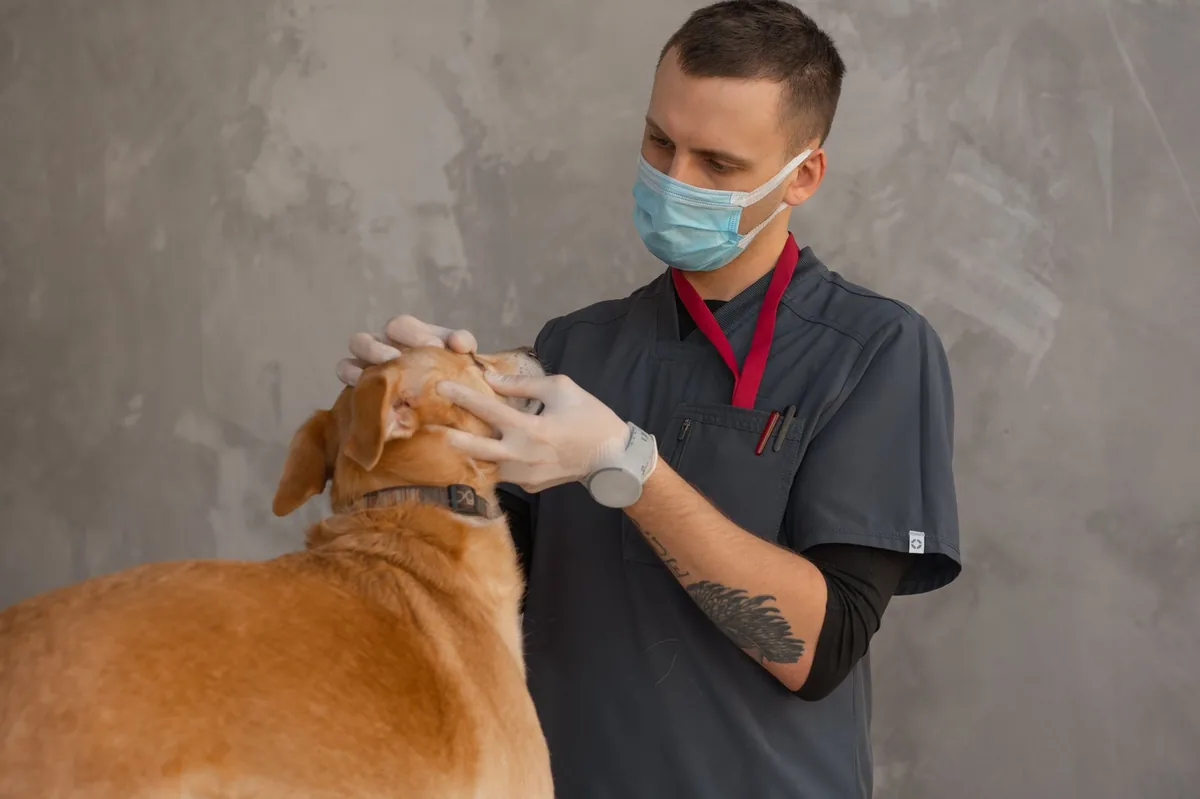
A thorough work‑up begins with a detailed history—when the protrusion started, any recent injuries, and any other systemic signs. The physical exam includes:
- External eye exam: checking for discharge, corneal ulcers, and the degree of protrusion.
- Palpation of the orbit: feeling for masses or fluid pockets.
- Neurologic assessment: ensuring the cranial nerves are functioning.
Diagnostic tests often include:
- Blood work: complete blood count and chemistry panel to look for infection, inflammation, or endocrine disease.
- Imaging:
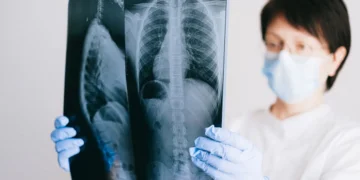
- Radiographs (X‑rays) give a quick view of bone involvement.
- CT (computed tomography) or MRI provides detailed images of soft‑tissue masses, cysts, or abscesses.
- Fine‑needle aspirate or biopsy: a sample from any mass for cytology or histopathology, helping to differentiate cancer from infection.
- Thyroid panel: if hyperthyroidism is suspected, especially in older dogs.
The AAHA recommends that any sudden ocular change be evaluated within 24 hours to prevent permanent damage.
Treatment options
Medical treatment
When the cause is infectious or inflammatory, drugs are the first line. Common classes include:
- Antibiotics: broad‑spectrum agents such as amoxicillin‑clavulanate to treat bacterial cellulitis.
- Antifungals: itraconazole or fluconazole for fungal infections (e.g., Aspergillus).
- Anti‑inflammatories: corticosteroids (prednisone) to reduce swelling; your vet will taper the dose based on response.
- Immunosuppressants: cyclosporine or azathioprine for immune‑mediated orbital disease.
Ask your vet about these options; dosing is always weight‑based and adjusted for your dog’s overall health.
Supplements and supportive care
While supplements do not cure the underlying cause, they can aid recovery:
- Omega‑3 fatty acids (EPA/DHA): found in fish oil, these help reduce inflammation and support ocular surface health.
- Vitamin C and E: antioxidant vitamins may assist tissue healing, especially after surgery.
- Probiotics: maintain gut health if your dog is on antibiotics, helping to prevent secondary GI upset.
Only introduce supplements after discussing them with your vet, as some can interfere with medications.
Procedures or surgery
If a tumor, cyst, or severe abscess is identified, surgical intervention may be required. Typical procedures include:
- Orbital exenteration: removal of the affected eye and surrounding tissue; usually a last‑resort option when vision cannot be saved.
- Mass excision: removal of a localized tumor or cyst, often followed by radiation therapy if the pathology is malignant.
- Drainage of abscesses: a minimally invasive procedure to evacuate pus and reduce pressure.
Recovery from orbital surgery can take 2–4 weeks, during which the dog may need pain medication, eye ointments, and restricted activity. Estimated costs range from $1,500–$5,000 in the United States, depending on the complexity, hospital stay, and whether advanced imaging was required. In the United Kingdom, typical fees are £1,200–£3,500. These figures are averages; your vet will provide a personalized estimate.
Diet and nutrition
Nutrition alone won’t reverse a bulging eye, but the right diet can support healing, reduce inflammation, and help manage any underlying systemic disease. Below are evidence‑based recommendations.
Focus on highly digestible protein. After surgery or during infection, the body needs amino acids to rebuild tissue. Foods labeled “limited ingredient” or “high‑quality protein” (e.g., chicken, turkey, or salmon) are easier on the gut and supply the building blocks for recovery.
Control sodium and excess minerals. If your dog has Cushing’s disease or kidney involvement, a diet lower in sodium helps prevent fluid retention that could worsen orbital swelling. Prescription renal diets (e.g., “renal support”) meet this need without sacrificing protein quality.
Anti‑inflammatory fats. Adding a fish‑oil supplement (providing 1,000 mg EPA/DHA per day for a 20‑lb dog) can dampen inflammation. Look for kibble that already contains added omega‑3s, or ask your vet about a high‑quality fish oil.
Antioxidant‑rich foods. Vitamin C, vitamin E, and beta‑carotene help combat oxidative stress, especially after surgery. Some commercial diets include these antioxidants; otherwise, a small amount of cooked carrot or pumpkin can be mixed in.
Avoid raw bones and high‑fat treats. While many owners feed raw, bone fragments can cause oral trauma or gastrointestinal upset, complicating recovery. High‑fat treats may increase inflammation and weight, putting extra strain on the cardiovascular system, which can indirectly affect orbital pressure.
Hydration matters. Adequate water intake supports overall health and helps the kidneys clear any medication metabolites. If your dog is reluctant to drink, offer fresh water in a shallow bowl or add a splash of low‑sodium broth.
Below is a quick reference for feeding decisions while your dog is recovering.
| Do feed | Limit | Avoid |
|---|---|---|
| High‑quality, highly digestible protein (chicken, turkey, fish) | Treats >10 % of daily calories | Raw bones, high‑fat jerky, processed snacks |
| Omega‑3 enriched kibble or fish‑oil supplement | Excessive oil (can cause diarrhea) | High‑sodium canned foods |
| Prescription renal or gastrointestinal diet if indicated | Sudden diet changes (switch over 7–10 days) | Any food that triggers allergies (known to the owner) |
Transition to a new diet gradually over a week to avoid gastrointestinal upset. If your dog is on medication that irritates the stomach, feeding smaller, more frequent meals can improve tolerance.
For personalized nutrition guidance, consider using our dog health calculators or speaking with a veterinary nutritionist.
Cost and prognosis
Financial considerations are an important part of any treatment plan. Below are typical cost ranges for the most common interventions in the United States and United Kingdom. All figures are estimates; actual costs depend on your dog’s size, location, and specific needs.
| Procedure | US Estimate | UK Estimate |
|---|---|---|
| Initial exam + blood work | $150–$300 | £80–£150 |
| Dental X‑ray or CT scan | $250–$600 | £150–£400 |
| Antibiotic/antifungal therapy (2‑4 weeks) | $100–$250 | £70–£150 |
| Surgical mass removal (simple) | $1,500–$3,000 | £1,200–£2,500 |
| Orbital exenteration (complex) | $3,500–$5,500 | £2,800–£4,500 |
Prognosis varies with the underlying cause. Inflammatory or infectious cases have a good outlook if treated promptly—most dogs regain normal eye appearance within weeks. Tumors carry a more guarded prognosis; malignant cancers may require adjunctive radiation or chemotherapy, and survival rates depend on tumor type and stage.
Overall, early detection and treatment improve both quality of life and cost‑effectiveness. Regular eye checks can catch subtle changes before they become emergencies.
Prevention and home care
While you can’t control every factor, you can reduce the risk of orbital problems with a few proactive steps:
- Regular eye inspections: During grooming, gently lift the eyelids and look for redness, swelling, or discharge. A quick check takes less than a minute.
- Protective gear for active dogs: If your dog loves rough play or hikes, consider a soft eye shield or a wide‑brimmed hat to guard against debris and trauma.
- Dental health: Poor dental disease can spread infection to the orbit. Brush teeth weekly or use dental chews approved by the VOHC.
- Vaccination and parasite control: Keep up with core vaccines and flea/tick preventives to avoid infections that could affect the eyes.
- Weight management: Overweight dogs have higher blood pressure, which can exacerbate orbital swelling in some endocrine disorders.
- Routine veterinary exams: Annual exams (or bi‑annual for seniors) allow vets to screen for thyroid or adrenal issues that might indirectly cause eye swelling.
If you notice any early signs, schedule a check‑up promptly. For breed‑specific advice—especially for brachycephalic breeds like Bulldogs, Pugs, or Shih Tzus—consult our expert team for tailored recommendations.
Vet’s note
From our vet team: “When a dog’s eye suddenly bulges, my first priority is to rule out an infection or tumor because those conditions can progress quickly. I always start with blood work and imaging, then tailor treatment to the cause. Owners who catch the problem early often see a full return to normal eye appearance, especially when we can start antibiotics or anti‑inflammatories within 24 hours.”
Key takeaways
- Bulging eyes (exophthalmos) are a sign of underlying disease and need prompt veterinary evaluation.
- Common causes include tumors, infections, trauma, and endocrine disorders; breed predisposition exists for brachycephalic dogs.
- Red‑flag symptoms—severe pain, rapid swelling, bleeding, or vision loss—require immediate emergency care.
- Treatment ranges from antibiotics and anti‑inflammatories to surgical removal of masses; costs vary widely.
- Supportive nutrition—high‑quality protein, omega‑3s, and low‑sodium foods—helps recovery and reduces inflammation.
- Regular eye checks, dental care, and weight management are practical ways to lower the risk of future orbital problems.
Myth vs. fact
Myth: A bulging eye always means cancer.
Fact: While tumors are a serious cause, infections, trauma, and hormonal disorders are also common and often treatable.
Myth: You can treat a bulging eye at home with eye drops.
Fact: Home eye drops may soothe irritation but will not address the underlying cause; veterinary care is essential.
Myth: Once the eye looks normal, the problem is solved.
Fact: Even after the swelling subsides, follow‑up exams and possibly imaging are needed to ensure the underlying disease has been fully resolved.
Frequently asked questions
What does a bulging eye look like in a dog?
The eye appears larger than the other side, often with a visible bulge of the white sclera and possible eyelid swelling. You may also see excess tearing or discharge.
Can bulging eyes be a sign of cancer in dogs?
Yes, tumors such as orbital lymphoma or mast cell tumors can cause the eye to push forward, but infections, trauma, and endocrine diseases are also frequent culprits. Only a vet can determine the exact cause.
How quickly should I see a vet if my dog’s eye is bulging?
Schedule an appointment within 24 hours for any new protrusion. If the dog shows severe pain, bleeding, or rapid swelling, go to an emergency veterinary hospital immediately.
Are there any home remedies for bulging eyes in dogs?
While you can gently clean discharge with a damp cloth, true treatment requires veterinary‑prescribed medication or surgery. Home care should focus on keeping the area clean and monitoring for worsening signs.
Will my dog lose vision from a bulging eye?
Vision loss can occur if the protrusion compresses the optic nerve or damages the cornea. Early treatment often preserves sight, but severe or prolonged cases may lead to permanent blindness.
What surgeries are available for treating bulging eyes in dogs?
Options include mass excision, drainage of abscesses, or orbital exenteration (removal of the eye and surrounding tissue) for advanced tumors. Your vet will discuss the best approach based on the diagnosis and your dog’s overall health.
Ask the PuppaDogs community
Have a question this article didn’t fully answer? Want to compare notes with other dog owners who’ve been through this? Our community forum is moderated by experienced owners and vets — and answers tend to come fast. Ask in the PuppaDogs community →
References
- American Animal Hospital Association (AAHA). “Guidelines for Eye Examinations in Dogs.” 2023.
- American Veterinary Medical Association (AVMA). “Recognizing Ocular Emergencies.” 2022.
- Merck Veterinary Manual. “Exophthalmos (Bulging Eye) in Dogs.” Updated 2024.
- World Small Animal Veterinary Association (WSAVA). “Management of Orbital Tumors.” 2023.
- Cornell University College of Veterinary Medicine. “Canine Orbital Cellulitis.” 2022.
- Veterinary Ophthalmology, 5th Edition. “Differential Diagnosis of Exophthalmos.” 2021.
- American College of Veterinary Internal Medicine (ACVIM). “Thyroid Disease and Ocular Signs.” 2022.
- UC Davis School of Veterinary Medicine. “Dietary Recommendations for Dogs Recovering from Surgery.” 2023.
- Veterinary Partner (by VIN). “Understanding Canine Eye Tumors.” 2022.
- Veterinary Ophthalmology. “Glaucoma vs. Exophthalmos: Clinical Distinctions.” 2021.


