








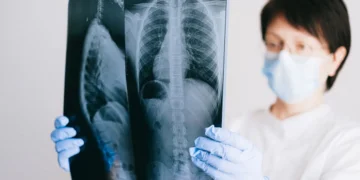





Quick take: A broken bone in a dog is a fracture of any skeletal bone, ranging from a hairline crack to a shattered limb. Most fractures can be treated successfully, but the seriousness depends on the bone involved, the dog’s age, and whether surrounding tissues are damaged. Prompt veterinary care, proper imaging, and a tailored recovery plan give the best chance for a full return to activity.
It’s 11 p.m., and your 7‑year‑old Golden Retriever, Marley, is limping noticeably toward the kitchen. She whines as she tries to step onto the tile, and when you lift her paw you notice a faint, dark line across the side of the leg. Your heart races, and the first thing you do is Google “broken bone in dogs.” The flood of information feels overwhelming, but you need to know: is this an emergency? How do you help her tonight, and what will the road to recovery look like?
We get it. Seeing a beloved companion in pain triggers a mix of fear and urgency. The good news is that fractures are common—especially in active or senior dogs—and most heal with proper veterinary treatment. Below we walk through what a fracture actually means, how to spot it, what your vet will do, and how you can support healing at home, from diet to safe‑play tips.
Read on for a step‑by‑step guide that covers the signs, diagnostics, treatment options, costs, and prevention strategies you need to feel confident about caring for a dog with a broken bone.
What is a broken bone in dogs?
A broken bone, or fracture, is a break in the continuity of a bone’s structure. In dogs it can range from a thin, hairline crack (often called a “greenstick” fracture) to a complete break where the bone fragments into several pieces. Vets classify fractures by pattern:
- Simple (closed) fracture: The bone is broken but the overlying skin remains intact.
- Comminuted fracture: The bone shatters into three or more pieces.
- Compound (open) fracture: The bone pierces the skin, exposing the fracture site to the environment.
According to the American College of Veterinary Surgeons (ACVS), fractures account for roughly 15 % of all orthopedic injuries seen in dogs, making them one of the most common reasons owners visit an emergency clinic.

What causes it?
Fractures can happen to any dog, but certain factors raise the risk. Below is a quick overview of the most common causes and predispositions.
| Category | Typical Causes / Risk Factors |
|---|---|
| Trauma | Falls from height, car accidents, being stepped on, or blunt force during play. |
| Age‑related bone weakness | Osteoporosis or decreased bone density in senior dogs, especially small breeds. |
| Breed predisposition | Large, fast‑growing breeds (e.g., Great Danes, Irish Setters) and brachycephalic breeds with weaker forelimbs. |
| Metabolic disease | Hyperparathyroidism, vitamin D toxicity, or chronic steroid use that thin the bone. |
| Nutrition | Calcium or phosphorus imbalances, especially in growing puppies on homemade diets lacking proper supplementation. |
Signs and symptoms
Fractures can look similar to sprains or soft‑tissue injuries, but there are tell‑tale signs that point to a broken bone.
| Severity | Typical Signs |
|---|---|
| Mild | Hesitant gait, limping, favoring a limb, slight swelling, or a faint line felt under the skin. |
| Moderate | Visible deformity (bone out of line), moderate swelling, bruising, audible “crack” when moving, pain on palpation. |
| Severe | Obvious bone protrusion (open fracture), severe swelling, inability to bear weight, pale gums, rapid breathing, shock. |
Key red‑flag signs that often accompany serious fractures include:
- Sudden, uncontrolled bleeding from an open wound.
- Unresponsiveness or marked lethargy.
- Vomiting, especially if the fracture is in the rib cage (which can affect breathing).
- Difficulty breathing or a rapid heart rate.
Even a seemingly minor limp can hide a hidden fracture, especially in small breeds or puppies. If you suspect a break, treat the situation as an emergency until you can see a vet.

When to call your vet
Call your vet today if you notice any of the following:
- Persistent limp or refusal to bear weight.
- Swelling, bruising, or a visible line on the bone.
- Pain when the area is touched.
- Decreased appetite or mild lethargy that lasts more than a few hours.
Go to an emergency veterinary hospital right now if you see any of these life‑threatening signs:
- Open wound with exposed bone.
- Severe bleeding that won’t stop.
- Signs of shock: pale gums, rapid breathing, weak pulse, or collapse.
- Difficulty breathing (possible rib fracture) or sudden inability to move.
These recommendations are for guidance only; they do not replace a hands‑on examination by a licensed veterinarian.
How vets diagnose it
Veterinary diagnosis begins with a thorough history: when the injury occurred, how it happened, and what you observed. The physical exam includes gentle palpation of the limb, checking for pain, swelling, and any deformity.
Imaging is the gold standard:
- X‑rays: The most common first step. Two views (lateral and AP) give a clear picture of the fracture pattern.
- CT scan: Provides 3‑D detail, especially useful for complex or small‑bone fractures (e.g., carpal or vertebral). The ACVS notes CT’s superiority for planning surgical implants.
- MRI: Rarely needed for straightforward fractures but valuable if soft‑tissue injury (muscle, ligament) is suspected.
Blood work may be recommended to assess overall health, especially in senior dogs, because anesthesia and surgery require a stable internal environment.
Treatment options
Medical treatment
Even when surgery is required, medical therapy supports pain control and inflammation reduction. Common drug classes include:
- NSAIDs (non‑steroidal anti‑inflammatory drugs): such as carprofen or meloxicam, to manage pain and swelling.
- Opioids: like tramadol or buprenorphine for severe acute pain, usually for a short period.
- Antibiotics: prescribed when an open fracture risks infection (e.g., amoxicillin‑clavulanate).
- Anti‑inflammatories (corticosteroids): rarely used for fractures because they can impair bone healing; they’re reserved for specific cases under vet guidance.
Ask your vet about these options; they will tailor the regimen to your dog’s size, age, and fracture severity.
Supplements and supportive care
Adjunctive supplements can aid bone healing, though they are not a substitute for proper veterinary treatment.
- Omega‑3 fatty acids (EPA/DHA): reduce inflammation and support joint health. Look for a high‑quality fish‑oil supplement with at least 500 mg EPA per dose.
- Calcium and phosphorus: Essential minerals, but only in the correct ratio (1.2:1 to 1.4:1). Most commercial diets already meet this need; extra supplementation is usually unnecessary.
- Vitamin D3: Helps calcium absorption; deficiency is rare in dogs fed complete diets.
- Glucosamine and chondroitin: May improve comfort in joints near the fracture site, especially for large‑breed dogs.
Always discuss supplement choices with your vet to avoid over‑supplementation, which can cause other health issues.
Procedures or surgery
When a fracture is unstable, misaligned, or involves a joint, surgical fixation is often recommended. Common techniques include:
- Internal fixation: Placement of plates, screws, or pins directly onto the bone to hold fragments together.
- External fixation: Pins are inserted through the skin and connected to an external frame; useful for very severe or contaminated wounds.
- Intramedullary pins (IM pins): A metal rod placed inside the bone’s canal; popular for long‑bone fractures like femur or tibia.
Post‑operative care typically involves pain medication, limited activity, and a follow‑up X‑ray to confirm proper healing. Recovery time varies but most dogs regain functional use of the limb within 8‑12 weeks.
Diet and nutrition
Nutrition plays a pivotal role in bone repair. While you don’t need a prescription “fracture diet,” feeding a balanced, high‑quality diet that supplies adequate protein, calories, and key micronutrients will give your dog the building blocks it needs to rebuild bone tissue.
Here are the nutritional priorities for a dog recovering from a fracture:
- Protein: Aim for 22–30 % of the diet on a dry‑matter basis. High‑quality animal proteins (chicken, turkey, fish, beef) provide the amino acids required for collagen synthesis.
- Calorie density: Healing is energy‑intensive. Senior dogs may need 10–20 % more calories than maintenance, while growing puppies may need even more. Monitor weight to avoid under‑ or over‑feeding.
- Calcium and phosphorus: Maintain the ideal ratio (1.2–1.4 : 1). Most commercial complete foods meet this; avoid “homemade” diets unless formulated by a veterinary nutritionist.
- Vitamin D: Supports calcium absorption. Most AAFCO‑approved foods contain appropriate levels; supplemental vitamin D is rarely needed.
- Omega‑3 fatty acids: 500–1,000 mg EPA/DHA per day can moderate inflammation and may enhance bone healing.
- Antioxidants (vitamins C & E): Help limit oxidative stress during tissue repair. Fresh fruits like blueberries (in moderation) are a safe source of vitamin C for dogs.
Below is a quick reference for what to feed, limit, or avoid while your dog’s fracture heals.
| Do feed | Limit | Avoid |
|---|---|---|
| High‑protein commercial kibble or wet food (AAFA‑approved) | Table scraps high in fat | Raw bones that could splinter |
| Cooked lean meats (no seasoning) | High‑salt treats | Excessive calcium supplements |
| Omega‑3 fish oil (vet‑approved dosage) | High‑carb “filler” foods | Chocolate, grapes, onions, or any toxic foods |
When transitioning to a new diet, do it gradually over 5–7 days to avoid gastrointestinal upset. Mix a small amount of the new food with the current diet, increasing the proportion each day.
Hydration is also critical. Encourage fresh water intake, and consider adding low‑sodium broth to meals if your dog is a picky eater.
For dogs with special needs (e.g., senior dogs with kidney disease), your vet may recommend a therapeutic diet such as a “joint‑support” or “renal” formula that still meets the protein and mineral requirements for bone healing.
Cost and prognosis
Financial considerations are a real part of caring for a fractured dog. Below is a rough cost breakdown (U.S. and U.K. estimates) based on typical cases. Prices vary by region, clinic, and complexity of the fracture.
| Item | U.S. (USD) | U.K. (GBP) |
|---|---|---|
| Emergency exam & triage | $150–$300 | £120–£250 |
| X‑ray (2‑view) | $100–$250 | £80–£180 |
| CT scan (if needed) | $500–$1,200 | £400–£900 |
| Surgical fixation (plates, screws, anesthesia) | $2,000–$5,500 | £1,500–£4,000 |
| Post‑op meds (pain, antibiotics) | $100–$250 | £80–£200 |
| Rehabilitation (physio, hydrotherapy) | $300–$800 | £250–£650 |
Most dogs with uncomplicated fractures have a good prognosis. The American Veterinary Medical Association (AVMA) reports survival rates above 95 % for clean, surgically repaired long‑bone fractures in otherwise healthy dogs. Senior dogs or those with multi‑system injuries may have a more guarded outlook, but even then, many regain a functional quality of life with proper care.
Prevention and home care
While accidents happen, you can reduce the risk of fractures with a few proactive steps:
- Maintain a healthy weight: Overweight dogs place extra stress on joints and bones, increasing fracture risk during falls.
- Provide safe play environments: Remove slippery rugs, secure stairs with non‑slip treads, and avoid high‑rise furniture that dogs might jump from.
- Regular exercise: Build muscle strength to support skeletal health, especially in senior dogs. Low‑impact activities like short walks and gentle swimming are ideal.
- Bone‑strengthening nutrition: Feed a balanced diet rich in high‑quality protein, calcium, phosphorus, and omega‑3s. Consider a joint supplement for older dogs.
- Routine veterinary checks: Annual exams can catch early signs of osteoporosis or metabolic disease that weaken bones.
- Protective gear for high‑risk activities: For working or sporting dogs (e.g., agility, hunting), consider protective booties or pads.
After a fracture, home care focuses on keeping your dog comfortable and preventing re‑injury. Keep the recovery area quiet, limit stairs, and use a confined space (crate or small room) for the first few weeks. Follow your vet’s instructions on leash walks and physical therapy, and monitor for any swelling or new pain.
From our vet team: “Every fracture tells a story about a dog’s lifestyle and health. By catching the injury early, providing the right imaging, and following a tailored rehab plan, most dogs bounce back to their favorite activities—often stronger than before. Keep an eye on your pup’s pain cues, stay on top of nutrition, and don’t hesitate to ask questions at each vet visit.”
Key takeaways
- Any sudden limp, swelling, or visible line on a bone warrants a veterinary evaluation right away.
- Simple fractures may heal with splints or casts, but complex or open breaks often need surgical fixation.
- High‑quality protein, balanced minerals, and omega‑3 fatty acids support bone healing; avoid raw bones that could splinter.
- Typical treatment costs range from a few hundred dollars for basic care to several thousand for surgery and rehab.
- Prevent future fractures by maintaining a healthy weight, providing a safe environment, and keeping up with regular vet check‑ups.
Myth vs. fact
Myth: A dog can heal a broken leg without any veterinary care if it seems “minor.”
Fact: Even hairline fractures need proper imaging and pain management; untreated breaks can lead to mal‑union, chronic pain, or life‑threatening complications.
Myth: All broken bones require surgery.
Fact: Many simple, stable fractures heal well with external splints or casts; surgery is reserved for unstable, displaced, or open fractures.
Myth: Home remedies like wrapping a leg with tape are safe.
Fact: Improper bandaging can cause circulation loss, swelling, or further injury. Always let a vet place a splint or cast.
Frequently asked questions
What are the most common signs of a broken bone in dogs?
Most owners first notice a sudden limp, swelling, or a visible crack on the limb. Pain when the area is touched, an abnormal angle of the limb, or an inability to bear weight are also common indicators.
How do veterinarians diagnose a fracture in a dog?
Vets start with a physical exam and then use X‑rays for most fractures. For complex or small‑bone breaks, a CT scan provides detailed 3‑D images, while MRI is reserved for cases where soft‑tissue damage is suspected.
When is surgery required for a dog’s broken bone?
Surgery is recommended for fractures that are displaced, involve joints, are compound (open), or affect weight‑bearing bones like the femur or tibia. Your vet will discuss the benefits of internal fixation versus conservative management based on the fracture pattern.
What is the typical recovery time for a dog after a fracture?
Most dogs regain functional use of the affected limb in 8–12 weeks. Full bone remodeling can take up to six months, so gradual increase in activity and follow‑up X‑rays are important.
How much does it cost to treat a broken leg in a dog?
Costs vary widely. Basic emergency care and X‑rays may run $250–$550, while surgical fixation can add $2,000–$5,500. Rehabilitation and medications add another $400–$1,000. Check our cost calculator for a personalized estimate.
Can I prevent bone fractures in my senior dog?
Yes. Keeping a healthy weight, providing slip‑free flooring, using ramps instead of jumps, feeding a balanced diet rich in calcium and omega‑3s, and scheduling regular vet check‑ups can all reduce fracture risk in older dogs.
Ask the PuppaDogs community
Have a question this article didn’t fully answer? Want to compare notes with other dog owners who’ve been through this? Our community forum is moderated by experienced owners and vets — and answers tend to come fast. Ask in the PuppaDogs community →
References
- American College of Veterinary Surgeons (ACVS). “Fracture Management in Small Animals.” 2022.
- American Veterinary Medical Association (AVMA). “Bone Fracture Guidelines for Dogs.” 2021.
- Merck Veterinary Manual. “Bone Fractures, Dogs.” Updated 2023.
- Cornell University College of Veterinary Medicine. “Orthopedic Injuries in Dogs.” 2022.
- American Animal Hospital Association (AAHA). “Nutrition for Healing and Recovery.” 2023.
- World Small Animal Veterinary Association (WSAVA). “Guidelines on Imaging Techniques for Orthopedic Cases.” 2022.
- British Veterinary Association (BVA). “Cost of Veterinary Surgery for Dogs.” 2023.


