











Quick take: Brain injury in dogs can range from mild concussion to severe traumatic brain injury. Signs include changes in behavior, coordination, or consciousness, and urgent veterinary care is essential. Treatment may involve medication, surgery, and rehabilitation, with costs varying widely. Early detection and prevention are key to improving outcomes.
It’s 9 p.m., and you’ve just noticed your usually‑boisterous Border Collie, Max, is staring blankly at the hallway wall, his tail limp and his head tilted oddly. You’re scrolling through articles, heart pounding, wondering if his recent tumble off the couch could have caused something more serious than a bruised nose.
We get it—any sudden change in a dog’s behavior feels like a personal emergency. The good news is that brain injuries, while serious, are often treatable if caught early. In this guide we’ll explain what brain injury in dogs really means, how to spot the warning signs, what diagnostics your vet will run, treatment pathways, expected costs, and how to keep your pup safe in the future.
Read on for a step‑by‑step roadmap, from the first red‑flag symptom to the long‑term rehab plan that gets your dog back to tail‑wagging again.
What is brain injury in dogs?
Brain injury in dogs, also called a traumatic brain injury (TBI) when caused by external force, refers to any damage to the brain tissue, blood vessels, or surrounding membranes. This can result from a blow to the head, a rapid deceleration, or an internal event like a stroke or tumor. The injury may be “primary” (the immediate mechanical damage) or “secondary,” which involves swelling, bleeding, or inflammation that develops hours to days later.
While exact prevalence is hard to pin down, the American College of Veterinary Internal Medicine (ACVIM) estimates that up to 10 % of dogs presenting for emergency care have some form of head trauma. Mild concussions are common but often go unnoticed; more severe injuries are less frequent but carry a higher risk of lasting neurological deficits.
What causes it?
Brain injury can arise from several sources. Below is a quick overview of the main categories and typical risk factors.
| Cause | Typical scenarios | Risk factors |
|---|---|---|
| Trauma | Falls, car accidents, dog‑dog fights, blunt impact (e.g., hitting a doorframe) | Active dogs, outdoor activities, lack of safe play space |
| Stroke (cerebrovascular accident) | Ischemic (blocked blood flow) or hemorrhagic (bleeding) events | Older dogs, breeds predisposed to clotting disorders (e.g., Miniature Schnauzer) |
| Neoplasia (brain tumors) | Primary brain tumors or metastatic cancer | Middle‑aged to senior dogs, breeds with higher cancer rates (e.g., Boxers) |
| Infectious disease | Protozoal (e.g., Neospora), bacterial meningitis | Immunocompromised dogs, exposure to contaminated environments |
Signs and symptoms
Brain injury can affect many functions. Early detection hinges on watching for subtle changes before they become dramatic.
| Severity | Typical signs |
|---|---|
| Mild (concussion) | Temporary disorientation, brief loss of balance, slight head tilt, mild lethargy |
| Moderate | Persistent head tilt, unsteady gait, circling, vomiting, seizures, altered pupil size |
| Severe | Unresponsiveness, coma, uncontrolled seizures, severe ataxia, inability to stand, abnormal breathing |
Other red flags include:
- Sudden change in behavior or personality (e.g., aggression, confusion)
- Uneven or “wobbly” walking, falling over obstacles that were easy before
- Blindness or abnormal eye movements (nystagmus)
- Excessive drooling or facial muscle weakness
When to call your vet
Call your vet today if you notice any of the following after a head incident:
- Persistent head tilt or unsteady gait lasting more than an hour
- Vomiting, repeated seizures, or changes in consciousness
- Pupil size differences, facial droop, or inability to walk
Go to an emergency veterinary hospital right now if your dog is:
- Unresponsive or completely collapsed
- Having continuous seizures (more than 5 minutes)
- Showing severe breathing difficulty or bleeding from the nose/ears
This article is for informational purposes only and does not replace professional veterinary care. If you’re ever in doubt, contact your vet or an emergency clinic immediately.
How vets diagnose brain injury
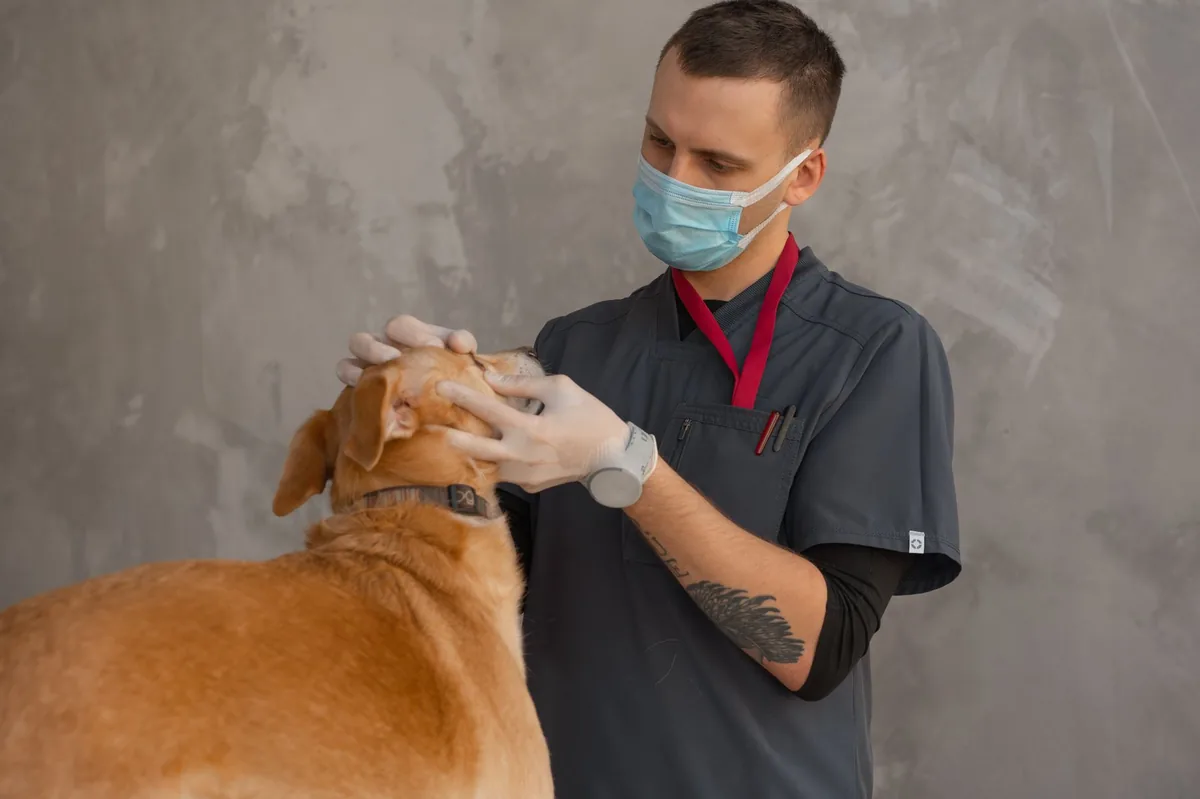
Diagnosis starts with a thorough history: what happened, when the symptoms began, and any previous medical issues. The physical exam focuses on neurological assessment—checking reflexes, pupil response, and gait.
Key diagnostic tools include:
- Blood work: Looks for infection, clotting disorders, or metabolic problems that could mimic brain injury.
- Advanced imaging:
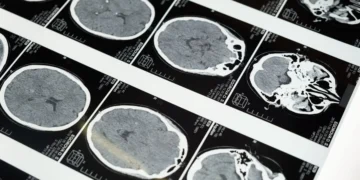
- CT scan (computed tomography) quickly detects skull fractures and acute bleeding.
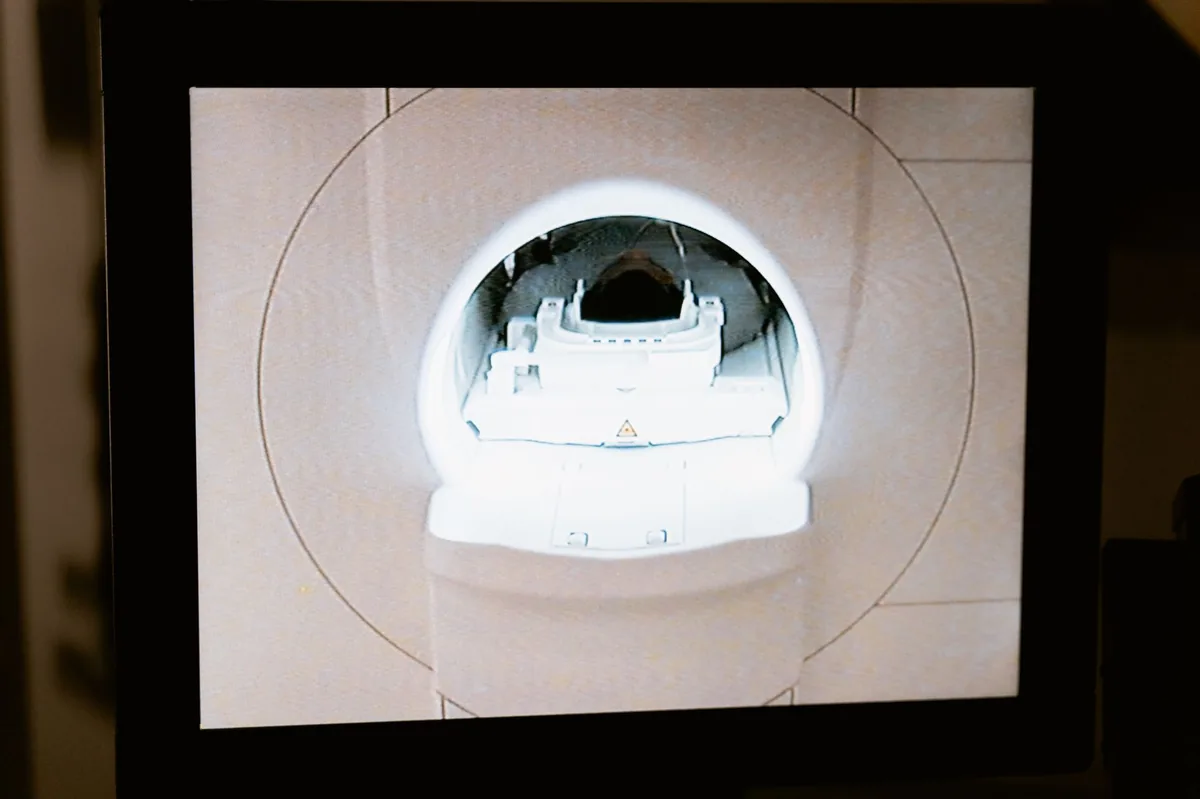
- MRI (magnetic resonance imaging) provides detailed images of brain tissue, useful for detecting contusions, edema, or tumors.
- CSF analysis: Sampling cerebrospinal fluid can reveal infection or inflammation.
- Electroencephalogram (EEG): Occasionally used for seizure evaluation.
These tests help the vet determine the type, location, and severity of the injury, shaping the treatment plan.
Treatment options
Medical treatment
Most brain injuries start with medical management to control swelling, pain, and secondary complications.
- Anti‑inflammatory drugs such as dexamethasone (a corticosteroid) are commonly used to reduce cerebral edema. Your vet will dose based on your dog’s weight and severity.
- Osmotic agents like mannitol help draw fluid out of the brain, decreasing pressure.
- Anticonvulsants (e.g., phenobarbital, levetiracetam) are prescribed if seizures occur.
- Antibiotics are given if an infection is suspected.
All medication choices should be discussed with your veterinarian; ask your vet about each option.
Supplements and supportive care
Adjunctive nutraceuticals can aid recovery, though they’re not a substitute for veterinary treatment.
- Omega‑3 fatty acids (EPA/DHA): Shown to reduce inflammation and support neuronal health. A high‑quality fish‑oil supplement is a good choice.
- Antioxidants (vitamin E, selenium): May help protect brain cells from oxidative stress after trauma.
- Probiotics: Maintaining gut health can improve overall immunity, which is valuable during recovery.
Consult your vet before adding any supplement to ensure it won’t interfere with prescribed drugs.
Procedures or surgery
When imaging reveals a space‑occupying bleed, skull fracture, or tumor, surgical intervention may be recommended.
- Craniotomy: Opening the skull to evacuate a hematoma or repair a fracture.
- Tumor resection: Removing a primary brain tumor when feasible.
- Shunt placement: For chronic hydrocephalus (excess fluid buildup).
Recovery from brain surgery typically involves a 2‑week intensive hospital stay, followed by several weeks of at‑home monitoring. Costs can range from $3,000 to $10,000 USD (≈ £2,200‑£7,500 GBP) depending on the procedure, facility, and geographic location.
Diet and nutrition
Nutrition plays a pivotal role in brain repair. While no single “brain‑injury diet” exists, certain dietary principles support healing and reduce inflammation.
| Do feed | Limit | Avoid |
|---|---|---|
| Highly digestible protein (e.g., boiled chicken, low‑fat turkey) | High‑salt foods (can increase fluid retention) | Excessive fats and fried treats (may exacerbate inflammation) |
| Omega‑3 rich foods (salmon, sardines, fish oil supplement) | Simple carbohydrates (white rice, corn) | Artificial additives, preservatives, and grain‑heavy kibble |
| Antioxidant‑rich fruits/veggies (blueberries, pumpkin, sweet potato) | Excessive protein (can stress kidneys if underlying disease) | Chocolate, caffeine, grapes/raisins (toxic to dogs) |
For dogs recovering from a brain injury, a high‑quality, highly digestible diet with moderate protein (20‑25 % of calories) and added omega‑3 fatty acids is recommended. Prescription renal or neuro‑support formulas (e.g., “neurological support diet”) can be considered, but we avoid brand endorsements.
Feeding tips:
- Offer small, frequent meals (3–4 times daily) to prevent nausea.
- Warm the food slightly to enhance aroma, encouraging appetite.
- Gradually transition to new food over 7–10 days to avoid gastrointestinal upset.
- Provide fresh water at all times; hydration supports cerebral blood flow.
Cost and prognosis
Financial considerations vary widely. Below are typical US and UK cost ranges for common services, based on AAHA and veterinary practice surveys.
| Service | US (USD) | UK (GBP) |
|---|---|---|
| Initial emergency exam | $150‑$300 | £120‑£250 |
| CT scan | $800‑$1,200 | £600‑£900 |
| MRI | $1,200‑$2,500 | £1,000‑£2,000 |
| Hospitalization (per day) | $500‑$1,000 | £350‑£700 |
| Brain surgery (e.g., craniotomy) | $3,000‑$10,000 | £2,200‑£7,500 |
| Rehabilitation (physical therapy, per session) | $80‑$150 | £60‑£120 |
Prognosis depends on injury severity, location, and how quickly treatment begins. Mild concussions often resolve fully within days to weeks. Moderate injuries have a 50‑70 % chance of meaningful recovery with aggressive therapy. Severe TBI carries a guarded prognosis; some dogs regain basic function, while others may have permanent deficits.
Prevention and home care
Reducing the risk of head trauma is often a matter of simple safety tweaks:
- Secure a safe, non‑slippery walking area; use a harness on steep hills.
- Install pet gates or barriers around stairs and balcony edges.
- Use dog‑friendly helmets for high‑energy activities (e.g., agility, bike‑towing).
- Keep toys appropriate for size and avoid hard, high‑impact balls.
- Maintain a healthy weight—obesity increases the force of falls.
After a diagnosed brain injury, follow these home‑care steps:
- Provide a quiet, low‑stimulus environment for the first 24‑48 hours.
- Monitor vitals: temperature, breathing, appetite, and neurological signs (e.g., gait, pupil size).
- Administer prescribed medications exactly as directed.
- Use a short, non‑slipping leash for bathroom breaks; avoid stairs if possible.
- Schedule follow‑up imaging or re‑checks as your vet advises.
Regular check‑ups (every 2‑4 weeks initially) help track progress and adjust therapy. For ongoing rehabilitation, consider canine physical therapy centers—many offer hydrotherapy, balance boards, and guided exercises.
From our vet team: “The biggest factor in a dog’s recovery is early, consistent care. Even modest injuries can become serious if inflammation isn’t controlled, so don’t wait to call your vet if you notice any wobble or change in behavior after a head bump.”
Key takeaways
- Any sudden change in gait, behavior, or consciousness after a head impact warrants a veterinary call—don’t wait.
- Diagnostics (CT, MRI) are essential for identifying bleeding, fractures, or tumors and guiding treatment.
- Medical management (anti‑inflammatories, osmotic agents, anticonvulsants) is the first line; surgery is reserved for specific cases.
- Supportive nutrition—high‑quality protein, omega‑3s, and antioxidants—helps brain repair and reduces inflammation.
- Costs can range from a few hundred dollars for basic imaging to over $10,000 for complex surgery; discuss options openly with your vet.
- Prevent head injuries by securing the environment, using protective gear for high‑energy activities, and supervising play.
Myth vs. fact
Myth: Dogs always bounce back from a concussion without treatment.
Fact: Even mild brain injuries can cause swelling and secondary complications; veterinary evaluation ensures proper care and reduces the risk of long‑term deficits.
Myth: Brain injuries are only caused by car accidents.
Fact: Falls, play‑related blows, dog fights, strokes, and tumors are all common sources of brain injury in dogs.
Myth: If a dog seems okay after a head bump, there’s no problem.
Fact: Symptoms can be delayed by hours; a watchful eye for subtle signs (head tilt, loss of balance) is crucial.
Frequently asked questions
What are the common symptoms of a brain injury in dogs?
Typical signs include head tilt, unsteady gait, seizures, vomiting, altered consciousness, and abnormal eye movements. Early signs may be mild—just a brief disorientation—while severe injuries cause coma or uncontrolled seizures.
How is a brain injury diagnosed in a dog?
Diagnosis starts with a neurological exam, followed by blood work and imaging. CT scans quickly reveal fractures or bleeding, while MRI provides detailed pictures of tissue damage, tumors, or swelling.
Can a dog survive a traumatic brain injury?
Survival is possible, especially with prompt treatment. Mild to moderate injuries have a good chance of full recovery, while severe injuries carry a guarded prognosis. Early intervention improves outcomes dramatically.
What treatment options are available for dogs with brain injuries?
Medical management (anti‑inflammatories, osmotic agents, anticonvulsants) is first‑line. If imaging shows a bleed or tumor, surgery may be needed. Rehabilitation—physical therapy, hydrotherapy, and supportive care—helps restore function.
How much does brain surgery cost for a dog?
In the United States, brain surgery typically ranges from $3,000 to $10,000, depending on the complexity and facility. In the United Kingdom, costs are roughly £2,200‑£7,500. Discuss financial options and possible insurance coverage with your vet.
Are certain dog breeds more likely to suffer brain injuries?
Breed predisposition is most evident for non‑traumatic causes like strokes (e.g., Miniature Schnauzers) and tumors (e.g., Boxers). Trauma risk is higher in active breeds—Border Collies, Labrador Retrievers, and working dogs—simply because they’re more likely to engage in high‑energy activities.
Ask the PuppaDogs community
Have a question this article didn’t fully answer? Want to compare notes with other dog owners who’ve been through this? Our community forum is moderated by experienced owners and vets — and answers tend to come fast. Ask in the PuppaDogs community →
References
- American College of Veterinary Internal Medicine (ACVIM). “Traumatic Brain Injury in Dogs.” 2022 clinical guideline.
- American Animal Hospital Association (AAHA). “Emergency and Critical Care Standards.” 2023.
- Merck Veterinary Manual. “Brain Injuries, Traumatic.” 2021 edition.
- Veterinary Imaging: Computed Tomography (CT) and Magnetic Resonance Imaging (MRI) of the Canine Brain. Cornell University College of Veterinary Medicine. 2020.
- World Small Animal Veterinary Association (WSAVA). “Guidelines for the Use of Analgesics in Dogs.” 2022.
- American Veterinary Medical Association (AVMA). “Nutritional Management of Neurologic Disease in Dogs.” 2021.
- British Veterinary Association (BVA). “Cost of Veterinary Services: A Survey of UK Practices.” 2022.
- American College of Veterinary Surgeons (ACVS). “Neurosurgery in Small Animals.” 2020.
- UC Davis School of Veterinary Medicine. “Canine Stroke and Cerebrovascular Disease.” 2021.


