













Quick take: Blepharitis in dogs is an inflammation of the eyelid margins that can cause redness, crusty discharge, and irritation. It’s usually manageable with proper veterinary care, topical meds, and good eye hygiene, but severe cases may need surgery and can threaten vision if left untreated.
It’s 9 p.m., and you’re scrolling through your phone while your senior Golden Retriever, Bella, rests her head on the couch. You notice her eyes look a little dull, and a thin, brownish crust clings to the edge of one lid. A quick Google search later, the term “blepharitis” pops up, and a wave of worry washes over you. You’re not sure if this is something you can handle at home or if it needs a vet’s urgent attention.
Many owners experience this exact moment—seeing a subtle change in their dog’s eyes and feeling a mix of concern and uncertainty. The good news is that blepharitis is often treatable, especially when caught early. In this guide we’ll explain what blepharitis in dogs is, how to spot it, why it happens, what your vet will do to diagnose it, and how you can help your dog recover safely and comfortably.
We’ll also cover the costs you might expect, diet tweaks that support eye health, and practical prevention tips to keep those eyelids clean and irritation‑free. By the end, you’ll have a clear plan of action, whether you’re looking after a puppy or a senior companion.
What is blepharitis in dogs?
Blepharitis is an inflammation of the eyelid margins—the thin skin that frames the eye and contains the eyelashes, oil‑producing glands (meibomian glands), and tiny hair follicles. When these structures become irritated, they can swell, redden, and produce a crusty or watery discharge. In dogs, the condition can affect one or both eyes and ranges from a mild, seasonal irritation to a chronic problem that damages the cornea.
The eyelid’s main jobs are to protect the eye, spread tears evenly, and keep debris out. The meibomian glands line the inner edge of the lid and secrete an oily layer that prevents tears from evaporating too quickly. When these glands become blocked or infected, the resulting imbalance often triggers blepharitis.
Blepharitis isn’t rare; studies from the American College of Veterinary Ophthalmologists (ACVO) suggest that up to 15 % of dogs seen for eye exams show some form of eyelid inflammation. Certain breeds—particularly those with long, droopy lids such as the Basset Hound, Cocker Spaniel, and Shih Tzu—are more prone, but the condition can appear in any dog.
What causes blepharitis?
- Infectious agents: Bacterial (Staphylococcus, Pseudomonas) or fungal (Candida) overgrowth on the lid margin.
- Allergies: Environmental allergens (pollens, dust mites), food sensitivities, or contact irritants like shampoo.
- Meibomian gland dysfunction: Blocked or poorly secreting oil glands, often linked to hormonal changes or skin disorders.
- Breed predisposition: Basset Hounds, Cocker Spaniels, Shih Tzus, and Bulldogs have anatomical features that trap debris.
- Systemic disease: Hormonal imbalances (hypothyroidism), autoimmune disorders, or dermatologic conditions (seborrhea).
- Environmental irritants: Smoke, dust, wind, or foreign bodies that constantly rub the eyelid.
Signs and symptoms
| Severity | Typical Signs |
|---|---|
| Mild | Redness along the lid margin, fine crusting, occasional squinting, mild itching. |
| Moderate | Thickened crusts, noticeable discharge (yellow or brown), eyelid swelling, frequent rubbing. |
| Severe | Ulcerated cornea, blurred vision, persistent pain, eyelid deformity, possible secondary infection. |
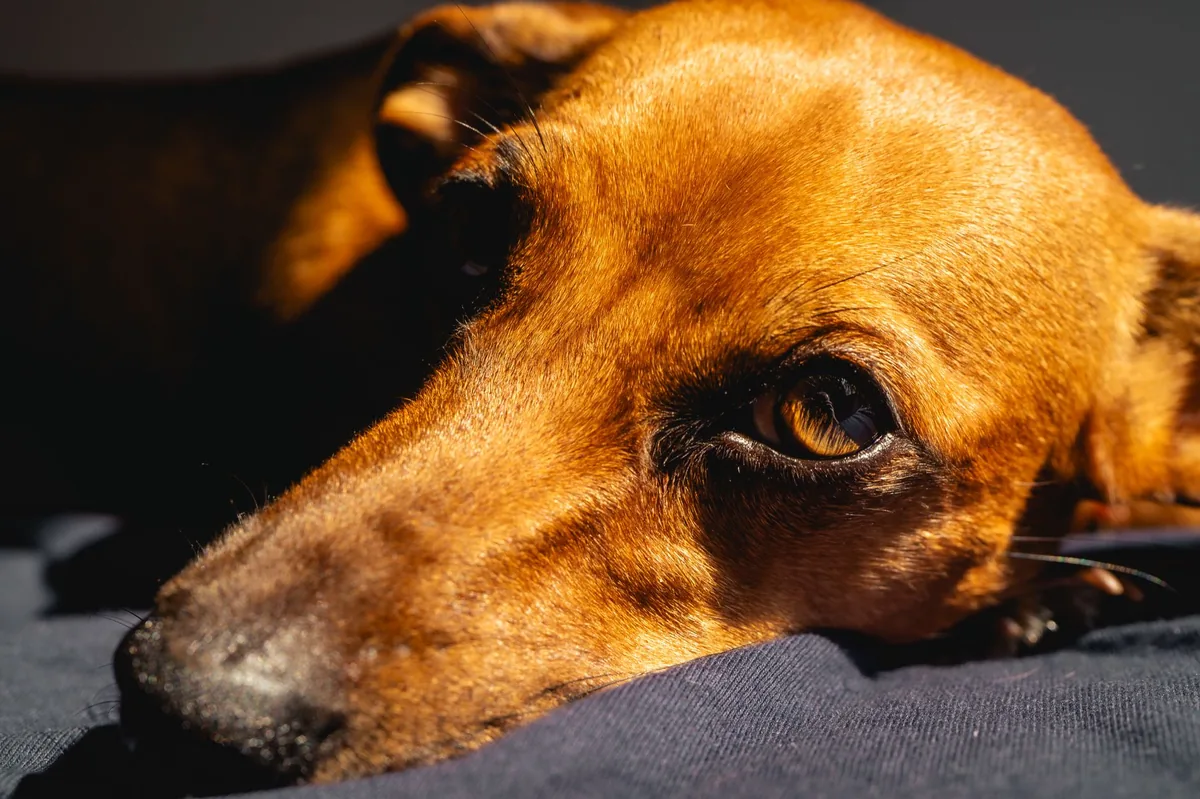
Early blepharitis may just look like a few dry flakes on the eyelid, while more advanced cases can cause the dog to keep the eye closed, develop a “wet” appearance, or even lose sight if the cornea becomes scarred.
When to call your vet
Call your vet today if you notice:
- Persistent crusting or discharge that doesn’t clear with gentle cleaning.
- Eyelid swelling, redness, or any change in eye shape.
- Your dog is rubbing the eye or keeping it partially closed.
- Visible tear staining or a change in the color of the sclera (white part of the eye).
Go to an emergency veterinary clinic right now if you see:
- Sudden cloudiness, severe redness, or a white spot on the cornea.
- Your dog is in obvious pain—pawing at the eye, vocalizing, or refusing to eat.
- Rapid swelling that appears within hours.
This article is for informational purposes only and does not replace professional veterinary advice. If you’re ever unsure, please contact your vet.
How vets diagnose blepharitis
Diagnosing blepharitis starts with a thorough history: the owner’s observations, recent environmental changes, diet, and any known allergies. The veterinarian then performs a detailed eye exam, often using a slit‑lamp microscope to look at the eyelid margin and cornea.
Key diagnostic tools include:
- Fluorescein staining: A dye that highlights corneal ulcers or scratches.
- Tear film breakup time (TBUT): Measures tear stability; a short TBUT can indicate underlying gland dysfunction.
- Cytology or culture: Swabs of the eyelid crust are examined under a microscope or grown in a lab to identify bacteria or fungi.
- Blood work: Often done to rule out systemic diseases like hypothyroidism or autoimmune disorders.
- Skin scrapings: If a dermatologic condition is suspected, the vet may examine skin from the head or ears.
These tests help the vet pinpoint the root cause—whether it’s an infection that needs antibiotics, an allergy that requires antihistamines, or a gland issue that may need more intensive therapy.
Treatment options
Medical treatment
Most cases of blepharitis respond to a combination of topical and systemic medications. Commonly prescribed options include:
- Topical antibiotics: Gentamicin or neomycin‑based eye drops to clear bacterial overgrowth.
- Anti‑inflammatory drops: Cyclosporine ophthalmic solution or corticosteroid eye drops (used short‑term under vet supervision) to reduce swelling.
- Oral antibiotics: Doxycycline or amoxicillin‑clavulanic acid when the infection is more extensive.
- Antifungal agents: If a yeast infection is identified, miconazole or ketoconazole may be recommended.
- Immunosuppressants: In autoimmune‑driven blepharitis, drugs like cyclosporine or tacrolimus can be used, always with veterinary oversight.
All medications should be administered exactly as your vet instructs, and you should always ask your vet about each option to ensure it’s appropriate for your dog’s weight and health status.
Supplements and supportive care
Adjunctive supplements can help restore a healthy tear film and support the skin around the eyes:
- Omega‑3 fatty acids (EPA/DHA): Found in fish oil, these reduce inflammation and improve oil gland function. A daily dose of 20 mg per kilogram of body weight is typical, but ask your vet for the exact amount.
- Vitamin E and lutein: Antioxidants that protect ocular cells from oxidative stress.
- Probiotics: May aid overall skin health, especially if the blepharitis is linked to a gut‑skin axis issue.
Supplements are most effective when the underlying cause (infection or allergy) has been addressed. They are not a stand‑alone cure.
Procedures or surgery
When medication and cleaning can’t control the inflammation, surgical options may be considered:
- Eyelid gland expression: Manual massage of the meibomian glands to release blocked oil.
- Laser ablation or cryotherapy: Targeted removal of chronically inflamed tissue.
- Eyelid reconstruction: In severe cases where the lid margin is damaged, a veterinarian may reshape or trim the eyelid.
These procedures are typically performed under general anesthesia and require a few weeks of post‑op care. In the United States, surgical fees range from $800 to $2,200, while in the United Kingdom they average £600–£1,500.
Diet and nutrition
Nutrition plays a subtle but important role in eye health. While no single “blepharitis diet” exists, feeding a balanced, high‑quality diet that supports skin and gland function can reduce flare‑ups.
Key dietary principles:
- High‑quality protein: Supports tissue repair. Look for named animal proteins (chicken, salmon) as the first ingredient.
- Limited simple carbohydrates: Excess carbs can promote inflammation and skin oiliness.
- Omega‑3 fatty acids: Already mentioned as a supplement, many commercial diets now include fish oil or flaxseed.
- Antioxidant‑rich ingredients: Blueberries, carrots, and sweet potatoes provide vitamin A and lutein, which are beneficial for ocular surface health.
- Controlled sodium: High salt can worsen fluid retention around the eyes.
Prescription therapeutic diets such as “renal support” or “dermatology” formulas often contain enhanced omega‑3s and reduced allergens, making them good choices for dogs with chronic blepharitis. Always transition gradually over 7–10 days to avoid gastrointestinal upset.
| Food choice | Do feed | Limit | Avoid |
|---|---|---|---|
| High‑quality dry kibble | Yes – with named protein and omega‑3s | Low‑fat varieties | Cheap fillers (corn, wheat) |
| Wet or raw meals | Yes – if balanced and safe | High‑fat raw organs | Uncooked fish with thiaminase |
| Supplements | Fish oil, lutein, vitamin E | Excessive vitamin A | High‑dose antioxidants without vet guidance |
When selecting a commercial diet, look for the AAFCO “complete and balanced” statement and, if possible, a “eye health” or “skin health” claim. If your dog has a known food allergy, work with your vet to perform an elimination trial and choose a hypoallergenic formula.
Cost and prognosis
Veterinary costs vary by region, clinic, and severity. Below is a rough estimate for the United States and United Kingdom:
| Item | US (USD) | UK (GBP) |
|---|---|---|
| Initial exam & basic diagnostics | $80–$150 | £60–£120 |
| Topical medication (course) | $30–$80 | £25–£70 |
| Oral antibiotics (if needed) | $20–$45 | £15–£40 |
| Supplements (fish oil, lutein) | $15–$40 | £10–£35 |
| Surgical intervention | $800–$2,200 | £600–£1,500 |
| Follow‑up visits (2–3) | $100–$250 | £80–£200 |
Prognosis is excellent for mild to moderate cases—most dogs recover fully within 2–4 weeks of consistent treatment. Chronic or severe blepharitis that leads to corneal scarring may result in permanent vision loss, but early intervention dramatically reduces that risk.
Prevention and home care
Preventing blepharitis is largely about maintaining clean eyelids and a supportive diet:
- Daily eyelid cleaning: Use a warm, damp cotton ball or a veterinary‑approved eye wipe to gently remove crusts. Start with a short session and reward your dog to make it a positive routine.
- Regular grooming: Keep hair around the eyes trimmed, especially in long‑haired breeds, to reduce irritation.
- Environmental control: Reduce exposure to smoke, dust, and pollen. Air purifiers can help in homes with heavy allergens.
- Routine veterinary eye exams: Incorporate an eye check into your dog’s annual wellness visit; many vets can spot early blepharitis before it becomes problematic.
- Balanced diet with omega‑3s: Consistently feeding a diet rich in EPA/DHA supports healthy oil gland function.
For senior dogs, schedule eye checks every six months, and ask your vet about “eye health” blood panels that include thyroid and lipid profiles.
Cost and prognosis
Overall, the financial commitment for blepharitis depends on the severity and whether surgery is required. Most owners spend between $150 and $350 in the first month for exams, medications, and basic supplies. If surgery becomes necessary, the total cost can rise to $1,000–$2,500.
Prognosis is generally favorable. With diligent home care and follow‑up visits, 85–90 % of dogs regain normal eyelid health within a month. Chronic cases that develop corneal ulcers have a more guarded outlook, but timely treatment still offers a high chance of preserving vision.
Prevention and home care
Maintaining healthy eyelids is a daily habit. Here’s a quick checklist you can keep on your fridge:
- Check your dog’s eyes each morning for redness or crusting.
- Use a warm, damp cloth to clean any discharge.
- Trim facial hair that brushes the eyes.
- Feed a balanced diet with added omega‑3s.
- Schedule a veterinary eye exam at least once a year (twice for seniors).
By integrating these steps, you’ll reduce the chance of blepharitis returning and keep your dog’s gaze bright.
From our vet team: “Blepharitis often starts with something as simple as a stray hair or a minor skin irritation. Early detection and a gentle cleaning routine can prevent a lot of pain. If you notice any crusting, don’t wait—give your vet a call. Most dogs bounce back quickly with the right care.”
Key takeaways
- Blepharitis is an eyelid inflammation that can be mild but may progress to vision‑threatening disease if untreated.
- Look for red, crusty eyelids, swelling, and frequent rubbing as early warning signs.
- Veterinarians diagnose it with a eye exam, fluorescein staining, and sometimes cultures or blood work.
- Treatment typically includes topical antibiotics, anti‑inflammatories, and daily eyelid cleaning; surgery is reserved for chronic cases.
- Support eye health with a balanced diet rich in omega‑3 fatty acids and antioxidants, and keep the eye area clean.
- Call your vet today for any persistent discharge; seek emergency care if the eye looks cloudy or your dog is in pain.
Myth vs. fact
Myth: Blepharitis is always caused by an infection and needs antibiotics.
Fact: While bacterial overgrowth is common, allergies, gland dysfunction, and systemic disease can also trigger blepharitis. Treatment is tailored to the underlying cause.
Myth: Blepharitis is highly contagious between dogs.
Fact: It is not contagious; however, shared environmental irritants or parasites can affect multiple dogs in the same household.
Myth: Once the crust clears, the problem is solved.
Fact: Crust removal is only the first step; ongoing care and addressing the root cause are essential to prevent recurrence.
Frequently asked questions
What causes blepharitis in dogs?
Blepharitis can stem from bacterial or fungal infections, allergies, blocked meibomian glands, breed‑related anatomy, or systemic illnesses like hypothyroidism. The exact trigger varies, so a vet’s workup is key to targeting treatment.
How can I tell if my dog has blepharitis?
The hallmark signs are reddened eyelid margins, crusty or watery discharge, and frequent eye rubbing. A quick home check—gently lift the lid and look for crusts—can help, but a veterinary exam confirms the diagnosis.
Is blepharitis in dogs a serious condition?
Most cases are manageable and resolve with proper care. However, if left untreated, chronic inflammation can damage the cornea and lead to vision loss, making early intervention important.
What home remedies work for canine blepharitis?
Gentle daily cleaning with a warm, damp cotton ball, keeping the hair around the eyes trimmed, and adding omega‑3 supplements to the diet are effective supportive measures. Always discuss any home care plan with your vet.
When should I see a vet for my dog’s eye problems?
Schedule a vet visit if discharge persists for more than 24 hours, the eye looks red or swollen, or your dog is consistently rubbing the eye. Seek emergency care for sudden cloudiness, severe pain, or rapid swelling.
Can blepharitis be cured permanently?
While many dogs achieve long‑term remission with treatment and preventive care, some may experience occasional flare‑ups, especially if underlying allergies or gland issues remain. Ongoing maintenance reduces recurrence.
Ask the PuppaDogs community
Have a question this article didn’t fully answer? Want to compare notes with other dog owners who’ve been through this? Our community forum is moderated by experienced owners and vets — and answers tend to come fast. Ask in the PuppaDogs community →
References
- American College of Veterinary Ophthalmologists (ACVO). “Blepharitis in Dogs” clinical guidelines, 2022.
- American Animal Hospital Association (AAHA). “Canine Eye Health Standards,” 2023.
- Merck Veterinary Manual. “Blepharitis, Canine,” accessed 2024.
- Veterinary Ophthalmology, Gelatt, 6th ed., 2021.
- World Small Animal Veterinary Association (WSAVA). “Guidelines for Ocular Disease,” 2022.
- Cornell University College of Veterinary Medicine. “Canine Eye Examination,” 2023.
- American Veterinary Medical Association (AVMA). “Nutrition for Eye Health in Dogs,” 2023.
- AAFP. “Hypothyroidism and Ocular Signs in Dogs,” 2022.


