














Quick take: A blood clot in the lungs (pulmonary thromboembolism) is a serious but treatable condition in dogs. Prompt veterinary care, often including imaging and anticoagulant therapy, greatly improves the chance of recovery.
It’s 11 p.m., and you’ve just noticed your 8‑year‑old mixed‑breed Labrador isn’t hopping up to greet you at the door. Instead, he lies on his side, breathing shallowly, and his gums look a pale pink, almost gray. Your heart starts racing, and you wonder if “blood clot in the lungs” is something you read online that could be lethal. You grab your phone, search for answers, and brace for a night of worry.
We get it — a sudden change in your dog’s energy or breathing can feel like a medical emergency. While a pulmonary blood clot can be life‑threatening, many dogs survive with the right treatment and supportive care. In this guide we’ll explain what a lung clot is, why it happens, what signs to watch for, how vets diagnose and treat it, what you can do at home, and what to expect financially.
What is a blood clot in the lungs in dogs?
A blood clot in the lungs, medically termed pulmonary thromboembolism (PTE), occurs when a clot that forms elsewhere—most often in the heart or a large vein—breaks free and lodges in the pulmonary artery. This blocks blood flow to part of the lung, reducing oxygen exchange and putting strain on the heart. In dogs, PTE is less common than in humans, but it’s still an important cause of sudden respiratory distress, especially in older or heart‑diseased dogs.
According to the American College of Veterinary Internal Medicine (ACVIM), PTE accounts for roughly 5–10 % of unexplained acute dyspnea (difficulty breathing) cases in veterinary hospitals. While any breed can develop a clot, large breeds with heart disease (e.g., Doberman Pinschers, Boxers) and dogs with underlying clotting disorders are at higher risk.
What causes a blood clot in the lungs?
Clot formation follows Virchow’s triad: abnormal blood flow, hypercoagulability (blood that clots too easily), and vessel wall injury. In dogs, these factors often overlap.
- Heart disease: Dilated cardiomyopathy, atrial fibrillation, or valvular disease can cause blood to pool in the heart chambers, forming clots that travel to the lungs.
- Hypercoagulable disorders: Certain cancers (especially hemangiosarcoma), immune‑mediated diseases, or genetic clotting factor abnormalities increase clotting tendency.
- Trauma or surgery: Recent orthopedic surgery, fractures, or prolonged immobility can trigger clot formation in the legs or abdomen that later embolizes.
- Infectious or inflammatory conditions: Severe infections, pancreatitis, or inflammatory bowel disease can activate clotting cascades.
Signs and symptoms
Because a lung clot cuts off oxygen, the first clues are often respiratory. Early signs may be subtle, while severe blockage leads to crisis.
| Severity | Typical Signs |
|---|---|
| Mild | Occasional rapid breathing, mild cough, slight lethargy, pale gums. |
| Moderate | Persistent rapid breathing, open‑mouth panting, coughing up blood‑tinged foam, reduced appetite, fainting episodes. |
| Severe | Sudden collapse, severe dyspnea, bluish tongue/gums, marked weakness, heart arrhythmias, death if untreated. |
Other systemic clues—such as a sudden increase in heart rate, abdominal swelling (if clots form elsewhere), or signs of pain from an underlying condition—should also raise suspicion.
When to call your vet
Call your regular vet today if you notice:
- Persistent rapid breathing or panting that doesn’t improve with rest.
- New cough, especially if it produces frothy or blood‑tinged sputum.
- Pale or bluish gums, tongue, or nail beds.
- Lethargy, loss of appetite, or fainting spells.
Go to an emergency veterinary hospital right now if you see:
- Sudden collapse or inability to stand.
- Severe difficulty breathing (open‑mouth panting, gasping).
- Blue‑gray discoloration of the tongue or gums.
- Rapid heart rate (>180 bpm in a small dog, >150 bpm in a large dog) with weak pulse.
This information is for educational purposes only and is not a substitute for professional veterinary care.
How vets diagnose a blood clot in the lungs
Diagnosis begins with a thorough history and physical exam. Your vet will listen for abnormal heart or lung sounds and assess your dog’s oxygen saturation with a pulse oximeter.
Key diagnostic tools include:
- Thoracic radiographs (X‑rays): Can reveal a “knuckle‑ball” pattern or sudden change in lung opacity, suggesting a blockage.
- Computed tomography (CT) scan: The gold standard for visualizing clots in the pulmonary arteries; often combined with contrast dye.
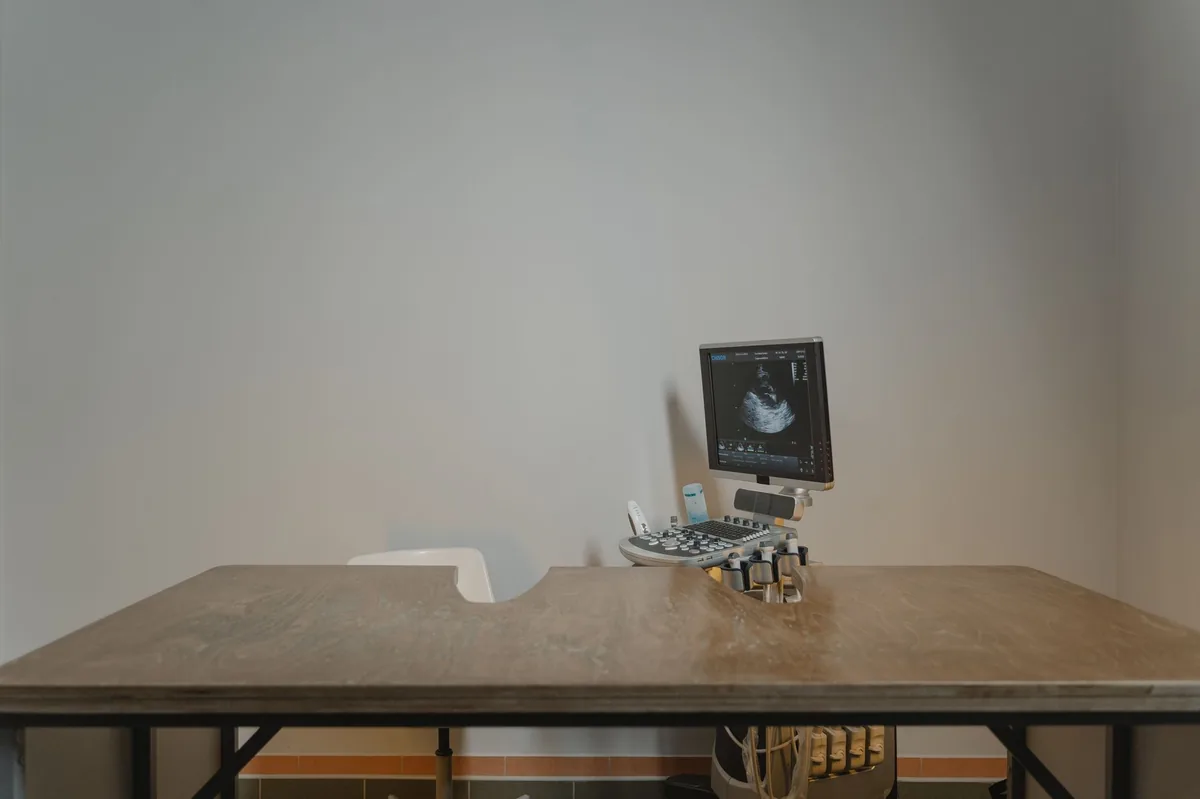
- Echocardiography (heart ultrasound): Helps identify clots in the heart chambers that could embolize.
- Bloodwork: CBC, chemistry panel, D‑dimer test, and coagulation profile assess organ function and clotting tendency.
- Electrocardiogram (ECG): Detects arrhythmias that may accompany or precipitate clot formation.
These tests together give a clear picture of where the clot is, how big it is, and whether underlying disease needs treatment.
Treatment options
Medical treatment
Once a clot is confirmed, the main goals are to dissolve the clot, prevent new clots, and support the lungs and heart.
- Anticoagulants: Drugs such as warfarin or newer direct oral anticoagulants (e.g., apixaban) are prescribed to stop further clotting. Your vet will tailor the dose to your dog’s weight and blood work.
- Thrombolytics: In severe cases, agents like tPA (tissue plasminogen activator) may be given intravenously to actively break down the clot. This is usually reserved for emergency settings.
- Supportive medications: Oxygen therapy, diuretics (e.g., furosemide) for fluid overload, and low‑dose aspirin to keep platelets from aggregating are common.
- Address underlying disease: If heart disease or cancer is the root cause, specific therapies (e.g., chemotherapy, cardiac meds) are started simultaneously.
Always ask your vet about each medication, its purpose, and potential side effects.
Supplements and supportive care
While no supplement can replace clot‑busting drugs, a few may aid recovery:
- Omega‑3 fatty acids (EPA/DHA): Anti‑inflammatory properties may help reduce vascular inflammation. Ask your vet about a high‑quality fish‑oil supplement.
- Vitamin K: Essential for normal clotting; some dogs on long‑term anticoagulants need monitoring to avoid deficiency.
- Probiotics: Maintaining gut health supports overall immunity, especially if your dog is on antibiotics.
These should be used only under veterinary guidance, as they can interact with anticoagulant therapy.
Procedures or surgery
In rare cases where a large clot is lodged in a main pulmonary artery and does not respond to medication, interventional radiology (catheter‑based clot retrieval) may be attempted at specialty centers. The procedure involves threading a tiny device through a vein to snare the clot. Recovery can take several days, and costs often exceed $5,000 USD.
Diet and nutrition
Nutrition plays a supportive role in recovery from a pulmonary clot. While there’s no “clot‑specific” diet, feeding strategies that reduce cardiac workload and promote liver health are beneficial.
Key principles:
- Highly digestible protein: Easy‑to‑absorb protein reduces the burden on the liver and kidneys. Look for labels that say “highly digestible” or “limited ingredient”.
- Moderate sodium: Controlling salt helps prevent fluid buildup that can worsen heart strain. Aim for ≤0.3 % sodium on a dry matter basis.
- Omega‑3 enrichment: As mentioned, EPA/DHA can lessen inflammation and support cardiovascular health.
- Balanced calories: Over‑feeding can exacerbate heart disease; under‑feeding can delay healing. Calculate daily energy needs using a dog calorie calculator.
Foods to favor include:
| Do feed | Limit | Avoid |
|---|---|---|
| Cooked, skinless chicken, turkey, or lean beef; white rice or sweet potato; low‑fat cottage cheese. | High‑fat treats, table scraps, excessive cheese. | Raw organ meats high in vitamin K (e.g., liver) if on anticoagulants; high‑sodium processed foods. |
If your dog has concurrent heart disease, a therapeutic “cardiac” diet (often labeled as “renal‑cardiac support” or “low‑sodium”) may be recommended. These diets are formulated to provide optimal protein quality while limiting sodium and phosphorus.
Transition any new food gradually over 7–10 days to avoid gastrointestinal upset. Start with 25 % new food mixed with 75 % old, then increase the new portion every few days.
Hydration is equally important. Offer fresh water at all times, and consider low‑sodium broth to encourage fluid intake if your dog is reluctant to drink.
Cost and prognosis
Financial considerations vary widely by region, severity, and required diagnostics.
| Expense | US (estimate) | UK (estimate) |
|---|---|---|
| Initial exam & bloodwork | $150–$300 | £80–£150 |
| Thoracic X‑rays | $100–$200 | £70–£130 |
| CT scan with contrast | $800–$1,500 | £600–£1,200 |
| Anticoagulant therapy (first month) | $200–$600 | £150–£400 |
| Hospitalization (ICU, 24‑hr monitoring) | $1,000–$3,000 per day | £800–£2,200 per day |
| Interventional clot removal (if needed) | $5,000–$8,000 | £4,000–£6,500 |
Prognosis depends on clot size, underlying disease, and speed of treatment. Dogs caught early often recover fully, with survival rates reported around 70‑80 % in recent ACVIM studies. Dogs with severe heart disease or large, unresponsive clots have a poorer outlook.
Long‑term management may involve periodic blood tests, repeat imaging, and lifelong anticoagulant medication, especially if the underlying cause cannot be fully resolved.
Prevention and home care
While not all clots are preventable, several daily habits can reduce risk:
- Maintain a healthy weight: Obesity strains the heart and raises clotting risk. Use a body condition calculator to monitor.
- Regular exercise: Gentle, consistent activity promotes circulation. Avoid long periods of immobility after surgery; encourage short walks.
- Routine veterinary check‑ups: Early detection of heart murmurs, arrhythmias, or cancer can prompt preventive therapy.
- Follow medication protocols: If your dog is on anticoagulants, never miss a dose and keep follow‑up labs as advised.
- Watch for warning signs: Keep a log of any coughing, breathing changes, or lethargy and report them promptly.
For dogs with known heart disease, your vet may recommend low‑dose aspirin or other antiplatelet agents as a preventive measure—always discuss the risk‑benefit ratio.
From our vet team: “If you catch a lung clot early, most dogs bounce back with proper medication and supportive care. The biggest hurdle is recognizing the subtle early signs—rapid breathing, faint cough, or a slight pallor. When in doubt, a quick vet call can make all the difference.”
Key takeaways
- Blood clots in the lungs block oxygen flow and can cause sudden breathing trouble; prompt veterinary evaluation is critical.
- Common triggers include heart disease, cancers, trauma, and hypercoagulable disorders; large breeds and older dogs are at higher risk.
- Early signs are rapid breathing, pale gums, and a new cough; severe signs like collapse or bluish gums require emergency care.
- Diagnosis relies on X‑rays, CT scans, heart ultrasounds, and blood tests; treatment centers on anticoagulants, oxygen support, and addressing the root cause.
- Feeding a low‑sodium, highly digestible diet with omega‑3 supplements supports recovery; avoid high‑fat treats and raw liver if on anticoagulants.
- Costs can range from a few hundred dollars for basic work‑up to several thousand for advanced imaging or procedures; prognosis improves with early treatment.
Myth vs. fact
Myth: Only large, athletic dogs get lung clots.
Fact: Any dog can develop a pulmonary clot, but large breeds with heart disease are most commonly affected.
Myth: Once a clot forms, it can’t be dissolved.
Fact: Anticoagulant and thrombolytic medications can break down clots, especially when treatment starts early.
Myth: Home remedies like massage or herbal teas can clear a lung clot.
Fact: Only veterinary‑prescribed drugs and procedures reliably treat PTE; home care should focus on supportive measures and monitoring.
Frequently asked questions
Can a blood clot in the lungs be contagious?
No. Pulmonary thromboembolism is not an infectious disease; it results from internal clot formation, not from a pathogen that spreads between dogs.
How much does treatment usually cost?
Initial diagnostics (exam, bloodwork, X‑rays) typically run $250–$500 USD, while advanced imaging (CT) adds $800–$1,500. Anticoagulant therapy may cost $200–$600 per month. Emergency ICU care can exceed $1,000 per day. Costs vary by region and severity.
What’s the typical recovery time?
Most dogs improve within a few days of starting anticoagulants and oxygen support. Full recovery, including return to normal activity, often takes 2–4 weeks, with follow‑up imaging to confirm clot resolution.
Will my dog need lifelong medication?
If the underlying cause (e.g., chronic heart disease) remains, lifelong anticoagulant or antiplatelet therapy is often recommended. Dogs with a single, isolated clot may be able to taper medication under veterinary supervision.
Can diet help prevent future clots?
While no food can guarantee clot prevention, a balanced diet low in sodium and enriched with omega‑3 fatty acids supports cardiovascular health and may reduce inflammation that contributes to clot formation.
Is surgery ever required?
In rare, severe cases where a large clot does not respond to medication, interventional radiology (catheter‑based clot retrieval) may be performed at specialty centers. This is costly and reserved for life‑threatening situations.
Ask the PuppaDogs community
Have a question this article didn’t fully answer? Want to compare notes with other dog owners who’ve been through this? Our community forum is moderated by experienced owners and vets — and answers tend to come fast. Ask in the PuppaDogs community →
References
- American College of Veterinary Internal Medicine (ACVIM). “Pulmonary Thromboembolism in Dogs.” 2023 clinical guidelines.
- American Animal Hospital Association (AAHA). “AAHA Canine Cardiology Guidelines.” 2022.
- Merck Veterinary Manual. “Pulmonary Thromboembolism.” Updated 2023.
- Veterinary Cancer Society. “Hemangiosarcoma and Coagulopathy.” 2021.
- AVMA. “Guidelines for Anticoagulant Use in Small Animals.” 2022.
- Cornell University College of Veterinary Medicine. “Diagnostic Imaging for Pulmonary Embolism.” 2022.
- World Small Animal Veterinary Association (WSAVA). “Nutrition for Dogs with Cardiovascular Disease.” 2023.
- American Veterinary Medical Association (AVMA). “D‑dimer Test Interpretation in Dogs.” 2021.
- UK Royal College of Veterinary Surgeons (RCVS). “Management of Pulmonary Embolism in Dogs.” 2022.
