










Quick take: Bloat in dogs is a life‑threatening emergency where the stomach fills with gas or fluid and can twist, cutting off blood flow. It progresses fast, so if your dog shows a distended, tight belly, looks uncomfortable, or is drooling excessively, call your vet right now—or head to an emergency clinic. Prompt treatment can save a life, but delayed care often leads to serious complications.
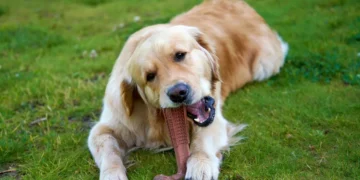
It’s 11 p.m., and you notice your usually‑energetic Golden Retriever, Max, hasn’t touched his water bowl for an hour. His abdomen looks swollen, like a balloon, and he’s whining softly while trying to lie down. Your heart races as you scroll through search results, hoping to find out if this is something you can fix at home. The bottom line: bloat is a medical emergency, and waiting can cost your dog its life.
We’ll walk you through exactly what bloat (also called gastric dilatation‑volvulus, or GDV) is, why it happens, the signs to watch for, and what to do the moment you suspect it. We’ll also cover how vets diagnose and treat GDV, the costs involved, diet tweaks that may lower risk, and steps you can take to prevent it from happening again. By the end, you’ll know how to act fast, what to expect from treatment, and how to keep your dog safe.
What is bloat in dogs?
Bloat in dogs, medically known as gastric dilatation‑volvulus (GDV), occurs when the stomach fills with gas, fluid, or food and then twists on its axis. This twist (volvulus) blocks the exit of the stomach and cuts off blood flow to the stomach wall and sometimes the spleen. Without rapid intervention, tissue can die, leading to shock, organ failure, or death.
GDV is relatively uncommon but serious. Studies from the American College of Veterinary Surgeons (ACVS) estimate that about 1 in 200 large‑breed dogs will experience GDV in its lifetime. The condition is most frequent in deep‑chested breeds—such as Great Danes, Standard Poodles, and German Shepherds—but can affect any dog, especially those over two years old.
What causes bloat in dogs?
GDV results from a combination of anatomical, physiological, and environmental factors. Below are the main contributors:
| Category | Specific Factors |
|---|---|
| Breed & anatomy | Deep‑chested breeds, large size, long esophagus |
| Feeding habits | Large meals, rapid eating, food bowls that allow gulping, dry kibble without water |
| Activity & stress | Intense exercise right after eating, excitement, anxiety |
| Other health issues | Hi‑fat diet, prior gastric surgery, certain medications that reduce gut motility |
While genetics set the stage, many owners can modify feeding and exercise routines to lower risk. The American Veterinary Medical Association (AVMA) notes that no single factor guarantees GDV, but the more risk factors present, the higher the odds.
Signs and symptoms
Early GDV can be subtle, but the condition escalates quickly. Recognizing the progression helps you act before it becomes fatal.
| Stage | Typical Signs |
|---|---|
| Mild | Restlessness, pacing, attempts to vomit but nothing comes out, drooling |
| Moderate | Visible abdominal distension, rapid breathing, panting, whining, decreased appetite |
| Severe | Bloody or frothy vomit, pale gums, weakness, collapse, unresponsiveness |
Key red flags include a hard, swollen belly that feels tight to the touch, and an inability to vomit (the dog may try but nothing comes out). If you notice any of these, treat it as an emergency.
When to call your vet
Call your vet today if you notice a moderately distended abdomen, repeated attempts to vomit without success, drooling, or your dog seems uncomfortable or restless.
Go to an emergency veterinary hospital right now if the abdomen is markedly swollen, the gums are pale or gray, the dog is panting heavily, showing signs of weakness, or you see any vomit that looks foamy, frothy, or contains blood.
This article is for informational purposes only and does not replace professional veterinary care. If you suspect bloat, seek immediate veterinary attention.
How vets diagnose bloat
When you arrive at the clinic, the veterinary team will perform a focused exam and a series of diagnostics:
- History and physical exam: The vet will ask when symptoms started, what your dog ate, and will palpate the abdomen for tension.
- Radiographs (X‑rays): A lateral view often shows a “double‑bubble” or “coffee‑bean” sign—classic indicators of a twisted stomach.
- Abdominal ultrasound: May be used if X‑rays are inconclusive; it visualizes the stomach’s position and blood flow.
- Blood work: A CBC and chemistry panel assess anemia, electrolyte imbalances, and organ function, which guide emergency treatment.
- Electrocardiogram (ECG) or blood gas analysis: In severe cases, these help monitor for cardiac complications.
The combination of a tight belly, radiographic evidence, and clinical signs usually confirms GDV, allowing the team to move quickly to decompression and surgery.
Treatment options
Medical treatment
Initial emergency care focuses on stabilizing the dog before surgery. Common interventions include:
- Oxygen therapy to support breathing.
- IV fluids (often lactated Ringer’s solution) to correct dehydration and electrolyte disturbances.
- Nasogastric or orogastric tube placement to relieve gas and fluid buildup.
- Medications: Antiemetics such as maropitant (Cerenia) to stop vomiting, and analgesics like buprenorphine for pain. Your vet may also use gastroprotectants (e.g., famotidine) to protect the stomach lining.
- Antibiotics are given if there’s concern for bacterial translocation or tissue damage.
All drug choices are tailored to your dog’s weight and condition; ask your vet about each option.
Supplements and supportive care
While surgery is the definitive treatment, certain supplements can aid recovery once your dog is stable:
- Omega‑3 fatty acids (EPA/DHA): May reduce inflammation and support heart health; look for a high‑quality fish‑oil supplement.
- Probiotics: Helpful if your dog has been on antibiotics, to maintain gut flora.
- Vitamin B complex: Can support energy metabolism during the recovery phase, especially if the dog experienced anemia.
Supplements should never replace prescribed medications, but they can be a useful adjunct after your vet clears them.
Procedures or surgery
The definitive cure for GDV is an emergency surgery called gastropexy, where the stomach is tacked to the abdominal wall to prevent future twisting. The typical steps are:
- Decompression of the stomach via a tube to release gas and fluid.
- Assessment of stomach viability; if the tissue is still healthy, the surgeon proceeds.
- Placement of a gastropexy (often a “right‑side” or “incisional” technique).
- Closure and postoperative monitoring in an ICU‑type setting.
Recovery usually involves 24‑48 hours of intensive monitoring, followed by a few weeks of restricted activity. In the United States, the total cost of emergency surgery plus hospital stay typically ranges from $3,500 to $8,500, while in the United Kingdom it averages £2,500–£5,000. These figures are estimates; exact costs depend on location, hospital fees, and any complications.
Diet and nutrition
Feeding practices play a pivotal role in GDV risk. While no diet can guarantee prevention, certain adjustments can lower the odds and help a recovering dog heal more quickly.
Foods to favor
- Highly digestible protein sources: Cooked chicken, turkey, or high‑quality wet diet that’s easy on the stomach.
- Moisture‑rich meals: Adding water or broth to kibble reduces the amount of air swallowed during eating.
- Medium‑size kibble: Smaller pieces are less likely to create a “balloon” effect.
- Fiber‑moderate diets: A modest amount of soluble fiber (e.g., pumpkin puree) can aid gastric emptying without causing excessive gas.
Foods to limit or avoid
- Large, single meals: Feeding once a day encourages the stomach to stretch.
- Dry kibble without water: Dry food alone can lead to rapid gas accumulation.
- High‑fat or high‑protein “gourmet” meals: They delay gastric emptying.
- Table scraps and bones: They can increase swallowing of air and cause obstruction.
Prescription/therapeutic diets
For dogs that have survived GDV, many vets recommend a “controlled‑portion” diet. Commercial therapeutic diets labeled for “gastrointestinal health” or “post‑surgical recovery” often contain moderate protein, added fiber, and enhanced moisture. Brands such as Hill’s Prescription Diet i/d Low‑Residue or Royal Canin Gastrointestinal are commonly used, but any diet should be selected in consultation with your vet.
Feeding schedule and portion control
Split the daily calorie allowance into 2–3 smaller meals rather than one large bowl. Use a measured cup to keep portions consistent. A helpful rule of thumb from the American Animal Hospital Association (AAHA) is to feed no more than 30 % of the daily ration at any one time.
Transition tips
When changing to a new diet, transition over 7–10 days by mixing increasing amounts of the new food with decreasing amounts of the old. This gradual shift helps the gut adjust and reduces gas production.
| Do feed | Limit | Avoid |
|---|---|---|
| Moist, highly digestible protein (cooked chicken, wet diet) | Medium‑size kibble with added water | Large single meals |
| Moderate soluble fiber (pumpkin, canned pumpkin) | High‑fat treats | Dry kibble only, no water |
| Prescription GI diets (as advised) | Table scraps | Cooked bones, raw meaty bones |
By adopting these feeding habits, you’ll reduce the chance of your dog’s stomach filling with gas and twisting. Even if your dog is already at risk because of breed or age, consistent feeding routines are one of the most effective preventive measures.
Cost and prognosis
GDV is one of the most expensive emergencies in veterinary medicine because it often requires surgery, intensive care, and a prolonged recovery. Below are typical cost ranges, keeping in mind that prices vary by region, clinic, and any complications.
| Region | Emergency care (initial stabilization) | Surgery (gastropexy) | Total estimated cost |
|---|---|---|---|
| United States | $800–$1,500 | $2,500–$5,000 | $3,500–$8,500 |
| United Kingdom | £600–£1,200 | £1,800–£3,500 | £2,500–£5,000 |
| Australia | AUD 1,200–2,000 | AUD 3,500–6,000 | AUD 4,700–8,000 |
Prognosis depends on how quickly treatment begins and whether the stomach tissue was compromised. If surgery occurs within a few hours and the stomach remains viable, survival rates are 70–90 % according to the American College of Veterinary Surgeons. Dogs that develop severe tissue necrosis or systemic shock have lower odds and may require additional surgeries or longer ICU stays.
After discharge, most owners spend $200–$400 on follow‑up medications, supplements, and a special diet for the first month. Many pet insurance plans cover a portion of the emergency and surgical fees, so checking your policy can ease the financial burden.
Prevention and home care
While you can’t change a dog’s breed, you can control many environmental factors that contribute to GDV.
- Feed multiple small meals: Split daily calories into 2–3 portions and avoid feeding right before vigorous exercise.
- Use a slow‑feed bowl: These bowls have ridges or mazes that force the dog to eat more slowly, reducing swallowed air.
- Add water to dry kibble: Soak kibble for a few minutes before serving or use a food mixer to blend wet and dry food.
- Limit stress before meals: Calm the environment, avoid high excitement, and give a short walk after eating rather than a run.
- Regular veterinary check‑ups: Discuss GDV risk with your vet, especially if your dog is a deep‑chested breed. Some owners elect preventive gastropexy during spay/neuter surgery.
- Monitor weight: Obesity can increase intra‑abdominal pressure; keep your dog at a healthy body condition score.
For dogs that have already survived GDV, your vet may recommend a prophylactic gastropexy during a routine surgery, which reduces recurrence risk by up to 95 %.
Keep a record of your dog’s feeding schedule, activity level, and any signs of stomach discomfort. This log can help your vet spot patterns and tailor preventive advice.
From our vet team: “If you see a sudden, hard belly and your dog can’t vomit, act fast—time is the difference between life and loss. Even after the crisis, simple daily habits like measured meals and a calm feeding environment make a huge difference in keeping GDV at bay.”
Key takeaways
- Bloat (GDV) is a rapid, life‑threatening emergency; a swollen, tight abdomen and inability to vomit are red flags.
- Call your vet immediately for moderate signs and go to an emergency clinic if the belly is markedly distended, gums are pale, or your dog shows severe distress.
- Prompt surgery (gastropexy) combined with emergency stabilization offers a 70–90 % survival rate when performed early.
- Feed multiple small meals, add water to dry kibble, and use a slow‑feed bowl to lower GDV risk.
- After recovery, a prescription GI diet and controlled activity help the stomach heal and prevent recurrence.
Myth vs. fact
Myth: Only giant dogs get bloat.
Fact: While deep‑chested large breeds are at higher risk, any dog over two years old can develop GDV, especially if feeding habits increase stomach pressure.
Myth: If a dog vomits, the bloat has resolved.
Fact: Vomiting may relieve some pressure, but the stomach can still be twisted; lack of successful vomiting is actually a more concerning sign.
Myth: Home remedies like massage can fix bloat.
Fact: Bloat requires veterinary intervention; attempting to massage or “pop” the stomach can cause tissue damage and worsen the situation.
Frequently asked questions
How much does emergency bloat surgery cost?
In the U.S., total expenses typically range from $3,500 to $8,500, covering stabilization, surgery, and hospital stay; costs vary by region and any complications that arise.
Is bloat contagious?
No, GDV is not an infectious disease. It results from anatomical and environmental factors, not from viruses or bacteria that can spread between dogs.
What is the typical recovery time after GDV surgery?
Most dogs stay in the ICU for 24–48 hours, then transition to a home recovery period of 2–4 weeks with restricted activity and a gentle diet.
Can diet alone prevent bloat?
Dietary changes—like feeding smaller meals, adding water to kibble, and using slow‑feed bowls—significantly lower risk, but they cannot guarantee prevention, especially in high‑risk breeds.
Should I consider a preventive gastropexy?
Many vets recommend a prophylactic gastropexy during spay/neuter for deep‑chested breeds; it’s a relatively quick procedure that dramatically reduces the chance of future GDV.
Ask the PuppaDogs community
Have a question this article didn’t fully answer? Want to compare notes with other dog owners who’ve been through this? Our community forum is moderated by experienced owners and vets — and answers tend to come fast. Ask in the PuppaDogs community →
References
- American College of Veterinary Surgeons (ACVS). “Gastric Dilatation‑Volvulus (GDV) in Dogs.” 2023.
- American Animal Hospital Association (AAHA). “Emergency Care Guidelines for GDV.” 2022.
- American Veterinary Medical Association (AVMA). “Bloat (GDV) Risk Factors and Prevention.” 2021.
- Merck Veterinary Manual. “Gastric Dilatation‑Volvulus.” 2020.
- World Small Animal Veterinary Association (WSAVA). “Nutrition and GI Health in Dogs.” 2022.
- Cornell University College of Veterinary Medicine. “Post‑operative Care after Gastropexy.” 2021.
- British Veterinary Association (BVA). “GDV Management and Costs in the UK.” 2022.
- Veterinary Partner. “Slow‑Feed Bowls and Their Role in Preventing Bloat.” 2023.


