








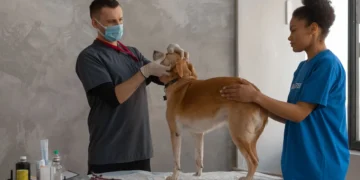





Quick take: Streptococcal bacterial infection in dogs is a treatable but potentially serious condition that often shows up as fever, coughing, or skin lesions. Early detection, prompt veterinary care, and a supportive diet greatly improve outcomes. Most dogs recover fully with appropriate antibiotics and home care, though senior or immunocompromised pets may need closer monitoring.
It’s 9 p.m., and you notice your 7‑year‑old Labrador, Max, isn’t his usual enthusiastic self. He’s lying on the couch, his tongue a little pinker than usual, and when you gently lift his lip you see his gums look paler. A quick Google search later, the words “Streptococcus infection” flash across the screen, and a wave of worry washes over you. You wonder: Is this something that could be fixed with a pill, or is Max in real danger?
We get it. A sudden change in energy, appetite, or breathing can feel like a heart‑stop moment for any dog parent. The good news is that bacterial infections caused by Streptococcus species are common enough that most veterinarians have clear pathways for diagnosis and treatment. In the next few minutes, we’ll walk you through what this infection looks like, how it’s diagnosed, what you can expect in terms of cost and recovery, and practical steps you can take at home to help Max feel better.
By the end of this guide, you’ll know when to call the vet, what questions to ask, and how to support your dog’s healing with the right nutrition and hygiene practices.

What is bacterial infection (Streptococcus) in dogs?
Streptococcus is a genus of gram‑positive bacteria that can cause a range of infections in dogs, from mild skin sores to life‑threatening pneumonia. The most common species affecting dogs are Streptococcus canis and Streptococcus dysgalactiae. These organisms normally live on the skin or in the upper respiratory tract of healthy dogs, but they can become pathogenic when the animal’s immune system is compromised, when there’s a break in the skin, or after surgery.
In veterinary practice, Streptococcal infections account for roughly 5–10 % of bacterial disease cases in dogs, according to the American College of Veterinary Internal Medicine (ACVIM). While any breed can be affected, certain breeds—such as Labrador Retrievers, German Shepherds, and Boxers—are reported more frequently, likely because of their size and activity level.
What causes it?
Streptococcus bacteria can reach a dog’s body through several routes. Understanding these pathways helps you reduce exposure, especially if you have a puppy or a senior dog.
| Transmission route | Typical source | How it spreads |
|---|---|---|
| Direct contact | Another infected dog or a carrier | Sniffing, licking, or playing bite wounds |
| Environmental contamination | Shared bedding, bowls, or grooming tools | Fomites that harbor bacteria |
| Post‑surgical infection | Incision site | Opportunistic bacteria entering through a wound |
| Inhalation | Respiratory droplets | Especially in crowded kennels or shelters |
| Immune compromise | Underlying disease (e.g., diabetes) or stress | Reduces the dog’s ability to fight infection |
Signs and symptoms
Streptococcal infections can involve the skin, respiratory system, joints, or internal organs. Early signs are often vague, but they progress quickly if left untreated.
| Severity | Typical signs |
|---|---|
| Mild | Low‑grade fever, slight cough, mild lethargy, small skin redness or swelling. |
| Moderate | Higher fever (104 °F/40 °C), persistent cough, nasal discharge, loss of appetite, red or ulcerated skin lesions, joint swelling. |
| Severe | Rapid breathing, pneumonia signs (wet cough, difficulty breathing), septic shock (pale gums, rapid heartbeat), abscess formation, vomiting, diarrhea, neurological signs. |
Common organ‑specific clues include:
- Respiratory: Cough, nasal discharge, fever, and in severe cases, pneumonia.
- Skin: Red, warm, painful spots that may ooze pus; sometimes mistaken for a simple wound.
- Joints: Lameness, swelling, and warmth over a joint—often called septic arthritis.
- Systemic: Lethargy, decreased appetite, and a rapid heart rate.

When to call your vet
Call your vet today if you notice any of the following:
- Fever above 103 °F (39.5 °C) or a persistent cough.
- Red, swollen, or oozing skin lesions.
- Loss of appetite lasting more than 24 hours.
- Lethargy or weakness that’s worsening.
- Joint swelling or inability to bear weight.
Go to an emergency veterinary hospital right now if you see:
- Pale, gray, or bluish gums.
- Rapid breathing or difficulty catching breath.
- Vomiting and diarrhea together, especially with blood.
- Sudden collapse, seizures, or unresponsiveness.
This information is for educational purposes only and is not a substitute for professional veterinary care.
How vets diagnose it
Diagnosis begins with a thorough history and physical exam. Your vet will ask about recent surgeries, kennel stays, or contact with other dogs. The exam may reveal fever, cough, or skin changes.
Key diagnostic tools include:
- Blood work: A complete blood count (CBC) can show elevated white blood cells, indicating infection.
- Culture and sensitivity: Swabs from the infected site (e.g., skin ulcer or respiratory secretions) are grown in a lab to identify the exact bacterial species and the antibiotics it’s sensitive to. This step follows the American Animal Hospital Association (AAHA) guidelines for antimicrobial stewardship.
- Chest radiographs (X‑rays): If pneumonia is suspected, X‑rays reveal lung infiltrates or fluid.
- Ultrasound or CT: Used for deep abscesses or joint infections to guide drainage.
- Polymerase chain reaction (PCR): A rapid test that can detect Streptococcus DNA in samples, often employed in specialty labs.
Treatment options
Medical treatment
Antibiotics are the cornerstone of therapy. The most frequently prescribed agents, based on culture results, include:
- Penicillin‑type drugs (e.g., ampicillin, amoxicillin) – first‑line for many Streptococcus strains.
- Cephalosporins (e.g., cefovecin) – useful when a longer‑acting injection is preferred.
- Clindamycin – sometimes added for its good tissue penetration.
In severe cases, especially with pneumonia or septic arthritis, your vet may start intravenous (IV) antibiotics in the clinic and then transition to oral meds at home. Always ask your vet about the specific drug, its duration, and any potential side effects.
Supplements and supportive care
While antibiotics fight the bacteria, supportive supplements can help the immune system and reduce inflammation:
- Omega‑3 fatty acids (EPA/DHA): Shown to modulate inflammation in the lungs and skin. A high‑quality fish‑oil supplement is safe for most dogs.
- Probiotics: Helpful after a course of antibiotics to restore gut flora. Look for strains like Enterococcus faecium that are proven in dogs.
- Vitamin C: In moderate doses, it may aid immune function, but discuss the amount with your vet.
Procedures or surgery
If an abscess or septic joint is present, the vet may need to drain the pocket of pus or perform arthroscopy to flush the joint. These procedures are typically done under general anesthesia, and most dogs recover within 2–3 weeks with proper post‑op care. Costs vary widely; expect a surgical fee ranging from $800 to $2,500 (US) depending on complexity.
Diet and nutrition
Nutrition plays a critical role in recovery from any infection. While there’s no “Streptococcus‑specific” diet, feeding a highly digestible, nutrient‑dense diet helps the immune system focus on healing rather than on processing a heavy meal.
Here are the main principles:
- High‑quality protein: Easily digestible sources such as boiled chicken, turkey, or a commercial senior‑support formula provide the amino acids needed for tissue repair.
- Moderate fat: Omega‑3 enriched fats support anti‑inflammatory pathways without overloading the liver.
- Complex carbohydrates: Cooked sweet potato or rice give steady energy without spiking blood sugar.
- Hydration: Fever and infection increase fluid loss. Offer fresh water frequently, and consider low‑sodium broth as a tasty supplement.
- Limited sodium: If pneumonia is present, excess sodium can worsen fluid accumulation in the lungs.
Foods to avoid or limit include:
- Heavy, fatty meats (e.g., bacon, pork belly) – they can strain the digestive system.
- Highly processed kibble with artificial preservatives – may be harder to digest during illness.
- Raw bones – risk of additional bacterial contamination.
Below is a quick reference for feeding decisions during recovery:
| Food type | Do feed | Limit | Avoid |
|---|---|---|---|
| Cooked lean meat (chicken, turkey) | Yes – 2–3 meals daily | – | – |
| Prescription renal or gastrointestinal diets | If recommended by vet | – | – |
| High‑fat treats | – | Small amounts only | Large portions |
| Raw food diets | – | – | Because of extra bacterial load |
| Hydration sources | Fresh water, low‑sodium broth | – | Milk (lactose intolerant dogs) |
Transition any new food gradually over 5–7 days to avoid gastrointestinal upset. Start with 25 % new food mixed with 75 % old, and increase the new portion each day.
Cost and prognosis
Financial considerations are real, especially when a pet needs hospitalization. Below are typical cost ranges in the United States and United Kingdom (prices are estimates and can vary by clinic, region, and severity):
| Service | US (USD) | UK (GBP) |
|---|---|---|
| Initial exam & basic bloodwork | $150–$250 | £80–£130 |
| Culture & sensitivity test | $100–$200 | £70–£120 |
| Chest X‑ray | $120–$250 | £90–£150 |
| IV antibiotics (3‑day course) | $200–$400 | £130–£250 |
| Oral antibiotics (10‑day course) | $30–$80 | £20–£60 |
| Surgical drainage (if needed) | $800–$2,500 | £600–£1,800 |
Overall, most dogs with uncomplicated Streptococcal infections recover within 10–14 days of treatment. The prognosis is excellent for healthy adults when antibiotics are started early. Senior dogs or those with concurrent illnesses (e.g., heart disease, diabetes) may need longer monitoring, and the risk of complications rises.
Prevention and home care
Many Streptococcus infections are preventable with good hygiene and vigilant health monitoring:
- Vaccination: No specific vaccine exists for Streptococcus, but keeping up with core vaccines (e.g., distemper) reduces overall respiratory disease risk, as outlined by the AAHA.
- Post‑operative care: Follow your surgeon’s wound‑care instructions precisely. Keep incisions clean, prevent licking with an e‑collar, and monitor for redness or discharge.
- Clean shared items: Wash bowls, toys, and bedding regularly with hot water (≥140 °F/60 °C).
- Limit exposure: During kennel stays or dog‑park visits, watch for signs of illness in other dogs and avoid overcrowded areas.
- Regular check‑ups: Annual wellness exams can catch early immune‑system declines, especially in senior dogs.
At home, you can support recovery by:
- Providing a quiet, warm resting area away from drafts.
- Keeping a daily log of temperature, appetite, and activity level to share with your vet.
- Ensuring your dog finishes the full course of antibiotics, even if they seem better after a few days.
From our vet team: “Streptococcal infections can look like a simple cough or a minor skin sore, but they often hide under the surface. Early labs and a targeted antibiotic plan are the fastest route to recovery. If you’re ever unsure, a quick call to your clinic can prevent a small problem from becoming a big one.”
Key takeaways
- Streptococcus infections are treatable; early veterinary care dramatically improves outcomes.
- Watch for fever, persistent cough, pale gums, or any worsening skin lesion and call your vet promptly.
- Antibiotics (penicillins or cephalosporins) are the mainstay of treatment; follow the prescribed course exactly.
- Support recovery with a highly digestible, protein‑rich diet and omega‑3 supplements, while keeping your dog well‑hydrated.
- Good hygiene, post‑surgical wound care, and regular vet check‑ups are the best ways to prevent infection.
- Cost varies, but most uncomplicated cases resolve within two weeks with a total expense under $1,000 in the U.S.
Myth vs. fact
Myth: “Streptococcus is always a severe, life‑threatening disease.”
Fact: Most infections are mild to moderate and respond well to antibiotics; severe cases are less common and usually involve pneumonia or septic arthritis.
Myth: “If my dog looks fine, the infection will go away on its own.”
Fact: Even subclinical infections can spread to other organs; untreated Streptococcus can become septic, especially in older or immunocompromised dogs.
Myth: “Home remedies like honey or herbal teas can cure a bacterial infection.”
Fact: While supportive, these remedies do not replace antibiotics; using them without veterinary guidance can delay proper treatment.
Frequently asked questions
What are the symptoms of Streptococcus infection in dogs?
Common signs include fever, coughing, nasal discharge, skin redness or pus, joint swelling, loss of appetite, and pale gums. Severe cases may show rapid breathing, vomiting, or neurological changes.
How is Streptococcus diagnosed in puppies?
Vets start with a physical exam and blood work, then collect swabs from the mouth, nose, or skin lesions for culture and sensitivity. In puppies, imaging (X‑ray) is often added to rule out pneumonia.
Can Streptococcus cause pneumonia in dogs?
Yes. Certain Streptococcus species can infect the lungs, leading to bacterial pneumonia characterized by a wet cough, fever, and difficulty breathing. Prompt antibiotics and supportive care are essential.
Are antibiotics always needed for Streptococcus infection in dogs?
In most cases, targeted antibiotics are required to eradicate the bacteria. The exact drug is chosen after culture results. Occasionally, a mild skin infection may resolve with topical therapy, but systemic antibiotics are the standard of care.
What is the typical cost of antibiotics for Streptococcus infection in dogs?
Oral antibiotic courses usually range from $30 to $80 in the U.S., while injectable or IV treatments can cost $200 to $400 for a short hospital stay. Prices vary by drug and regional pricing.
How long does recovery take from Streptococcus infection in dogs?
Most dogs improve within 5–7 days of starting antibiotics, with full recovery in 10–14 days. Severe pneumonia or joint infections may need 3–4 weeks of treatment and physical therapy.
Ask the PuppaDogs community
Have a question this article didn’t fully answer? Want to compare notes with other dog owners who’ve been through this? Our community forum is moderated by experienced owners and vets — and answers tend to come fast. Ask in the PuppaDogs community →
References
- American College of Veterinary Internal Medicine (ACVIM). “Infectious Diseases in Dogs.” 2023.
- American Animal Hospital Association (AAHA). “Antimicrobial Use Guidelines.” 2022.
- Merck Veterinary Manual. “Streptococcal Infections in Dogs.” Updated 2023.
- World Small Animal Veterinary Association (WSAVA). “Respiratory Infections.” 2022.
- Cornell University College of Veterinary Medicine. “Canine Respiratory Diseases.” 2023.
- AVMA. “Pet Owner’s Guide to Antibiotic Stewardship.” 2022.
- UC Davis School of Veterinary Medicine. “Post‑Surgical Wound Care.” 2023.
- American Kennel Club (AKC). “Breed Predispositions to Bacterial Infections.” 2023.
- Plumb’s Veterinary Drug Handbook. “Penicillins and Cephalosporins in Dogs.” 9th ed., 2022.


