












Quick take: Nocardiosis is a rare bacterial infection that can affect a dog’s lungs, skin, or other organs. Early signs include coughing, skin nodules, or weight loss. Prompt veterinary care with long‑course antibiotics is essential; most dogs improve with treatment, but the disease can be serious, especially in immunocompromised pets.
It’s 11 p.m. and your 7‑year‑old Boxer, Milo, isn’t his usual energetic self. He’s lying on the couch, breathing a little faster than normal, and you notice a few small, crusty bumps on his foreleg that weren’t there yesterday. Your heart races as you wonder if this could be something serious. You grab your phone, type “cough and skin bumps dog,” and the first result mentions a bacterial infection called nocardiosis.
You’re not alone—many owners first hear the term from a vet and then scramble for answers online. The good news is that nocardiosis, while uncommon, is treatable when caught early. In this guide we’ll explain exactly what nocardiosis is, how it shows up in dogs, what your vet will do to diagnose it, and how you can help Milo recover at home.
We’ll cover the causes, symptoms, treatment options, cost considerations, nutrition tips, and prevention strategies. By the end you’ll know when to act, what to expect, and how to keep your pup safe.
What is bacterial infection (nocardiosis) in dogs?
Nocardiosis is an infection caused by bacteria of the genus Nocardia. These are soil‑borne, filamentous bacteria that look a bit like fungi under the microscope. When they enter a dog—usually through inhalation or a skin wound—they can cause chronic inflammation, abscesses, and tissue damage. The disease is considered “rare” but may be under‑reported because its signs mimic other infections.
According to the Merck Veterinary Manual, nocardiosis accounts for a small fraction of bacterial infections in dogs, with most cases reported in middle‑aged to senior animals that have weakened immune systems.
What causes it?
Several factors increase a dog’s risk of picking up Nocardia bacteria.
| Risk factor | Explanation |
|---|---|
| Environmental exposure | Playing in dusty fields, digging in compost, or roaming in areas with decaying organic matter where Nocardia thrives. |
| Immunocompromise | Underlying diseases (e.g., cancer, chronic corticosteroid therapy, HIV‑like infections) reduce the dog’s ability to fight off bacteria. |
| Breed predisposition | Some studies (e.g., Cornell University College of Veterinary Medicine) suggest Boxers, Labrador Retrievers, and German Shepherds may appear more frequently, likely due to lifestyle rather than genetics. |
Transmission to humans is rare; Nocardia is opportunistic and typically only infects people with weakened immune systems. The American Veterinary Medical Association (AVMA) notes that while zoonotic spread is possible, standard hygiene (hand washing after handling your dog) is sufficient protection for most owners.
Signs and symptoms
Nocardiosis can affect different organ systems, so the clinical picture varies.
| Severity | Typical signs |
|---|---|
| Mild | Occasional cough, slight nasal discharge, one or two small skin nodules, mild weight loss. |
| Moderate | Persistent cough, fever, multiple skin lesions that may ulcerate, reduced appetite, lethargy. |
| Severe | Rapid breathing, lung abscesses, extensive skin ulceration, anemia, organ failure, marked weight loss. |
Respiratory signs (cough, labored breathing) are most common because inhalation is a primary route. Cutaneous disease often starts as small, raised nodules that can break open and drain pus. Systemic involvement may cause fever, loss of appetite, and a dull coat.
When to call your vet
Call your vet today if you notice any of the following:
- Persistent cough lasting more than a week.
- New skin bumps, especially if they become red, swollen, or ooze.
- Loss of appetite or unexplained weight loss.
- Fever (temperature above 103 °F/39.4 °C) or lethargy.
Go to an emergency veterinary hospital right now if you see any of these red‑flag signs:
- Severe difficulty breathing or rapid panting.
- Bleeding or pus draining from a skin lesion that is spreading quickly.
- Sudden collapse, seizures, or unresponsiveness.
These recommendations are for information only and do not replace professional veterinary care.
How vets diagnose it
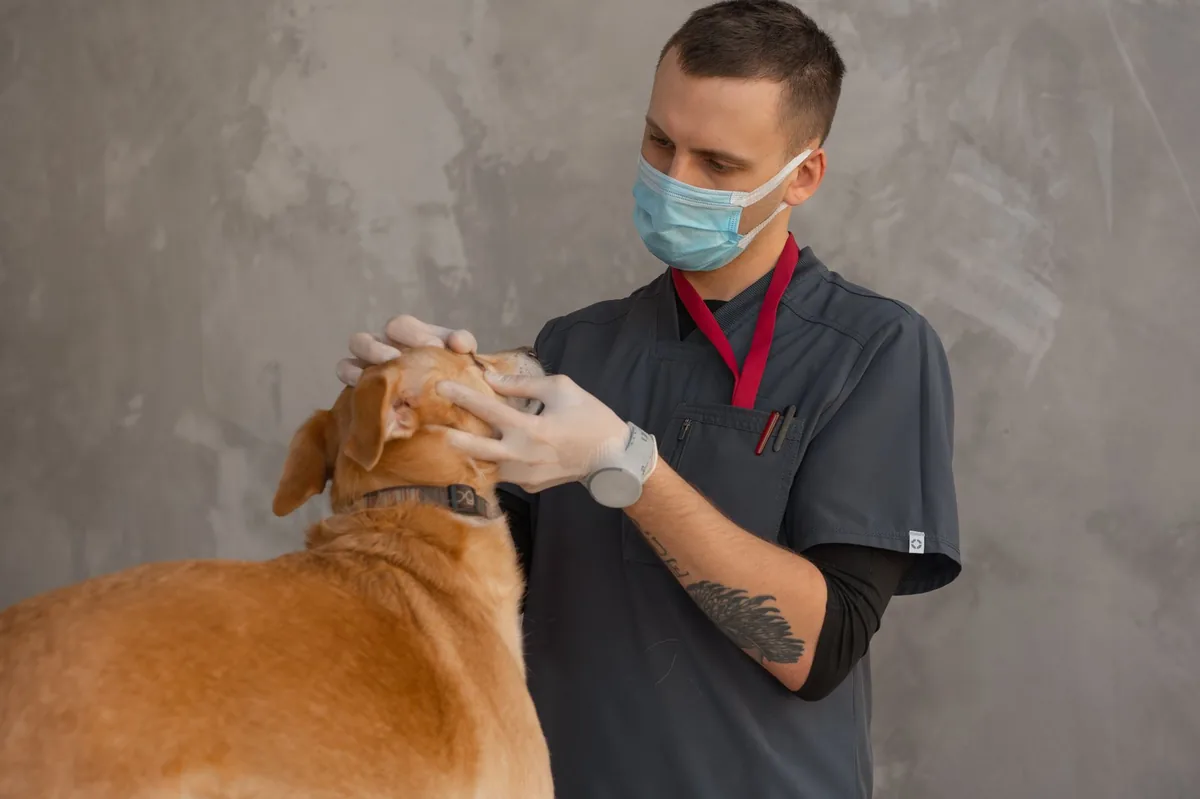
Diagnosing nocardiosis involves a combination of history, physical exam, and specific tests.
- History & physical exam: Your vet will ask about outdoor activities, recent wounds, and any immunosuppressive medications. A thorough exam looks for cough, lung sounds, and skin lesions.
- Imaging: Chest X‑rays or a CT scan can reveal lung nodules, abscesses, or pleural effusion. According to the AAHA, imaging is essential to gauge disease extent.
- Laboratory work: Blood work (CBC, chemistry) may show anemia or inflammation. A high white‑blood‑cell count is common.
- Microbial culture: The definitive test is a culture of pus from a skin lesion or a bronchoalveolar lavage sample. Nocardia grows slowly (up to 3 weeks) and has a characteristic “branching filamentous” appearance.
- Polymerase chain reaction (PCR): Some labs use PCR to identify Nocardia species more quickly, though this is not universally available.
Treatment options
Medical treatment
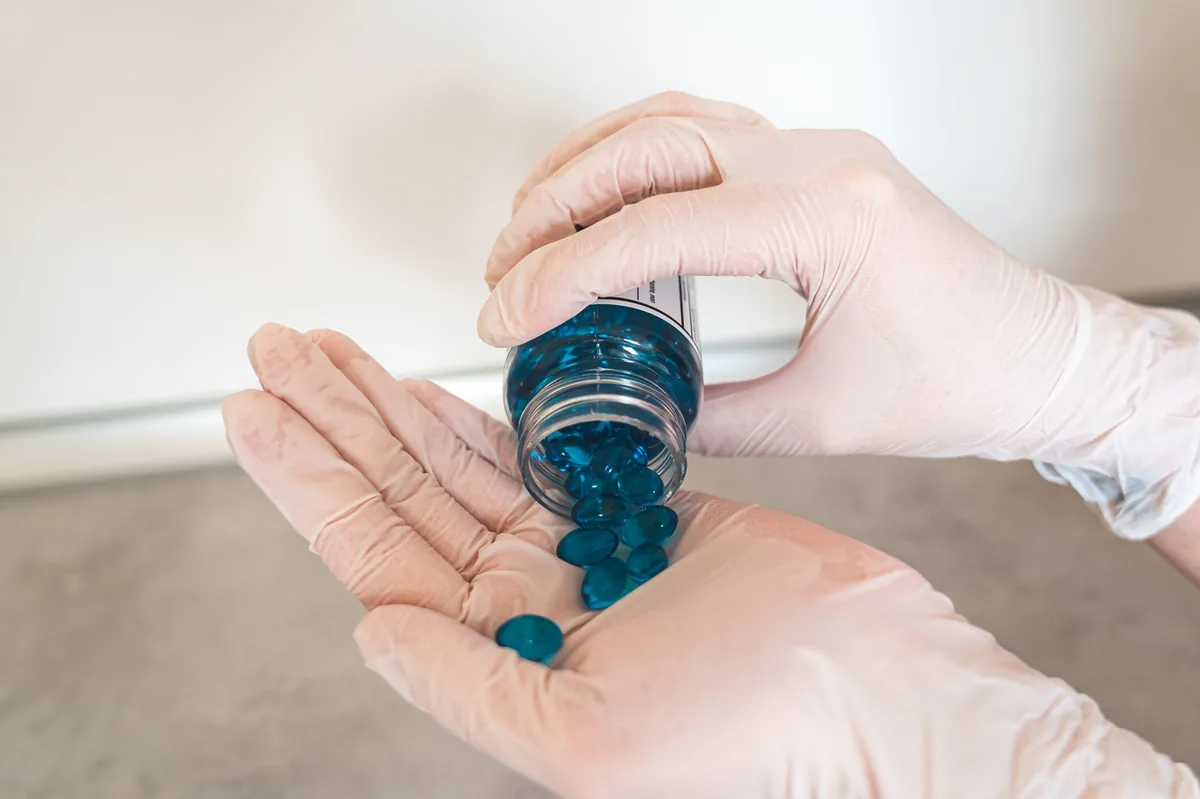
Because Nocardia is a bacteria, the cornerstone of therapy is long‑term antibiotics. The American College of Veterinary Internal Medicine (ACVIM) recommends at least 6–12 weeks of treatment, sometimes longer.
- Trimethoprim‑sulfamethoxazole (TMP‑SMX): Often the first‑line drug for nocardiosis due to good tissue penetration.
- Amoxicillin‑clavulanate: Used especially when skin lesions dominate or when a mixed bacterial infection is suspected.
- Imipenem or meropenem: Reserved for severe cases or when the organism shows resistance to oral agents.
- Linezolid or doxycycline: May be added in multi‑drug regimens, particularly for refractory infections.
All antibiotics should be prescribed by a vet who will dose based on your dog’s weight and severity. Ask your vet about the best option for your dog’s specific infection.
Supplements and supportive care
While antibiotics fight the bacteria, supportive care can improve recovery.
- Omega‑3 fatty acids (EPA/DHA): Reduce inflammation and support skin healing. Look for a high‑quality fish‑oil supplement.
- Probiotics: Help maintain gut flora, especially if antibiotics disrupt the microbiome. Products with Enterococcus faecium are recommended by the World Small Animal Veterinary Association (WSAVA).
- Vitamin C and zinc: May aid wound healing, but discuss dosing with your vet.
Procedures or surgery
If a lung abscess or a large skin cyst forms, surgical drainage may be needed. The procedure typically involves a small incision under general anesthesia, followed by postoperative antibiotics for several weeks. Recovery at home is usually 2‑4 weeks, and costs can range from $1,200‑$3,500 (US) depending on complexity and facility.
Diet and nutrition
Nutrition plays a crucial role while your dog battles infection. A balanced, highly digestible diet reduces the workload on the immune system and supports tissue repair.
Here are the key principles:
- High‑quality protein: Aim for 20‑25 % of calories from easily digestible animal proteins (e.g., chicken, turkey, or fish). This helps rebuild damaged tissue and maintain muscle mass.
- Moderate fat: 12‑15 % of calories from healthy fats (fish oil, chicken fat) provides energy without promoting inflammation.
- Limited simple carbs: Excess sugars can fuel bacterial growth. Choose complex carbs like sweet potato or pumpkin.
- Added antioxidants: Vitamin E, beta‑carotene, and selenium support immune function. Many therapeutic diets include these nutrients.
- Hydration: Encourage water intake; warm broth (low‑salt) can entice a sick dog to drink.
Prescription therapeutic diets are not always required, but if your vet recommends a renal‑support or immune‑support formula, look for options that meet AAFCO nutrient profiles without added fillers.
| Do feed | Limit | Avoid |
|---|---|---|
| Cooked lean meats, boiled potatoes, pumpkin, low‑fat cottage cheese | Cooked eggs (1 per day), canned dog food with high sodium | Raw bones, high‑fat treats, sugary snacks, raw meat with unknown safety |
Transition to any new food gradually over 5‑7 days to prevent gastrointestinal upset. Start with 25 % new food mixed with 75 % current diet, then increase the new portion each day.
Cost and prognosis
Because nocardiosis is uncommon, exact cost figures vary by region and severity. Below are typical US and UK ranges based on data from veterinary hospitals and the AAHA cost guidelines.
| Item | US (USD) | UK (GBP) |
|---|---|---|
| Initial exam & blood work | $150‑$300 | £120‑£250 |
| Chest X‑ray or CT | $200‑$500 | £180‑£400 |
| Culture & sensitivity | $100‑$250 | £90‑£220 |
| Antibiotics (6‑12 weeks) | $300‑$900 | £250‑£750 |
| Surgical drainage (if needed) | $1,200‑$3,500 | £1,000‑£2,800 |
Overall, owners can expect to spend roughly $800‑$2,000 (UK £600‑£1,500) for a full diagnostic and treatment course. Insurance plans that cover “illness” often reduce out‑of‑pocket costs, so check your policy.
Prognosis depends on disease location and how quickly treatment starts. Dogs with isolated skin disease often recover fully, while those with extensive lung involvement may have a guarded outlook. According to the Merck Veterinary Manual, about 70‑80 % of dogs respond to appropriate antibiotics, but relapses can occur if therapy is stopped too early.
Prevention and home care
While you can’t eliminate all environmental bacteria, you can reduce exposure and strengthen your dog’s immune defenses.
- Limit high‑risk environments: Avoid letting your dog dig in compost piles or roam in dusty fields, especially if they are on immunosuppressive meds.
- Wound care: Clean any cuts or abrasions promptly with mild antiseptic and keep them covered until healed.
- Vaccinations & parasite control: Keep core vaccines up‑to‑date and use vet‑approved flea/tick preventatives to avoid secondary infections.
- Regular check‑ups: Annual exams can catch early signs of immunosuppression or respiratory issues.
- Nutrition & supplements: Feed a balanced diet and consider the omega‑3 and probiotic supplements mentioned earlier.
For puppies, start with a clean, dry environment and limit contact with soil until they’re fully vaccinated. A healthy lifestyle—regular exercise, mental enrichment, and routine veterinary care—remains the best defense against opportunistic infections like nocardiosis.
Vet’s note
From our vet team: Nocardiosis can look like many other infections, so don’t rely on a single symptom to rule it out. If your dog has a persistent cough or non‑healing skin nodule, ask your vet about a culture early—catching the bacteria before it spreads makes the antibiotic course shorter and improves the chance of a full recovery.
Key takeaways
- Nocardiosis is a rare, soil‑borne bacterial infection that can affect lungs, skin, or other organs.
- Early signs include coughing, skin bumps, fever, and loss of appetite; seek veterinary care promptly.
- Diagnosis requires imaging, blood work, and a bacterial culture; treatment is long‑term antibiotics often combined with supportive supplements.
- Nutrition with high‑quality protein, moderate fat, and antioxidants helps recovery; avoid raw bones and high‑sugar treats.
- Costs can range from $800‑$2,000 in the US; prognosis is good for most dogs if treated early, but severe lung disease carries a guarded outlook.
- Prevent exposure by limiting soil contact, caring for wounds, and maintaining a strong immune system through diet and regular vet visits.
Myth vs. fact
Myth: Nocardiosis is highly contagious to humans.
Fact: It is an opportunistic infection; healthy people rarely acquire it from dogs, and basic hygiene (hand washing) is sufficient protection.
Myth: Antibiotics alone cure nocardiosis quickly.
Fact: The bacteria often require 6–12 weeks of targeted antibiotics, and stopping treatment early can lead to relapse.
Myth: Only outdoor dogs get nocardiosis.
Fact: While environmental exposure raises risk, any dog with a compromised immune system—regardless of lifestyle—can develop the infection.
Frequently asked questions
What causes nocardiosis in dogs?
It’s caused by Nocardia bacteria found in soil, decaying vegetation, and water. Dogs usually inhale the organisms or get them through skin wounds, especially if their immune system is weakened.
What are the early signs of nocardiosis in a dog?
Early signs often include a mild cough, occasional nasal discharge, or a small, firm skin nodule that may become crusty. Watch for any new lesions or a change in breathing pattern.
How is nocardiosis different from other bacterial infections in dogs?
Nocardiosis tends to produce slow‑growing, branching bacterial colonies and can form abscesses in lungs or skin. Unlike common infections like Bordetella, it often requires a longer antibiotic course and specific drugs such as trimethoprim‑sulfamethoxazole.
What antibiotics are used to treat nocardiosis in dogs?
First‑line options include trimethoprim‑sulfamethoxazole and amoxicillin‑clavulanate. In severe cases, vets may add carbapenems (imipenem/meropenem) or linezolid. Your veterinarian will choose the regimen based on culture results.
Can nocardiosis be fatal for dogs?
Yes, if left untreated or if it spreads to vital organs like the lungs, it can be life‑threatening. However, the majority of dogs improve with proper, prolonged antibiotic therapy.
How much does treatment for nocardiosis usually cost?
In the United States, a full work‑up and 6‑12 weeks of antibiotics typically costs $800‑$2,000, while surgical drainage of an abscess can add $1,200‑$3,500. Costs vary by region and the complexity of the case.
Ask the PuppaDogs community
Have a question this article didn’t fully answer? Want to compare notes with other dog owners who’ve been through this? Our community forum is moderated by experienced owners and vets — and answers tend to come fast. Ask in the PuppaDogs community →
References
- American Animal Hospital Association (AAHA). “Guidelines for Diagnosis and Treatment of Infectious Diseases in Dogs.” 2023.
- American Veterinary Medical Association (AVMA). “Zoonotic Risks of Nocardia.” 2022.
- Merck Veterinary Manual. “Nocardiosis in Dogs.” 2024 edition.
- Cornell University College of Veterinary Medicine. “Case Series of Canine Nocardiosis.” 2021.
- World Small Animal Veterinary Association (WSAVA). “Probiotic Use in Companion Animals.” 2023.
- American College of Veterinary Internal Medicine (ACVIM). “Antimicrobial Therapy Guidelines for Nocardia.” 2022.
- American Association of Feed Control Officials (AAFCO). “Nutrient Profiles for Therapeutic Diets.” 2023.
- British Veterinary Association (BVA). “Cost of Veterinary Care for Infectious Diseases.” 2022.


