







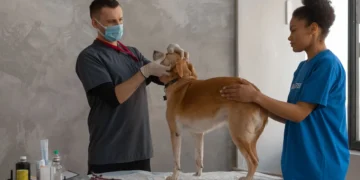






Quick take: Mycoplasma, Ureaplasma, and Acoleplasma are tiny bacteria that can cause respiratory, urinary, or joint infections in dogs. They often present with coughing, sneezing, urinary trouble, or lameness, and are diagnosed with PCR or culture tests. Most infections respond to a short course of targeted antibiotics, but severe cases need prompt veterinary care and may cost a few hundred dollars.
It’s 11 p.m., and your 7‑year‑old mixed‑breed Labrador is lying on the couch, eyes half‑closed, and you notice a faint, dry cough that wasn’t there yesterday. A quick glance at his gums shows a pale pink, not the bright ruby you’re used to. You Google “cough and pale gums” and the first result mentions Mycoplasma—your heart starts racing. You’re not alone; many owners first hear the word “Mycoplasma” from a vet and wonder if it’s a life‑threatening pneumonia or just a harmless bug.
We’re here to calm those nerves. Below you’ll find a plain‑English rundown of what bacterial infections caused by Mycoplasma, Ureaplasma, and Acoleplasma look like in dogs, how vets figure out which bug is at play, what treatment usually involves, how much it might cost, and steps you can take to keep your household infection‑free. By the end you’ll know exactly what to watch for tonight, what to ask your vet at the next appointment, and how to support your dog’s recovery at home.
Read on for a step‑by‑step guide that covers symptoms, diagnostics, treatment options, diet tips, costs, prognosis, and prevention—all backed by AAHA, AVMA, and peer‑reviewed veterinary sources.
What is Bacterial Infection (Mycoplasma, Ureaplasma, Acoleplasma) in Dogs?
Mycoplasma, Ureaplasma, and Acoleplasma are genera of very small, wall‑less bacteria that belong to the class Mollicutes. Because they lack a rigid cell wall, they’re not affected by many common antibiotics that target cell‑wall synthesis (like penicillin). In dogs they can infect the respiratory tract (Mycoplasma), the urinary tract (Ureaplasma and Acoleplasma), and occasionally the joints or eyes.
These organisms are part of the normal flora in some healthy dogs, but under stress, immune suppression, or crowded conditions they can overgrow and cause disease. In the United States, Mycoplasma respiratory infections are reported in 5–10 % of dogs with chronic cough, while Ureaplasma urinary infections account for a smaller but clinically relevant fraction of canine cystitis cases (Merck Veterinary Manual, 2023).
What causes it?
These bacterial infections don’t usually arise from a single cause. Instead, a combination of host, pathogen, and environmental factors creates the perfect storm.
| Category | Typical risk factors |
|---|---|
| Host factors | Young puppies with immature immunity; senior dogs with weakened immune systems; dogs on long‑term steroids or chemotherapy |
| Pathogen exposure | Close contact with other infected dogs; contaminated water bowls; exposure to other species (cats, livestock) that carry Mycoplasma‑like organisms |
| Environmental conditions | Overcrowded kennels; poor ventilation; humid indoor environments; lack of regular cleaning of water dishes |
Specific species matter too. Mycoplasma cynos is the most common respiratory Mycoplasma in dogs, while Ureaplasma urealyticum and Acoleplasma spp. are more often linked to urinary tract infections (UTIs). Stressful events—like a recent boarding stay, a new puppy in the house, or a bout of kennel cough—can tip the balance toward infection.
Signs and symptoms
Because these bugs can affect different organ systems, the clinical picture varies. Below is a quick guide to what you might notice, from subtle to severe.
| Severity | Typical signs |
|---|---|
| Mild | Occasional dry cough, sneezing, mild nasal discharge; small amount of cloudy urine; slight limp or joint stiffness after exercise |
| Moderate | Persistent hacking cough, fever (101‑103 °F), nasal discharge with mucus; frequent urination, straining to urinate, cloudy or blood‑tinged urine; noticeable lameness or joint swelling |
| Severe | Chest pain, rapid breathing, cyanosis (bluish gums), severe anemia, inability to urinate (obstructive UTI), severe joint effusion, lethargy, loss of appetite |
Other red‑flag clues include: sudden weight loss, vomiting, diarrhea, or a change in behavior such as hiding or refusing to play. In senior dogs, Mycoplasma pneumonia can progress quickly to respiratory distress, especially if the dog already has heart or lung disease.
When to call your vet
Call your vet today if you notice any of the following:
- Persistent cough lasting more than three days.
- Straining to urinate, blood in the urine, or frequent small amounts of urine.
- Lameness that doesn’t improve with rest within 48 hours.
- Loss of appetite, lethargy, or pale gums.
Go to an emergency veterinary hospital right now if you see:
- Difficulty breathing or rapid shallow breaths.
- Blue‑tinged gums or tongue (cyanosis).
- Inability to urinate (complete blockage).
- Sudden collapse, seizures, or severe vomiting.
This article is for informational purposes only and does not replace professional veterinary care.
How vets diagnose it
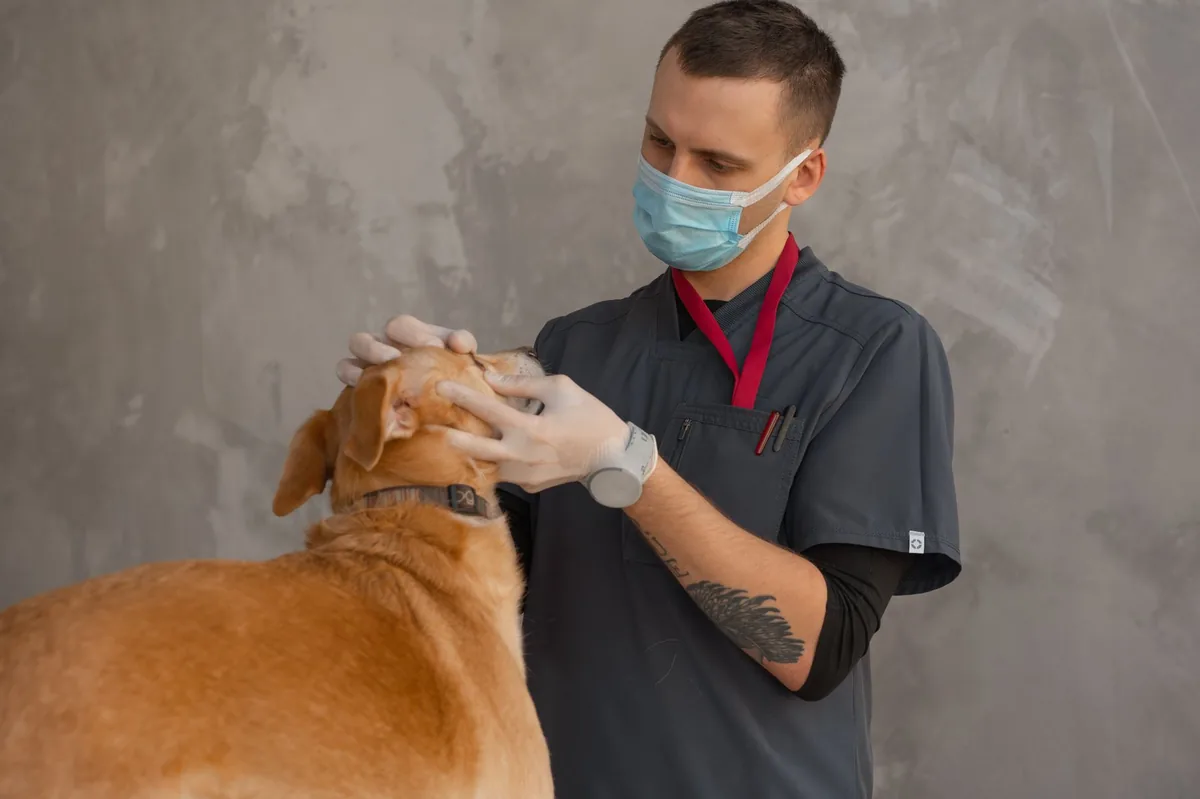
Diagnosis starts with a thorough history and physical exam. Your vet will listen for abnormal lung sounds, check the urinary tract, and palpate joints.
- Polymerase chain reaction (PCR): The most sensitive test for Mycoplasma, Ureaplasma, and Acoleplasma. Samples can be taken from nasal swabs, tracheal washes, urine, or joint fluid. PCR amplifies bacterial DNA, confirming the exact species.
- Culture: While these organisms are fastidious, specialized media can grow them from samples. Culture helps determine antibiotic susceptibility, but results take 5–7 days.
- Complete blood count (CBC) and chemistry panel: Detect anemia, inflammation, or organ involvement that can accompany infection.
- Imaging: Chest X‑rays or ultrasound can reveal pneumonia, bronchial thickening, or urinary tract abnormalities such as bladder wall thickening.
- Urinalysis: Looks for white blood cells, bacteria, and pH changes that suggest a UTI caused by Ureaplasma or Acoleplasma.
All of these tools together give your vet a clear picture of where the infection is and how aggressive it might be.
Treatment options
Medical treatment
Because Mycoplasma‑type bacteria lack a cell wall, the first‑line drugs are those that interfere with protein synthesis or DNA replication.
- Doxycycline: A tetracycline antibiotic often used for Mycoplasma respiratory infections. It’s given orally or by injection; your vet will calculate the dose based on weight.
- Azithromycin: A macrolide that penetrates lung tissue well and is convenient for owners because of once‑daily dosing.
- Enrofloxacin or Marbofloxacin: Fluoroquinolones are effective against Ureaplasma and Acoleplasma UTIs. They’re reserved for cases where first‑line drugs aren’t tolerated.
- Trimethoprim‑sulfamethoxazole (TMS): May be used for mixed bacterial infections; ask your vet if it’s appropriate for your dog’s kidney function.
All antibiotics should be given for the full prescribed course, even if your dog seems better after a few days. Stopping early can allow resistant bacteria to persist.
Supplements and supportive care
Adjunct therapies can smooth recovery, especially in senior dogs or those with concurrent inflammation.
- Omega‑3 fatty acids (EPA/DHA): Reduce airway inflammation and support joint health. Look for a high‑quality fish‑oil supplement approved by the AAFCO.
- Probiotics: Helpful after a course of antibiotics to restore normal gut flora. A multi‑strain product with Lactobacillus and Bifidobacterium is a good choice.
- Vitamin C or E: Antioxidants that may lessen oxidative stress during infection, though evidence is modest. Use only under vet guidance.
Procedures or surgery
Most Mycoplasma, Ureaplasma, or Acoleplasma infections resolve with medical therapy, but a few situations need a procedural approach.
- Urinary catheterization: If a UTI causes blockage, the vet may place a sterile catheter to relieve the obstruction and flush the bladder.
- Bronchoscopy: In severe, chronic respiratory cases, a bronchoscope can collect deep airway samples for precise culture and may be used to clear mucus plugs.
- Joint lavage: For septic arthritis caused by Acoleplasma, flushing the joint space can reduce bacterial load before antibiotics take effect.
These procedures are typically done under sedation or general anesthesia, and recovery is usually uneventful when followed by appropriate antibiotics.
Diet and nutrition
Nutrition plays a supportive role in any infection. While no single “cure‑diet” exists for Mycoplasma‑type infections, feeding a balanced, highly digestible diet helps the immune system focus on fighting the bug instead of digesting a heavy meal.
Key principles:
- High‑quality protein: Choose foods with named animal proteins (chicken, salmon, turkey) as the first ingredient. Easily digestible protein reduces the metabolic load on the liver and kidneys, which may already be stressed by infection.
- Moderate fat, rich in omega‑3: Fat provides energy, but excess fat can worsen inflammation. Look for kibble or wet food that lists fish oil or flaxseed, or add a vetted fish‑oil supplement.
- Hydration: Fever and respiratory effort increase water loss. Ensure fresh water is always available, and consider adding low‑sodium broth to encourage drinking.
- Urinary‑supportive ingredients: For Ureaplasma or Acoleplasma urinary infections, a diet that promotes acidic urine (cranberry extract, DL‑methionine) can help prevent bacterial adherence. Prescription urinary diets (e.g., Hill’s c/d, Royal Canin Urinary) are formulated for this purpose, though any high‑moisture food can aid urinary flow.
- Limited simple carbs: High carbohydrate loads can fuel bacterial growth. Aim for < 30 % of calories from simple sugars; whole grains or sweet potatoes are better choices.
When your dog is under treatment, appetite may dip. Small, frequent meals of a bland, highly digestible food—such as boiled chicken and rice or a commercial recovery diet—can be easier to tolerate. Gradually transition back to the regular diet over 5–7 days to avoid gastrointestinal upset.
For dogs with chronic respiratory involvement, a diet enriched with antioxidants (vitamin E, selenium) may support airway health, though evidence is still emerging. Always discuss any supplement or diet change with your vet, especially if your dog is on medication that could interact (e.g., steroids and calcium‑rich foods).
Cost and prognosis
Financial planning helps reduce stress during an unexpected illness. Below are typical cost ranges in the United States and the United Kingdom, based on AAHA and veterinary practice data. Prices vary by region, clinic, and whether your dog has pet insurance.
| Service | US (USD) | UK (GBP) |
|---|---|---|
| Initial exam & basic blood work | $80‑$150 | £60‑£120 |
| PCR test (respiratory or urinary sample) | $120‑$250 | £90‑£180 |
| Culture & sensitivity (if needed) | $150‑$300 | £110‑£220 |
| Antibiotic course (doxycycline, azithromycin, etc.) | $30‑$120 | £25‑£90 |
| Supportive care (fluids, supplements) | $50‑$150 | £40‑£110 |
| Procedures (catheterization, bronchoscopy) | $400‑$1,200 | £300‑£900 |
Most uncomplicated infections resolve within 2–3 weeks of treatment, and dogs return to normal activity levels. Prognosis is excellent for dogs that receive timely antibiotics—AAHA notes a >90 % cure rate for Mycoplasma pneumonia when treated early. Senior dogs or those with underlying heart or lung disease may have a more guarded outlook, and they can require longer monitoring.
Prevention and home care
Because these bacteria spread easily in multi‑dog households and boarding facilities, good hygiene is the cornerstone of prevention.
- Clean water dishes daily: Use hot, soapy water and rinse well. Replace water at least twice a day.
- Separate feeding areas: If one dog is on antibiotics, keep its bowl apart to avoid cross‑contamination.
- Regular kennel cleaning: Disinfect surfaces with veterinary‑approved cleaners; avoid shared blankets or toys during an outbreak.
- Vaccination status: While there’s no vaccine for Mycoplasma, keeping core vaccines up to date reduces the chance of secondary bacterial pneumonia after viral infections.
- Limit stressful events: Gradual introductions to new dogs, consistent routine, and adequate rest help maintain immune health.
- Routine veterinary check‑ups: Annual exams catch early urinary or respiratory changes before they become severe.
For owners of multiple dogs, consider a weekly “health round‑up” where you quickly check each dog’s eyes, nose, gums, and urination habits. Early detection often means a simple office visit rather than an emergency.
From our vet team: “If your dog has a persistent cough or strange urination, don’t wait for the next scheduled visit. A quick PCR test can pinpoint the exact organism, and a targeted antibiotic will usually clear the infection in under two weeks. Most owners are surprised at how fast dogs bounce back once the right drug is started.”
Key takeaways
- Mycoplasma, Ureaplasma, and Acoleplasma are wall‑less bacteria that cause respiratory or urinary infections; they’re diagnosed with PCR or culture.
- Watch for coughing, sneezing, straining to urinate, pale gums, or joint stiffness—any of these merit a vet call today.
- Effective treatment usually involves doxycycline, azithromycin, or fluoroquinolones; supplements like omega‑3s can aid recovery.
- Recovery typically takes 2–3 weeks; prognosis is excellent when antibiotics start early, but severe cases need prompt emergency care.
- Prevent spread by cleaning water bowls, separating sick dogs, maintaining vaccinations, and minimizing stress in multi‑dog homes.
Myth vs. fact
Myth: Mycoplasma infections are the same as “regular” bacterial infections and respond to any penicillin.
Fact: Because Mycoplasma lacks a cell wall, penicillins are ineffective; targeted antibiotics like doxycycline are required (AAHA, 2023).
Myth: You can cure a Mycoplasma UTI with home remedies like apple cider vinegar.
Fact: While vinegar may alter urine pH, it does not eradicate the bacteria. Veterinary‑prescribed antibiotics are needed for a true cure.
Myth: All dogs with a cough have pneumonia.
Fact: Coughing can stem from allergies, heart disease, or simple irritation; a proper workup distinguishes the cause.
Frequently asked questions
How do I know if my dog has a Mycoplasma infection?
Persistent coughing, sneezing, or a low‑grade fever are the most common clues; a vet will confirm the diagnosis with a PCR test of nasal or tracheal samples.
What tests are used to detect Ureaplasma in dogs?
Ureaplasma is usually identified through a urine PCR or culture; a clean midstream sample collected by your vet gives the most reliable result.
Can Mycoplasma infections be cured without antibiotics?
Because these bacteria are resistant to many over‑the‑counter remedies, antibiotics are the only proven cure; supportive care alone rarely clears the infection.
Are there any home remedies for Acoleplasma infections in dogs?
Home measures like increased water intake and a urinary‑supportive diet can help prevent recurrence, but they do not replace a full course of veterinary antibiotics.
What is the prognosis for dogs with Mycoplasma pneumonia?
When treated early, most dogs recover fully within a few weeks; however, senior dogs or those with heart disease may need longer monitoring and have a more guarded outlook.
How can I prevent my dog from getting Ureaplasma?
Regularly clean water bowls, avoid sharing toys during an outbreak, and keep your dog’s immune system strong with proper nutrition and routine vaccinations.
Ask the PuppaDogs community
Have a question this article didn’t fully answer? Want to compare notes with other dog owners who’ve been through this? Our community forum is moderated by experienced owners and vets — and answers tend to come fast. Ask in the PuppaDogs community →
References
- American Animal Hospital Association (AAHA). 2023 Guidelines for Diagnosis and Management of Bacterial Respiratory Infections in Dogs.
- American Veterinary Medical Association (AVMA). Infectious Disease Resources for Small Animals, 2022.
- Merck Veterinary Manual. Mycoplasma Infections in Dogs, 2023 edition.
- World Small Animal Veterinary Association (WSAVA). Standards for Urinary Tract Infection Diagnosis, 2021.
- University of California, Davis School of Veterinary Medicine. PCR Testing for Mycoplasma spp. in Canine Samples, 2022.
- Cornell University College of Veterinary Medicine. Nutrition Recommendations for Dogs Recovering from Infection, 2023.
- Veterinary Partner (WebMD). Mycoplasma pneumonia in dogs, 2022.
- British Veterinary Association (BVA). Cost of Veterinary Care in the UK, 2023.
- American College of Veterinary Internal Medicine (ACVIM). Consensus Statement on Antibiotic Use in Small Animal Practice, 2022.


