











Short answer: A wet nose comes from a combination of secretions from the lateral nasal glands (small glands that keep the mucous membranes moist), constant licking, and trapped moisture from sniffing. The wet surface enhances scent detection by trapping volatile odor molecules.
What you should actually do
- Lateral nasal glands secrete a watery fluid that keeps the rhinarium (nose surface) moist.
- Wet surface enhances olfaction – water dissolves and concentrates volatile odor molecules.
- Dogs lick their noses constantly – both to clean and to taste/smell.
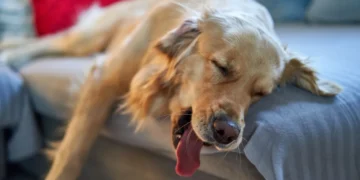
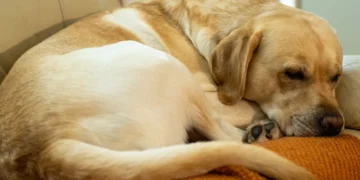
- Nose can be dry from heat, sleep, dehydration, or simply normal variation. NOT a reliable health indicator alone.
- Chronic dry/cracked nose may indicate immune-mediated disease (DLE), pemphigus, or hyperkeratosis.
The wet-nose-equals-healthy folk wisdom is largely wrong. A wet nose just means the dog is recently awake and active. A dry nose just means they were asleep, warm, or in a low-humidity environment.
Persistent crusting, color change, or ulceration of the nose is a real finding that warrants a vet look – several autoimmune skin diseases affect the nose specifically.
Dig deeper
⚕️ Medical Disclaimer
The information on this page is intended for educational purposes only and does not replace a hands-on veterinary examination. Drug doses depend on your dog’s complete clinical picture, concurrent medications, and the exact product formulation. Always confirm dosing with your veterinarian before administering any medication, and contact a 24-hour veterinary emergency service or animal poison control immediately if you suspect a medication overdose or adverse reaction. Editorial standards: every drug dose published on PuppaDogs is cross-checked against multiple authoritative veterinary references and reviewed by PuppaDogs Veterinary Editorial Team before publication.


