













Quick take: Fluid in the lungs—known as pulmonary edema or pleural effusion—means fluid is building up where air should be, making it hard for your dog to breathe. It can be life‑threatening, but early detection, prompt veterinary care, and supportive home measures can dramatically improve outcomes.
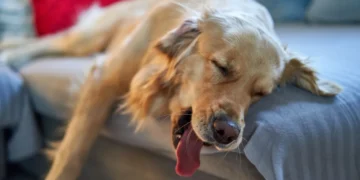
It’s 11 p.m., and your senior Golden Retriever, Max, is lying on the couch, breathing shallowly and coughing a thin, frothy sputum. You glance at his gums and notice they look a little pink‑gray instead of bright red. Your mind races: “Is this heart trouble? Something else?” You’ve Googled “fluid in the lungs in dogs” and the answers are a blur of medical jargon. You’re not a vet, but you need to know what’s happening and what to do right now.
We get it—seeing your dog struggle for air is terrifying. The good news is that fluid in the lungs is a recognizable problem, and most dogs respond well when treatment starts quickly. In this guide we’ll explain what fluid in the lungs actually is, why it happens, what signs to watch for, how vets find the cause, and what treatment, cost, and prevention look like. We’ll also give you practical steps you can take at home while you’re waiting for professional help.
By the end of this article you’ll know how to spot the warning signs, when to call an emergency clinic, what diagnostics to expect, and how diet, medication, and lifestyle can support your dog’s recovery.
What is fluid in the lungs?
In dogs, “fluid in the lungs” usually refers to two related conditions:
- Pulmonary edema – fluid leaks into the tiny air‑filled sacs (alveoli) inside the lungs. The fluid is often a watery, protein‑rich exudate that interferes with gas exchange.
- Pleural effusion – fluid accumulates in the pleural space, the thin cavity between the lung surface and the chest wall. This pushes the lung inward, reducing the amount of air that can expand.
Both conditions reduce oxygen delivery to the bloodstream and can cause rapid breathing, coughing, and weakness. Pulmonary edema is more common, but pleural effusion can accompany it, especially after trauma or surgery.
According to the American College of Veterinary Internal Medicine (ACVIM), pulmonary edema accounts for roughly 10 % of emergency presentations in adult dogs, with higher rates in senior, large‑breed dogs and those with underlying heart disease.
What causes fluid in the lungs?
Fluid can collect in the lungs for many reasons. The main categories are cardiac, infectious/inflammatory, traumatic, and iatrogenic (post‑procedure). Below is a quick overview.
| Cause | Typical Mechanism | Common Breeds / Risk Factors |
|---|---|---|
| Heart disease (congestive heart failure) | Elevated left‑heart pressure forces fluid into lung tissue. | Large breeds (Labrador, Golden Retriever, German Shepherd); older dogs. |
| Pneumonia or severe lung infection | Inflammation makes blood vessels leak. | Any breed; puppies; dogs with weakened immunity. |
| Trauma (blunt chest injury, bite wounds) | Direct damage to lung tissue or blood vessels. | Active, outdoor dogs; dogs involved in accidents. |
| Post‑operative complications | Fluid can accumulate after thoracic surgery or anesthesia. | Dogs undergoing tumor removal, diaphragmatic hernia repair. |
| Neoplasia (lung tumors) | Obstructs lymphatic drainage, causing fluid buildup. | Middle‑aged to senior dogs, especially mixed breeds. |
| Kidney disease | Fluid overload and protein loss promote leakage. | Breeds prone to renal issues (Cairn Terrier, Shih Tzu). |
While heart failure is the most frequent trigger, not every case of lung fluid is cardiac. Knowing the underlying cause guides treatment and long‑term management.
Signs and symptoms
Early signs can be subtle, but they often progress quickly. Below is a tiered view of what you might notice.
| Severity | Typical Signs |
|---|---|
| Mild | Increased panting, slight cough, reduced stamina on walks, faint “gurgling” noises when breathing. |
| Moderate | Persistent cough with frothy sputum, rapid shallow breathing, bluish gums, lethargy, reluctance to eat. |
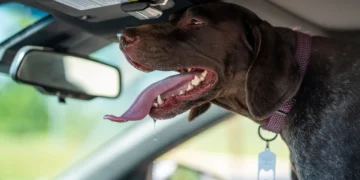
| Severe | Labored or gasping breaths, open‑mouth panting, bright pink or gray gums, collapse, disorientation. |
Other clues include a “wet” sound when you place your hand on your dog’s chest, or a noticeable swelling of the abdomen if pleural fluid is large enough to push the diaphragm down.

When to call your vet
Call your vet today if you notice any of the following:
- Persistent cough, especially if it’s frothy or produces sputum.
- Increased panting, rapid breathing, or difficulty getting up.
- Pale, gray, or bluish gums.
- Loss of appetite or noticeable lethargy.
Go to an emergency veterinary hospital right now if you see any of these urgent signs:
- Labored, gasping breaths or open‑mouth panting.
- Bright pink or gray gums that do not return to normal color quickly.
- Collapse, stumbling, or loss of consciousness.
- Sudden swelling of the abdomen or chest.
Remember: this article is for information only and does not replace professional veterinary care.
How vets diagnose fluid in the lungs
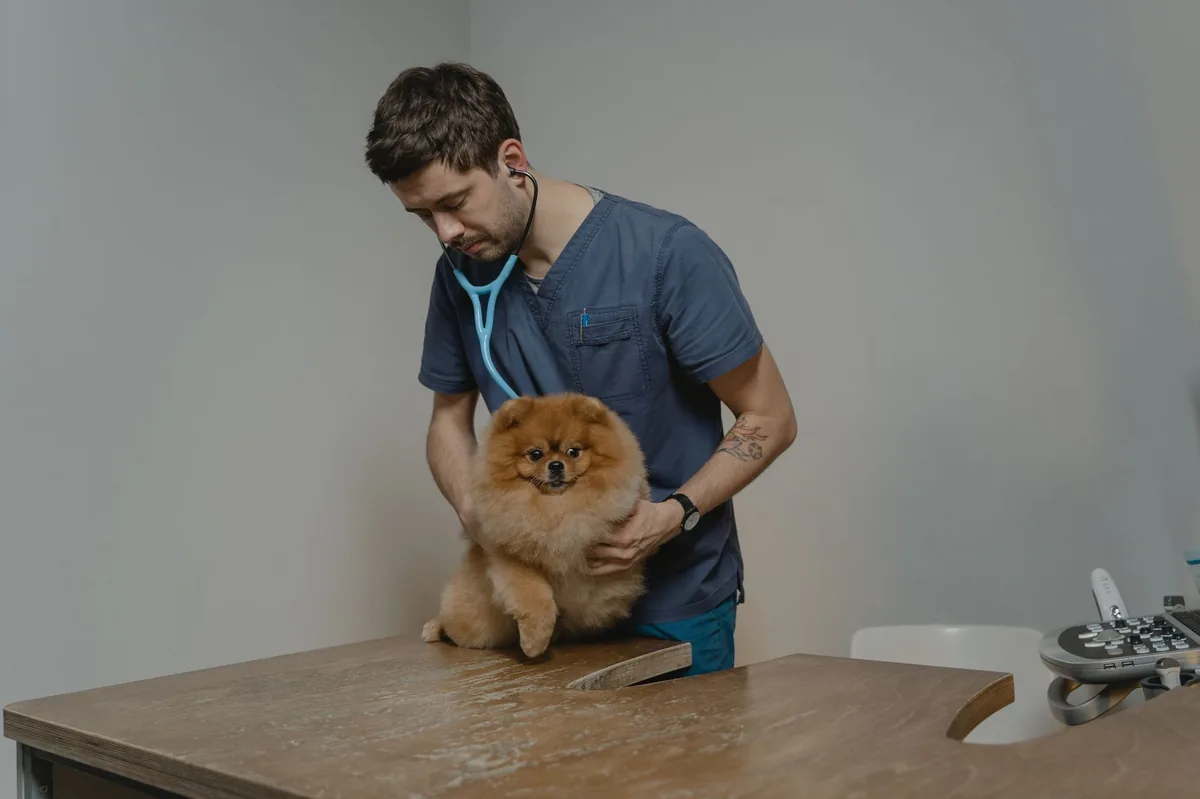
Diagnosis starts with a thorough history—when symptoms began, any recent surgeries, heart disease, or exposure to toxins. The physical exam includes listening to lung sounds with a stethoscope and checking gum color.
Key diagnostic tools include:
- Thoracic radiographs (X‑rays) – reveal fluid patterns, heart size, and pleural space enlargement. Fluid appears as a white, “ground‑glass” opacity on the lung fields.
- Thoracic ultrasound – can differentiate between fluid types (transudate vs. exudate) and guide needle drainage.
- Blood work – CBC and chemistry panels assess heart function, kidney health, and infection markers (elevated white blood cells, BUN/creatinine).
- Electrocardiogram (ECG) and echocardiogram – evaluate heart rhythm and chambers, essential when heart failure is suspected.
- Pleural fluid analysis – if fluid is tapped, lab testing determines its protein content and cell type, helping pinpoint cause.
These tests together give the vet a clear picture of where the fluid is, how much there is, and why it’s there.
Treatment options
Medical treatment
Once the cause is identified, the core medical approach aims to remove fluid, support breathing, and address the underlying disease.
- Oxygen therapy – delivered via cage‑top flow meters, nasal cannula, or oxygen cage to improve blood oxygen levels.
- Diuretics – drugs such as furosemide (Lasix) increase urine production, pulling fluid out of the lungs. Your vet will tailor the dose to your dog’s weight and kidney function.
- ACE inhibitors (e.g., enalapril) – widen blood vessels, lower heart pressure, and help prevent fluid re‑accumulation, especially in heart‑failure cases.
- Bronchodilators – may be used if airway constriction contributes to breathing difficulty.
- Antibiotics – prescribed when a bacterial pneumonia is part of the picture.
- Anti‑inflammatory steroids – used sparingly for severe inflammatory lung disease.
All prescription options should be discussed with your vet; ask about each medication’s purpose and potential side effects.
Supplements and supportive care
Evidence‑based supplements can complement medical therapy, particularly for chronic heart or kidney disease that predisposes fluid buildup.
- Omega‑3 fatty acids (EPA/DHA) – reduce systemic inflammation and may improve cardiac output. Look for a high‑quality fish‑oil supplement calibrated for dogs.
- Coenzyme Q10 (Ubiquinol) – supports heart muscle energy production; beneficial in dogs with congestive heart failure.
- Probiotics – maintain gut health, especially when antibiotics are used.
- Vitamin E – antioxidant that can protect lung tissue from oxidative stress.
Supplements are not a replacement for medication, but they can aid recovery when used under veterinary guidance.
Procedures or surgery
If fluid is large or not responding to medication, a procedure called thoracocentesis (or pleurocentesis) may be performed. A sterile needle is inserted into the pleural space to aspirate fluid, providing immediate relief and a sample for analysis.
In severe, recurrent cases, a veterinarian might place a permanent chest drain or consider a pericardial window (for fluid caused by pericardial effusion). These interventions typically require hospitalization and cost between $500–$2,000 USD, depending on the facility and region.
Diet and nutrition
Nutrition plays a supportive role in managing fluid in the lungs, especially when the underlying cause is heart or kidney disease. A diet that minimizes fluid retention, reduces cardiac workload, and provides high‑quality protein can make a tangible difference.
Key principles:
- Low‑sodium – Excess salt encourages the body to hold onto water. Choose a therapeutic “cardiac” diet or a regular kibble that lists sodium < 0.2 % on a dry matter basis.
- Highly digestible protein – Helps preserve lean muscle while limiting the kidneys’ filtration burden. Look for “highly digestible” or “wet‑food style” protein sources.
- Moderate calories – Overweight dogs have higher cardiac strain. Maintaining an ideal body condition (BCS 4‑5/9) reduces the risk of fluid accumulation.
- Omega‑3 fatty acids – As noted above, EPA/DHA can lower inflammation and improve cardiac function. Some therapeutic diets already contain added fish oil.
- Controlled phosphorus – For dogs with kidney disease, limiting phosphorus helps prevent fluid overload.
Below is a quick guide to foods to feed, limit, or avoid.
| Do feed | Limit | Avoid |
|---|---|---|
| Prescription cardiac diets (e.g., low‑sodium dry kibble) | Commercial dry kibble with moderate sodium (check label) | Table scraps high in salt (processed meats, cheese) |
| Fresh, lean meats (chicken, turkey, lean beef) without added salt | Cooked vegetables with added butter or oil | Fatty cuts, bacon, sausage |
| Cooked white rice or sweet potatoes for easy digestion | Commercial wet foods with high sodium | Bone broth with added salt |
| Omega‑3 supplements or fish oil mixed into food | High‑potassium fruits (bananas) if kidney disease is present | Raw bones that may splinter |
When transitioning to a new diet, do it gradually over 7–10 days: mix 25 % new food with 75 % old food the first day, increasing the new portion each day. This helps prevent gastrointestinal upset, which can worsen fluid balance.
For dogs on diuretics, it’s especially important to keep fresh water available but not encourage excessive drinking; ask your vet how to balance hydration.
If your dog has an underlying heart condition, the American College of Veterinary Internal Medicine (ACVIM) recommends regular re‑checks of weight, heart size (via ultrasound), and blood pressure to adjust diet and medication as needed.
Cost and prognosis
Financial considerations can feel overwhelming during an emergency, so here’s a realistic breakdown of typical expenses in the United States and United Kingdom (prices are estimates, vary by clinic and region).
| Service | US (USD) | UK (GBP) |
|---|---|---|
| Initial emergency exam | $150–$250 | £80–£130 |
| Chest X‑ray (2 views) | $120–$200 | £70–£120 |
| Thoracic ultrasound | $200–$350 | £110–£180 |
| Blood panel (CBC + chemistry) | $100–$180 | £60–£110 |
| Diuretics (e.g., furosemide) | $30–$60 | £15–£30 |
| Thoracocentesis (procedure + fluid analysis) | $500–$1,200 | £250–£500 |
| Hospitalization (24‑hr ICU) | $800–$2,500 | £400–£1,200 |
Overall, most uncomplicated cases of pulmonary edema cost between $800–$2,000 USD, while severe or recurrent cases can exceed $5,000 USD. In the UK, the range is roughly £500–£2,000.
Prognosis depends heavily on the root cause. Dogs with acute heart‑failure‑related edema that receive prompt treatment have a 70‑80 % chance of stabilizing and returning to a good quality of life. Pneumonia‑related edema also resolves well with antibiotics and supportive care. Traumatic or neoplastic causes carry a more guarded outlook, especially if the underlying disease cannot be controlled.
Prevention and home care
While not all cases are preventable, many risk factors can be managed with everyday vigilance.
- Regular veterinary check‑ups – Senior dogs should have heart and kidney panels at least annually.
- Weight management – Keep your dog at an optimal body condition; excess fat increases cardiac workload.
- Low‑sodium diet – Stick to prescribed cardiac foods or carefully read labels on commercial kibble.
- Monitor for early cough – Keep a diary of any cough episodes, especially after exercise.
- Limit exposure to respiratory irritants – Avoid smoke, strong fragrances, and dusty environments.
- Post‑surgery care – Follow your vet’s instructions on activity restriction and chest drainage monitoring.
- Vaccinations – Keep up to date on core vaccines (e.g., Bordetella, canine influenza) to reduce pneumonia risk. Refer to AAHA vaccination guidelines for schedule details.
If your dog has a known heart condition, your vet may suggest routine echocardiograms every 6–12 months and a home “weight check” using a pet scale. Early detection of fluid buildup often means a shorter, less expensive hospital stay.
From our vet team: “We’ve seen owners who catch a subtle cough early and get their dog to the clinic within a day; those dogs often recover fully. The key is not to wait for the dog to be gasping before you act.”
Key takeaways
- Fluid in the lungs (pulmonary edema or pleural effusion) is a medical emergency—call your vet promptly if you notice coughing, rapid breathing, or pale gums.
- Heart disease is the most common cause, but infections, trauma, and post‑surgical complications are also important triggers.
- Veterinary diagnosis relies on X‑rays, ultrasound, blood work, and sometimes fluid analysis to determine the exact source.
- Treatment includes oxygen, diuretics, ACE inhibitors, and, when needed, thoracocentesis to drain excess fluid.
- Low‑sodium, highly digestible diets and omega‑3 supplementation support recovery and help prevent recurrence.
- Regular check‑ups, weight control, and early cough monitoring are the best ways to keep fluid from building up again.
Myth vs. fact
Myth: All lung fluid is caused by heart failure.
Fact: While heart disease is the leading cause, pneumonia, trauma, kidney disease, and cancers can also produce fluid in the lungs.
Myth: Giving a dog over‑the‑counter diuretics (like furosemide tablets) at home is safe.
Fact: Diuretics must be prescribed and dosed by a veterinarian; improper use can cause dangerous electrolyte imbalances.
Myth: Once fluid is removed, it will never return.
Fact: Fluid can re‑accumulate if the underlying disease isn’t managed; ongoing monitoring and diet are essential.
Frequently asked questions
What does fluid in a dog’s lungs look like on an X‑ray?
Fluid appears as a white, “ground‑glass” opacity that blurs the normal black air spaces; the heart may also look enlarged if the cause is cardiac.
Can I give my dog diuretics for lung fluid?
Only under veterinary guidance. Diuretics like furosemide require a proper dose based on weight and kidney function, so ask your vet before using any medication.
How quickly does fluid in the lungs develop in dogs?
It can accumulate over hours to a few days, especially in acute heart failure or severe pneumonia; rapid onset often means more severe clinical signs.
What are the warning signs of pulmonary edema in dogs?
Persistent cough, rapid shallow breathing, pale or bluish gums, lethargy, and difficulty getting up are classic red flags that warrant immediate veterinary attention.
Is lung fluid always caused by heart disease?
No. Infections, trauma, kidney disease, and tumors can also cause fluid to leak into the lungs or pleural space.
When should I take my dog to the emergency vet for lung fluid?
If your dog is gasping, has open‑mouth panting, shows bluish gums, or collapses, head to an emergency clinic right away; these are life‑threatening signs.
Ask the PuppaDogs community
Have a question this article didn’t fully answer? Want to compare notes with other dog owners who’ve been through this? Our community forum is moderated by experienced owners and vets — and answers tend to come fast. Ask in the PuppaDogs community →
References
- American College of Veterinary Internal Medicine (ACVIM). “Guidelines for the Diagnosis and Management of Canine Pulmonary Edema.” 2022.
- American Animal Hospital Association (AAHA). “Veterinary Care Standards for Cardiovascular Disease.” 2023.
- Merck Veterinary Manual. “Pulmonary Edema and Pleural Effusion in Dogs.” Updated 2024.
- American Veterinary Medical Association (AVMA). “Heart Failure in Dogs.” Position Statement, 2023.
- World Small Animal Veterinary Association (WSAVA). “Nutrition for Dogs with Cardiac Disease.” 2022.
- Cornell University College of Veterinary Medicine. “Thoracic Ultrasound Techniques.” 2023.
- Veterinary Pharmacology Handbook, Plumb’s. “Furosemide Use in Canine Patients.” 2021.
- AAHA & AVMA. “Vaccination Guidelines for Dogs.” 2023.
- British Veterinary Association (BVA). “Cost of Emergency Veterinary Care in the UK.” 2022.


