





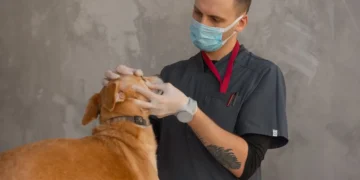






Quick take: Megaesophagus in dogs is a condition where the esophagus loses its ability to move food toward the stomach, leading to regurgitation, weight loss, and risk of aspiration pneumonia. Early detection, upright feeding, and tailored nutrition can keep many dogs comfortable for years, though the condition is usually lifelong and may require ongoing veterinary care.
It’s 9 p.m., and you’re watching your 8‑year‑old mixed‑breed terrier, Bella, stare at her empty bowl. She nudges it once, then lies down and refuses to eat. A few minutes later, she coughs and a small amount of food slides out of her mouth. Your heart races as you Google “dog won’t eat, cough, regurgitates.” The term “megaesophagus” pops up, and you wonder: is this serious? Can Bella get better? What should you do tonight?
We get it. Seeing your dog struggle with something you can’t fix at home is frightening. The good news is that with the right feeding strategy, medical support, and vigilant care, many dogs live happy, active lives despite megaesophagus. This guide walks you through what megaesophagus is, why it happens, how to spot it, what your vet will do, and practical steps you can take at home—including diet, feeding techniques, costs, and prevention.
Read on to learn the signs, the diagnostic work‑up, treatment options, and how to keep your dog comfortable. We’ll also answer common questions like “Can megaesophagus be cured?” and “What foods are safest?” All the information is grounded in current veterinary guidelines from AAHA, AVMA, and the Merck Veterinary Manual.
What is megaesophagus in dogs?
Megaesophagus is a disorder of the esophagus—the muscular tube that carries food from the mouth to the stomach. In a healthy dog, coordinated muscle contractions (peristalsis) push food downward. In megaesophagus, the esophageal walls become flaccid and lose tone, so food and liquid can sit in the tube and later flow back up (regurgitate). The condition can be congenital (present at birth) or acquired later in life due to nerve, muscle, or immune problems.
It’s relatively uncommon, affecting roughly 1–2 dogs per 10,000, but certain breeds—such as Great Danes, German Shepherds, and Labrador Retrievers—are over‑represented. Because the esophagus can’t clear food, dogs are at risk for aspiration pneumonia, a potentially life‑threatening lung infection.
What causes it?
Understanding the root cause helps guide treatment. The main categories are:
| Cause | Typical age of onset | Key notes |
|---|---|---|
| Congenital (developmental) | Puppy (≤ 6 months) | Often seen in Great Danes; genetic component suspected. |
| Acquired neuromuscular | Adult to senior | Includes myasthenia gravis, polymyositis, or nerve damage. |
| Myasthenia gravis | Adult | Autoimmune attack on acetylcholine receptors; can be primary or secondary. |
| Other systemic disease | Adult | Kidney disease, endocrine disorders, or severe infections can weaken esophageal muscles. |
| Idiopathic | Any age | No identifiable cause; diagnosis of exclusion. |
While genetics play a role, many dogs develop megaesophagus without a clear hereditary link. Inflammatory or autoimmune conditions (like myasthenia gravis) are common triggers in older dogs.
Signs and symptoms
Because the esophagus can’t move food efficiently, the most recognizable sign is regurgitation—food or liquid coming back up, usually within an hour after eating. Other clues range from mild to severe:
| Severity | Signs |
|---|---|
| Mild | Occasional regurgitation after meals, slight weight loss, reduced energy. |
| Moderate | Frequent regurgitation, coughing after meals, noticeable weight loss, lethargy. |
| Severe | Persistent regurgitation, aspiration pneumonia (fever, rapid breathing), severe weight loss, inability to maintain body condition. |
Other symptoms can include a “gurgling” sound in the chest, repeated attempts to swallow, and a foul odor from the mouth. These signs can mimic gastroesophageal reflux or food allergies, so a veterinary work‑up is essential.
When to call your vet
Call your regular vet today if you notice:
- Any regurgitation after meals, even if it’s occasional.
- New coughing, especially after eating or drinking.
- Weight loss or a noticeable decrease in appetite.
- Changes in energy level or reluctance to play.
Go to an emergency veterinary hospital right now if you see:
- Sudden, severe coughing with labored breathing (possible aspiration pneumonia).
- Fever (> 103 °F/39.5 °C) or rapid heart rate.
- Vomiting that looks like milk‑curd or contains blood.
These red flags signal that your dog needs urgent medical attention. This article is for informational purposes only and does not replace professional veterinary care.
How vets diagnose it
Diagnosing megaesophagus involves a combination of history, physical exam, and targeted tests.
- History and physical exam: Your vet will ask about regurgitation timing, weight changes, and any coughing. Palpation may reveal a dilated, soft esophagus.
- Radiographs (X‑rays): Lateral chest/abdomen views taken while the dog is standing or lying can show an enlarged, air‑filled esophagus.
- Contrast swallow study: A barium or iodine‑based contrast agent is given orally, and timed X‑rays track its movement, highlighting delayed or absent peristalsis.
- Blood work: A CBC and chemistry panel screen for underlying diseases (e.g., myasthenia gravis, kidney disease) that could cause secondary megaesophagus.
- Acetylcholine receptor antibody test: If myasthenia gravis is suspected, the lab will measure antibodies that attack nerve‑muscle junctions.
These tests help differentiate megaesophagus from other GI problems like esophageal stricture, foreign bodies, or severe reflux.
Treatment options
Medical treatment
There is no cure that restores normal esophageal motility, but several medical approaches can reduce symptoms and complications.
- Proton pump inhibitors (e.g., omeprazole): Reduce stomach acidity, decreasing the risk of esophagitis from refluxed material.
- Antibiotics (e.g., amoxicillin‑clavulanate): Used when aspiration pneumonia is diagnosed or suspected; dosing is determined by your vet.
- Immunosuppressants (e.g., prednisone, azathioprine): May be prescribed if myasthenia gravis or another autoimmune disease is identified.
- Antiemetics (e.g., maropitant): Help control nausea that can worsen regurgitation.
All medication choices should be discussed with your vet, who will tailor therapy to your dog’s weight, age, and underlying cause.
Supplements and supportive care
While supplements can’t fix the esophageal muscle tone, a few have proven supportive value:
- Omega‑3 fatty acids (EPA/DHA): Anti‑inflammatory; may help reduce airway inflammation after aspiration events.
- Probiotics: Support gut health, especially if antibiotics are used frequently.
- Vitamin B‑complex: May aid overall energy metabolism in dogs with chronic illness.
Introduce any supplement only after consulting your vet, as interactions with medications are possible.
Procedures or surgery
In rare cases, surgical options such as a “gastroesophageal sphincter augmentation” or esophageal lengthening are explored, primarily for congenital megaesophagus in puppies. These procedures are complex, require specialized centers, and carry a recovery period of 2–4 weeks.
Typical cost ranges (including anesthesia, hospital stay, and follow‑up) are:
| Procedure | US estimate | UK estimate |
|---|---|---|
| Esophageal lengthening surgery | $4,500–$7,500 | £3,200–£5,500 |
| Endoscopic stent placement (experimental) | $2,800–$4,200 | £2,000–£3,500 |
Most owners manage megaesophagus medically and with feeding modifications rather than surgery.
Diet and nutrition
Because the esophagus can’t propel food, the goal is to give your dog a diet that is easy to swallow, low‑risk for aspiration, and nutritionally complete. Most veterinarians recommend a high‑quality, highly digestible protein source with moderate fat and low fiber.
Feeding technique matters more than the exact food brand. The “gravity‑feed” method—raising the bowl so the dog eats while standing or sitting upright—greatly reduces regurgitation. Feeding small meals (4–6 times per day) also helps.
| Category | Do feed | Limit | Avoid |
|---|---|---|---|
| Protein | Cooked chicken, turkey, lean beef, fish | Moderate‑fat canned foods | Raw bones, tough chew toys |
| Carbohydrate | Cooked rice, sweet potato, oatmeal | High‑fiber kibble | Whole grains with high cellulose |
| Fat | Olive oil (1 tsp per 10 lb), fish oil | Heavy‑fat treats | Fried foods |
| Fiber | Small amounts of pumpkin puree | Large amounts of bran | Raw vegetables with tough skins |
Prescription therapeutic diets labeled “esophageal support” (e.g., Hill’s Prescription Diet® a/d) are formulated for easy digestion and may be recommended, but any commercial diet should meet AAFCO nutrient profiles.
Practical feeding tips:
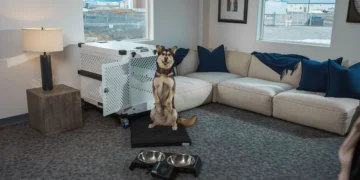
- Elevate the bowl: Place the dish on a platform 12–18 inches off the floor so your dog eats in a near‑vertical position.
- Use a “slow‑feed” silicone bowl: The flexible surface forces the dog to lap rather than gulp.
- Serve moist, soft meals: Mix kibble with warm water or broth to a porridge‑like consistency, making it easier to swallow.
- Offer small portions: ¼ to ½ cup (or 30‑60 ml) per meal, depending on size, spreading intake over the day.
- Stay present: Supervise each meal for 10–15 minutes; if regurgitation occurs, clean the area promptly to prevent aspiration.
Transitioning to a new diet should be gradual—mix increasing amounts of the new food with the old over 7‑10 days. This reduces gastrointestinal upset and lets you monitor for any change in regurgitation frequency.
If your dog has concurrent conditions (e.g., kidney disease), discuss tailored nutrition with your vet. Many owners find that a home‑cooked diet, formulated with a veterinary nutritionist, works well when prepared with lean proteins, rice, and modest fat.
Cost and prognosis
Managing megaesophagus is a long‑term commitment, and costs vary by region, severity, and treatment choices.
| Item | US estimate | UK estimate |
|---|---|---|
| Initial diagnostic work‑up (X‑rays, contrast study, blood panel) | $500–$1,200 | £300–£800 |
| Medications (first year) | $200–$600 | £150–£450 |
| Special feeding equipment (raised platform, silicone bowl) | $50–$150 | £40–£120 |
| Annual follow‑up + labs | $300–$600 | £200–£500 |
| Surgery (if pursued) | $4,500–$7,500 | £3,200–£5,500 |
Pet insurance often covers diagnostic imaging and some medications, but surgical interventions may have limited coverage. Speak with your insurer about “esophageal disorders” specifically.
Prognosis depends on cause and management quality. Dogs with congenital megaesophagus that receive strict upright feeding often live 5–10 years with good quality of life. Those with secondary causes like myasthenia gravis may have a variable outlook, but many respond well to immunosuppressive therapy and live several years. The biggest risk factor for reduced lifespan is repeated aspiration pneumonia.
Prevention and home care
While you can’t prevent a congenital case, you can reduce the chance of secondary megaesophagus developing.
- Vaccinate and parasite‑control: Keep your dog up‑to‑date on core vaccines and heartworm prevention (AAHA 2023 guidelines).
- Monitor for neuromuscular signs: Early weakness, difficulty climbing stairs, or drooping eyelids may hint at myasthenia gravis.
- Maintain a healthy weight: Overweight dogs have higher intra‑abdominal pressure, which can exacerbate reflux.
- Regular veterinary check‑ups: Annual exams with blood work can catch systemic diseases early.
- Environmental safety: Keep food and water bowls clean; avoid slippery surfaces that could cause a dog to gulp.
After each meal, gently wipe your dog’s muzzle and check the floor for any spilled food. If you notice a small amount of regurgitated material, clean it promptly and monitor for signs of pneumonia (cough, fever, lethargy). If pneumonia is suspected, contact your vet immediately.
For ongoing home care, consider using our dog health calculators to track calorie intake and weight trends, and join the community forum for tips from other owners dealing with megaesophagus.
From our vet team: “The moment you see your dog coughing after a meal, think of gravity‑feed. A simple bowl‑height change can cut regurgitation in half and keep aspiration pneumonia at bay. Pair that with a tailored diet and regular check‑ins, and many dogs thrive for years.”
Key takeaways
- Megaesophagus is a loss of esophageal tone that leads to regurgitation and risk of aspiration pneumonia.
- Upright feeding with a raised bowl and small, moist meals is the cornerstone of daily management.
- Diagnostic work‑up includes X‑rays, contrast swallow studies, and blood tests to rule out underlying diseases.
- Medical treatment focuses on acid suppression, antibiotics for pneumonia, and immunosuppression if an autoimmune cause is identified.
- Long‑term costs range from a few hundred dollars for diagnostics and meds to several thousand for surgery; insurance may cover part of it.
- Regular vet visits, weight control, and prompt treatment of coughing can greatly improve quality of life.
Myth vs. fact
Myth: Megaesophagus can be cured with a special diet alone.
Fact: Diet and feeding technique manage symptoms, but the underlying muscle dysfunction is usually lifelong.
Myth: All dogs with megaesophagus will need surgery.
Fact: Most dogs are managed medically and with feeding adjustments; surgery is reserved for rare congenital cases.
Myth: Regurgitation means the dog is vomiting.
Fact: Regurgitation is a passive flow of undigested food from the esophagus, not an active vomiting reflex.
Frequently asked questions
What are the symptoms of megaesophagus in dogs?
Regurgitation within an hour after meals, coughing or choking after eating, weight loss, and a “gurgling” sound in the chest are the hallmark signs. Early symptoms may be mild, but persistent regurgitation warrants a vet visit.
How is megaesophagus diagnosed in dogs?
Veterinarians use a combination of history, physical exam, thoracic radiographs, and a contrast swallow study to visualize esophageal dilation. Blood work and antibody testing help identify underlying causes like myasthenia gravis.
Can megaesophagus be cured in dogs?
There is no definitive cure for the loss of esophageal tone. However, many dogs live comfortable lives with upright feeding, medication, and careful monitoring. Surgery is an option for select congenital cases but is not a universal fix.
What foods should I feed a dog with megaesophagus?
Choose highly digestible, soft foods such as boiled chicken, rice, or a commercial “wet” diet mixed with warm water. Avoid hard kibble, large chunks, and foods high in fiber that slow gastric emptying.
How do I feed a dog with megaesophagus without choking?
Raise the feeding bowl so the dog eats in a near‑vertical position, offer small meals (¼–½ cup), and use a silicone “slow‑feed” bowl to encourage licking rather than gulping. Always supervise meals and keep the area free of spilled food.
How much does treatment for megaesophagus cost?
Initial diagnostics cost $500–$1,200 (US) or £300–£800 (UK). Ongoing meds and follow‑up labs add $200–$600 per year. Surgical options can exceed $4,500 in the US. Insurance may cover parts of these expenses, especially diagnostics.
Ask the PuppaDogs community
Have a question this article didn’t fully answer? Want to compare notes with other dog owners who’ve been through this? Our community forum is moderated by experienced owners and vets — and answers tend to come fast. Ask in the PuppaDogs community →
References
- American Animal Hospital Association (AAHA). 2023 Canine Vaccination Guidelines.
- American Veterinary Medical Association (AVMA). Guidelines for Diagnosis and Management of Aspiration Pneumonia in Dogs.
- Merck Veterinary Manual. “Esophageal Disorders” chapter.
- World Small Animal Veterinary Association (WSAVA). Nutritional Recommendations for Dogs with Gastrointestinal Disorders.
- American College of Veterinary Internal Medicine (ACVIM). Consensus Statement on Myasthenia Gravis in Dogs.
- Cornell University College of Veterinary Medicine. “Megaesophagus” clinical overview.
- International Veterinary Information Service (IVIS). Diagnostic Imaging of the Esophagus in Small Animals.


