














Quick take: Mastitis is an infection or inflammation of a nursing dog’s mammary glands. It usually shows up as painful, swollen, or hot udders and can cause fever or lethargy. Prompt veterinary care—often antibiotics and supportive care—keeps most dogs from complications, and preventive hygiene after whelping reduces the risk.
It’s 2 a.m., and your 8‑week‑old Labrador‑Retriever puppy is still nursing, but the mother’s udder feels unusually firm and warm under your hand. She seems restless, her eyes are a little glassy, and she’s not licking the puppies as much as she usually does. Your heart starts racing as you wonder, “Is this an emergency?” You’ve heard the word “mastitis” from the vet yesterday, but the details are fuzzy.
We get it—seeing a nursing dog in discomfort is heartbreaking, and the internet is full of mixed advice. The good news is that mastitis is treatable in most cases, and knowing the signs, causes, and next steps can help you act quickly and confidently. Below, we walk through everything you need to know about mastitis in dogs, from what it is to how to prevent it, with practical tips you can use tonight.
What is mastitis in dogs?
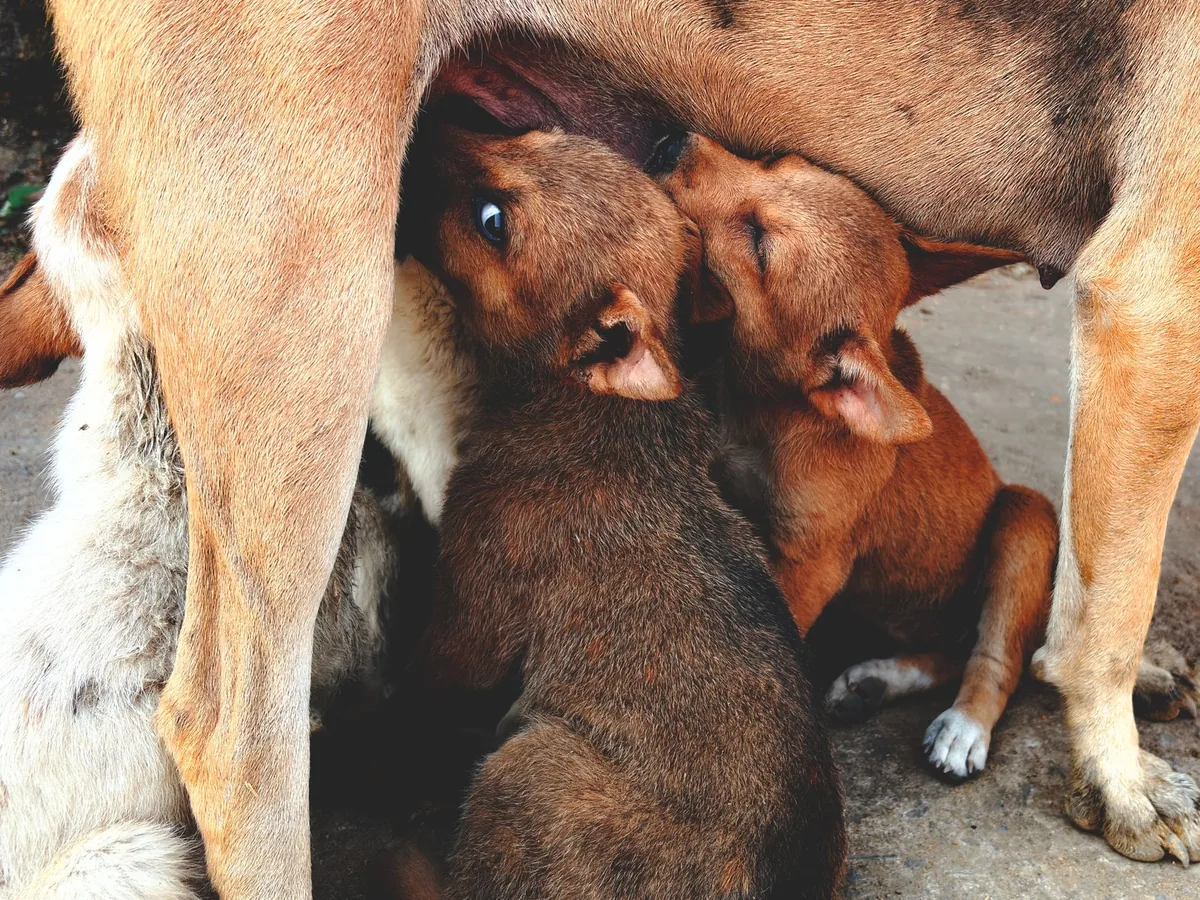
Mastitis is inflammation of the mammary tissue that occurs most often in lactating (nursing) females. The inflammation can be sterile (non‑infectious) or, more commonly, caused by bacteria that enter the udder through the nipple or a cracked skin surface. In dogs, the condition usually appears a few days to a couple of weeks after whelping, when the puppies are actively nursing.
While any breed can develop mastitis, it is more frequently reported in small‑to‑medium breeds that have large litters or in dogs that have had multiple whelpings without proper udder care. According to the Merck Veterinary Manual, mastitis accounts for roughly 5–10 % of post‑whelping complications in dogs, making it a relatively common concern for breeders and owners of nursing dogs.
What causes mastitis in dogs?
- Bacterial entry: Common culprits include Staphylococcus spp., Streptococcus spp., and E. coli. These bacteria can climb up the nipple from the puppies’ mouths or from the mother’s skin.
- Milk stasis: When milk isn’t removed regularly—because a puppy is weak, a litter is small, or the mother is reluctant to nurse—the retained milk creates a perfect environment for bacterial growth.
- Trauma or cracked nipples: Rough nursing, excessive licking, or minor injuries to the nipple provide an entry point for pathogens.
- Hormonal shifts: The surge of prolactin and other hormones after whelping can make the mammary tissue more susceptible to inflammation.
- Underlying health issues: Dogs with compromised immune systems, diabetes, or poor nutrition are at higher risk, as noted by the American Animal Hospital Association (AAHA) guidelines on lactation care.
Signs and symptoms
| Severity | Typical signs |
|---|---|
| Mild | Localized swelling, warm to touch, slight redness, occasional discomfort when puppies nurse. |
| Moderate | Marked swelling, firm or hard udder, visible heat, reduced nursing interest, mild fever (101‑102 °F), lethargy, decreased appetite. |
| Severe | Severe pain, extensive redness or bruising, pus or foul‑smelling discharge, high fever (>103 °F), vomiting, rapid heart rate, signs of systemic illness. |
Early signs often appear as a “hard spot” in one or more mammary glands. If you notice any of the moderate or severe signs, especially fever or pus, it’s time to contact your veterinarian right away.
When to call your vet
Call your vet today if you notice:
- Localized swelling or heat in one or more mammary glands.
- Decreased nursing activity or the mother seems reluctant to let puppies suckle.
- Low‑grade fever (101‑102 °F) or mild lethargy.
Go to an emergency veterinary hospital right now if you see:
- High fever (>103 °F) or shaking.
- Pus, foul odor, or obvious discharge from the udder.
- Signs of systemic illness: vomiting, rapid breathing, collapse, or severe pain.
These red flags indicate that the infection may be spreading or that the dog is at risk of sepsis. This article is for informational purposes only and does not replace a hands‑on veterinary exam.
How vets diagnose mastitis
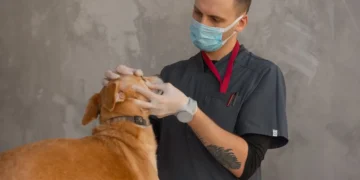
Veterinarians start with a thorough history—when whelping occurred, how many puppies, nursing patterns, and any recent changes in behavior. A physical exam follows, focusing on the mammary glands for heat, swelling, and discharge.
Key diagnostic tools include:
- Ultrasound: Reveals fluid accumulation, abscess formation, or areas of tissue necrosis.
- Milk culture: A sample of milk is taken from the affected gland and sent to a lab to identify the bacterial species and antibiotic sensitivities. This step aligns with AAHA recommendations for targeted therapy.
- Complete blood count (CBC) and chemistry panel: Detects systemic infection, anemia, or organ involvement.
- Fever measurement: Simple but essential; a temperature above 103 °F signals a more serious infection.
Treatment options
Medical treatment
Antibiotics are the cornerstone of therapy. The most commonly prescribed drugs, chosen after culture results when possible, include:
- Amoxicillin‑clavulanate – broad‑spectrum penicillin.
- Cephalexin – a first‑generation cephalosporin.
- Clindamycin – useful for anaerobic bacteria.
In addition to antibiotics, anti‑inflammatory medications such as non‑steroidal anti‑inflammatory drugs (NSAIDs) help reduce pain and swelling. Your vet will tailor the choice based on the dog’s age, weight, and any concurrent health issues. Always ask your vet about the best option for your dog.
Supplements and supportive care
Supportive care speeds recovery and keeps the mother comfortable:
- Omega‑3 fatty acids (EPA/DHA): Found in fish oil, they help modulate inflammation.
- Probiotics: Can aid gut health, especially if the dog is on antibiotics.
- Vitamin C: Occasionally recommended for immune support, but discuss dosage with your vet.
These supplements are adjuncts—not replacements—for antibiotics. They are most helpful when the dog is otherwise healthy and eating well.
Procedures or surgery
Most cases resolve with medication and supportive care. However, if an abscess forms or the infection does not respond to antibiotics, surgical drainage or, in rare chronic cases, removal of the affected gland(s) may be necessary. Recovery from a simple drainage procedure usually takes 7‑10 days, and the cost can range from $500‑$1,200 depending on the clinic and region.
Diet and nutrition
Nutrition plays a vital role in both preventing and recovering from mastitis. Lactating dogs need extra calories—about 30‑50 % more than their maintenance needs—to support milk production. High‑quality protein and balanced vitamins are essential.
| Food category | Recommendations | Why it matters |
|---|---|---|
| Do feed | Highly digestible, protein‑rich kibble or wet food (e.g., 30 %+ protein, omega‑3 enriched). | Supplies the amino acids needed for milk synthesis and tissue repair. |
| Limit | High‑fat treats, table scraps, and very high‑calorie foods. | Excess fat can slow digestion and increase the risk of milk stasis. |
| Avoid | Raw bone‑in diets with high bacterial load, or foods with excessive salt. | Raw foods can introduce additional bacteria, while excess salt may worsen inflammation. |
If your dog is struggling to eat, offer smaller, more frequent meals of a bland diet—such as boiled chicken and rice—until appetite improves. Once she’s stable, transition back to her regular lactation formula over 2‑3 days to avoid gut upset.
Prescription therapeutic diets designed for lactating dogs (e.g., “puppy‑growth” formulas) are optional but can simplify meeting the higher calorie and protein needs. We don’t endorse specific brands, but you can discuss options with your veterinarian.
Cost and prognosis
Most mastitis cases are resolved with a short course of antibiotics and supportive care. Typical cost ranges, based on data from the PuppaDogs cost guide, are:
| Service | US estimate | UK estimate |
|---|---|---|
| Initial exam & labs (CBC, chemistry, milk culture) | $150‑$300 | £120‑£250 |
| Antibiotic course (generic) | $30‑$80 | £25‑£70 |
| NSAID prescription | $20‑$50 | £15‑£45 |
| Surgical drainage (if needed) | $500‑$1,200 | £400‑£900 |
| Follow‑up visit | $80‑$150 | £60‑£130 |
Prognosis is excellent when treatment starts early. Most dogs recover fully within 7‑14 days. Delayed treatment or severe systemic infection can lead to complications such as sepsis, which carries a higher mortality risk.
Prevention and home care
Preventing mastitis is largely about good nursing hygiene and ensuring the mother’s udder stays clean and empty:
- Frequent nursing: Encourage puppies to nurse every 2‑3 hours, especially in the first weeks.
- Assist with milk removal: If a puppy is weak or refuses a gland, gently express the milk using a clean hand or a sterile syringe.
- Keep the udder clean: Wipe the nipples with a damp cloth after each nursing session; avoid harsh chemicals.
- Monitor temperature: A normal canine temperature is 101‑102.5 °F; any rise should prompt a vet call.
- Balanced diet: Provide a high‑quality lactation diet with sufficient calories and omega‑3 fatty acids.
- Regular vet check‑ups: Schedule a postpartum exam within two weeks of whelping to catch early issues.
Our Dog Questions Answered page offers a handy checklist you can print and keep near the nursing area.
From our vet team: “If you notice a single gland feeling hot or firm, don’t wait—call your vet. Early antibiotics are usually curative, and most dogs bounce back quickly. The biggest mistake owners make is assuming the problem will resolve on its own; mastitis can become life‑threatening if left untreated.”
Key takeaways
- Mastitis is an infection of the mammary gland that usually appears a few days after whelping.
- Watch for swelling, heat, pain, fever, or reduced nursing; these are signs you need veterinary help.
- Prompt antibiotics plus anti‑inflammatories resolve most cases within two weeks.
- Keep the udder clean, ensure frequent nursing, and provide a high‑calorie, protein‑rich diet to prevent recurrence.
- Costs vary, but a typical uncomplicated case ranges from $250‑$500 in the US.
- Severe symptoms like high fever or pus require immediate emergency care.
Myth vs. fact
Myth: Mastitis only happens in large‑breed dogs.
Fact: Any lactating dog can develop mastitis; small breeds can be equally affected, especially with large litters.
Myth: Home remedies like herbal poultices can cure mastitis.
Fact: While keeping the area clean helps, antibiotics prescribed by a vet are essential to clear bacterial infections.
Myth: Mastitis always leads to permanent damage.
Fact: With early treatment, most dogs recover fully without lasting effects.
Frequently asked questions
What does mastitis look like in a dog?
It typically presents as a firm, warm, and possibly reddened mammary gland. You may also see swelling, pain when the area is touched, and occasionally a thin, milky or pus‑colored discharge.
Can mastitis cause fever in dogs?
Yes. Inflammation and bacterial infection often raise body temperature; a fever above 103 °F signals a more serious infection that needs prompt veterinary attention.
How long does it take for mastitis to heal in dogs?
With appropriate antibiotics and supportive care, most dogs improve within 3‑5 days and are fully recovered in 7‑14 days. Healing time can be longer if the infection is severe or an abscess forms.
Is surgery ever needed for canine mastitis?
Surgery is rare but may be required if an abscess does not respond to antibiotics or if there is extensive tissue damage. Drainage or, in chronic cases, removal of the affected gland(s) can be performed.
What foods should I avoid feeding a dog with mastitis?
Avoid raw meat or bone‑in diets that might introduce extra bacteria, high‑fat treats that can slow digestion, and salty foods that may exacerbate inflammation. Stick to a balanced, high‑protein lactation diet.
Can mastitis recur after treatment?
Yes, especially if underlying risk factors (like milk stasis or poor udder hygiene) aren’t addressed. Regular monitoring and proper nursing practices reduce the chance of recurrence.
Ask the PuppaDogs community
Have a question this article didn’t fully answer? Want to compare notes with other dog owners who’ve been through this? Our community forum is moderated by experienced owners and vets — and answers tend to come fast. Ask in the PuppaDogs community →
References
- AAHA. “Guidelines for the Care of Lactating Dogs.” 2023.
- American Veterinary Medical Association (AVMA). “Mastitis in Dogs.” 2022.
- Merck Veterinary Manual. “Mastitis in Dogs” chapter. 2021.
- World Small Animal Veterinary Association (WSAVA). “Infection Control in Companion Animals.” 2020.
- University of California, Davis Veterinary Medicine. “Post‑whelping Complications.” 2022.
- American College of Veterinary Internal Medicine (ACVIM). “Antibiotic Use in Companion Animals.” 2021.


