
















Quick take: Mange in dogs is a skin condition caused by tiny mites that can make your pet itchy, hairless, and uncomfortable. The two main types—sarcoptic (contagious) and demodectic (usually not)—require different approaches, but both respond well to veterinary care. Prompt treatment, proper hygiene, and a supportive diet get most dogs back to their happy, wag‑filled selves.
It’s 11 p.m., and you’ve just noticed your usually‑spry Beagle dragging his paws across the living‑room rug, his skin looking patchy and reddish. You’ve Googled “mange” and the images are alarming—circular bald spots, scabs, and what looks like a tiny army of bugs. Your heart races, wondering if this is something you can fix at home or if a night‑time ER visit is needed.
First, take a breath. Mange is common, treatable, and most often manageable with a vet’s guidance. In the next few minutes we’ll walk through what mange really is, how to spot the signs, what a vet will do to confirm it, and the steps you can take—including diet, cost expectations, and prevention—to get your dog back to feeling their best.
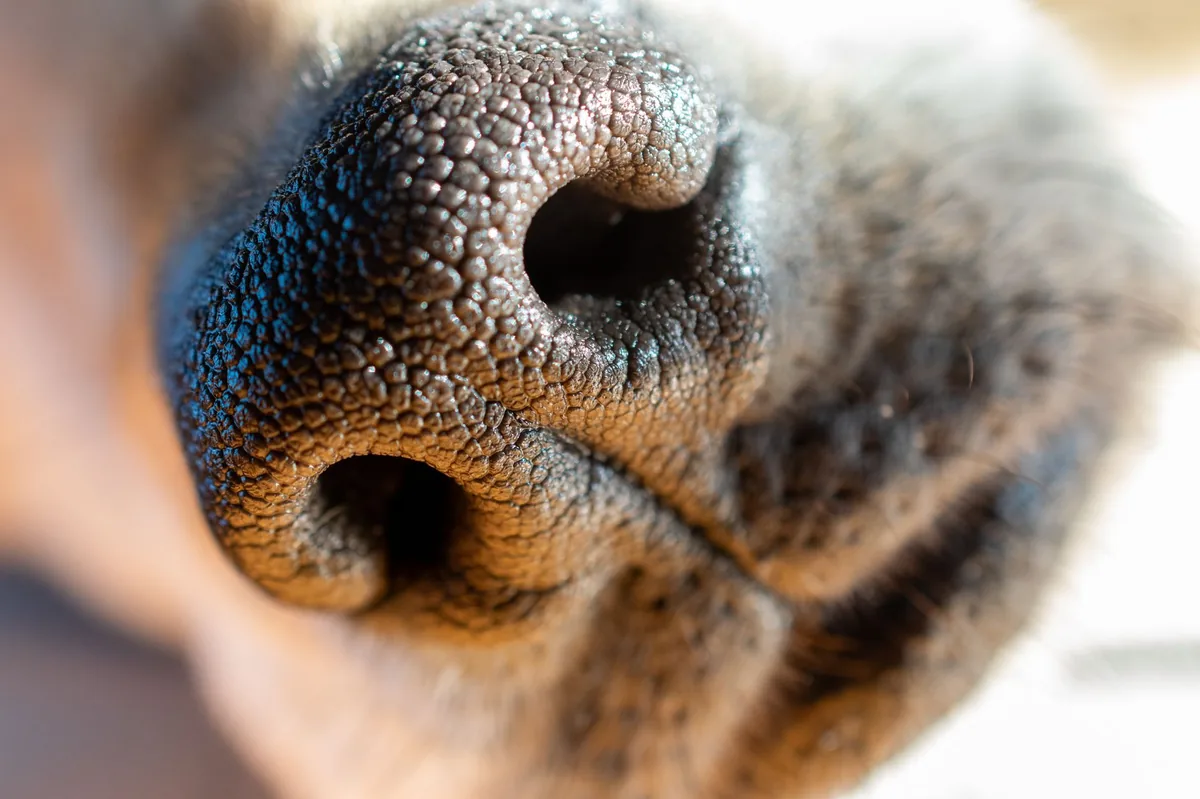
What is mange in dogs?
Mange is an umbrella term for skin disease caused by microscopic mites that burrow into the hair follicles or skin surface. The two most common forms are:
- Sarcoptic mange (also called scabies) – caused by Sarcoptes scabiei mites that dig tunnels under the skin. It’s highly contagious among dogs and can even spread to humans, causing intense itching.
- Demodectic mange (or demodicosis) – caused by Demodex mites that normally live in hair follicles. An overgrowth occurs when a dog’s immune system is compromised, leading to hair loss and skin inflammation. This type is usually not contagious.
Both types trigger inflammation, hair loss, and secondary bacterial infections if left unchecked. While mange can affect dogs of any breed or age, certain breeds—especially those with weak immune systems—are more prone to demodectic forms.
What causes mange?
Understanding the root helps you target prevention.
| Cause | Typical trigger | Contagious? |
|---|---|---|
| Sarcoptic mites | Direct contact with an infested dog, contaminated bedding, or wildlife | Yes – to other dogs and humans |
| Demodex overgrowth | Immune suppression (genetics, stress, illness, steroids) | No – mites are already present on healthy dogs |
| Secondary factors | Poor hygiene, skin injuries, allergies that weaken skin barrier | Depends on primary type |
Environmental stressors—like crowded kennels or frequent grooming with harsh chemicals—can exacerbate a mite infestation. In puppies, an immature immune system makes demodectic mange more common.
Signs and symptoms
Early detection hinges on noticing subtle changes before the skin becomes severely inflamed.
| Stage | What you might see |
|---|---|
| Mild | Itchy spots, small bald patches, slight redness, occasional scratching |
| Moderate | Widespread hair loss, crusty or scaly lesions, intense itching, secondary bacterial infection |
| Severe | Extensive skin erosion, thick crusts, foul odor, lethargy, secondary infections spreading |
Key visual clues include circular or irregular bald spots, especially around the ears, elbows, and paws. In sarcoptic mange, the rash often looks “cobblestone” with tiny bumps, while demodectic mange produces more patchy hair loss with a “silvery” sheen on the skin.
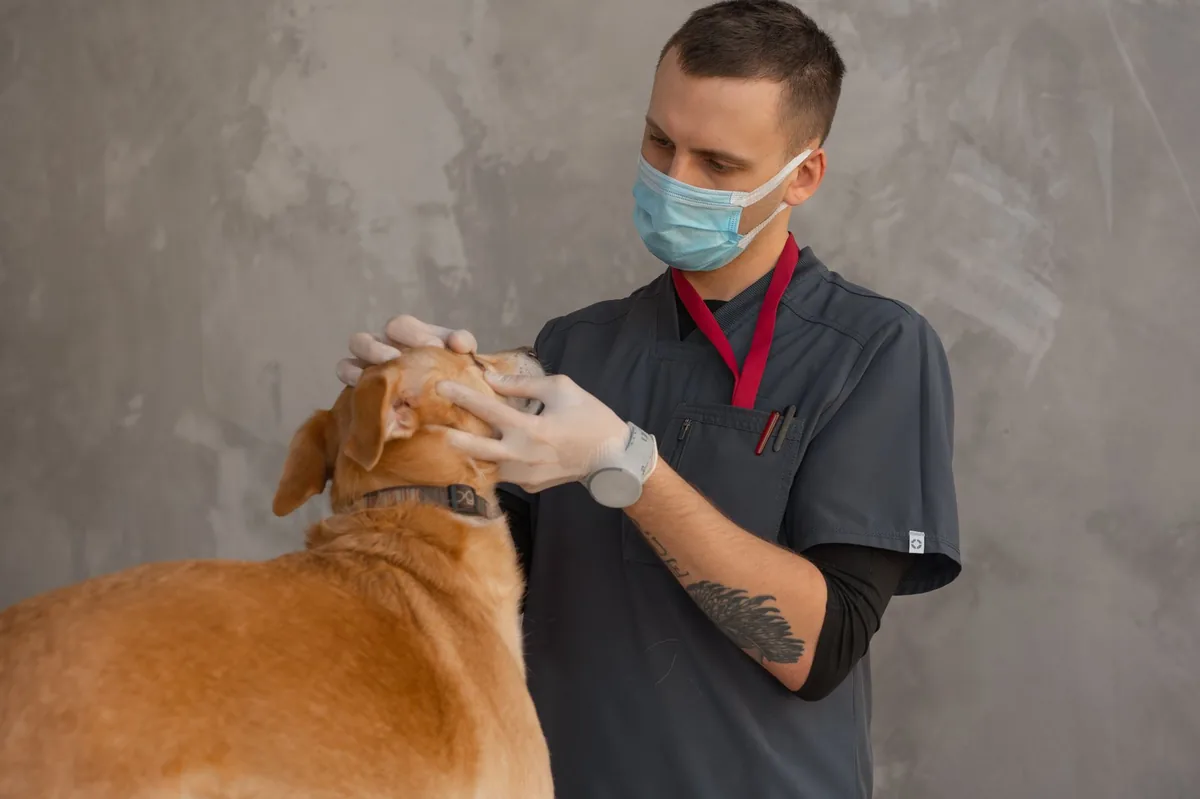
When to call your vet
Call your vet today if you notice any of the following:
- Localized hair loss with redness or scabbing
- Persistent scratching that doesn’t improve with a bath
- Visible mites on skin scrapings (if you have performed a simple home test)
Go to an emergency clinic right now if you see:
- Extensive skin erosion or large open wounds
- Sudden lethargy, fever, or loss of appetite
- Signs of a severe secondary infection (pus, foul odor, swelling)
Our advice is informational only; it does not replace a hands‑on examination by a veterinarian.
How vets diagnose mange
A diagnosis usually starts with a thorough history and physical exam. Your vet will ask when the symptoms began, any recent contact with other animals, and any prior skin issues.
Key diagnostic tools include:
- Skin scrapings – a small blade gently lifts the outer skin layer; the sample is examined under a microscope for live mites.
- Acetate tape test – a clear tape is pressed to the skin and then viewed for mites, especially useful for sarcoptic cases.
- Hair plucks – for demodectic mange, a few hairs are examined for Demodex mites.
- Skin cytology or biopsy – in ambiguous cases, a small skin sample helps rule out other conditions like fungal infections (ringworm) or allergies.
These tests are quick, usually painless, and give your vet a definitive answer so treatment can begin promptly.
Treatment options
Medical treatment
Prescription therapies target the mites directly and address any secondary infection.
- Topical acaricides – products like selamectin (Revolution) or moxidectin (Advocate) are applied to the skin and work over several weeks.
- Oral ivermectin – a systemic medication often used for demodectic mange; dosage is weight‑based and monitored by your vet.
- Antibiotics – prescribed if bacterial infection develops (e.g., amoxicillin‑clavulanate).
- Corticosteroids – short‑term courses reduce severe inflammation and itching, but your vet will weigh risks.
Ask your vet about these options; they’ll tailor the plan to your dog’s age, health status, and mite type.
Supplements and supportive care
While supplements can’t replace medication, they help skin healing and immune support.
- Omega‑3 fatty acids (EPA/DHA) – found in fish oil, they reduce inflammation and improve coat quality.
- Probiotics – support gut health, which in turn can bolster the immune system during a demodectic flare‑up.
- Vitamin E – an antioxidant that may aid skin repair, but excessive amounts should be avoided.
These are adjuncts; always discuss dosage and brand choice with your vet.
Procedures or surgery
Most mange cases resolve with medication, but severe secondary infections sometimes need minor procedures:
- Debridement of crusty lesions to promote healing.
- Skin grafts are rare but may be considered for extensive tissue loss.
Recovery from such procedures typically involves a short hospital stay (1‑2 days) and a follow‑up visit.

Diet and nutrition
Nutrition plays a silent but powerful role in skin health and immune function. While no single diet cures mange, a well‑balanced regimen can speed recovery, reduce itching, and help prevent future flare‑ups.
Here’s what to focus on:
- High‑quality protein – lean meats like chicken, turkey, or fish provide essential amino acids for hair growth.
- Digestible carbohydrates – rice, sweet potato, or oatmeal are gentle on the gut and supply steady energy.
- Essential fatty acids – omega‑3 and omega‑6 (found in fish oil and flaxseed) keep skin cells supple and reduce inflammation.
- Limited allergens – if your dog has a food allergy, avoid common triggers such as beef, dairy, or soy, which can worsen itching.
Prescription therapeutic diets (often labeled “dermatology” or “skin health”) are formulated with increased omega‑3s, zinc, and vitamin A. Your vet may recommend one of these while your dog is on medication, but any brand should meet AAFCO standards.
Foods to avoid or limit include:
| Do feed | Limit | Avoid |
|---|---|---|
| Cooked lean meats, boiled eggs, low‑fat cottage cheese | Table scraps, especially fatty or heavily seasoned foods | Raw pork, raw fish (risk of parasites), processed treats with artificial colors |
| Complex carbs like brown rice, oatmeal, pumpkin | High‑glycemic treats (white rice, corn) | Grains with high gluten content if your dog is sensitive |
| Omega‑3 sources: salmon oil, flaxseed oil (in moderation) | Excessive oil (can cause greasy coat) | Any food containing onions or garlic (toxic to dogs) |
Transition to a new diet gradually—mix 25 % new food with 75 % old food for a few days, then increase the new portion. This reduces gastrointestinal upset and lets you monitor any skin reaction.
Hydration matters, too. Fresh water should always be available, and adding a splash of low‑salt broth can encourage intake, especially if your dog’s appetite is low during treatment.
Finally, keep a simple feeding schedule: two meals per day for adult dogs, three for puppies. Consistency helps maintain a stable gut environment, which in turn supports a robust immune response.
Cost and prognosis
Expenses vary by location, severity, and whether you opt for brand‑name prescription products or generic equivalents.
| Item | US estimate | UK estimate |
|---|---|---|
| Veterinary exam & skin scraping | $80–$120 | £60–£100 |
| Topical acaricide (e.g., selamectin) | $30–$70 for a 1‑month pack | £25–£60 |
| Oral ivermectin course | $20–$45 | £15–£40 |
| Antibiotics (if needed) | $15–$35 | £10–£30 |
| Follow‑up visits (2‑3) | $150–$250 total | £120–£200 total |
Overall, most owners spend between $300 and $600 (or £250–£500) from diagnosis through treatment completion. The prognosis is excellent when therapy starts early: 90 % of dogs with sarcoptic mange recover fully within 4–6 weeks, while demodectic cases may need 8–12 weeks of consistent medication.
Factors that can extend recovery include severe secondary infections, underlying immune disorders, or poor compliance with medication and diet.
Prevention and home care
Preventing mange is largely about minimizing mite exposure and supporting your dog’s skin barrier.
- Regular grooming – brush weekly to remove debris and spot early skin changes.
- Clean environment – wash bedding, toys, and grooming tools in hot water weekly; consider a mild pet‑safe disinfectant for kennels.
- Limit contact with stray or wild animals – sarcoptic mange spreads easily in shelters and among wildlife.
- Routine veterinary check‑ups – especially for breeds prone to demodectic mange (e.g., Bulldogs, Shar Peis, Dobermans). Early blood work can flag immune issues.
- Nutrition – maintain a balanced diet rich in omega‑3s and antioxidants to keep the skin resilient.
If your dog is a puppy or has a history of skin problems, discuss a preventive topical monthly (like selamectin) with your vet. For adult dogs with no prior issues, good hygiene and a healthy diet are usually sufficient.
From our vet team: “Mange can look scary, but it’s almost always manageable with the right meds and a supportive diet. The biggest mistake owners make is waiting too long—once you see hair loss or persistent itching, schedule that vet visit. Early treatment shortens recovery and reduces the chance of a painful secondary infection.”
Key takeaways
- Mange in dogs is caused by tiny mites; sarcoptic is contagious, demodectic usually isn’t.
- Watch for patchy hair loss, redness, and intense scratching—early signs matter.
- Veterinary diagnosis relies on skin scrapings or tape tests; never self‑diagnose.
- Prescription acaricides, oral ivermectin, and antibiotics are the main treatments; supplements can aid recovery.
- Feed a balanced, omega‑rich diet and keep your dog’s environment clean to speed healing and prevent recurrence.
- Most cases resolve within 4–12 weeks; costs range $300–$600 in the US, with higher fees for severe infections.
Myth vs. fact
Myth: Mange always requires harsh chemicals.
Fact: Many cases respond to gentle, monthly topical treatments, and supportive nutrition can reduce reliance on heavy medication.
Myth: If my dog looks fine, there’s no need to treat.
Fact: Mites can hide beneath the skin; untreated mange can lead to painful secondary infections and long‑term hair loss.
Myth: Human skin infections from mange are always severe.
Fact: Humans may develop a mild, itchy rash, but it usually clears quickly once the dog is treated.
Frequently asked questions
How much does treating mange typically cost?
Initial vet visits and skin scrapings cost $80–$120 (US) or £60–£100 (UK). Medications range from $20 to $70, and follow‑up appointments add $50–$100 each, so most owners spend $300–$600 overall.
Is mange contagious to humans or other pets?
Sarcoptic mange can spread to people and other animals, causing an itchy rash. Demodectic mange is not considered contagious because the mites are normally present on all dogs.
How long does treatment for mange take?
Most sarcoptic cases improve within 4–6 weeks, while demodectic mange often requires 8–12 weeks of consistent therapy to fully clear the mite overgrowth.
What are common side effects of mange medication?
Topical acaricides may cause mild skin irritation or temporary hair thinning. Oral ivermectin can lead to mild gastrointestinal upset or, rarely, neurological signs in sensitive breeds—your vet will monitor for these.
Can I prevent mange without medication?
Good hygiene, regular grooming, and a balanced diet reduce risk. For high‑risk breeds, a monthly preventive topical (prescribed by a vet) is effective and safe.
How does mange differ from ringworm?
Mange is caused by mites, leading to hair loss with scaly or crusty patches. Ringworm is a fungal infection that creates circular, hair‑free lesions with a smoother edge. A skin scraping (for mange) and a fungal culture (for ringworm) differentiate the two.
Ask the PuppaDogs community
Have a question this article didn’t fully answer? Want to compare notes with other dog owners who’ve been through this? Our community forum is moderated by experienced owners and vets — and answers tend to come fast. Ask in the PuppaDogs community →
References
- American Veterinary Medical Association (AVMA). “Mange in Dogs” guidelines.
- American Animal Hospital Association (AAHA). “Skin Disease Management” 2023.
- Merck Veterinary Manual. “Mange (Sarcoptic and Demodectic) in Dogs” chapter.
- World Small Animal Veterinary Association (WSAVA). “Parasite Control” recommendations.
- American College of Veterinary Internal Medicine (ACVIM). “Immunosuppression and Skin Health” review.
- University of California, Davis Veterinary Medicine. “Skin Scraping Techniques” protocol.
- Veterinary Dermatology (Journal). “Efficacy of Ivermectin for Demodectic Mange” study, 2022.
- AAFA (American Association of Feed Control Officials). “AAFCO Nutrient Profiles for Dogs”.


