







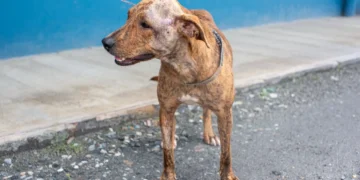







Quick take: Mad Itch, caused by the pseudorabies virus, is a rare but serious infection in dogs that produces intense itching, skin lesions, and can progress to neurological signs. Prompt veterinary care, including antiviral therapy and supportive care, is essential for the best chance of recovery.
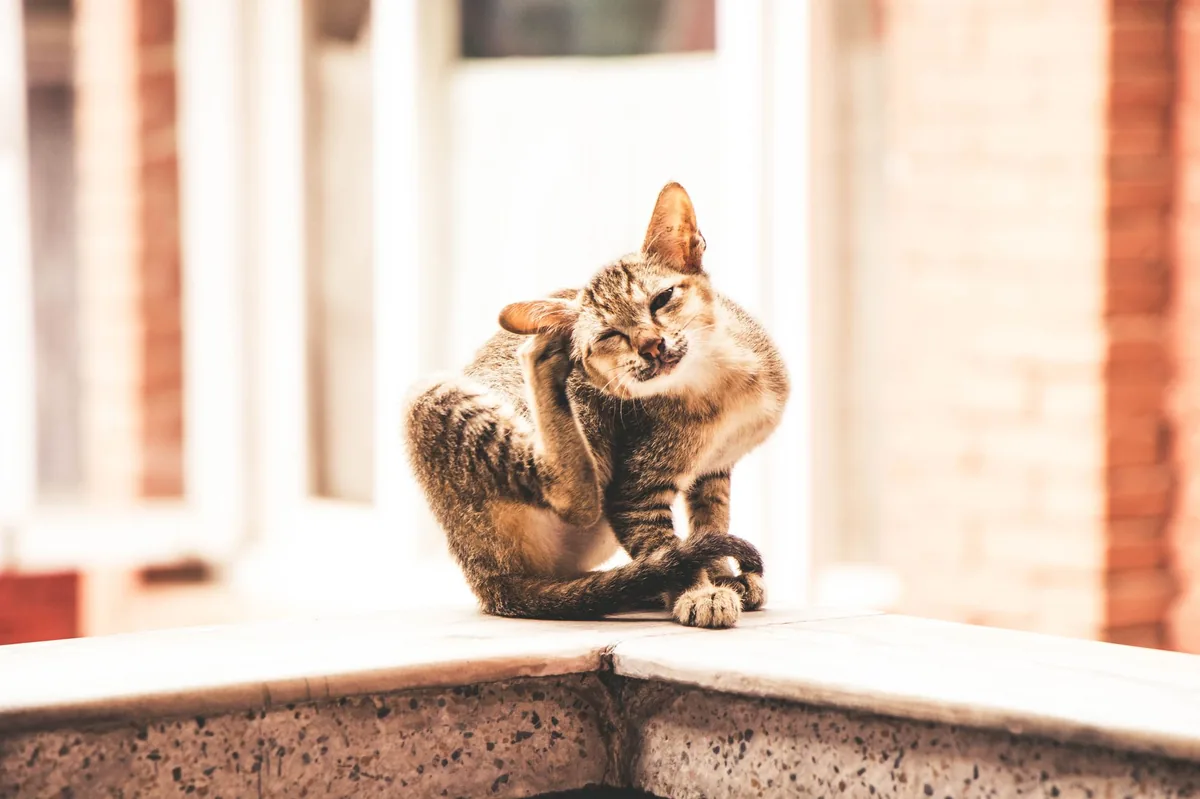
It’s 11 p.m., you’re half‑asleep when your Border Collie, Max, starts scratching his side so hard his nails leave red streaks on the carpet. You notice his ears are pink‑red, his eyes look watery, and he’s unusually lethargic. The sudden, severe itching and the odd, “wet‑dog” smell make you stare at the floor, wondering what could cause this flare‑up.
You’re not alone. Many owners first notice the hallmark skin lesions of Mad Itch after a walk in the woods or a hunting trip, and the fear that something is terribly wrong can feel overwhelming. While the name sounds alarming, understanding what Mad Itch actually is, how it spreads, and what you can do right now will help you act calmly and confidently.
In this guide we’ll explain the virus behind Mad Itch, its signs, how it’s diagnosed, treatment options, costs, and practical steps you can take to protect your dog now and in the future.
What is “Mad Itch” Pseudorabies Virus Infection in Dogs?
Mad Itch is a colloquial name for infection with the pseudorabies virus (PRV), a member of the Herpesviridae family. Though the virus is best known for causing Aujeszky’s disease in pigs, it can cross species barriers and infect carnivores, including dogs, cats, and wildlife such as raccoons and foxes.
In dogs, PRV infection is uncommon but documented worldwide, especially in regions with dense livestock or wildlife populations. The American Veterinary Medical Association (AVMA) notes that cases are sporadic, often linked to exposure to infected wildlife or raw meat from farm animals.
What causes it?
Transmission occurs primarily through direct contact with infected saliva, nasal secretions, or contaminated tissue. Risk factors include:
- Hunting or field work where dogs encounter wild game (e.g., raccoons, skunks, or infected livestock).
- Feeding raw meat that is not properly frozen or cooked.
- Living on farms with known Aujeszky’s disease outbreaks.
- Bites or scratches from wildlife carriers.
- Inadequate biosecurity—allowing dogs to roam unsupervised in areas with high wildlife activity.
Signs and symptoms
PRV infection progresses rapidly, often within 24–48 hours after exposure. Early signs focus on the skin, while later stages involve the nervous system.
| Stage | Typical signs |
|---|---|
| Early / Mild | Localized itching, red papules, small crusted lesions, mild fever, loss of appetite. |
| Moderate | Widespread pruritus, ulcerated lesions, facial swelling, conjunctivitis, lethargy, tremors. |
| Severe / Late | Neurological signs (circling, ataxia, seizures), severe skin necrosis, respiratory distress, coma. |
Because the itching can be so intense, dogs may develop self‑inflicted wounds, secondary bacterial infections, and dehydration.
When to call your vet
Call your regular vet today if:
- Your dog shows persistent itching with red or crusted skin lesions.
- There’s any facial swelling, eye discharge, or loss of appetite.
- Symptoms appeared within the past 48 hours after a wildlife encounter.
Go to an emergency veterinary hospital right now if you notice:
- Severe neurological signs such as unsteady gait, seizures, or sudden collapse.
- Rapid breathing, bluish gums, or signs of shock.
- Profuse bleeding from skin lesions or a sudden drop in temperature.
These guidelines are for information only and do not replace a hands‑on veterinary exam.
How vets diagnose it
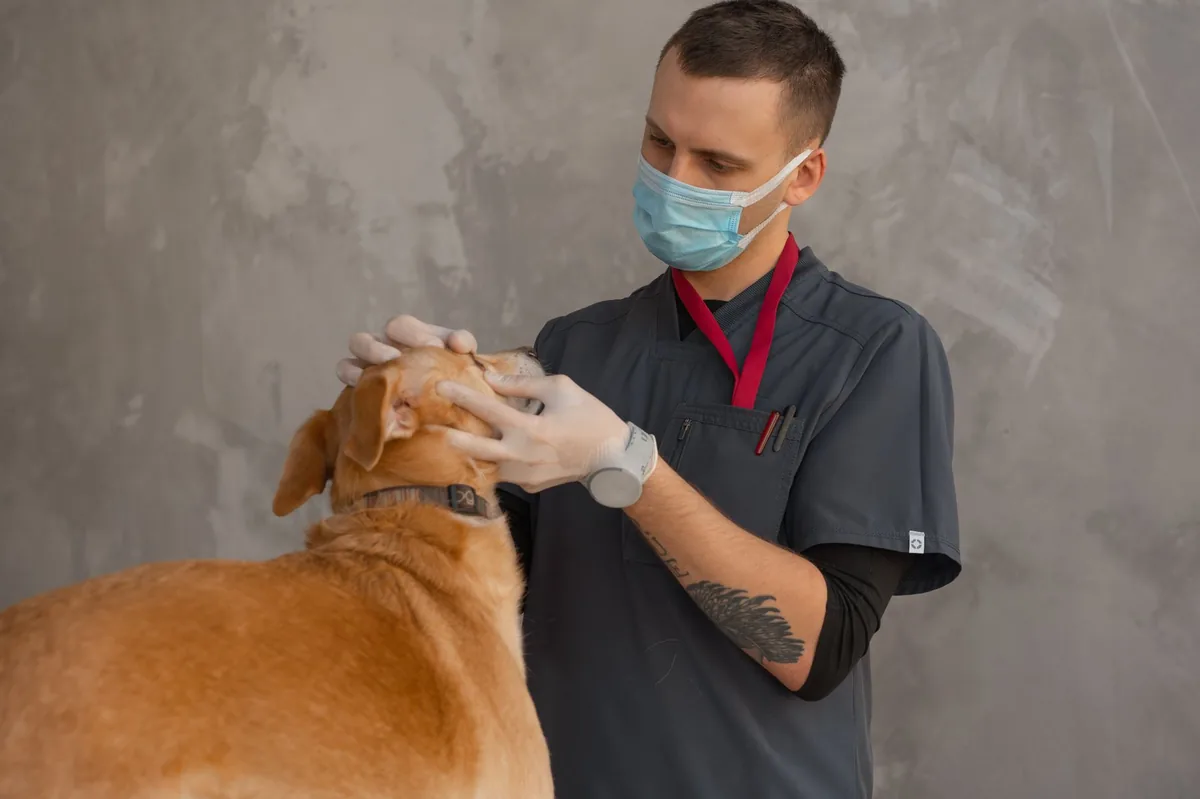
Diagnosis begins with a thorough history—especially recent hunting trips, raw feeding, or wildlife exposure—followed by a physical exam focused on skin and neurologic status.
- Skin scrapings and cytology: To rule out parasites or bacterial infection.
- Blood work: CBC and chemistry panel reveal inflammation, possible organ involvement, and help assess severity.
- PCR (polymerase chain reaction) or ELISA testing: Detects PRV DNA or antibodies in blood, swabs, or tissue samples. The American College of Veterinary Internal Medicine (ACVIM) recommends PCR as the most sensitive test.
- Imaging: Radiographs or MRI may be needed if neurological signs develop, to evaluate brain or spinal involvement.
Treatment options
Medical treatment
Because PRV is a viral infection, antiviral drugs are the cornerstone of therapy. The most commonly used agents include:
- Acyclovir – a nucleoside analogue that interferes with viral DNA replication.
- Valacyclovir – a pro‑drug of acyclovir with better oral absorption.
- Foscarnet – reserved for severe cases, often administered intravenously in a hospital setting.
Ask your vet about these options; dosages are weight‑based and must be prescribed. Pain relief (e.g., gabapentin or tramadol) and anti‑inflammatory medications (e.g., carprofen) help control itching and secondary inflammation. Broad‑spectrum antibiotics may be added if bacterial skin infection develops.
Supplements and supportive care
Adjunctive support can improve recovery:
- Omega‑3 fatty acids (EPA/DHA): Reduce inflammation and support skin health.
- Probiotics: Help maintain gut flora, especially if antibiotics are used.
- Vitamin B complex: May aid nerve function during neurological involvement.
These supplements should be discussed with your vet to ensure they don’t interfere with antiviral therapy.
Procedures or intensive care
Severe neurological cases often require hospitalization for:
- IV fluid therapy to maintain hydration and electrolyte balance.
- Seizure control (e.g., phenobarbital).
- Mechanical ventilation in rare, life‑threatening respiratory compromise.
Hospital stays can range from 3 days to over a week, with costs varying by region and level of care.
Diet and nutrition
Nutrition plays a supportive role in immune function and skin healing. While no single diet cures Mad Itch, feeding a balanced, highly digestible diet can reduce stress on the gastrointestinal system and provide nutrients essential for recovery.
Here are practical feeding guidelines:
- High‑quality protein: Choose foods with easily digestible animal proteins (e.g., chicken, turkey) to support tissue repair.
- Limited fat: Moderate fat levels prevent gastrointestinal upset, especially if the dog is nauseous.
- Omega‑3 enrichment: Look for therapeutic diets that include EPA/DHA or add a fish‑oil supplement after vet approval.
- Hydration: Offer fresh water frequently; consider low‑sodium broth if the dog is reluctant to drink.
- Avoid raw meat: Until the infection resolves, raw feeding can introduce additional pathogens.
- Prescription renal or hepatic diets: May be indicated if blood work shows organ involvement; these are formulated to reduce metabolic load.
| Food category | Do feed | Limit / Avoid |
|---|---|---|
| Commercial kibble (high‑quality) | Yes – choose a brand meeting AAFCO nutrient profiles. | None, unless the dog has food allergies. |
| Cooked lean meats | Yes – boiled chicken, turkey, or lean beef without seasoning. | Fatty cuts, processed meats. |
| Raw diets | Temporarily stop – risk of additional pathogens. | All raw animal products. |
| Supplements (omega‑3, probiotics) | Yes – as recommended by your vet. | High‑dose vitamin A or D supplements. |
| Treats | Small, bland treats (e.g., boiled sweet potato). | Spicy, salty, or sugary treats. |
Transition to a new diet gradually over 3–5 days to avoid gastrointestinal upset. Offer food in a quiet area, and monitor for any changes in appetite or stool consistency. If your dog shows signs of nausea or refuses to eat, contact your vet—early nutrition support can prevent secondary complications.
Cost and prognosis
Because Mad Itch is rare, exact cost data are limited, but typical expenses in the United States and United Kingdom are as follows:
| Service | US estimate | UK estimate |
|---|---|---|
| Initial exam & labs | $150–$300 | £80–£150 |
| PCR/ELISA test for PRV | $200–$400 | £120–£250 |
| Antiviral medication (7‑day course) | $300–$600 | £200–£450 |
| Hospitalization (IV fluids, monitoring) | $500–$1,500 per day | £350–£1,000 per day |
| Supportive care (pain meds, antibiotics) | $100–$250 | £70–£180 |
Overall, total costs range from $1,000 to $5,000 USD (or £800–£3,500 GBP) depending on disease severity and length of hospitalization.
Prognosis varies:
- Early‑stage infection (skin‑only): With prompt antiviral therapy, 60–80 % of dogs recover fully.
- Neurological involvement: Survival drops to 30–50 %, and many survivors have lingering neurologic deficits.
- Senior dogs or those with pre‑existing organ disease: Prognosis is guarded; supportive care focuses on quality of life.
Prevention and home care
Because Mad Itch is transmitted from wildlife, prevention centers on limiting exposure and maintaining good hygiene:
- Biosecurity on farms and hunting trips: Keep dogs on leashes, avoid allowing them to chase or chew wildlife carcasses.
- Vaccination: No specific PRV vaccine is licensed for dogs in the United States, but in some European countries a canine pseudorabies vaccine is available for high‑risk working dogs. Discuss options with your vet if your dog is a hunting companion.
- Raw feeding safety: Freeze raw meat for at least 30 days at –20 °C to inactivate many viruses, including PRV, before feeding.
- Regular health checks: Annual exams can catch early skin changes and allow timely testing.
- Clean environment: Disinfect any areas where a dog has scratched or bled with a diluted bleach solution (1 part bleach to 32 parts water).
In the home, monitor your dog’s skin daily, especially after outdoor activities. Early detection of itching or lesions gives you a better chance to intervene before the virus spreads systemically.
From our vet team: “If your dog suddenly develops severe itching after a wildlife encounter, treat it as an emergency. Early antiviral therapy is the only way to tilt the odds toward recovery, and supportive care—hydration, pain control, and nutrition—makes a huge difference. Don’t wait for the itch to subside; call your vet right away.”
Key takeaways
- Mad Itch is a rare pseudorabies virus infection that starts with intense itching and can progress to neurological disease.
- Risk rises after wildlife bites, raw meat feeding, or farm exposure; keep dogs leashed and avoid raw diets during outbreaks.
- If you see red, crusted lesions plus severe itching, contact your vet today; neurological signs require immediate emergency care.
- Diagnosis relies on PCR or ELISA testing; early antiviral treatment (acyclovir, valacyclovir) improves survival.
- Supportive care—including pain meds, omega‑3 supplements, and proper hydration—helps dogs recover faster.
- Costs can range from $1,000 to $5,000 USD, and prognosis is best when treatment begins before neurologic signs appear.
Myth vs. fact
Myth: Mad Itch is just a severe flea allergy.
Fact: While both cause itching, Mad Itch involves a viral infection that can cause skin lesions and neurological disease, requiring antiviral therapy—not just flea control.
Myth: Dogs can’t spread pseudorabies to humans.
Fact: PRV is zoonotic in rare cases; humans handling infected tissue should wear gloves and practice hygiene, but routine pet contact is low risk.
Myth: There’s a simple home remedy that cures Mad Itch.
Fact: No over‑the‑counter remedy clears the virus; only prescription antivirals and veterinary care can address the infection.
Frequently asked questions
What does Mad Itch look like on a dog’s skin?
It typically appears as red, raised papules that quickly become crusted or ulcerated, often starting on the ears, face, or limbs.
Why does my dog itch so badly after a bite from a wild animal?
The bite can introduce pseudorabies virus, which triggers intense inflammation and itching as the virus replicates in the skin.
Can a dog survive a pseudorabies virus infection?
Yes, especially if treatment begins early before neurological signs develop; survival rates are around 60‑80 % for skin‑only disease.
How is Mad Itch diagnosed by a veterinarian?
Vets collect skin swabs or blood samples for PCR or ELISA testing, combined with a physical exam and routine blood work to assess organ function.
What are the side effects of antiviral drugs used for Mad Itch?
Common side effects include mild gastrointestinal upset and, rarely, kidney irritation; your vet will monitor bloodwork throughout therapy.
Is there a vaccine to protect dogs from Mad Itch?
In the United States, no canine‑specific pseudorabies vaccine is licensed, but some European countries offer a vaccine for high‑risk working dogs; discuss risk‑based options with your vet.
Ask the PuppaDogs community
Have a question this article didn’t fully answer? Want to compare notes with other dog owners who’ve been through this? Our community forum is moderated by experienced owners and vets — and answers tend to come fast. Ask in the PuppaDogs community →
References
- American Veterinary Medical Association (AVMA). “Pseudorabies (Aujeszky’s Disease) in Dogs.” AVMA Guidelines, 2022.
- American College of Veterinary Internal Medicine (ACVIM). “PCR Testing for Viral Pathogens in Companion Animals.” ACVIM Consensus Statement, 2021.
- Merck Veterinary Manual. “Pseudorabies Virus (PRV) Infection.” Updated 2023.
- World Small Animal Veterinary Association (WSAVA). “Infection Control and Biosecurity for Companion Animals.” WSAVA Position Paper, 2020.
- American Animal Hospital Association (AAHA). “Guidelines for Antiviral Use in Dogs.” AAHA Clinical Practice Guidelines, 2023.
- University of California, Davis School of Veterinary Medicine. “Wildlife‑Associated Viral Diseases in Domestic Dogs.” UC Davis Veterinary Research, 2021.
- British Veterinary Association (BVA). “Cost Estimates for Hospitalization and Antiviral Therapy.” BVA Economic Review, 2022.
- American Association of Feed Control Officials (AAFCO). “Nutrient Profiles for Adult Dogs.” AAFCO Official Publication, 2022.


